
Translated material
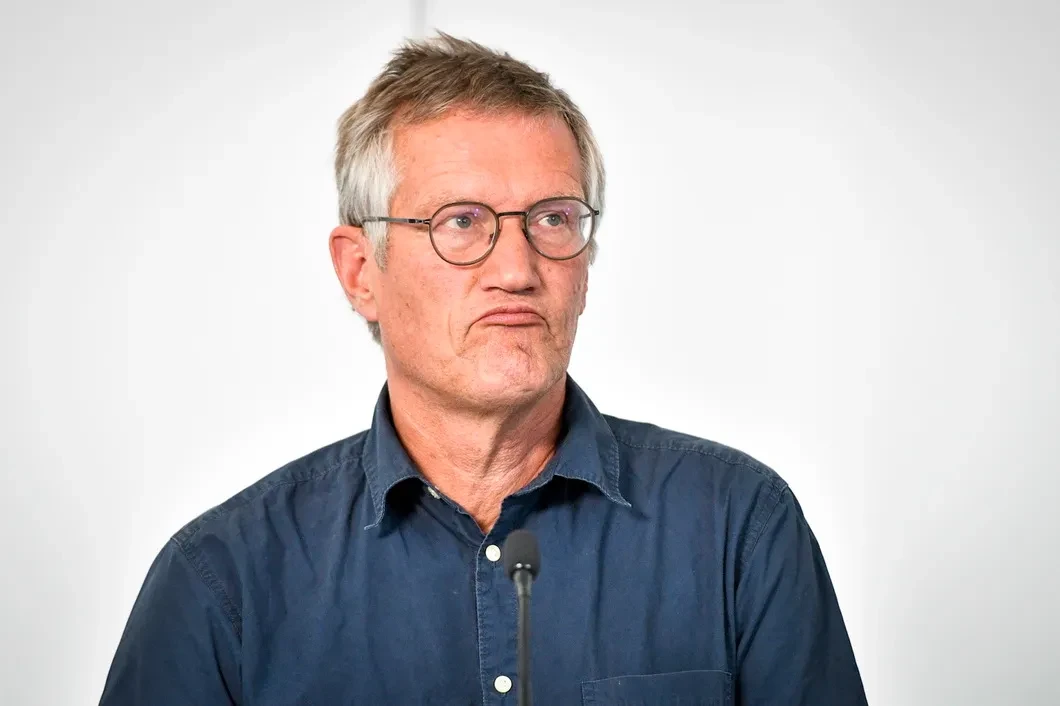
Anders Tegnell: "Pandemia will not end, it will be somewhere nearby"
Architect of the Swedish model of the fight against coronavirus - about successes and failures, trust of citizens and the Russian vaccine
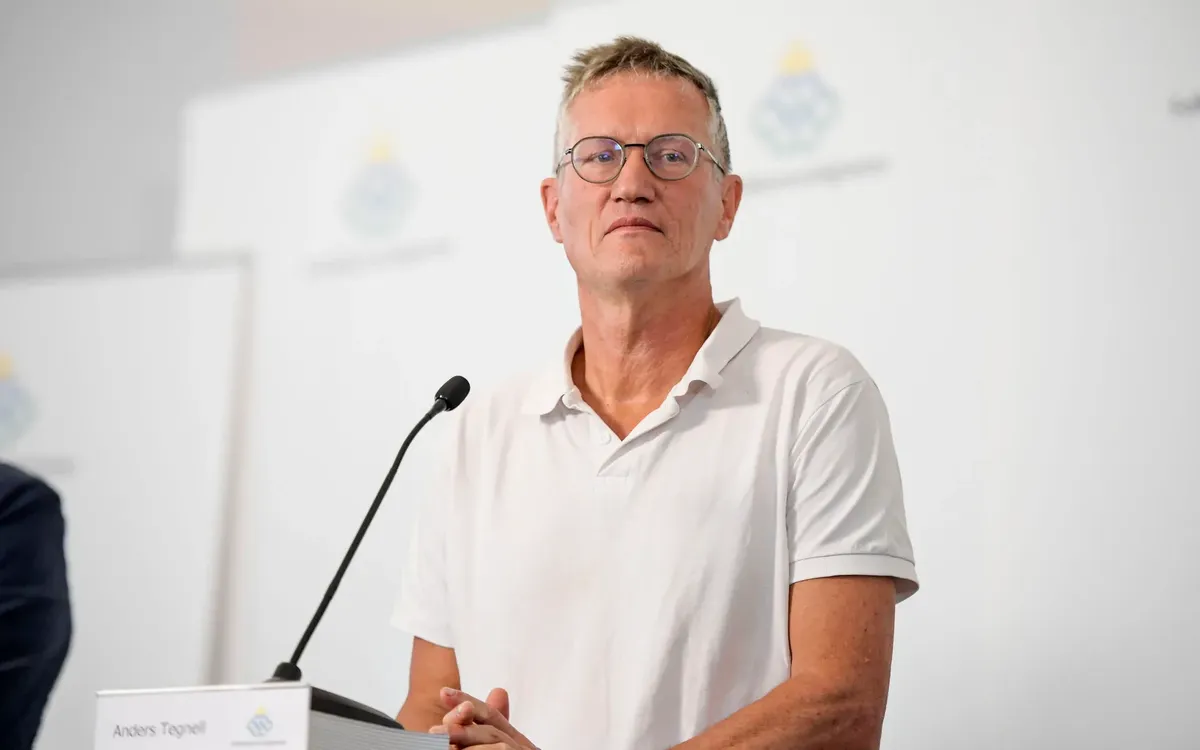
The chief epidemiologist of the Sweden public health agency Nils Anders Tegnell is perhaps the most scandalous figure of the coronavirus era. The government of the country has fully handed him the obligation to develop a model of struggle with the Covid-19, and he introduced it to the world. The Swedish strategy sounded simply attractive for many: do not lock anyone, not to ban anything. Schools in the country did not close, the economy did not stop. At the same time, almost 6 thousand people died in a 10 millionth country from Covid-a lot for a small Scandinavia. Tegnell was often criticized for these fatal mistakes. But in September, when Germany, France and Spain registered more and more new Covid cases, and Austria officially announced the beginning of the “second wave”, the Swedes almost forgot about the pandemic - there the cases of the disease record less and less. Is the Tegnell's concept worked, and the collective immunity saved the country? "New" asked the epidemiologist personally.
- The new cases of Sweden COVID are becoming less and less, in the meantime, the second wave begins in Europe. Can we use the term “second wave”?
- Yes, I think this is the classic second wave. We have already seen this during the flu pandemic. At least in certain countries it is. Absolutely in France, Spain - very similar to the second wave. In countries like Norway, we are observing more separate clusters ...
- And Germany, for example?
-In Germany, something like ... began the second wave. Yes, in many European countries, the infection is now being re -released.
- Is it worth expecting a second wave in Russia?
- In many countries, the infection will again crawl up with the advent of winter. How much the increase will be, will we cope with what measures we will take - a separate topic for each region. I am not familiar with the situation in Russia, but it is in any case to wait for the second wave.
- Do you think you can wait for the second wave in Sweden?
- At the moment, I can say that we will not have a large -scale growth of diseases, because in the spring there were many of them, the level of population immunity we have much higher than in other countries. We expect that the level of distribution as a whole will be low, in various areas of Sweden we will see only separate foci of distribution. This is a prognosis for the fall, we'll see further.
Help "New"
Since August 20, the number of new cases of Covid infection in Sweden began to decline rapidly. The maximum value fixed at the moment is 333 new cases. In Germany, this indicator in the same period amounted to 2034, in Spain - 12183, in France - 10563. In total, from the moment the pandemic began in Sweden, 87.5 thousand people fell ill with Covid, 5860 people died, the peak of deaths fell on April, and in the fall, authorities register from 1 to 5 deaths every day.
- What is the key to low indicators for the spread of the virus? Stavka on a herd of immunity or something else?
- The main thing: people extremely clearly followed the recommendations that we gave them. This made it possible to keep the indicators at a fairly low level throughout Sweden in comparison with other countries ...
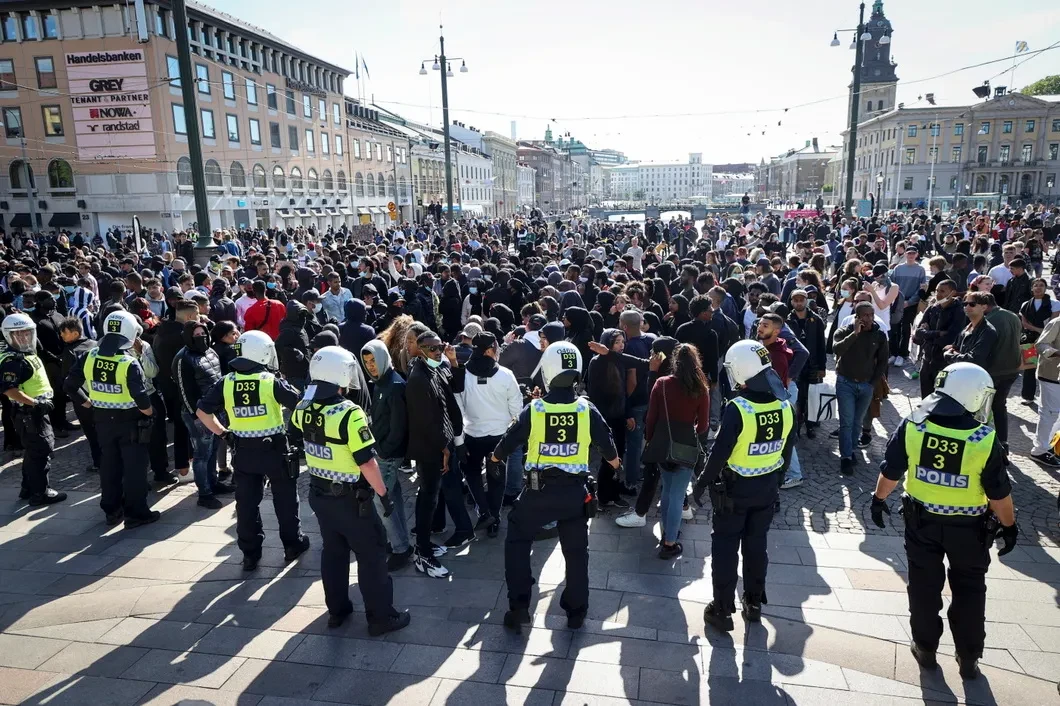
- But in the midst of pandemia on the streets there were crowds of people, mostly young people, students ...
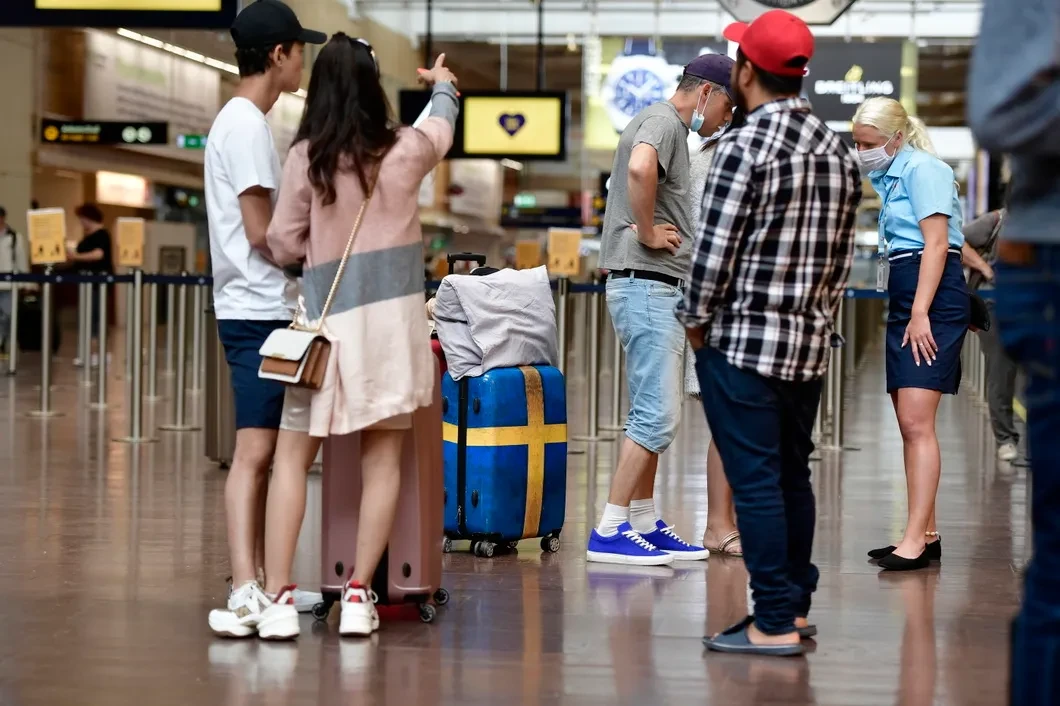
- Well, this is rather an exception to the rules. You can take pictures in different ways, but the pictures do not always display reality. We [the public health agency] asked people whether they follow our recommendations, and 80-90% answered-yes. If you look at the statistics of the movements that we receive from mobile operators, you can see that now the Swedes travel much less often than before the pandemic. You can also see an almost complete cessation of air travel inside Sweden. It can be said for sure that the Swedes are now going out into the street much less often. But, as elsewhere, there are exceptions. By modeling, we were able to understand that the contacts between the Swedes were halved compared to the period to the pandemic. This seems to us sufficient to contain the virus in the values of the index R, close to one ( the index R displays how many people infected on average - N.K. )
- And for September, the Swedes did not have time to become more active in movement?
- People move a little more now, in the fall, but this is quite natural - they need to return to schools, universities, to work, but activity is much lower than before.
-The beginning of the new school year can somehow affect the epidemiological situation in Sweden?
- In schools where children study up to 9th grade, that is, up to 15 years, the virus almost does not spread.
They were opened the entire spring period, and nothing happened.
Now, when we open high school with children 16-19 years old, we can observe cases of infection, but it is not dangerous-children do not get sick seriously, they do not need hospitalization or any treatment. They transmit an infection to each other, but not older people or any of the risk groups. And this is not such a large percentage of diseases.
- But there is another side of the coin - the nursing home. Of the almost six thousand dead SCOVID-19 in Sweden, most are the elderly. And you even said that this is probably the mistake of your strategy. Now the nursing houses are again opened for visits since October. This will not cause a repeated wave of deaths?
- No. We do not consider visitors as the main reason for a large number of deaths in nursing homes.
The problem was the unpreparedness of the staff, a lack of protective equipment, the absence of an algorithm of action.
It was necessary to instruct employees, now we have taken up this. A few months ago, in the spring, the number of cases of infection in the nursing homes began to decline. The last two months, cases of disease have not been recorded there at all. We are sure that we can continue in the same spirit. We will control visitors: ask to maintain a distance, check the state of health. There will be a whole list of rules for visitors.
- What are the rules?
- As for health, they should not have any symptoms of infection, it will be possible to communicate with relatives only at a distance, at a certain time only a limited number of people will be able to come, they will meet in specially designated rooms. In general, instructions will be developed.
- The World Health Organization has already called your open society an example for other countries. Do you personally think that countries like Russia or Germany can take your model as a sample?
- In this situation, all countries can learn from each other. Some things that we used in Sweden can be transferred to other countries.
For example, most states can afford not to close schools without special consequences.
This is a lesson extracted from Swedish experience. Moreover, governments could show more confidence in their own population, which they still showed.
- So the fight against pandemia is about trust, and not about prohibitions?
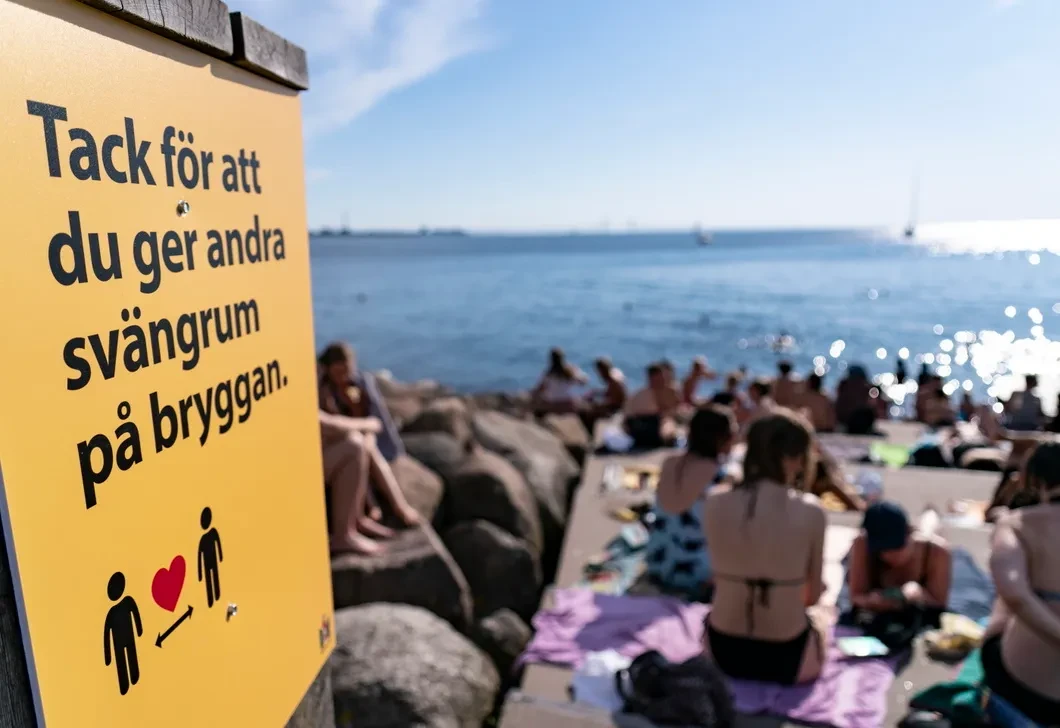
- At least in Sweden, definitely for sure - yes. If people do something of their own free will, it is much easier for them to adhere to recommendations than when they are forced. You can always find a way to evade and not do what they dictate to you.
- You have said many times that, regardless of the course of the development of the pandemic, we all need to wait for the appearance of the vaccine. Do you personally expect the appearance of a particular vaccine? Now the Swedish-British Astrazeneca is being tested. Are there any forecasts for the date of appearance of the drug?
- Sweden has already signed a contract with ASTRAZENECA through the coordination mechanism of the European Union. It is expected to include several other manufacturers in the program. Everything is now happening at the EU level, and Sweden is only one of the countries in the system.
If you believe what the company representatives tell us, you can wait for the vaccine for the New Year.
- By the New Year? But UASTRAZENECA is also now problems with testing ...
- There were small problems, but they are again in the game. I think they will lay down on the schedule, but you never know for sure. Vaccines development is a very cunning thing. You can not predict whether the drug will work.
- I am sure you heard about the Russian vaccine. It is already received by medical staff and teachers. The tests took place in not the end of clear circumstances, the creators criticize a lot. Do you think the health of Russians are threatened with the consequences of using such a vaccine?
- In Sweden, we are very attentive to the vaccines we use are tested in accordance with the requirements of the European Agency for Medicines. Vaccines tests should show that it is safe as possible. And here everything is extremely clear to us - you can not use the vaccine to official approval.
- You said that the basis of the fight against pandemia is trust. Do you think that in other countries the level of trust in Russia is sufficient to start using an unfinished vaccine?
- I think the security of vaccination excites everyone. In Sweden, we already had a very sad experience with a vaccine against pork flu - a small number of children after vaccination showed very severe consequences ( we are talking about the Pandemrix vaccine, which in Sweden in 2009 was injected in 2009, as a result, over the years of hundreds of Swedes of a young age to which the drug was introduced, Narmolence - N.K. ) developed).
Having passed through this, we realized that now we would only accept the most secure from the possible vaccine.
I am sure in many countries people think the same way.
- And again about trust. Only two countries in Europe once abandoned Lockdown: Sweden and Belarus. Did the authorities rely on the confidence of the population instead of restrictions there? Is there anything in general in strategies for the fight against Pandemia Stockholm and Minsk?
- I am not so well versed in the topic of Belarus in order to judge the confidence of the population to the government. But today's situation makes us doubt whether there is generally confidence in the state like Swedish ( smiles ).
- Pandemia in Sweden will end sooner or later. What do you plan to do after?
- We will have to work with coronavirus for a long time (laughs). The pandemic will not end, it will be somewhere nearby. I will deal with the topic further for some time.
- I heard that before the arrival of coronavirus, you planned to engage in volunteer work, which one?
- We had a project for the development of medicine in Somalia. We had to help them organize our own public health agency, but then the pandemic began ...
- Continue to participate in this project?
- Yes, we are still communicating with Somali colleagues, but it is not yet possible to move between the countries.