
Translated material
Want like in Minsk?
Why many Russians support Alexander Lukashenko
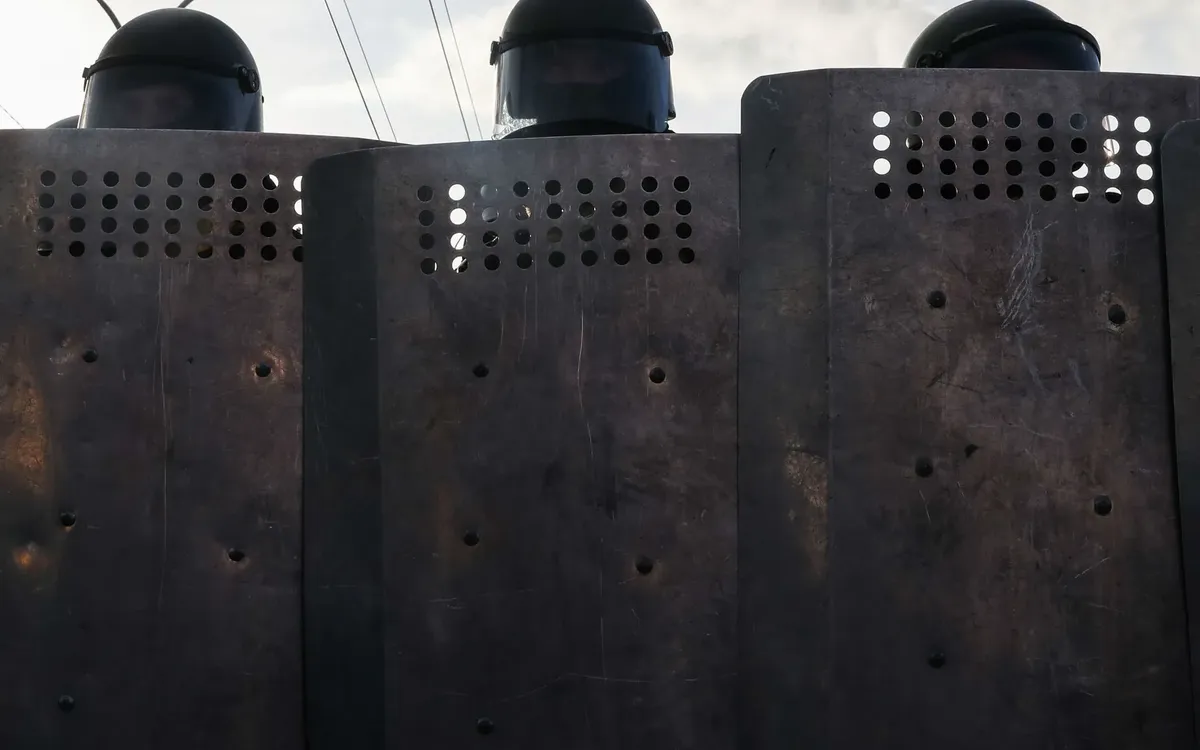
On August 9, 2020, the presidential elections were held in Belarus, the results of which caused outrage of a significant part of the Belarusian society. This indignation was expressed in the record for this country the scale of street protests, to which the Belarusian security forces responded unprecedented and absolutely disproportionate cruelty. The Internet was filled with disgusting scenes of violence by security forces in relation to mainly peacefully protesting citizens.
Despite a huge number of facts indicating large -scale and egregious cases of human rights violations in Belarus, a significant part of Russians expresses the support of Alexander Lukashenko. According to the Levada Center, 57% of the Russians surveyed would like to see Lukashenko by the President of Belarus. The main rival of Lukashenko in the election, Svetlana Tikhanovskaya, was forced to turn to Russian citizens, asking them not to listen to propaganda aimed at discrediting protesters.
Support for many Russians of the regime, which with obvious cruelty treats its citizens, requires understanding.
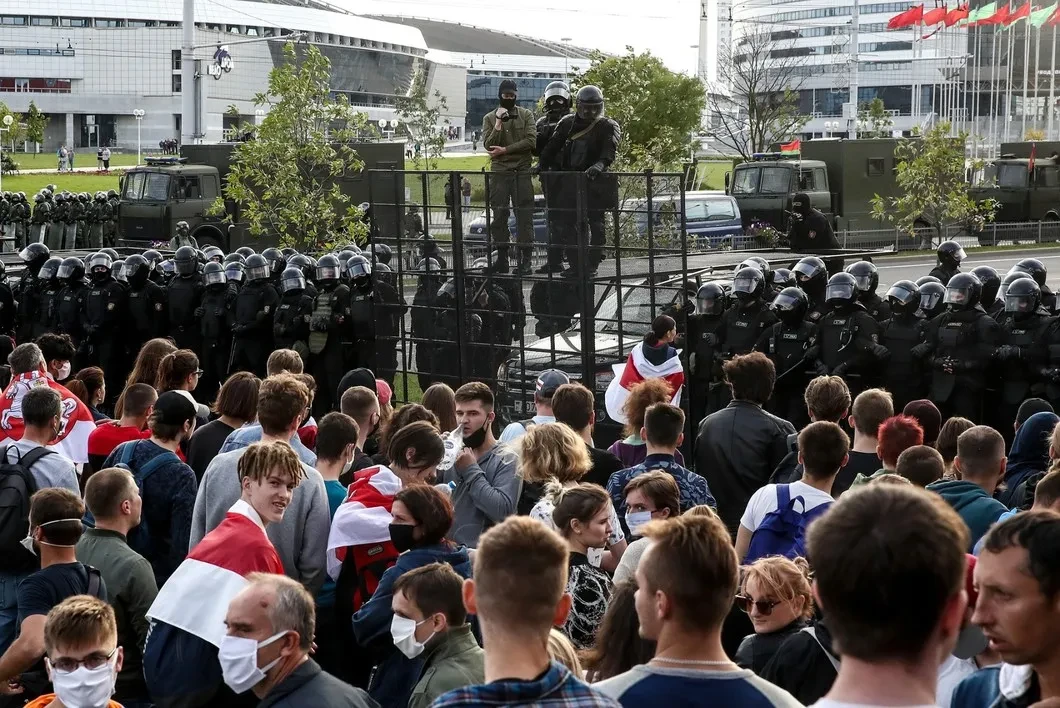
Of course, this situation has many reasons. Someone sees Lukashenko in the possible departure of Lukashenko’s post with a threat to him or her economic model. It is important for someone to preserve or even strengthen the influence of the Kremlin in Belarus, and protests by such people see a prologue to undesirable changes.
But many Russians simply believe that the protesters were the first to violate the law, having reached the protest, inconsistent with the authorities.
According to this point of view, citizens are obliged to follow the rules, primarily guided by the established practice of law enforcement. Therefore, part of the Russian observers are ready to give the Belarusian security forces indulgence for the subsequent mockery of the protesters.
This view contains serious errors. And the point is not only that the detentions were accompanied by large -scale and severe violations of the security forces of the existing law. The fact is that the law and law enforcement are only technical tools created to solve certain problems. More importantly another: who, for what and how it creates laws and appropriate law enforcement practice.
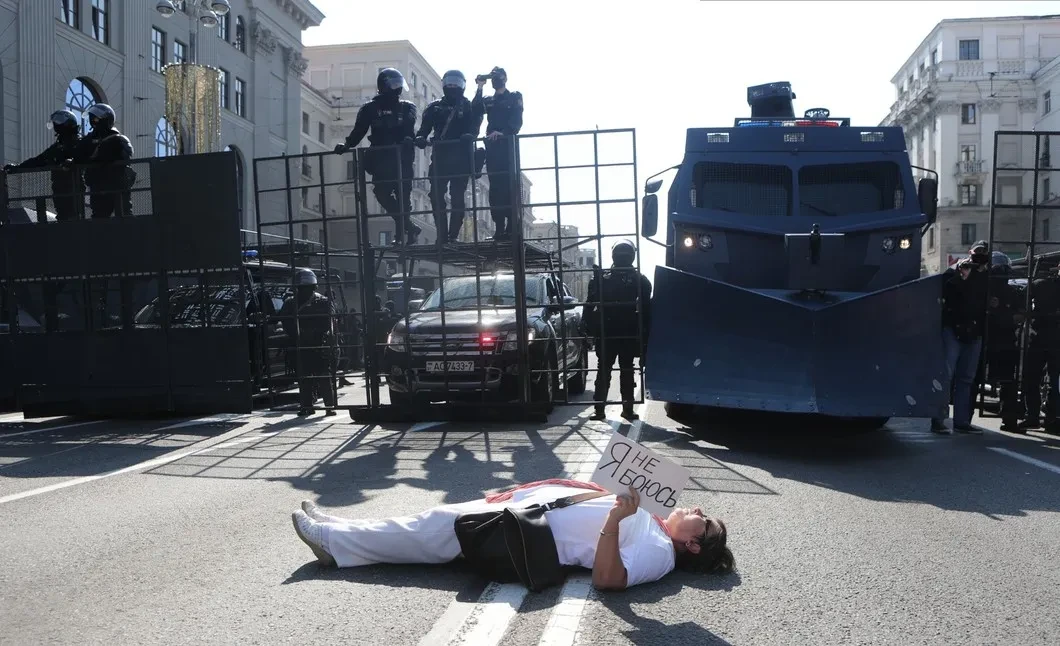
Justice and protection of the interests of society are often not principles on the basis of which legislative regulation is created and the practice of its application is formed. With the help of legislation, in particular, it is possible to violate human rights and commit crimes. History, including domestic, knows enough examples of both criminal laws and criminal law enforcement.
Much in these areas is being done to protect the power of the ruling elite or expand the capabilities of the business elite.
The interests and goals of individual groups are achieved by violation of electoral rights, mass violations during electoral processes, the actual destruction of political competition, massive violation of civil rights, property rights and human rights.
Such regulation and law enforcement can hardly enjoy respect and serve as criteria for correctness or erroneous actions. Yes, non -compliance with the rules can put the individual on the other side of the law, but the law and practice of law enforcement itself stand on the other side of justice and the principle of leadership of public interests.
The criticism of protesters in Belarus is responsible for such an argument of the chaos of chaos. But these warnings are a consequence of a kind of idea of chaos. For them, the example of chaos is the protests of the “yellow vests” in France, and no beatings in the police departments of Belarus are not.
If chaos is created by the hands of a person in shape, and even on the basis of a letter fastened with a seal, then this is not chaos, but order in the understanding of such an interlocutor.
Obviously, this is a rough substitution of concepts of order and power. Power is an instrument that can maintain order, or, on the contrary, sow terror and repression.
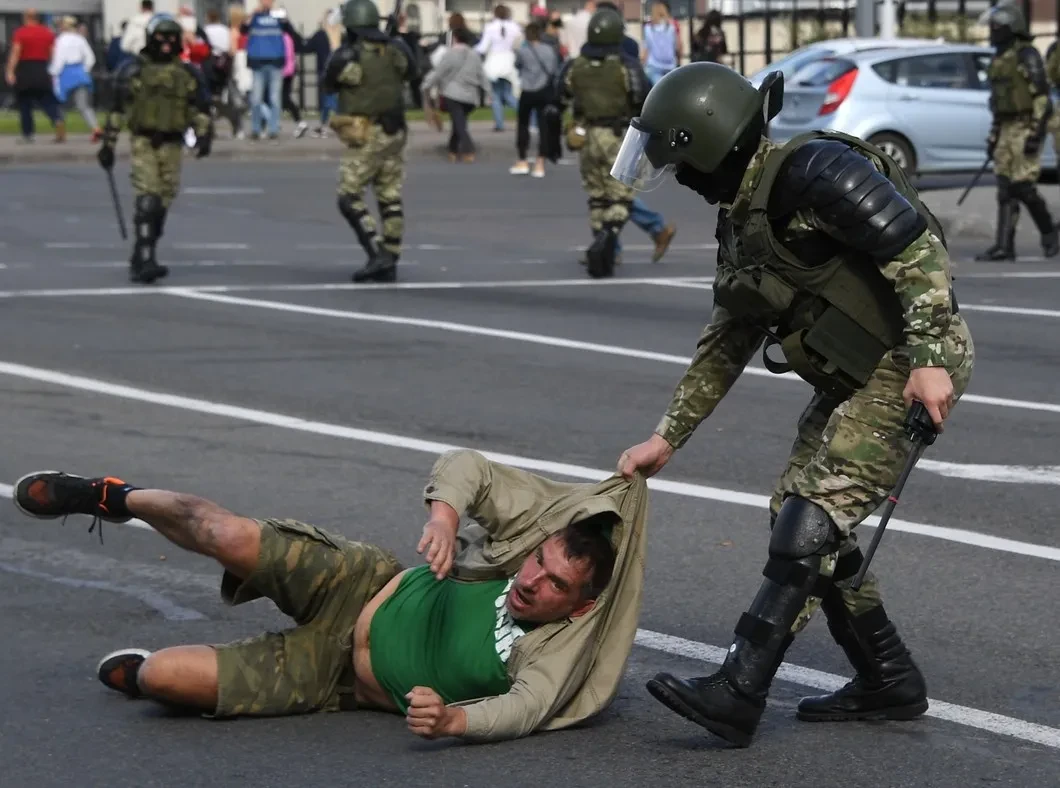
From this point of view, it is necessary to evaluate the actions of Belarusians protesting against the regime of Alexander Lukashenko. The voting process and the vote count followed by it were not transparent, and the results declared by the authorities did not correspond to the ideas of the Company on the results of the vote due to thousands and thousands of evidence. The election rights of Belarusians were grossly violated, which forced them to take to the streets. And then the authorities were massively violated by human rights.
With this development of events, a balanced system of power, including independent courts and self -government bodies, should support the decision of the protesters peacefully express their indignation. However, in Belarus, such a balance system simply does not exist. Therefore, society had to act independently, and the steps taken by him definitely corresponded to the criterion of justice.