
Translated material
EU left a maneuver field
Sanctions against Belarusian figures did not affect Lukashenko
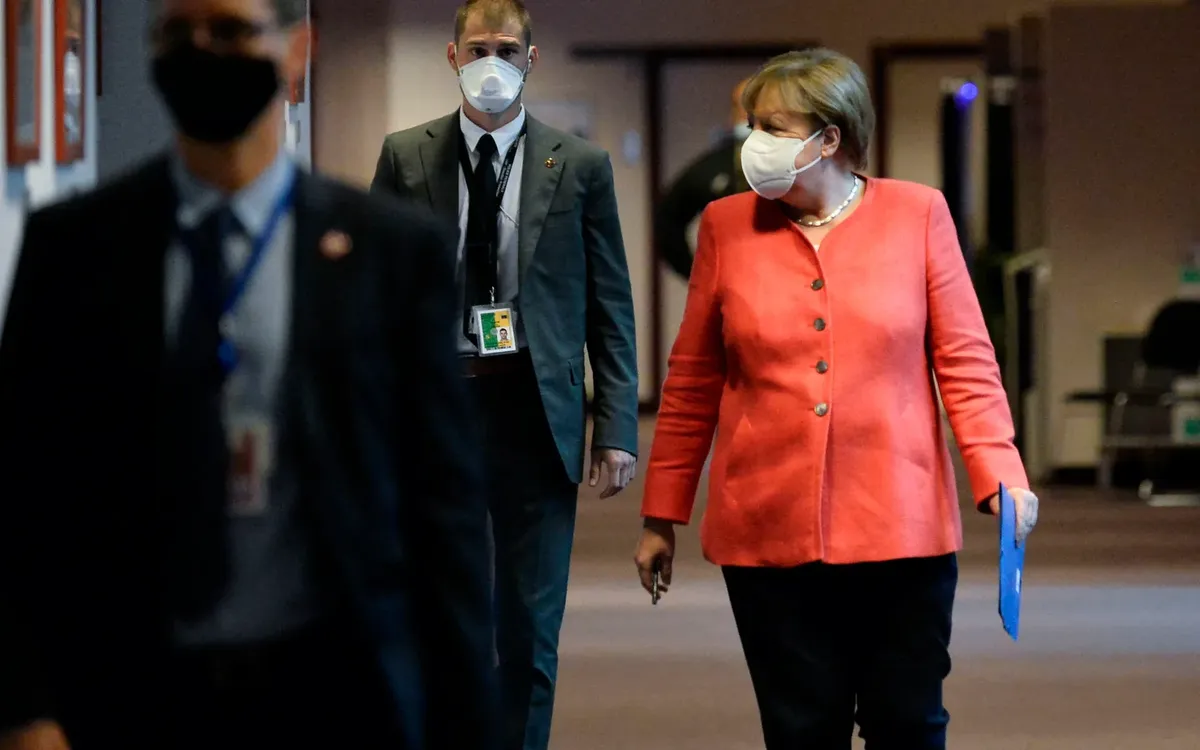
The heads of state and governments of 27 countries of the European Union, gathered for a summit in Brussels, had a difficult task: to find a formula that is acceptable to Cyprus and Greece in the text of the resolution in Turkey in order to impose sanctions against the Lukashenko regime in Belarus. The lion's share of the time of the foreign policy part of the summit on Thursday went to its decision.
One of the smallest countries of the Union blocked the agreed package in Belarus, demanding the simultaneous imposition of sanctions against Turkey, which began intelligence drilling for oil and gas in the Eastern Mediterranean in the waters of Cyprus and Greece. The position of Greece was softened thanks to the peacekeeping mediation of Berlin between Athens and Ankara. NATO played a role. On the same day, an agreement between Greece and Turkey on the mechanism of conflict prevention was signed in the Brussels headquarters of the Alliance.
According to Angel Merkel, "the European Union is very interested in the development of constructive relations with Turkey, despite all the difficulties." Indeed, an important neighbor with influence in the Middle East and North Africa is the necessary valve for regulating migration flows to Europe.
But no persuasion with the arguments about the strategic interests of Europe at Cyprus President Nicos Anastasiades did not act.
Either sanctions are simultaneously against Erdogan and Lukashenko, or no. He felt the widespread support of other EU members, although they did not welcome his perseverance in blocking the Belarusian dossier.
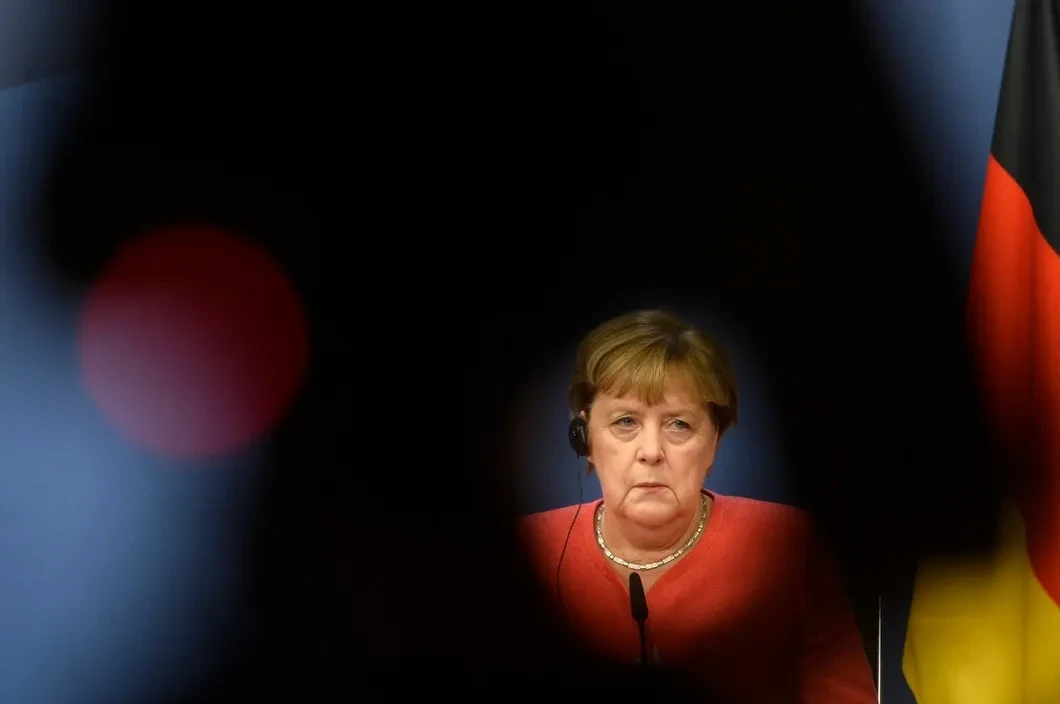
Emmanuel Macron, having arrived at the summit, warned: "Solidarity with Greece and Cyprus is not subject to discussion." And the Chancellor of Austria Sebastian Kurtz spoke even more objectively: “The European Union, finally, should show Erdogan, where our red lines pass. This is the termination of negotiations on the entry ( Turkey in the EU . - A.M. ) and sanctions. ”
But their hot pathos came into the cold pragmatism of Angels Merkel and the resourcefulness of the head of the European Council Charles Michel, who, when prime minister of Belgium, succeeded in the art of the famous "compromise in Belgian."
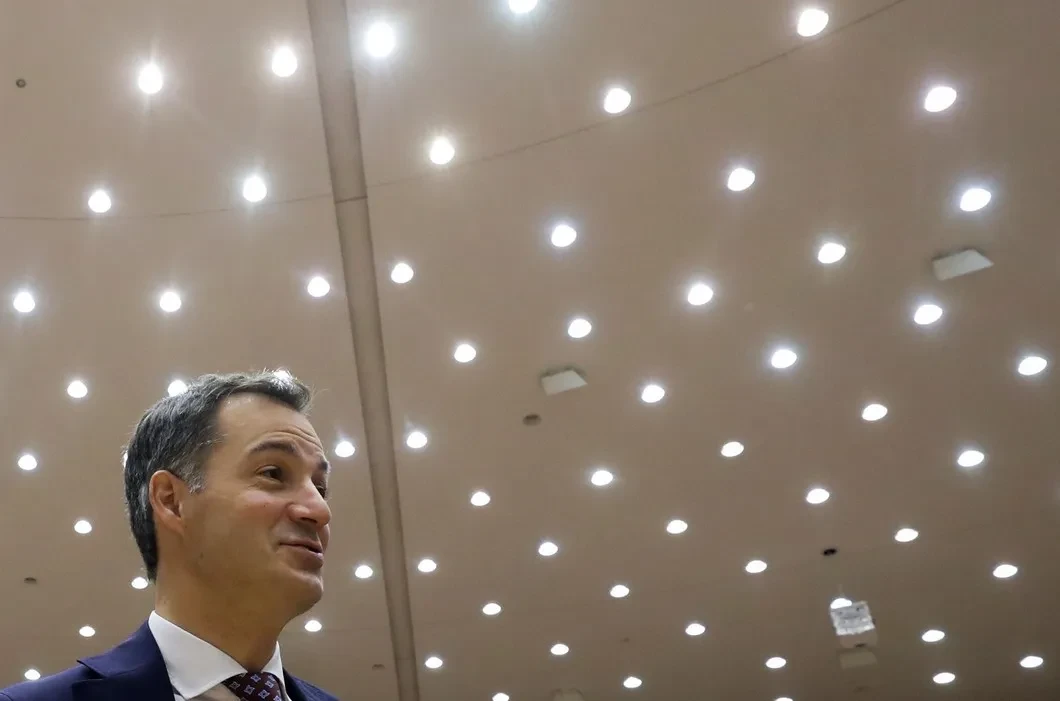
By the way, his successor, the new Belgian Prime Minister Alexander de Croo, literally ran into the hall of the neighboring building, where he had just swore to the parliament. Belgium lived for 652 days without a government, while the parties and regions argued about the composition of the coalition.
In the end, after four hours of meetings, a draft compromise was prepared, which arranged Greece and Cyprus.
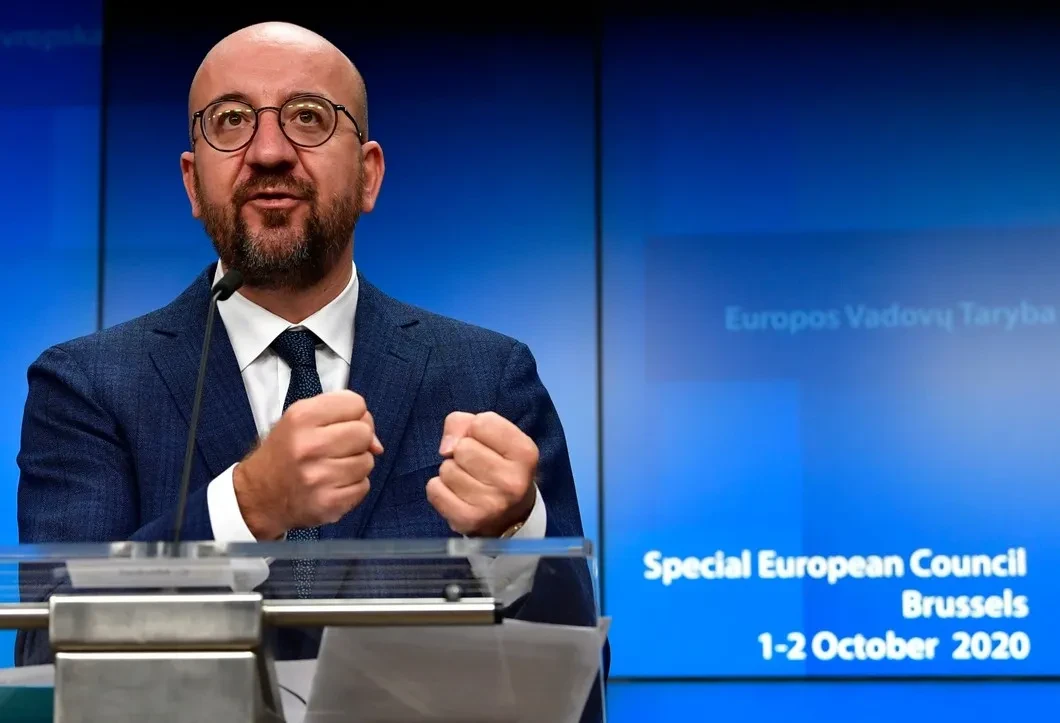
Its EU leaders were presented at a working dinner. The EU applied a double approach to Ankara: an improvement in cooperation in certain areas and the resumption of the Customs Union, but provided that Turkey will stop illegal drilling in the waters of Cyprus, Michelle explained at a press conference on Friday, confirming his renom of a compromise master.
President of Cyprus Anastasiades, who won the case after more than seven hours of discussion, expressed “his satisfaction”, as did the Prime Minister of Greece Mitzikitis.
Belarusian sanctions, which entered into force on Friday, concern not Belarus as a whole, but only persons whom the EU considers responsible for the falsification of the presidential election, brutal suppression of protests and repression in relation to the opposition. The EU freezes the European assets of the defendants in the sanctions list (if any) prohibits them with entry into the territory of the Union. Lukashenko himself is not on the list, which includes “about forty surnames”, but the list is not closed, Michelle said. (Currently, in the list, published in the EU official magazine, 44 surnames are mainly various high-ranking security officials from the Ministry of Internal Affairs, KGB, Proceros, Prosecutors, as well as senior functionaries of the Central Election Commission led by the Odoye Mr. Ermoshina. - Ed. )
The EU position against Lukashenko was explained in his communication with journalists France Macron: “Today we demand from who is on the spot ( in power . - A.M. ), to take intermediaries of the OSCE, introduce confidence measures, liberate political prisoners, especially opposition candidates in the presidential election.
To introduce sanctions against him - it would mean to refuse to talk. And it is important to launch this process and make a maximum possible.
This is what I was talking about yesterday ( on Wednesday . - A. M. ) with President Putin. At the next stage, if things go worse, we will not refuse sanctions against Lukashenko. ”
According to a European official who is involved in the preparation of decisions, these sanctions are introduced as a political gesture that demonstrates support for the European Union to the protests in Belarus, avoiding narrowing the field for maneuver: not to provoke Russia, not to hide on Lukashenko and leave the door open for dialogue about new elections.