
Translated material
Müller investigation: how in the United States it was found out whether Trump is related to Russia
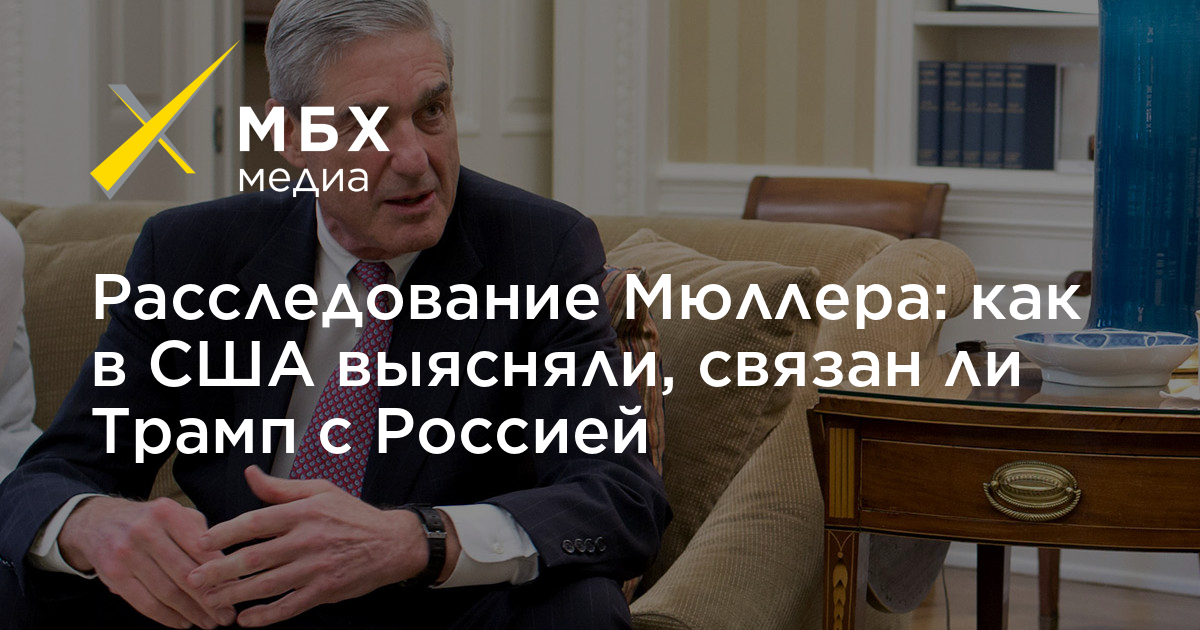
The US President allowed to declassify documents to investigate relations with Russia. We tell you what Moscow was suspected and what conclusion was the American intelligence came to.
“I allow you to completely declassify all the documents regarding one of the greatest political crimes in American history - Russian mystification. The same with the scandal with e -mail Hillary Clinton. Unexpected! ”, - wrote a politician on his Twitter. We are talking about the investigation of Russia's intervention in the 2016 elections in the United States, which was engaged in special prosecutor Robert Muller. The investigation lasted from 2017 to 2019. In May 2019, Müller announced the closure of the case and resigned.
During the investigation, the prosecution was brought to 34 individuals and three companies. The former head of Trump Paul Manafort was convicted of financial fraud and sentenced to seven years in prison. The ex-adviser of the national security of Michael Flynn, Dutch lawyer Alex van der Zvan and adviser to Trump's campaign headquarters George Papadopoulos accused of giving false testimonies. Papadopulos and Van der Tswan received a month and two weeks of imprisonment, respectively, as well as fines. Flynnu has not yet been sentenced. The programmer Richard Pinedo received a year of prison due to accusations of theft of personal data. Former Trump lawyer Michael Cohen was sentenced to three years in prison for fraud and violation of electoral legislation, and the former member of the election team Trump Rick Gates received 45 days of imprisonment and a fine of $ 2,000 for financial fraud and false testimonies. Also, the charges were charged to 13 Russian citizens related to the “Internet Research Agency”, 12 Russian employees and former manfort assistant, Russian Konstantin Kilimnik.
Prosecutor William Barr published the results of the investigation in March 2019. “The investigation did not establish that the participants in Trump’s campaign or someone associated with them entered into a conspiracy or coordinated actions with Russia in her attempts to influence the elections of the US president in 2016,” he said. At the same time, the prosecutor noted that Russia nevertheless tried to influence the elections: it conducted disinformation operations on social media using the “troll factory” and arranged hacker attacks.
In July 2019, the US Senate published a report on Russia's interference in the elections. The document says that the Kremlin has been vast activities against the US election infrastructure since 2014. It is noted that the senators did not find evidence of the real influence of Russia's intervention in the elections. “So far, the Committee cannot declare with confidence what the intentions of Moscow are. Perhaps Russia studied vulnerability in voting systems to use them later, ”the document says.
In 2017, US intelligence announced that Russian President Vladimir Putin tried to help Trump win in the presidential election. The department considered that Russia sought to undermine the confidence of the population in the presidential election and discredit the candidate from the Democratic Party Hillary Clinton. In a conversation with intelligence managers, Trump said that hacker attacks did not affect the election results. “While Russia, China, other countries, external groups and private individuals are constantly trying to violate the safety of the infrastructure of our government institutions, business and public organizations, including the National Committee of the Democratic Party, it had absolutely no influence on the election results,” the president said.

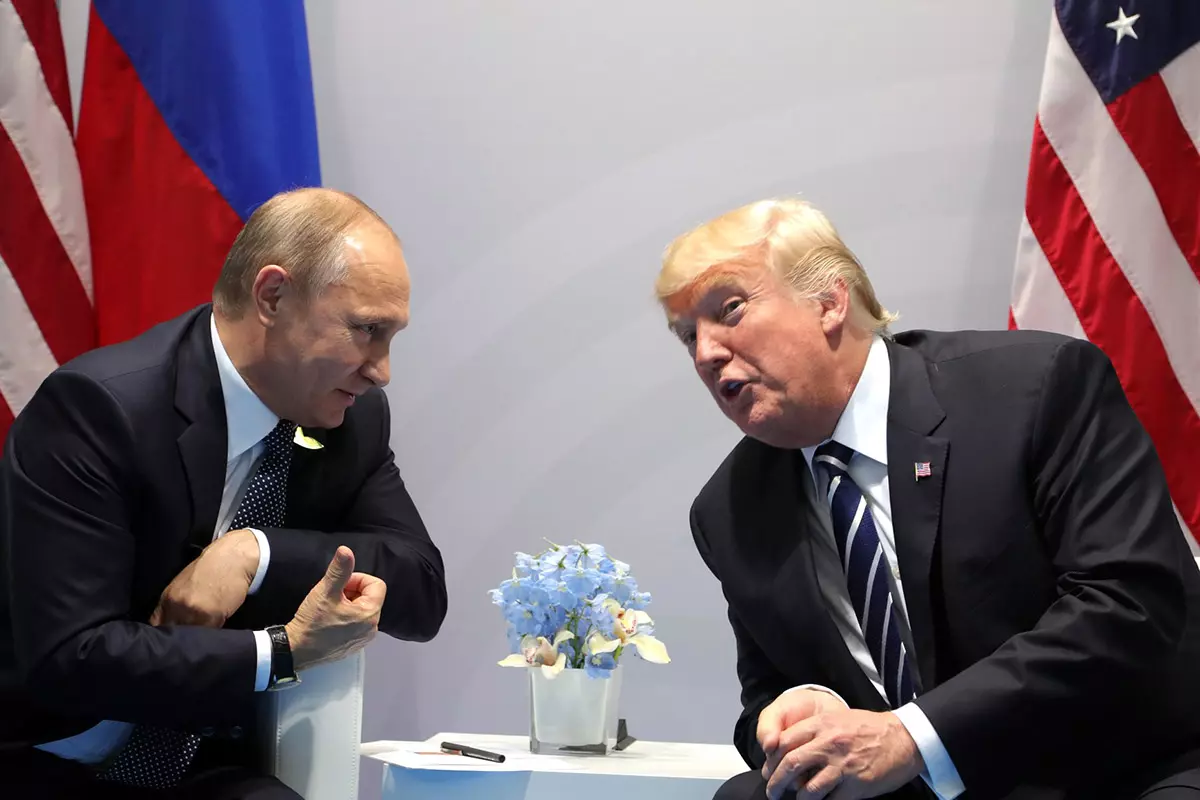
The attacks of Russian hackers became known in 2016. On March 19, 2016, the head of the presidential campaign Hillary Clinton John Podest went through the exile sent by the hackers and entered the password. That is how the attackers gained access to his email. Three months later, the founder of Wikileaks Julian Assange said that he was ready to publish Hillary Clinton's correspondence, and two days later The Washington Post said that the hackers hacked the computers of the Democratic Party. On July 22, 19 thousand letters stolen from seven computers of the US Democratic Party were published on WikiLeaks. Some letters had passport data and information about the accounts of party members and their partners.
In November 2016, Russia was also accused of spreading fake news discrediting the Democrats candidate Hillary Clinton. According to The Washington Post, Russia used purchased Internet trolls, bots, sites and accounts in social networks to spread fakes about Clinton. Among the false news there were conspiracy theories about the connection of Clinton’s environment with a secret organization of pedophiles and false information about the mental disease of the politician. During the investigation, Müller found out that the company “Internet Research Agency” was responsible for the distribution of these fakes. According to him, it was funded through businesses belonging to Evgeny Prigozhin.