
Translated material
Under the blow - Yerevan and Baku?
Pavel Felgenhauer - about how a conflict in Karabakh can develop into the war of cities
The war in Karabakh has been going on for the second week, and all this time the Azerbaijani armed forces are confidently holding an offensive initiative, although they have not yet achieved some turning point in territorial success. Both sides daily issue reports about the grandiose losses of the enemy and sometimes a little about their own, clearly smaller ones. In the first days of the fighting, the PR services took such a patriotic acceleration that the total amount of the destroyed Armenian and Azerbaijani tanks and other armored vehicles reached 500 units on paper. And this is in addition to many shot down aircraft, helicopters, drones, to thousands of killed soldiers.
If it would be at least half true, then the war, probably, ended in itself due to the lack of fighting.
But fantastic PR does not cancel the fact that the meat grinder of the Second Karabakh really grinds people and technology irrevocably every day.
The Armenian military-political leadership, as often happens, was prepared not for the current, but for the past (first Karabakh) war, in which Armenia confidently won. Objectively by September 27, 2020, the Armed Forces of Armenia and Karabakh (NKR) were much stronger than those Partisan detachments that they won the first Karabakh in the 93–94 years. The Armenians gathered many tanks and other heavy equipment, accumulated battles and other supplies, Zipa- that which they often lack so much in the first Karabakh. An adequate system of training military personnel and reservist training for future possible mobilization was established. Recently, Moscow put Yerevan on a loan of several modern Su-30sm fighters, a couple of dozen T-90 tanks, high-precision aeroballistic missiles "Iskander" and the heavy flamethrowers of the TOS-1A Solvedes for hacking long-term defense.
Of course, Azerbaijan spent ten times more oil -eater on the purchases of new equipment and the preparation of his Armed Forces, but in Yerevan (and in Moscow) until September 27, the general opinion was such that nothing had changed in fundamentally in 26 years. Few perceived the formidable statements by Baku that “the invaders will be expelled from the Azerbaijani land” seriously.
It was assumed that when trying to break through the front (contact line) in Karabakh, the advanced selected Azerbaijani units will be stopped, scattered and defeated by Armenian counterattacks.
Then the Armenian units deployed in wartime, after mobilization of reservists, will begin a powerful counterattack. The Azerbaijani units of the second echelon, as the last time, will run, throwing the vaunted Israeli, Turkish, South Korean and Russian equipment, which will go to the re -equipment of the Armenian army. The conflict will quickly end with a new truce through the mediation of the great powers.
But it turned out that the losers of the first Karabakh Azerbaijanis managed to prepare much better for the second, rallying and armed the army that could wage a modern war, primarily using unmanned data collection systems and high -precision target designations. This broke a pre -prepared Armenian victory strategy in the regional conflict. In the early days, Armenian counterattacks were ineffective, and the victorious counterattack did not work out at all. The Armenian military in the NKR has serious problems in order to massage the forces and means for an effective counterattack, as it should be in Soviet military science, since day and night their actions and any noticeable movements are revealed by reconnaissance drones and are driven by high-precision fire blows-also at any time of the day.
Of course, on the basis of bitter experience and during the war, good commanders can guess and teach their soldiers it is better to disguise themselves, maneuver and disperse. Act with asymmetric methods against a high -tech enemy, such as Hezbollah in South Lebanon or Taliban* in Afghanistan. But then how to prepare and conduct the desired victorious counterattack?
The current Armenian Armed Forces are a regular army, not partisans. And a good army, but simply not ready for a modern war,
Which was imposed by Azerbaijanis, prepared and armed with Israeli and Turkish specialists.
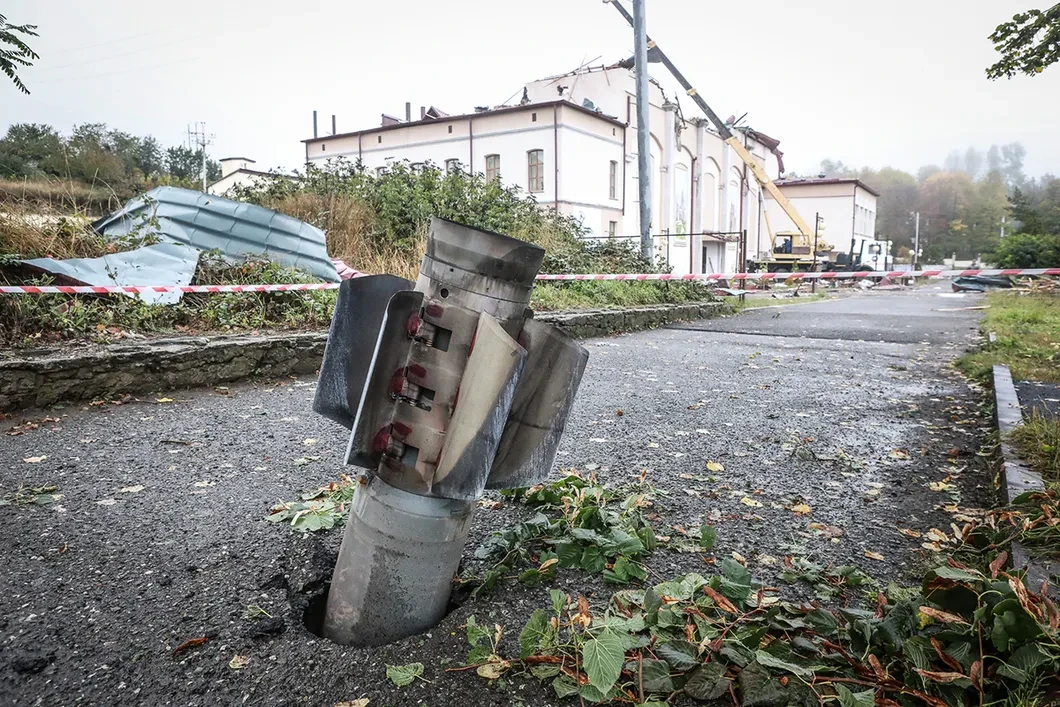
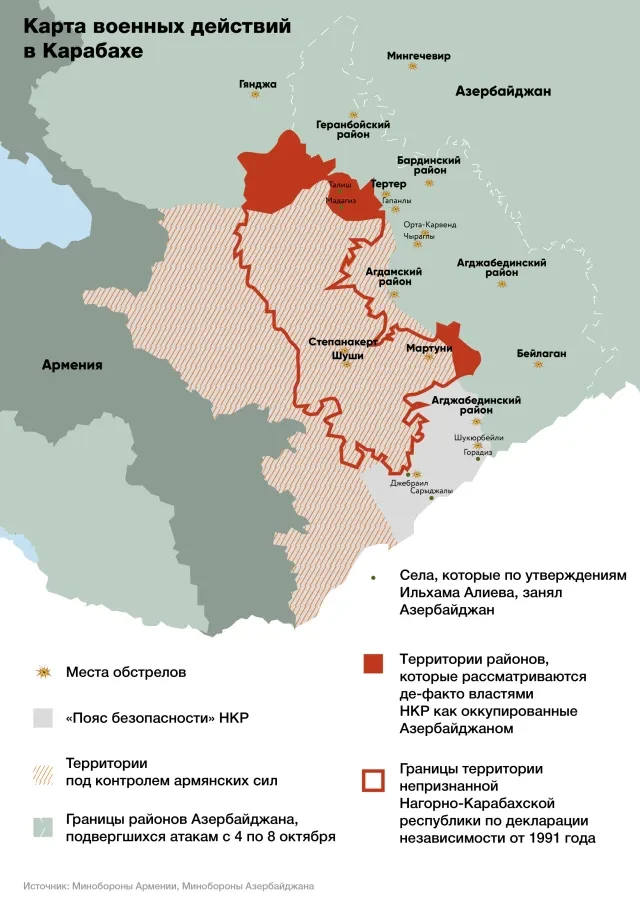
It is impossible to win without intercepting the initiative, but only fighting off, and therefore the Armenian command is looking for an opportunity to inflict a powerful counterattack and leave the impending defeat. On the southern flank, Azerbaijani tanks and motorized infantry advanced west along the plain of Araks’s plain along the Iranian border in the Dzhebrailovsky district. The Armenians fired at them with artillery and volley systems from the north from the Karabakh hills and hoped to overturn to the river so that they run to Iran to internom in, as it happened in the 94th at the last stage of the first war. Such a victory can raise the morale, seriously undermined in the Armenian units.
The Prime Minister of Armenia Nikol Pashinyan hastened to declare the alleged local tactical success in the south on October 7 “the real foundation of the final victory”, but this exaggeration rather reflects the growing despair of the Armenian leadership. According to the same Pashinyan, “in some areas the situation is very difficult,” and he asked for military personnel demobilized a year ago to voluntarily return to the service, since by law he could not mobilize them now.
Armenia is in almost complete geographical isolation. The only corridor for the flight of military transport aircraft with supplies from Russia from Russia runs through the Caspian and further through the Iranian airspace. But in recent days, not too accurate Armenian shells and missiles began to fly to Iran during border battles in the Dzhebrailovsky district. Tehran has already protested both sides, and his position on the unspoken support of Yerevan could change if the defeat of the latter becomes obvious.
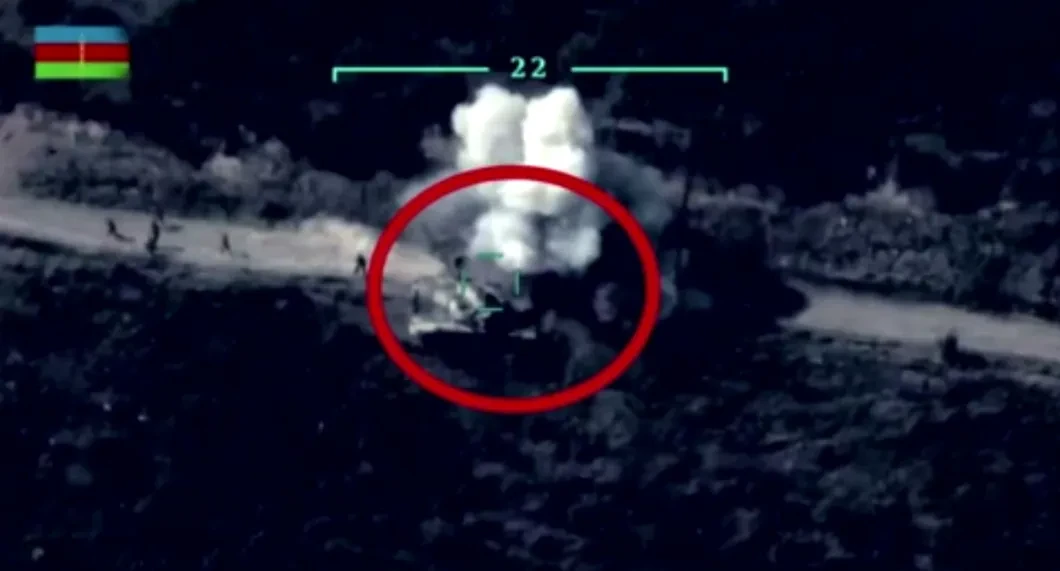
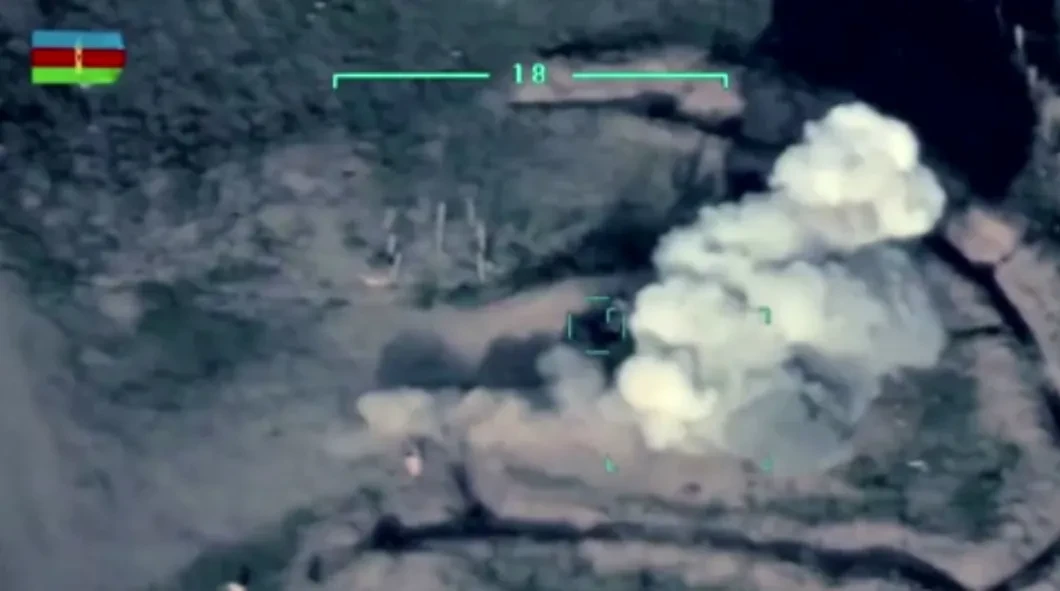
Azerbaijan has the possibility of delivery of military cargoes much wider and a regular air traffic with Turkey. The initial Azerbaijan was of high -quality superiority in modern weapons. In the course of the New War, the Azerbaijani Armed Forces captured and hold the initiative on all Karabakh fronts. In a protracted war of exhaustion, Armenia has little chance. Ankara fully supports Baku's desire to solve the Karabakh problem by military means. Russia - an ally of Armenia in the CSTO - announced that its obligations do not apply to Karabakh.
It is important for Moscow to maintain even relations both with Baku and Yerevan and prevent the deployment of large Turkish forces in Transcaucasia -
the transition of the entire region to the Turkish zone of influence. Yerevan receives some help and support, but secretly. To intervene and threaten, demanding an immediate truce, Moscow is not yet ready.
In such circumstances, the so -called “war of cities” may begin - mutual missile shelling of strategically important objects in the territory of Azerbaijan and Armenia, including the cities, possibly the capital. The necessary operational-tactical missiles of different ranges have both sides and the other side, and perhaps soon there will be a desire to apply them in order, for example, to activate Moscow’s obligations in the CSTO if Yerevan turns out to be under the blow.
If the Armenians lose the war and lose part of the Karabakh, or even the whole, as Aliyev demands with the support of Recep Erdogan, Pashinyan’s regime in Yerevan will fall.
Perhaps in Moscow they will not object much if the old Karabakh splinter is torn, and the problem is solved (albeit by the force), and the fall is potentially pro -Western, as they believe in Moscow, the current Armenian regime will be an additional bonus.
- The organization is prohibited in Russia.