
Translated material
Magnificent six and niiokht
Whom and why was punished for poisoning Navalny
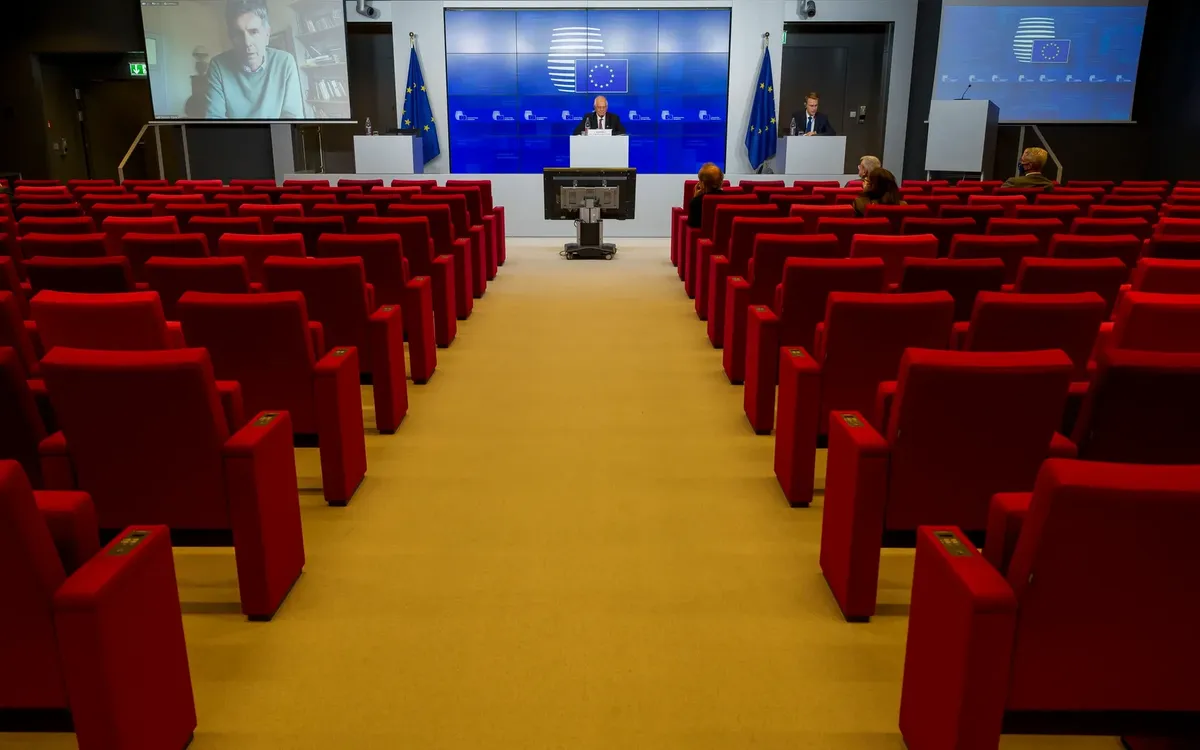
The sanctions of the European Union in connection with the alleged poisoning of Alexei Navalny entered into force. The legal document agreed between all 27 countries of the Union was published on October 15 in the EU official journal.
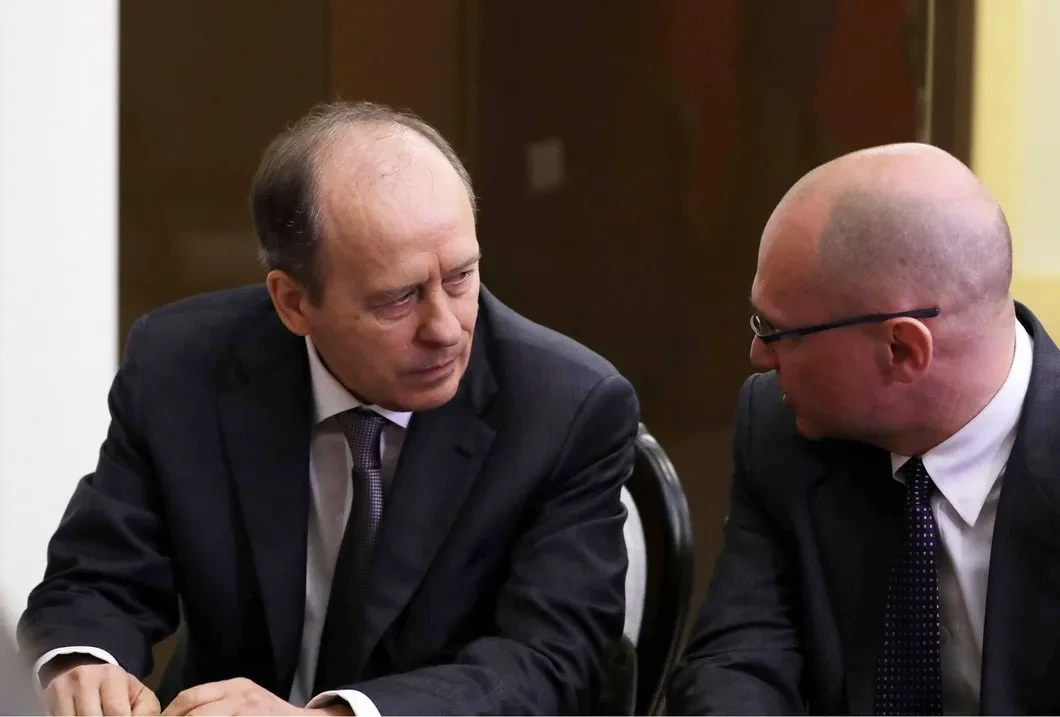
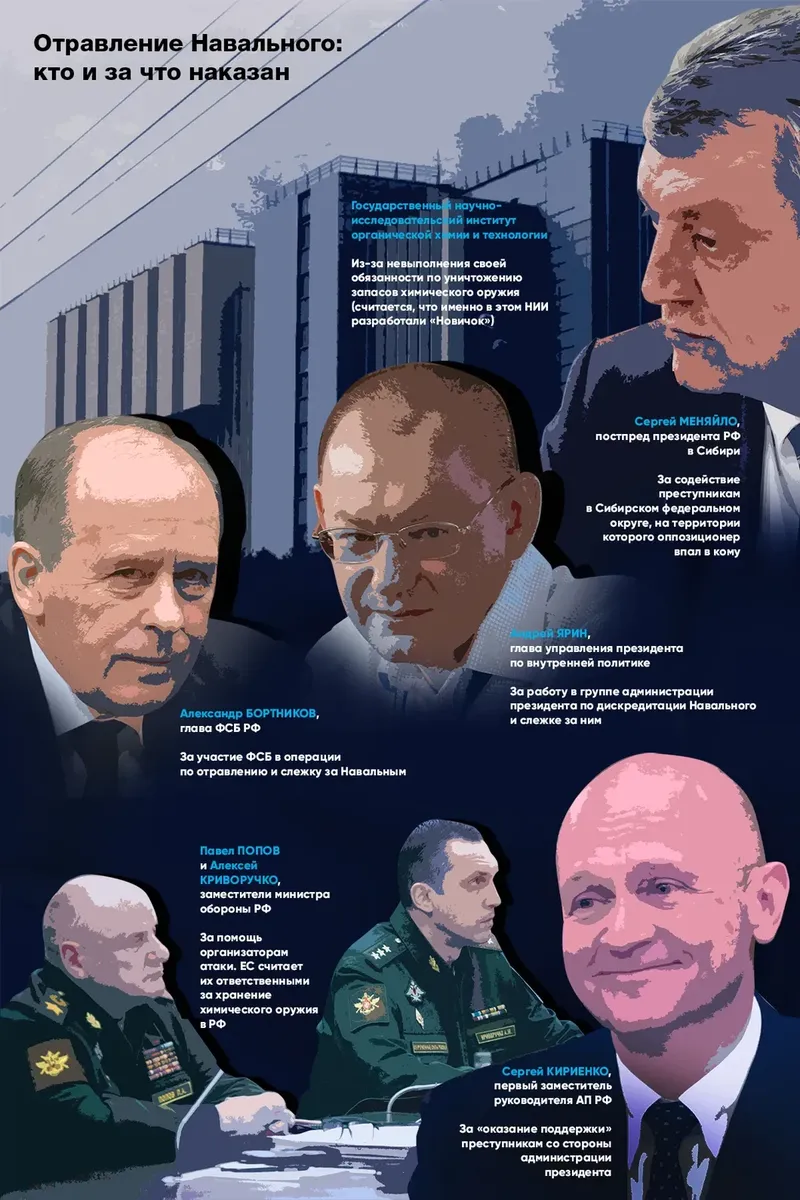
The list includes the director of the FSB Alexander Bortnikov, the first deputy head of the Presidential Administration Sergey Kiriyenko, the head of the presidential department of domestic politics Andrei Yarin, the plenipotentiary of Siberia Sergey Avoyailo and the deputy minister of defense Pavel Popov and Alexei Krivoruchko. Also, restrictions will affect the State Research Institute of Organic Chemistry and Technology (FSUE GOSNIIOHT), involved, according to the authors of the draft law, in the creation of a “newcomer”. The list is the same that appeared in a leak published the day before at New York Times.
Standardly targeted personal sanctions of the EU provide for the ban on the entry of the defendants in the sanctions list to the territory of any country in the Union and freezing their European assets. In addition, individuals and legal entities of the EU are prohibited from providing funds to the persons involved in the list. Typically, the EU is joined by such restrictive measures that formally inconsistent countries - members of the European economic space (Switzerland, Norway, Iceland, Liechtenstein), EU candidates, as well as the state associated with it (Ukraine, Georgia, Moldova). That is, a rather large and significant part of the world in all respects.
But such sanctions themselves do not cause noticeable practical damage, that is, they have a symbolic meaning. This is especially true for sanctions on the "case of Navalny".
Recall that the restrictive measures introduced by the European Union after poisoning in March 2018 in the British Salisbury of the former agent of the GRU Skripal and his daughter were directed against the head of the Main Directorate of the General Staff of the Russian Armed Forces (former GRU) Igor Kostyukov, his deputy Vladimir Alekseev, as well as “Salisberet tourists” Anatoly Chepigi (Ruslan Boshirova) and Alexander Mishkin (Alexandra Aleksandra. Petrova). That is, the alleged performers and their superiors, people who can somehow be associated with an incriminated action are “punished”. This time there is no direct and direct connection. The EU decision was purely political.
In addition, in the case of a bulk, a poisonous substance, although it was found by five independent European laboratories, was not used in Europe and did not pose a direct threat to the security of the EU countries. The sanctions were not imposed on the fact of an attempt on the life of a Russian politician, but in general for the use of chemical weapons prohibited by international conventions.
The initiators were the governments of Germany and France, which prepared the sanctions list and attached to it a report on 500 pages with evidence of the involvement of these persons in the use of chemical weapons. The report was presented to the Council of Foreign Ministers, which gathered on October 12 in Luxembourg, and the political decision was made without long discussions unanimously. None of the ministers was against it, the Spanish Socialist Josep Borrel, head of the EU diplomacy, emphasized at a press conference. Again, we recall that it took almost a year to coordinate the sanctions on Skripals.
Foreign Ministers of Germany and France argued their proposal by the fact that the use of chemical weapons occurred in Russia, only Russian law enforcement agencies can and should investigate it. However, the authors of the proposal did not see that the Russian government publicly analyzed the circumstances of the case on the merits, Russia did little to clarify them, moreover (which especially offended them), put forward absurd theories up to the statements that Navalny poisoned itself. This strengthens the impression of the lack of real interest in Moscow in clarifying the circumstances.
The EU reaction to the incident with Navalny cannot be considered an isolated case. Over a quarter century, journalistic work in Brussels, I observed a different attitude towards Russia. Not only in the political environment, but also in everyday consciousness. The difference is in views on freedom and order, on the relations of the state and man, on the role of territory and language, on sovereignty and openness to the world.
In the last fifteen years, mutual irritation has gradually accumulated. Especially after 2014. The overall atmosphere can be defined in one word: "Got it."
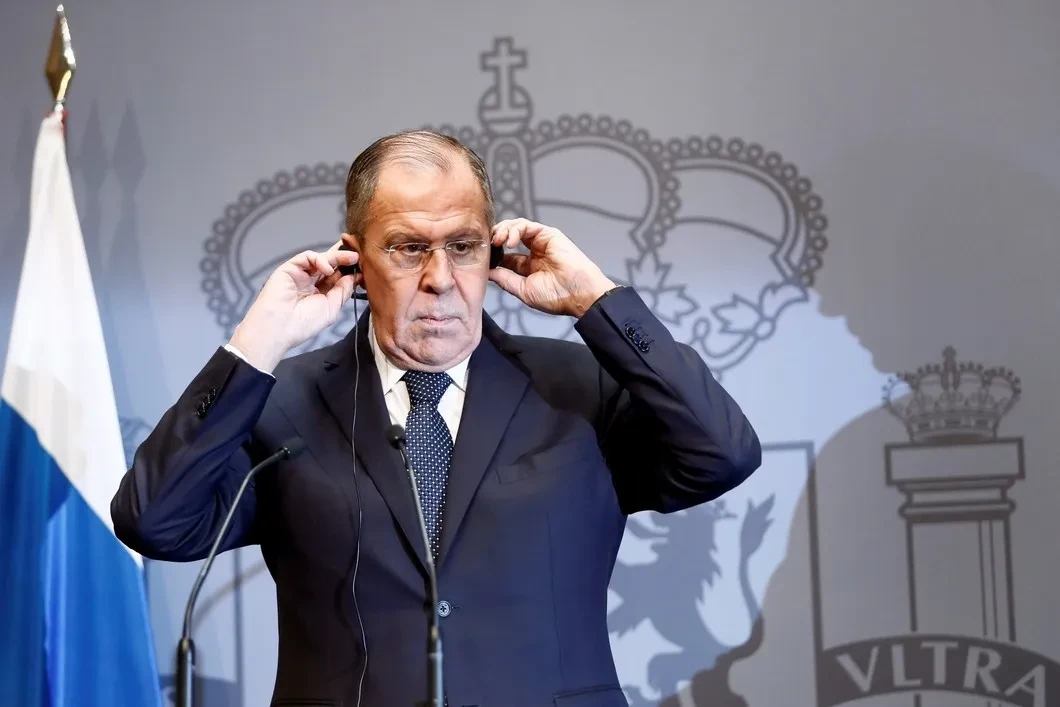
The head of the Russian Foreign Ministry Sergei Lavrov, regarding the “case of Navalny” and Belarus, even admitted that Russia should “just stop with them for some time ( *Western leaders.- *Ed . ) To communicate”, as they arrigally look at Russia. Especially the statements of the head of the European Commission Ursuly von der Lyaine touched him. Probably, her September performance in the European Parliament was meant with a report on the state of the Union. Russia there was mentioned by several proposals in a row with China and Turkey, with which Europe also has difficulties with mutual understanding.
She has a strategic partner, but at the same time an “economic competitor and a system rival”. He is just “different”. He and the EU "promote completely different management systems and society." Turning to “those who advocate for closer ties with Russia”, she said that Navalny’s poisoning is not an accident. “We saw examples in Georgia and Ukraine, Syria and Salisbury, as well as in interfering in the elections around the world,” the head of the European Commission said. “This template does not change, and no pipeline will change this.”
What strategic partnership can we talk about if the purpose of the relationship has come to the iron pipe?
But the symbolic nature of the sanctions “for Navalny” shows that Europeans have reduced the original degree of emotions and intend to interact with Russia where this interaction can give results.
The same Borrel immediately after the meeting of the EU Council called Lavrov. He began with gratitude for his efforts in negotiations by agreement on the ceasefire of October 10 between Armenia and Azerbaijan. Then he complained that Lukashenko did not respond to the OSCE offer about the inclusive dialogue in Belarus. Finally, he reported sanctions on Navalny, noting that the Russian government should conduct a thorough investigation in conditions of complete transparency. He recalled the need to fulfill the Minsk agreements as a key moment of improving the EU relations with Russia. Having wished to maintain open communication channels and expand cooperation where it is possible, Borrel said that the EU will continue to defend its interests and values.
In response, Lavrov noted the injection of anti -Russian sentiments in the EU and “creating new irritants under far -fetched prepositions” in relations with Russia, advising “to abandon attempts to conduct business from the standpoint of their own superiority”.