
Translated material
Hear me, good
Grebenshchikov released the album in support of the homeless. What will the money go
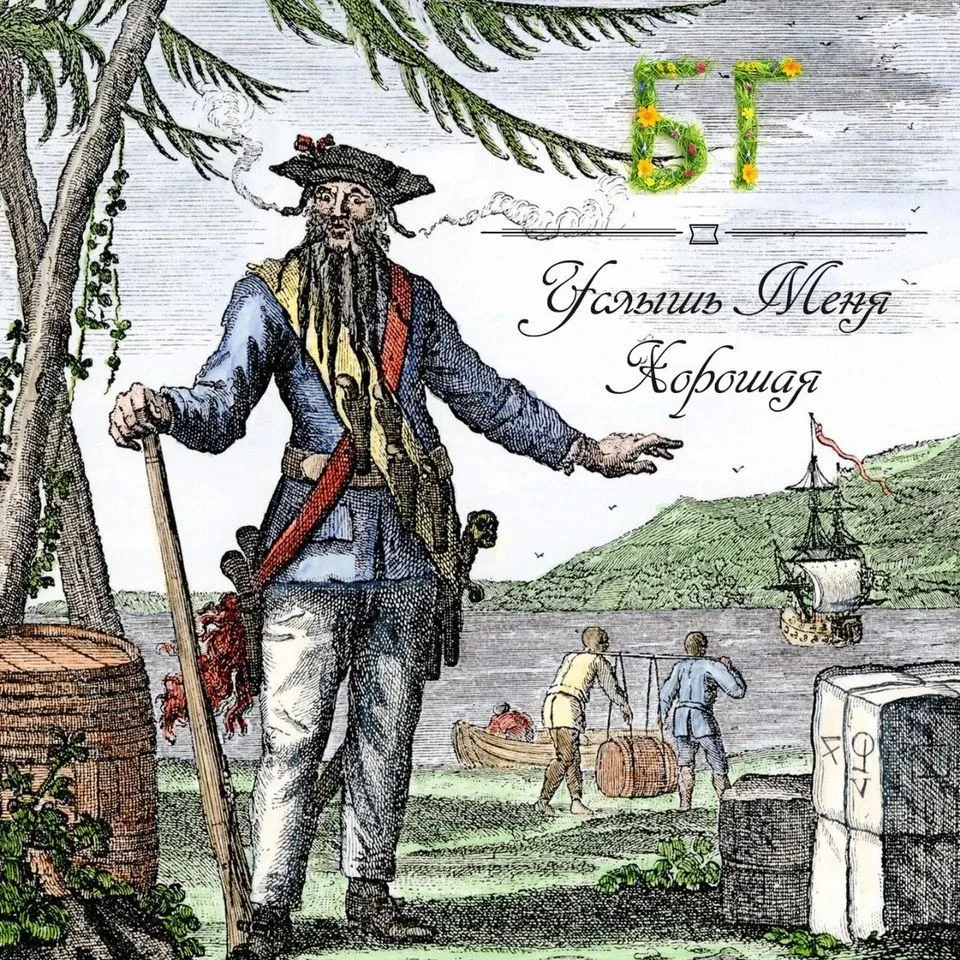
This album was supposed to be released four years ago under the name "Golden Bouquet". So called the famous songwriter of 1898. But then it did not work out due to copyright problems. The fact is that the Grebenshchikovsky thing itself is only one-Katya-Katerina plus the instrumental "North-West". The rest is folk songs and songs of the Soviet era. "Bouquet" came out only now. Grebenshchikov posted it on the website of the St. Petersburg "Overnight". Now it is called "Hearing me, good."
On the first day, the album raised 250 thousand rubles in favor of the homeless Peter. The good ones listened and heard.
This is not the first and not the second time when the rowers helps homeless. Director of the Overnight Grigory Sverdlin says:
“We are in touch with Boris Borisovich all the time. Either we ask to star in a charity video, we are discussing a concert for the "night". And somehow, in between, he said that he has an album that he is ready to give us. Naturally, we were delighted. It took three months to agree with all the copyright holders. It did not work out only with the song "Dark Night", everything else from the "bouquet" entered the "good". As a result, the album was released for free, but with the ability to make donations. ”
Why didn’t I manage to clean the rights, but was the “overnight stay”?
The reason is simple: non -profit use, no one is going to make a profit from this project.
The album will not appear on streaming platforms and on physical media. “Good” is a charity release officially laid out on a single site. And this is another attitude and other rules of the game.
Question to Sverdlin:
- Where will the money collected by BG go?
- At the heating points that we now put in the city. These are large heated tents, in each 50 people can spend the night. Help from Boris Borisovich came very on time. Already at the end of March, we doubled the number of appeals for help and food from the homeless. And it continues to grow.
The economic crisis was already a factor in our life, and quarantine sharply strengthened it. Previously, people had money to rent housing, now not.
The work was, now not. And all, a person refuses on the street. And on the other hand, the business is in a difficult situation. And companies that supported us for many years can no longer do this. This also applies to private donations. Those who previously donated a thousand now give 500. Everyone has very little money.
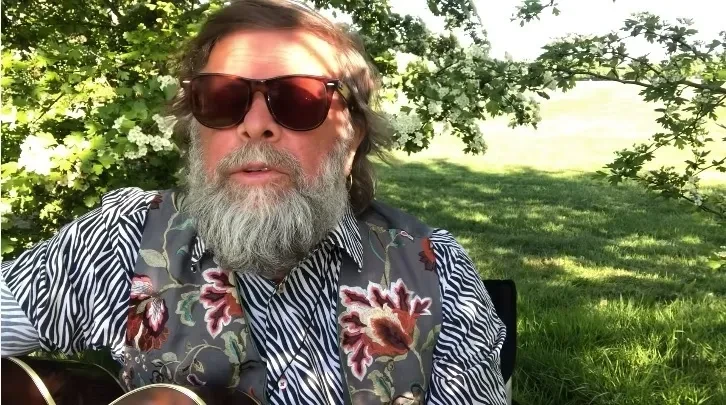
The songs included in the album began to play the nineties. Part was recorded for the "Mitkov" collections. The romance “I dreamed of a garden” - for the film “Azazel” on Akunin. Something was scattered through boots and concert records or just hanging for a long time on the Internet ownerless. But in general, this is the Grebenshchikovo version of “old songs about the main”, and most importantly, according to BG, mercy and love.
Most things are directly related to the theme of homeless, destitute, poor. The song “Small rain was held in the Vatican” (Vysotsky sings in the film Kira Muratova) - of those under which the poor asked for alms in electric trains. "House" to the verses of Oleg Grigoryev as if specially written about the clients "Overnight":
The stable is the house of the horse,
The barn - the house of the cow,
So why am I
Without home and without shelter?
You are a poet, not a horse,
You are a bum, not a cow,
Everywhere under the sky house ...
Do you want a shelter?
Yes, and Grigoryev himself was essentially homeless all his life.
Grebenshchikov told in his program “Aerostat”:
“I was lucky once to meet with Oleg Grigoryev in the workshop of Alexander Florensky. For the first time I was faced with the stunning dignity of intelligent homeless people: people who do not want to fit into the generally accepted "cross-cut" marking of life. "
And several songs from Soviet films: “The Blue Ball is spinning,“ The youth of Maxim ”,“ When Spring comes, I don’t know ”(“ Spring on Zarechnaya Street ”),“ Song of the counterclaim ”(“ I met ”) ...
But even the state -owned Soviet optimism Grebenshchikov managed to humanize.
In his mouth, they sound like songs of hope, a reminder that it is not all over yet. And the older the song, the more sad. You listen and understand: over the past 100-150 years, little has changed. People are still unsettled, defenseless, weak and very much need help.