
Translated material
Pulled out Cheka
The dismissal of the first deputy of the FSB provoked a war of incriminating materials. Whom will Putin choose for a key position in Russian special services?
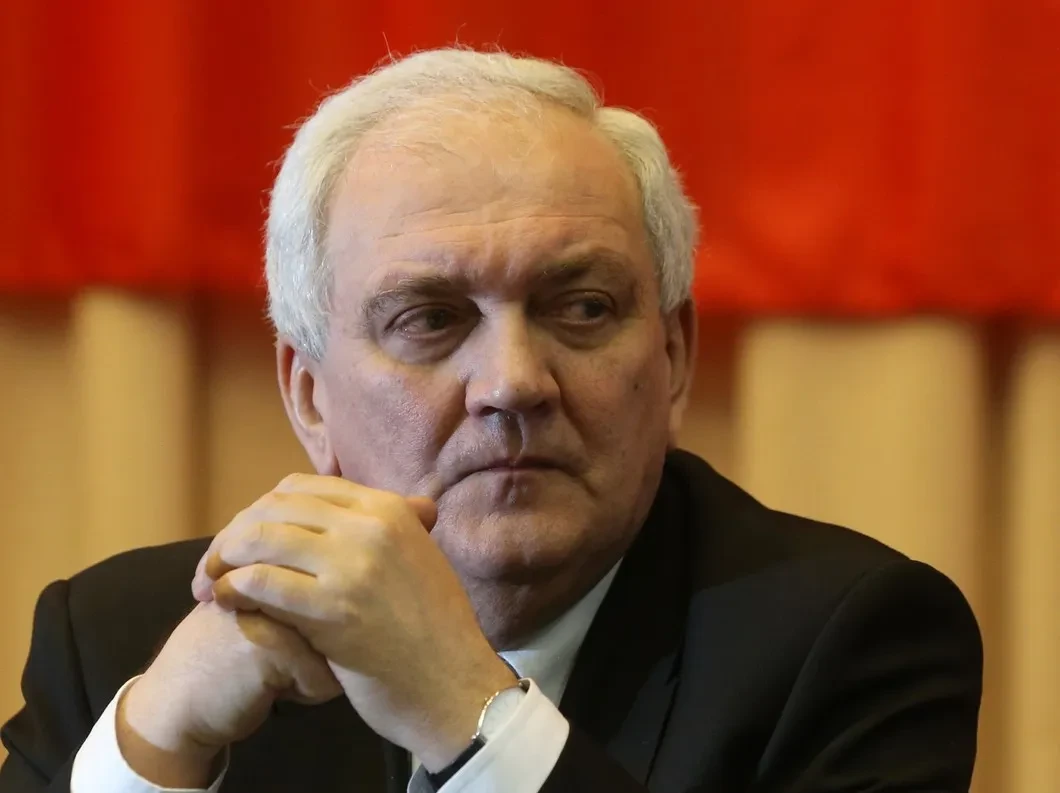
On October 22, the president signed a decree on dismissal from service and dismissal from his position by the First Deputy Director of the FSB Army General Sergei Smirnov.
The very dismissal of the general, who had been working in this position, was expected for seventeen years. On October 12, Smirnov turned 70 years old - the maximum age of being in the FSB service.
However, two circumstances are noteworthy: a quiet, non-not-staff retirement of the president’s once trusted person and the fact that the dismissal of the iconic-the president finally made a decision with whom he had been pulling for a very long time: who will become the successor of Smirnov.
And this appointment, apparently, can stop the war of power groups for the position of the first deputy.
Smirnov, firstly, was the first first deputy (the second first leads the border service, but his influence does not apply further) and replaced the director of Bortnikov during his absence. Moreover, he was with the head de facto on equal terms, since once Bortnikov went to his subordinates (in the St. Petersburg department of the FSB).
The first deputy Smirnov, secondly, oversaw the key services of the department: economic security (SEB), the Service for the Protection of the Constitutional Order (ZKS) and military counterintelligence.
And it was these services for the past few years that were shaken by serious scandals. So, the conversations that General Smirnov was leaving went back in 2017.
In addition, the general also found health problems: he rarely began to appear in the service, where he often spent time in the wards of the departmental hospital or in the sanatoriums of the FSB.
But finally, everything was decided last spring, after the arrest of the head of the 2nd department of the KO department (is responsible, including for the banking sector) of the FSB economic security service, Colonel Kirill Cherkalin, in three apartments of which during the searches, money was discovered for a total of 12 billion in ruble equivalent. Together with Cherkalin, two more FSB colonels - Dmitry Frolov and Andrey Vasiliev in prison cells.
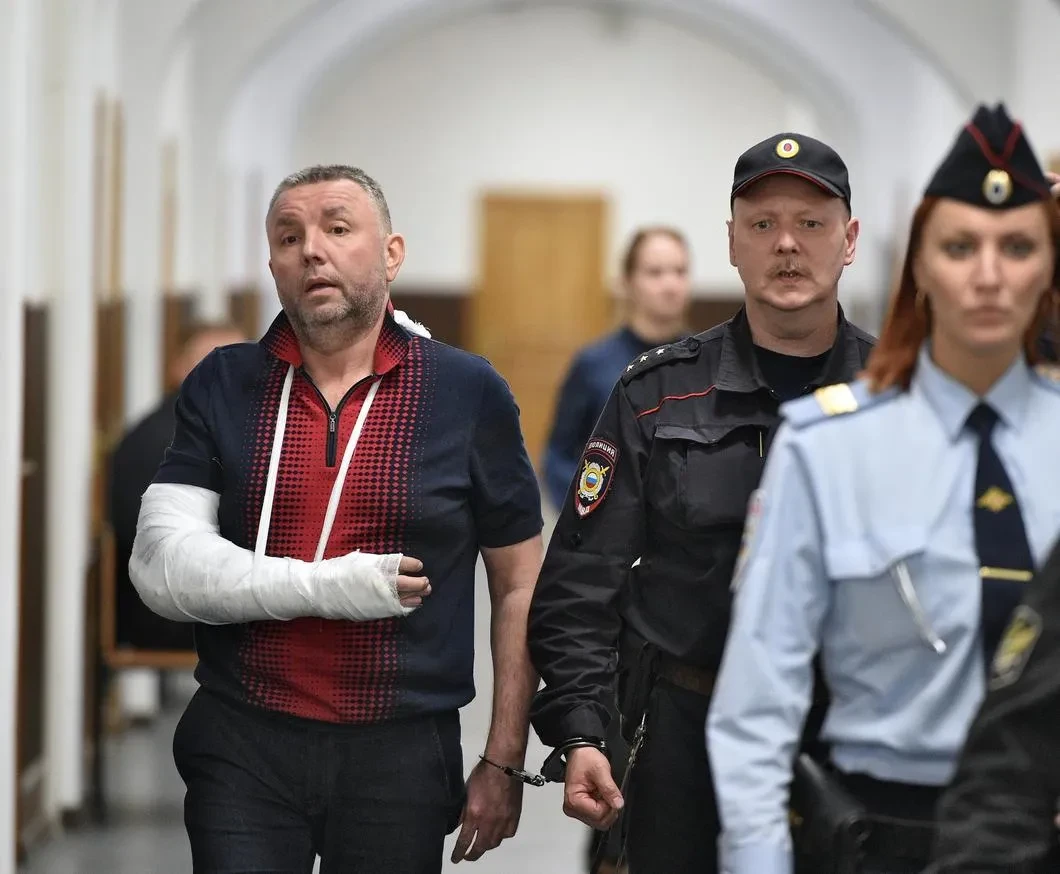
Cherkalin is Smirnov Creature. In 1998, being the head of the FSB Office, Smirnov issued Cherkalin, and he entered the service and 13 years later, in 2011, headed the banking department of the KO department.
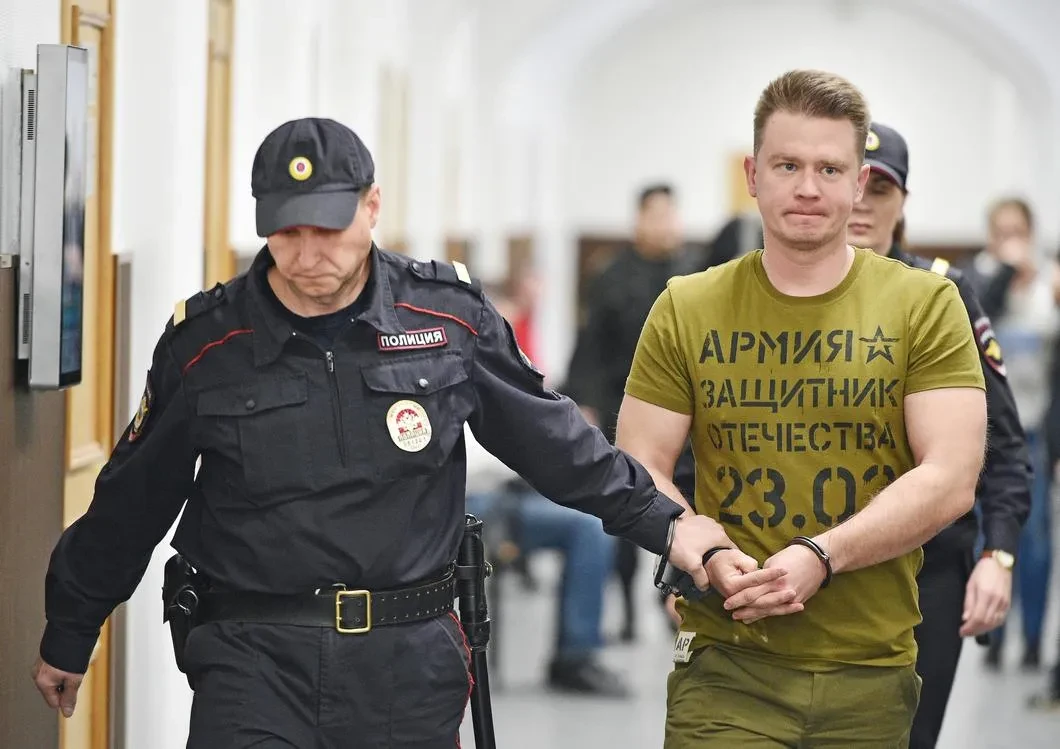
When the management of the Office changed in 2016, Cherkalin turned out to be one of the few officers who retained their position. And this is despite the fact that he initially unheated relations with the new leader-at that time a colonel, and now Lieutenant General Ivan Tkachev. Cherkalin, violating subordination, openly ignored the head of the department, having direct access to the office of the First Deputy Director. At the time of the arrest of Cherkalin, Smirnov was in the hospital.
But the president did not use the trick “for health reasons” to dismiss the general.
Putin trusted Smirnov, and the general biography gives reason to understand why.
Smirnov graduated from the Leningrad Special School No. 211 with an in -depth study of the French language. His friend-classmate was Nikolai Patrushev, who served as the director of the FSB in 1999-2008, now the secretary of the Council of People's Commissars of Russia.
After school, friends-graders graduated from civilian universities, but in 1974 they entered the service in the KGB together, unlearned together at the highest courses of the committee in Minsk, in 1975 they returned to their hometown together, receiving the distribution to the Leningrad Administration of the KGB.
By 1998, Sergei Smirnov rose to the modest position of the head of the Kingisepp city department of the FSB. And he was already going to retire. But in 1998, Vladimir Putin was appointed director of the FSB, and Nikolai Patrushev became his deputy. He remembered his friend. Smirnov made a rapid career rise, moving from Kingisepp to the central apparatus of the FSB and heading the department of his own security of the department.
In July 2000, shortly after Putin took office, Smirnov was appointed Deputy Director of the Federal Security Service. In January 2001, he returned to his hometown by the head of the department of the FSB of Russia in St. Petersburg and the Leningrad Region. Having served in this position for 2.5 years, in June 2003, Smirnov was appointed to the post of First Deputy Director of the FSB.
But not only this is why in the spring of 2019 (after the arrest of Colonel Cherkalin), General Smirnov was not dismissed from the service.
A much more serious basis was that the presidential “bench of the spare” was short -term.
No, there were many applicants, but the president did not trust someone, someone launched too dirty wars in the interests of his own career, while others left professional qualities to be desired. In order to evaluate the intensity of the struggle, it is enough to recall: from the post of the first deputy to the director’s chair is one step, especially since the current head of the service Alexander Bortnikov is also far from young: on November 15, 2021 he will be 70.
The deferred dismissal of Sergei Smirnov was the trigger for the war of compromises, which took on an unprecedented character. The main arena of military operations was telegram channels, in which they began to publish stuffing with the names of the characters, which "Putin is about to appoint instead of Smirnov." In parallel, other telegram channels dumped incriminating evidence on the “applicants” and the Services of the FSB, which they head.
Most often mentioned the names of the head of the economic security service of the 58-year-old Colonel General Sergei Korolev, the head of the K of the 50-year-old Lieutenant General Ivan Tkachev, the former head of the Mr. Directorate (control over law enforcement agencies), in April 2018, who transferred to the post of deputy head of the SEB, farm-Lieutenant General Sergey Sergey Sergey Alpatova. The more often these generals of the telegram channels predicted career growth, the more other telegram channels “fired” them from the service.
And this despite the fact that in the Russian -language segment of Telegram there were no channels focused on publications about the “secrets of the security forces” that would not be supervised by FSB operatives. The latter, dependent only on money, the Channel of the Cellon Channel was quickly deanonymized and eliminated at the beginning of this year.
The FSB Clans War turned into the fact that even documents with the Grif “Secret” began to merge in telegram channels.
And this is already fraught with the beginning of an irreversible process of degradation of special services.
Uncertainty could not continue endlessly. And the president could no longer help but make a decision. And, as our sources shared, not one of the applicants will be appointed the first deputy director of the FSB whose name was lit up in the wars of recent years. This is characteristic of the president, as well as the fact that most likely the cherished position will take a native of the FSO.