Date
Author
Юлия Дудкина, Юлия Любимова, Софья Игинова
Source

Preserved copy
Translated material
"I felt like a pet on a leash"

How parents monitor children with gadgets
There are many devices and mobile applications on the market that allow parents to control what their children do: what sites they visit, where they go for a walk. Some programs even allow you to listen to children's conversations. In a poll conducted by the research center, 48% of parents in the United States admit that at least once they looked at calls and messages on their children's mobile phones. 39% of parents used special applications to monitor their Internet activeness and limit it, and 16% used gadgets to observe the geolocation of the child. "Cold" tells how the children live, who are constantly monitored by their relatives, and how the application for surveillance affect relationships within the family.
In order not to miss the main materials of the "cold", subscribe to our Instagram and telegram .
“Two years ago, I began to be afraid of my mother,” says Natalia (the name was changed at the request of the heroine). “I thought all day about the fact that perhaps right now she was watching me and listening to what I was saying.” Natalya 16 years old, until recently, she lived in Nizhnevartovsk. She recalls: from childhood, my mother tried to control what she was busy, where she goes and with whom she communicates. “She took my mobile phone from me,” says Natalia. “I read the correspondence, checked the history of search queries in the browser, watched the photo.” If mother did not like what words her daughter uses in messages, she made comments. The images that seemed inappropriate to her could remove. When Natalya went for a walk with friends, her mother often called her and wrote SMS to find out where she was and if nothing bad happened to her. Such concern was tired, but Natalya tried to treat this with understanding. “Mom just always worried about me too much,” she says.
“When I was 14 years old, my mother installed an application on my phone that could follow me,” the girl recalls. “She did not ask for my permission, she just loaded the program.” It turned out that with the help of the application, the mother can track the geopolit of Natalia around the clock and listen through the speaker what is happening around her daughter - how she answers in the lessons and what he talks about with her friends.
“After the lessons, I went for a walk with friends, and my mother began to call and interrogate: why I didn’t go home, with whom I went, where,” recalls Natalya. “I was constantly alarming, I began to be afraid to walk anywhere at all.” If, in a conversation with friends, Natalya used the words that her mother considered “bad”, she was waiting for a serious conversation at home. “I began to hide the phone deeper into my backpack or, conversely, hold in my hands and constantly clamp the speaker with my finger,” she says. - Even through the application, my mother could record my telephone conversations and then listen. It was so unpleasant that I stopped communicating with friends on the phone. ”
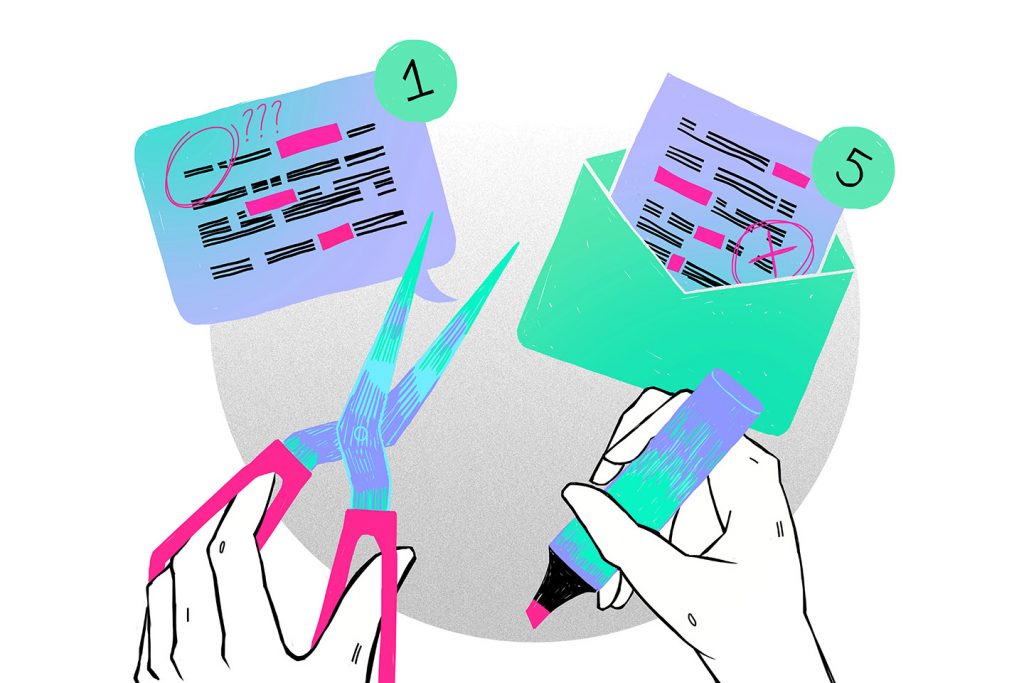
According to Natalia, constant conflicts began in the family. She asked her mother to delete the application, convinced that "it was abnormal." Mom replied that everything she did was for the good of her daughter. “In addition, the program also worked with malfunctions,” Natalya recalls. - For example, I came home, call my mother. And she does not believe that I am at home, because the application shows her to my geopolita in another place. It could show in the middle of the day that I left the lessons somewhere. Mom cursed, and I told her: “Call the teachers, ask, let them confirm you that I didn’t go anywhere.”
This lasted about six months. According to Natalia, she had the feeling that she was constantly being followed. She was uncomfortable even at home - it seemed that she could not be alone anywhere. “I became very nervous,” she recalls. - There were discomfort in the chest area. Sometimes I suddenly felt a strong sense of panic just like that. ”
Natalia no longer walked with friends after school, did not talk on the phone. After about six months, the mother stopped so actively monitoring her daughter’s life - it became clear that nothing unusual in her was happening. Gradually, she completely forgot about the application, and Natalya deleted it without saying anything to her. But even now, a few years later, she still does not like to talk on the phone or broadcast her geopolition to friends in messengers.
“Now I went to another city to study,” says Natalya, “so my mother does not control me anymore, it became useless. But, although the story with the application remained in the past, it seems to me that relations with my mother will no longer become the same. I can never trust her again as before. ” According to Natalia, she no longer wants to be honest with her mother. "Why tell the truth if she still believes not to me, but to the application that makes mistakes?" She argues.
"My care and your freedom"
The program used by Natalia's mother is called "where my children." This is a Russian application that today is used in several dozen countries. It has 1.2 million active users around the world, and the number of downloads on Google Play exceeded 10 million.
“Where are my children” works in conjunction with another application - “Pingo”. The first is installed on the parent phone, the second - on the child’s phone. Applications allow parents to see where their child is, monitor the battery level on his phone. Using the application, the parent can send the child a loud signal if he has a sound is turned off or he does not hear a call. “If your child has Android, then several more interesting functions will be available to you,” the application website says. “Recording a child’s conversation on a mobile and recording sounds around him, as well as a weekly report on time in a particular application on a smartphone.” There are no Apple devices on these functions. As explained in the company "Refrash", which has developed the application, "in Apple smartphones, the function is not available, as the manufacturer prohibits managing his devices from other devices using the development of third -party companies."
Clarification after the publication of the text from the review of applications on the site “Where are my children” disappeared that the program has the function of recording a child’s conversation on a mobile ( archival copy ). The cold-developing company Kholoda reported that they never had the opportunity to listen to telephone conversations, and the publication on the blog on the site contained an error. At the same time, in September 2019, the technical support of the application argued that “it is impossible to include listening to the child’s call” ( a copy of correspondence in the VKontakte group). The company "Cold" said that this option of wiretapping was the result of a technical error, which was "identified and eliminated." “Such functionality has never been conceived and will not be supported in the application,” the developers assured “Where are my children.”
According to the creators, the application should help parents whose young children go to school or walks on their own. The creator of the program Vadikh Giniatulin is sure that parents who know where their children are located will be less likely to call them and ask: “Where are you?” He says that, creating the application, he took care of the interests of children - the program is arranged so that it cannot be installed on the child’s phone without his knowledge. “You must talk with your child and say: this is not total control and not dictatorship, but my concern and your freedom,” says the entrepreneur. - I will have more information, and I will be less worried, less often you call and let you go for a walk longer. The fewer unrest, the fewer restrictions. ”
The materials on the website of the “My Children” applications say that the installation of the program should be voluntary. The authors argue that “in Russia, for example, more than 700 thousand children have already given their consent to install the Pingo application.”
Parents are advised not to use wiretap and recording conversations if children are more than 12 years old. The authors of the materials emphasize that these functions are needed for emergency situations when a child can threaten a serious danger, and not in order to constantly follow him. Parents are offered to discuss with children what kind of application functions they want to turn on, and which they want to turn it off. “Wiretap is the main stumbling block in the attempts of parents to agree with the children to install the application. If the child is categorically against this function, do not insist. It is better to invite him with you to turn off the listening function in the settings, ”the site says.
But in practice, many parents use the application in a completely different way.
“When I was 12 years old, my parents saw on YouTube an advertisement for the application“ Where are my children ”and decided to install it,” says Oksana (name changed) from Moscow. - They said it was for security, and I agreed. But my parents did not tell me that you could listen to conversations through him. ”
Oksana says: once she returned from school with her friends. On the way, they discussed lessons and teachers. “I rarely use obscene words, but that time I could not restrain myself and cursed a couple of times,” says Oksana. “And then a message from my mother came to me: she warned that she was going to talk seriously with me at home.”

It turned out that my mother heard the whole conversation. “My mobile phone was taken from me,” says Oksana. - We read all the correspondence, deleted accounts in social networks. Mom told me for a long time that swearing is very bad, and took a smartphone for five months. ” When the sentence expired and parents returned Oksana the phone, they continued to monitor her movements and listen to conversations. Because of this, quarrels often occurred in the family. Oksana says that now it was difficult for her to communicate with friends as free as before. She always thought that they could listen to her. Because of this, she began to feel superfluous in companies. According to her, she “lost touch with friends”, she was lonely.
A year and a half ago, Oksana noticed that she feels strange. She says that she often began to feel unreasonable anxiety, she had obsessive thoughts. “I became very demanding of myself,” she recalls. “It seemed as if it was preoccupied with the order around me, constantly placed and laid it out in place.” During a planned physical examination, the psychiatrist said that Oksana OKR has an obsessive-compulsive disorder in which a person has obsessive thoughts or actions. Many experts believe that people who are very anxiety or suffering from depression are at risk of developing the OCR. Most often, this disorder first manifests itself when a person experiences severe stress and difficult events.
“I studied with a psychologist,” says Oksana. - We analyzed special techniques to reduce anxiety. Now I feel much better, my disorder no longer gives me serious difficulties. Although at first, when the symptoms only appeared, it was hard. ”
Oksana’s parents, having talked with a psychiatrist, decided that the daughter’s psychological difficulties appeared due to a large educational load and additional classes. “I really study a lot,” she says. “But it seems to me that the application with wiretap also influenced my condition.” Anyone will begin a disorder if they follow him. ”
Now Oksana is 14 years old. The application “Where are my children” is still installed on her smartphone. But over time, parents stopped listening to her. “I am a homebody,” she says. -Not so often I go somewhere. So there is especially nothing to listen to. ” Parents continue to check what kind of applications Oksana use and how long it spends in them. She says that “she’s getting used to such a situation,” but still misses at the time when there was no application. “Previously, my parents were interested in me - they asked how things and how the day went,” she says. “And now I feel more constant control than interest.”
"Parents are not in themselves"
“Where are my children” is one of the most popular “parental” applications in the market, but far from the only thing. Today in the world there are about 600 applications that allow one way or another to track the child’s location and control what he does on the Internet and what programs use on a smartphone. In addition to applications, there are also built -in functions on mobile devices, services that communication operators offer users, and special options in computer operating systems.
Parental control software appeared on the market back in the 1990s. One of the first “parental” programs - Net Nanny - was developed in Canada and began to be sold in 1995. It was a web browser that could filter content, block images of 18+ and non-normative vocabulary. By the end of the 2000s, the function and application for parental control became available not only on PCs and laptops, but also on mobile devices. In 2007, the American mobile operator Verizon invited customers to use filters that block content that is not suitable for children. In 2009, Apple began to produce smartphones with built -in parental control functions. Along with the development of GPS navigation in smartphones, applications that can not only filter content, but also monitor the location of the child are popular.
In 2008, the American Life360 application appeared - one of the most popular programs in the world, including parental control. Life360 allows you to monitor where your relatives are. You can also send each other a SOS signal in a critical situation. By 2018, the number of active users of the application reached 18 million people.
In 2019, a large discussion around the application began on Reddit. In a branch called “Parents Not in themselves” there was a record with a screenshot of correspondence between the student and his mother. “Do not leave the territory of the campus,” she wrote. “The mood of the Life360 application so that it constantly monitors your geolocation.” The student replied that this function is already included in the settings. “I received a notification that you turned off the geolocation,” the mother wrote. “Please turn it back.” The author of the screenshot clarified that he was 18 years old and he is studying at college. The recording has collected more than 32 thousand reactions and about two thousand comments: many users said that it was unethical to control the lives of adult children using the application.
Chris Halls - the creator of the Life360 application - found out about this discussion and created his own branch on Reddit, where he suggested asking him any questions about the application. When he was asked how he relates to the fact that for many parents Life360 becomes an instrument of psychological violence, he replied that until now, "these questions have not risen." In another response, he explained: “I understand that there are times when people abuse the application, but still I am proud of what our team does. I myself and many others use the program, because it makes life easier and gives peace of mind. ” He later commented on Washington Post and explained: in his opinion, people talking about psychological violence are just a “small group that does not reflect the mood of the main audience of the application.”

Children's clinical psychologist Irina Katin-Yartseva explains: if there are problems in the family because of parental applications and gadgets, then the problem is not in gadgets. These are only tools that can be used reasonably, but you can - to the detriment of yourself and the child. According to Katin-Yartseva, there is nothing wrong with tracking applications, if they are used only for the sake of security. “We all live in different cities and areas,” she says. “There are places where there are really great chances to be attacked.” But a completely different matter is when parents use applications to constantly keep the child under control.
“It happens that the parent does not just worry about the child, but wants to completely control how he behaves when he is outside the house,” the psychologist says. - This may be due to the high anxiety of the parent. Perhaps, in some situation, a person felt completely helpless, and it settled in it so deeply that he unconsciously tries to control everything around. ” It also happens that the child is not perceived as an individual. “In this case, the parent feels the child part of himself,” explains Katin-Yartseva. - It seems to him natural to make all decisions for the child: how to communicate with whom to be friends. For a child, this is a difficult situation, it can lead to unpleasant consequences. A person does not learn to live independently, make decisions, he becomes quite defenseless. ” Anyone who is not used to controlling his life may not learn how to listen to himself and to the signals of his body. According to a psychologist, in the future such a person has a more chance to be in a dangerous situation than one who is used to trusting himself.
If the child resists control, conflicts may begin in the family. In the end, they can even lead to physical violence - both from the parents and from the child. A child who is trying to control can be closed in himself, learn to masterly lie. “The more the parent violates the borders of the child, the harder there may be the consequences,” says Katin-Yartseva.
Марина (имя изменено) из Энгельса считает, что чрезмерное желание контролировать жизнь дочери — это именно то, что заставило ее родителей установить трекинговое приложение на ее телефон . «Мне 17 лет, программа стоит у меня уже два года, — говорит Марина. — Через нее родители почти каждый день прослушивают меня и мою сестру. Они часто говорят, что мы с сестрой ведем себя как-то “не так”, мол, мы много смеемся и обсуждаем корейских музыкантов». Марина объясняет: родителям не нравится, что она «несерьезная». Они говорят, что нужно думать об учебе и поступлении в университет, а не «обсуждать своих корейцев».
Кристине (имя изменено) 14 лет, и она живет в Ейске. Она рассказывает, что мама заставила ее установить приложение, потому что ей стало казаться, что дочь ее обманывает. «Я не знаю почему, — говорит Кристина. — У нас были хорошие отношения, я ничего от нее не скрывала. Четыре года назад у меня появился отчим, он почему-то стал постоянно говорить, что я “неправильно воспитана”, “лазаю не пойми где, не пойми с кем”. Постепенно и мама стала так думать».
Кристина вспоминает: несколько месяцев назад мама стала намекать ей, что она «слишком много общается с мальчиками». Спрашивала: «Ты же знаешь, кто так делает? Ты же не хочешь быть такой?». Вскоре после этого она увидела на YouTube рекламу приложения «Где мои дети» и решила его установить. «Прослушку она не использовала, — говорит Кристина. — Но все равно это было ужасно. Я заходила в гости к друзьям, а она начинала звонить мне и расспрашивать, чем я там занимаюсь. Если у меня переставал ловить интернет, она получала об этом уведомление, звонила, ругалась и требовала, чтобы я шла домой».
Отношения Кристины с мамой испортились. «Стоило мне куда-то пойти, она звонила и кричала: “Почему ты не сказала мне, куда идешь?” — вспоминает Кристина. — Я отвечала: “Зачем я тебе буду говорить, если ты сама можешь посмотреть?”». Мама часто угрожала, что включит функцию прослушки и выяснит, что ее дочь обсуждает с друзьями. «Я нормальный ребенок, — говорит Кристина. — Прихожу домой вовремя, помогаю родителям. Мои друзья ничего предосудительного не делают. Мне всегда было нечего скрывать, я не боялась рассказывать маме, если выпила немного алкоголя, она знает, что у меня есть вейп. Я не понимаю, почему она стала меня в чем-то подозревать».
Кристина спорила с мамой, ругалась, несколько раз удаляла приложение, после чего мама решила записать дочь к психиатру, потому что та стала «агрессивной». «Врач диагностировал у меня депрессию, — говорит Кристина. — Прописал таблетки. Я и сама заметила, что стала очень дерганой и напряженной. Мне кажется, это естественно, когда за тобой вечно следят».

В похожей ситуации оказалась и Анна (имя изменено) из Москвы. «С помощью приложения мама подслушала, как мы играли в “правду или действие” с друзьями — я тогда говорила о своей ориентации», — говорит она. Анне 14, она бисексуальна. Она и раньше говорила об этом маме, и та реагировала на это очень резко. Когда мама подслушала разговор Анны с друзьями, это стало поводом для очередной ссоры.
«Приложение “Pingo” стоит у меня с февраля, — говорит Анна. — Моя мама увлекается мистикой, и как-то раз она отправила мою фотографию какой-то подруге, а та сказала, что за мной якобы ходит какой-то утопленник. Мама стала волноваться, говорить, что меня “нужно отслеживать”, и предложила поставить приложение. Я сначала особенно не сопротивлялась — я не понимала, сколько из-за него будет проблем». Теперь, по словам Анны, она не может даже зайти в магазин за лимонадом — мама видит, что дочь в супермаркете, и думает, что та покупает энергетические напитки. Из-за этого они ссорятся. Однажды Анна страдала от бессонницы и несколько ночей просидела в интернете с телефона. Мама узнала об этом через приложение и отругала ее.
«Мне было не по себе, все время казалось, что мама прослушивает меня, даже когда она обещала, что не будет пользоваться этой функцией, — говорит Анна. — Было постоянное напряжение. Как-то раз я удалила приложение, но мама заставила меня снова его скачать. У меня началась настоящая истерика. Я показала маме серию “Черного зеркала”, где мать все время следит за дочерью с помощью микрочипа. Но она только отмахнулась, сказала: “Убери от меня свои страшилки”». Сейчас приложение у Анны по-прежнему стоит, но после долгих споров с мамой ей удалось отключить некоторые функции — мама больше не может прослушивать разговоры Анны и смотреть статистику использования приложений.
Анджела (имя изменено) из Севастополя говорит, что родители использовали разные гаджеты, чтобы знать, где она находится и чем занимается, с ее детства. «С пяти лет мы с сестрой носили часы с GPS-навигатором и прослушкой, — говорит она. — Еще родители сами решали, с кем нам общаться, а с кем — нет. Если мы шли куда-то с друзьями, они требовали имена и номера телефонов всех, с кем мы будем гулять». Анджела говорит, что из-за этого чувствовала себя лишней в компаниях. Если весь класс шел на экскурсию или на праздник, родители могли ее не отпустить.
«В детстве мне это казалось нормальным, — говорит она. — Но потом взрослеешь и понимаешь, что все твои друзья выходят погулять просто так, без навигаторов. Им не приходится предоставлять родителям всю информацию и номера телефонов своих приятелей. Начинаешь чувствовать, что с тобой что-то не так». Она рассказывает, что из-за ограничений и родительского контроля у нее было мало друзей. Она не ходила в школьные походы, не участвовала в мероприятиях после уроков, и одноклассники просто про нее «забывали».
Однажды очередное трекинговое приложение дало сбой и показало, что Анджела гуляет по городу во время учебы. На самом деле она в это время была в школе. Мама стала звонить ей, учителям и даже директору школы. «Все засуетились, урок был сорван, — говорит Анджела. — Было очень неудобно перед всеми. Я много ругалась с мамой, сказала, что выкину GPS-часы. Она говорила, что хотела как лучше и что я неблагодарная, так что в итоге я начинала чувствовать себя виноватой».
По словам Анджелы, постепенно она научилась врать родителям и обманывать трекинговые приложения и часы. Например, отключала динамик и говорила, что это помехи со звуком. Отключала GPS-навигацию на время, предварительно «зафиксировав» свою геопозицию в определенном месте. «Контроль родителей сильно на меня повлиял, — говорит Анджела. — Я так привыкла постоянно врать, что это стало частью моей жизни. Я могу обманывать незнакомых людей без причины. Еще, когда я научилась обманывать приложения, у меня стало сносить башню от свободы. Я могла болтаться где-то до четырех утра, хотя утром в школу».
Сейчас Анджеле 14 лет. В свой день рождения она серьезно поговорила с родителями и потребовала, чтобы они удалили трекинговые приложения и отключили прослушку. «Они ругались, говорили: “Да ты должна говорить нам спасибо каждый день!” She recalls. — Но в итоге все-таки согласились перестать за мной следить». Но даже сейчас, когда Анджела идет гулять, ей приходится оставлять родителям номера друзей и каждые полчаса звонить и сообщать, что с ней все в порядке. «У меня заботливые родители, — говорит она. — Но я чувствую себя питомцем, на которого надели ошейник. Теплые отношения, искренние разговоры, посиделки с мамой — всего этого у нас нет. Это невозможно в такой обстановке». Анджела твердо решила: после девятого класса она поступит в колледж в другом городе и уедет от родителей, а часы с GPS-навигатором с собой не возьмет.
«Зачем я это делаю?»
Представители компании «Рефрэш» — разработчика приложения «Где мои дети» — в ответ на вопросы «Холода» написали: «Запретить родителям заботиться о своих детях нельзя, но можно научить их делать это разумно, не нарушая права ребенка и не ломая его психику. <...> Мы хотим, чтобы дети и родители больше общались, выстраивали отношения друг с другом, договаривались и доверяли друг другу». По словам представителей компании, на сайте приложения статью «Как получить согласие ребенка на отслеживание с помощью “Где мои дети”» прочитали больше миллиона раз, а видео «Прекратите кричать на ребенка!» набрало 3,7 млн просмотров. С помощью этих материалов «Рефрэш» продвигает «принципы позитивного родительства» и учит родителей «пользоваться сервисом с умом».
В сентябре приложение «Где мои дети» стали активно обсуждать в соцсетях. Все началось с того, что на его странице в Google Play появилось несколько отзывов, в которых пользователи, представившиеся родителями подростков, рассказывают, что они избили своих детей, услышав, чем они занимаются. Пользователи Twitter опубликовали скриншоты, и после этого многие подростки стали жаловаться, что родители за ними следят.
Представители компании говорят, что им известно о том, что в соцсетях подростки критикуют приложение и жалуются на нарушение границ. В письменном ответе от «Рефрэш» говорится: «Этот челлендж с рассказами детей о том, что кого-то избивали родители, начался с двух фейковых отзывов троллей в Google Play. Пользователь твиттера под ником Маленький дельфин опубликовал скриншоты с ними как пруф и собрал тысячу репостов на откровенном фейке. Дети-тиктокеры решили хайпануть на этой теме и рассказали истории из отзывов как реальные. Таким образом социальные сети наполнились фейковыми рассказами о том, “как кого-то избили из-за приложения”». В компании считают, что многие люди, написавшие подобные комментарии, «никогда не были пользователями приложения».
В компании подчеркивают: приложение Pingo невозможно установить так, чтобы ребенок этого не заметил. В любой момент он может запретить программе доступ к данным GPS и микрофону. При этом, по словам представителей «Рефрэш», эти функции не рассчитаны на то, чтобы постоянно следить за жизнью ребенка, — они нужны для чрезвычайной ситуации. «Сервисом пользуются не только родители и их дети, но и взрослые, — утверждают в компании. — Кто-то едет в дальнюю командировку, беспокоится о безопасности и хочет, чтобы его близкие всегда знали, где он. Кто-то заботится о престарелых родителях или других больных родственниках, которым нужен присмотр». Также в компании рассказали, что недавно в одной из казахстанских школ приложение помогло родителям выяснить, что учительница во время урока ругалась матом на их детей, и разобраться в ситуации.
«Родителям, которые устанавливают трекинговые приложения, в первую очередь, нужно ответить себе на вопрос: “Зачем я это делаю?” — говорит детский психолог, специалист клиники Mental Health Center Евгения Чмутова. — Если я начиталась страшилок про маньяков и группы смерти и испытываю повышенную тревогу без реальных причин, значит, мне стоит разобраться с этой проблемой. А прослушивать звонки и разговоры ребенка — это нарушение его личных границ». Чмутова объясняет: здоровая забота — это нормально. Приложения с GPS-локатором могут быть полезны. Но важно обсудить с ребенком, зачем вы их устанавливаете. «Нужно договориться с ним, что вы не будете следить за его жизнью, — говорит психолог. — Что это приложение на случай, если ребенок потеряется или у вас не получится с ним связаться». Если ребенок маленький, стоит научить его безопасно пользоваться интернетом и в разумной степени ограничить время, которое он там проводит, считает Чмутова. Но это совсем не значит, что можно взламывать его страницу в соцсетях и читать переписку. Лучше попросить его разрешения добавиться в друзья и постараться выстроить доверительные отношения — чтобы ребенок не боялся рассказать родителям, если что-то произойдет.
«Если ребенка сильно контролируют, читают его переписку, прослушивают, это всегда отражается на жизни семьи, — объясняет психолог. — Это сигнал ребенку: “С тобой что-то не так, я тебе не доверяю”. Это может унижать, обижать и злить. В такой ситуации ребенок вряд ли когда-нибудь сам расскажет родителям о своих проблемах». При таком контроле, по словам Чмутовой, у ребенка может появиться тревога, чувство одиночества, постоянное чувство вины, ощущение, что он все время делает что-то «не так».
Чтобы найти грань между заботой и контролем, психолог рекомендует ответить себе на вопрос: угрожает ли ребенку реальная опасность? «Если вы догадываетесь, что у ребенка проблемы с одноклассниками, что он подвергается буллингу, можно спросить его об этом и попросить сделать скриншоты, — объясняет она. — Если вы увидели, что он выпивал или принимал наркотики, есть смысл на время ввести какие-то ограничения. Но не стоит устраивать слежку или читать переписку, просто чтобы что-то “проверить”. Такое может быть допустимо, только если есть очень веские основания думать, что жизни и здоровью ребенка что-то угрожает».
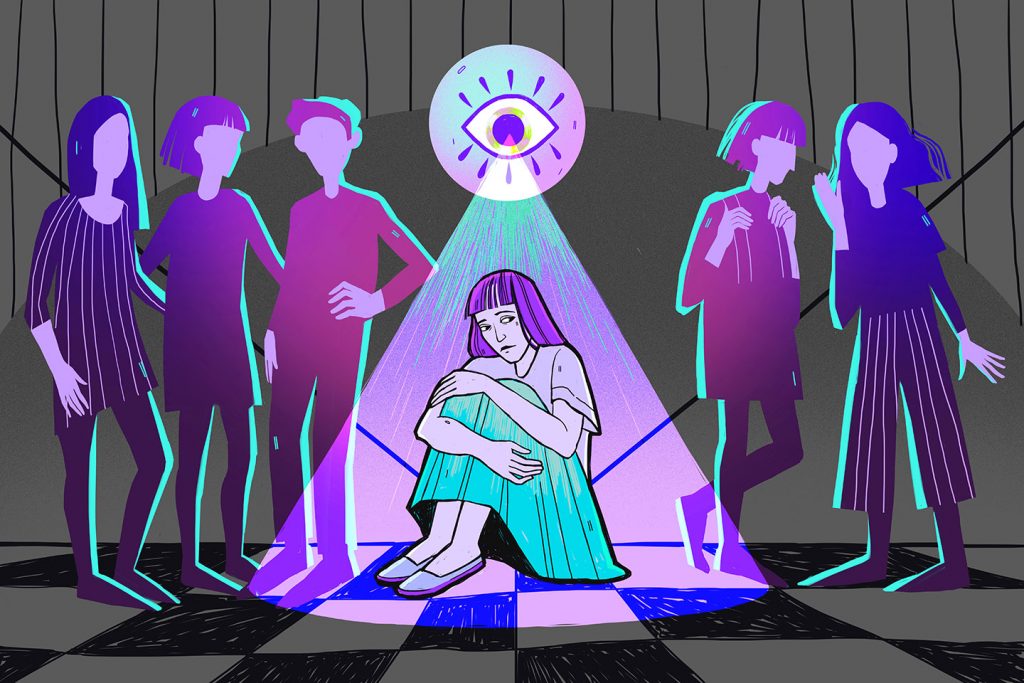
Многие родители считают, что у них получается не переходить грань, пользуясь трекинговыми приложениями. «У меня трое сыновей, — говорит Евгения Нежельцева из Железногорска. — Старшему 12 лет, среднему — 11, младшему — шесть. Когда старший ребенок пошел в школу, у нас появились смарт-часы, чтобы я могла следить за его перемещениями». Правда, через полгода сын сказал: «Хватит тотального контроля», — и отказался носить часы. Евгения не возражала. Через несколько лет она решила установить приложение Family Link, которое контролирует, какими приложениями пользуется ребенок и сколько времени в них проводит. «Я поставила его, когда увидела в телефоне сына недетский контент, — говорит Нежельцева. — Теперь некоторые приложения у него под запретом, а в некоторых он может проводить ограниченное время. Если я вижу, что он много играет в онлайн-игры, я их отключаю».
Евгения говорит, что следит за тем, с кем переписываются ее сыновья и какие сайты открывают. Но прослушкой она не пользуется — считает, что это унижение ребенка.
У Анны Горячевой из Саратова тоже трое детей — две дочери и сын. Дочерям — 15 и 11 лет, сыну — 7. Горячева использует приложение Zenly, которое следит за их перемещениями. «Я объяснила им, что это никак не повлияет на их свободу, главное — соблюдать договоренности, — говорит она. — Так что они не были против. В приложении они и сами могут посмотреть, где находятся их родители. Напряжения в отношениях у нас нет, наоборот, я стала меньше названивать им и спрашивать, где они». По словам Горячевой, пару раз с помощью приложения она видела, как дети прогуливают уроки, и поговорила с ними об этом. Но серьезных конфликтов не возникало.
«Им ведь хочется гулять самостоятельно, ходить на занятия вне школы, — объясняет она. — Я тоже хочу, чтобы они ходили, но волнуюсь за них. Когда я им это объяснила, они сами согласились, что с приложением всем будет лучше».
Евгения Двойцова из Рязани установила приложение Family Link 10-летнему сыну и 12-летней дочери. «Раньше они пользовались моим Google-аккаунтом: выкладывали на YouTube видео, подписывались на каких-то блогеров, которые мне совершенно не нужны, — говорит она. — Я решила создать им собственные аккаунты, указала, что создаю их для детей, и Google предложил мне вместе с детским аккаунтом установить эту программу». По словам Двойцовой, сначала дети были не против — наоборот, радовались, что мама решила завести им персональные аккаунты. Но потом расстроились и даже начали злиться: оказалось, что теперь им доступен только детский YouTube, а мама может контролировать, сколько времени они проводят в разных приложениях, и блокировать некоторые из них. «Я настроила время сна, так что с 22:00 до шести утра по телефону можно только звонить, — говорит Двойцова. — Слежу, в какие игры они играют. В наказание могу заблокировать их телефоны. Они говорят, что ненавидят Family Link и мечтают поскорее его удалить. Но я стараюсь объяснять им, для чего нужно это приложение».
Двойцова говорит, что никогда не использовала приложения с прослушкой, потому что «лучше всего, когда ребенок сам рассказывает о своих проблемах». С другой стороны, она допускает, что в некоторых ситуациях «прослушивание не является излишней мерой, так как сейчас подростки — акселераты, и лучше быть в курсе того, что они обсуждают с другими и иметь возможность предотвратить нежелательные последствия».
Как объясняет клинический психолог Ирина Катин-Ярцева, даже если родитель воспользовался функцией прослушивания, это нужно обсудить с ребенком. «Например, случился форс-мажор, — говорит она. — Ребенок ушел со двора, вы не можете ему дозвониться и никак с ним связаться, у вас небезопасный район, и есть все основания волноваться, что могло что-то случиться. Если в такой ситуации вы ненадолго включили прослушку, потом лучше рассказать об этом и объяснить: “Извини, я очень беспокоилась, и на минутку включила прослушку. Давай мы договоримся, как будем действовать в таких ситуациях, чтобы больше такого не повторялось”». По словам психолога, главное — помнить, что ребенок — субъект, а не объект. С ним можно договариваться, обсуждать правила так, чтобы это не ущемляло его достоинства. Главное — заботиться о его безопасности, а не пытаться жить за него его жизнью.