
Translated material
Deus Ex Vaccine
Why will return to normal life occur only by the end of 2021
In two of the three largest economies in the world (USA and the European Union) there is a new outbreak of coronavirus, which led to the wave of complete or partial Locdowns. The emerging was a careful restoration of economic activity after the “first wave” was replaced by a new decline. This situation clearly demonstrates that without the victory over coronavirus, a sustainable restoration of the economy is hardly possible.
To win, it is not at all necessary to completely eradicate the disease - and it is not known whether this is possible in principle. It is enough that the coefficient R (he shows how many people are infected on average from one patient) decreased to the size of noticeably less than 1. If he is less than one, then even the disease imported from the outside quickly fades. Some countries have reached a herd immunity (which gave rise to fierce discussions both among specialists and among the general public), but most reached the creation of a vaccine.
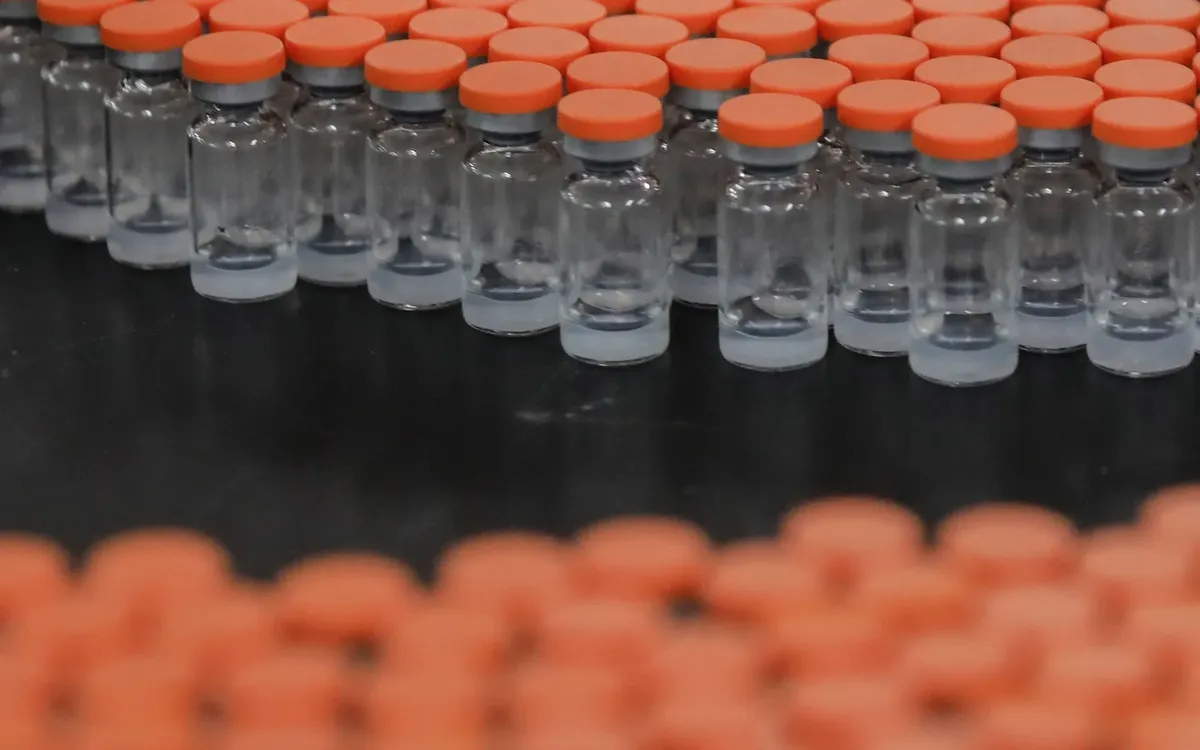
Vaccines are developed a lot, in different countries and on completely different principles. It is expected that by the beginning of December, the results of clinical tests of several vaccines-candidates will be available for analysis. Those of them that demonstrate safety (lack of significant side effects) and efficiency will be launched into mass production.
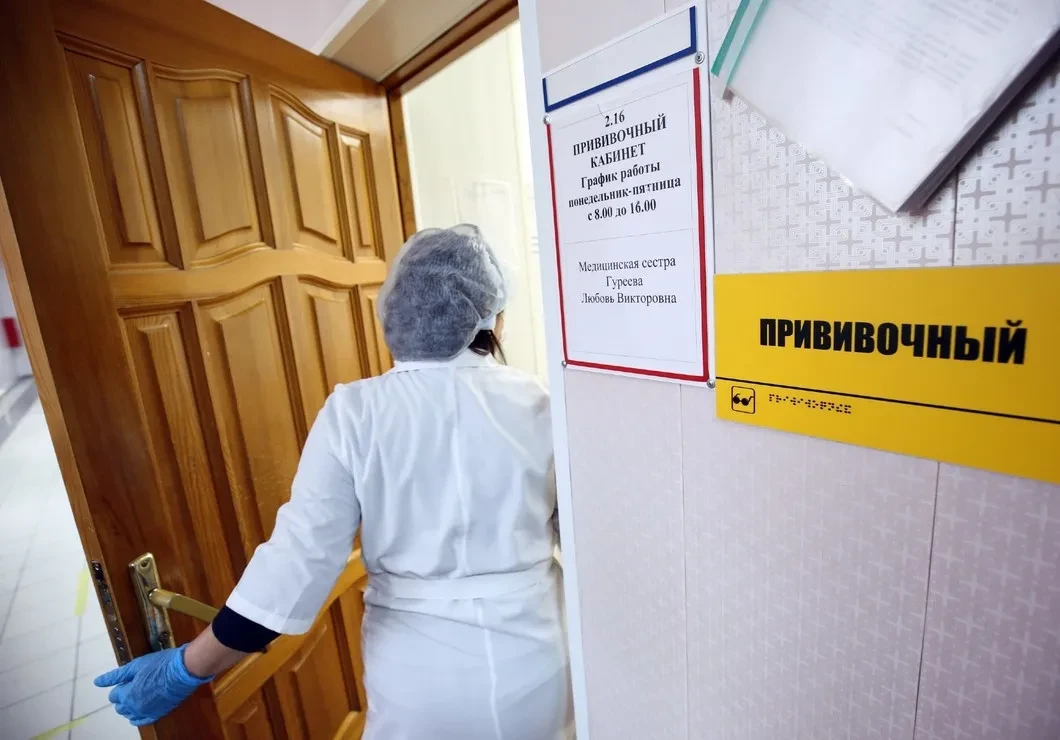
It is assumed that a sufficiently massive vaccination will begin around the middle of 2021, and by its end the share of vaccinated people will grow so much that it will begin to restrain the epidemic by reducing the coefficient R to zero. This will allow the economy to begin the recovery process by removing the risk of new Locksuns.
But any new vaccine is the “incognita terra”. Side effects are well detected by clinical trials, there will be no special problems with this: most of them are manifested quickly enough. Modern methods for testing vaccines regulate the percentage of side effects, testing methods are well known.
Another thing is an assessment of effectiveness. And there are very serious problems with this.
The effectiveness of most vaccines is by no means 100%. There is a certain probability that part of people who have received a vaccine can still get sick. Some vaccines have an efficiency of 60%, and this is considered a good indicator. There are vaccines with an efficiency of 90% - this is excellent. It is noteworthy that the first, opened in the far of the 18th century, the Osopi vaccine gives protection by almost 100%. This made it possible to destroy the OSPU around the world.
But in order for the global economy to be cured from the disease, even the modest effectiveness of the vaccine is enough: as soon as the Rowing coefficient falls below 1, the epidemic will decline. Individual people can get sick, but there will be no exponential growth. There will be no destructive lucadau economics for many sectors.
It is not easy to assess the degree of protection of a particular vaccine: for this you need to vaccinate several thousand people, and then wait and collect statistics - how many of them and when they get sick. You can even deliberately infect volunteers who have undergone vaccination and observe them (we will leave ethical and legislative norms beyond the brackets, they are very different in different countries).

But the definition of how long the immune defense lasts, formed by a specific vaccine, requires significant time, and this process cannot be accelerated in principle. The same vaccine from smallpox, for example, gives lifelong and almost absolute immunity. And many other vaccines require periodic revaccination.
Studies of the dynamics of the antibodies of the antibodies in the eximately very indirectly reflect the effectiveness of immune protection.
So far, this data is disappointing: the titer of antibodies in coronavirus has fallen quickly (after three to four months) falls. But this fact cannot serve as an assessment of the time of action of immune defense, because The body's immune response is not only antibodies, it is much more complicated. Moreover, in vaccines of different types, it is formed differently.
There are many questions ahead, the answers to which you can get only by vaccinating several thousand people and waiting for at least six months (or better a year) after the completion of clinical research. From this moment on, theoretically, a sustainable restoration of the world economy may begin.
In practice, a whole bouquet of problems is associated with technological difficulties in mass production. Some companies are trying to win time by starting production before the end of clinical trials. For firms, these are risks of losses if the tests turn out to be unsuccessful, but time also matters. Lokdowns are too expensive.
All this suggests that, according to the most optimistic estimates, restoration can start in mid -2021, but more realistic - by its end. And this is provided that there are no other shocks.
The history of vaccines development shows that they usually first invent a vaccine that is easier to produce. And then - more effective. This was very clearly shown by the epic of creating a vaccine for poliomyelitis. But with the ospes, humanity is fantastically lucky.