
Translated material
Kushchevskaya Rus'
The history of the bloodthirsty gang of tsapkov who replaced the state in the Kuban village
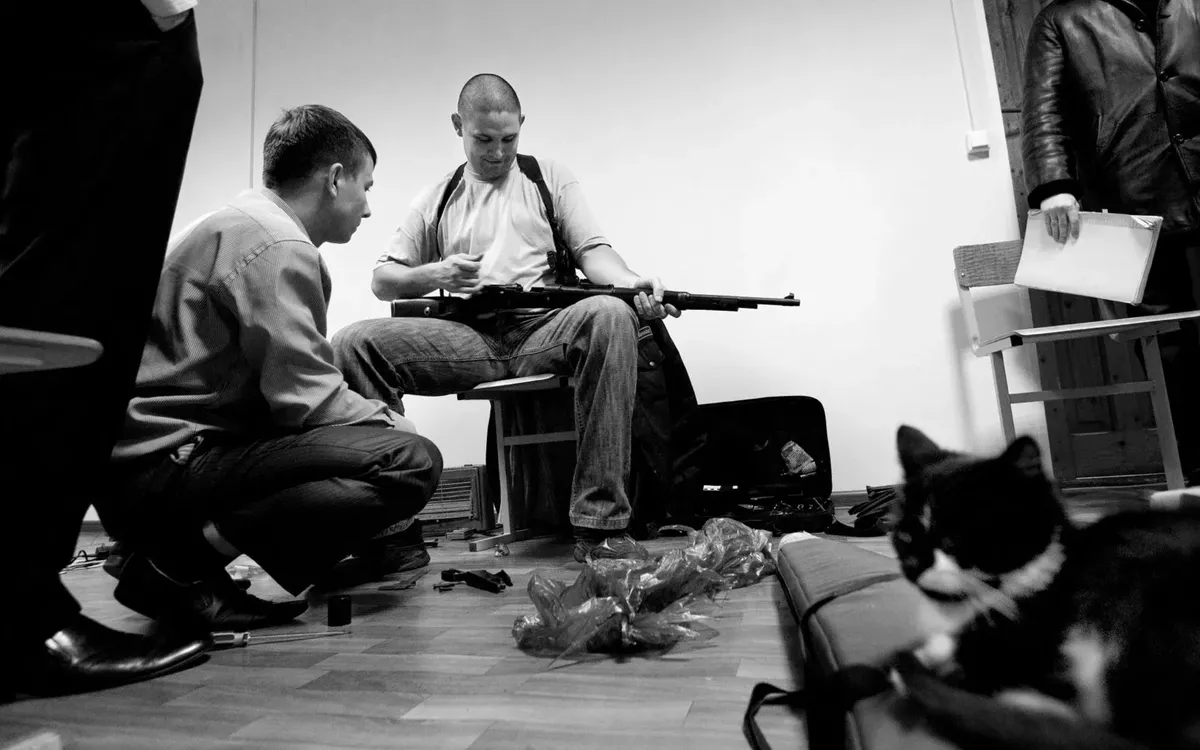
Ten years ago, on November 4, 2010, twelve people were brutally killed in the village of Kushchevskaya Krasnodar Territory.
Six members of the local organized crime group "Tsapkovsky" broke into the house of the farmer of the Ametov server during the feast. Vladimir Mironenko, the financial director of the Aston agricultural film from Rostov, came to Ametova and his family, neighbors came. The bandits knew this and waited for everyone to drink and relax.
In ten minutes, the backbag literally cut out the family of Ametov and all his guests. Three children were stabbed knives. Ameteov’s relatives were killed in front of his eyes - the Tsapki specially dragged the frozen farmer into the hall, to the place of mass reprisal, so that he would look and tormented. Amir's nine -month -old granddaughter Amir was laid alive on top of the corpses, and then set fire to the house.
After the reprisal, the Tsapki went to the local cafe "Malinka". Have dinner.
In the village of that day, the filming group of the program “Wait for me” was attended - journalists made a plot about the missing child, who was found in the Kushchevsky boarding school. It was they who were the first to tell about the reprisal.
The murder shocked Russia. The locals assured the new journalists:
If it were not by chance, the Moscow crew at the scene of the events, no one would investigate the murder.
So in the village there have been the last twenty years: everyone in sight killed, raped, intimidated people and remained unpunished. This shocked Russia even more: the country on TV is scared by horror stories about the 90s, and in Kushchevka the 90s, it turns out, never ended.
The journalist of Novaya Gazeta Elena Kostyuchenko went to the village shortly after the murder. She recognized the history of the gang, which ruled in Kushchevka for 20 years, and found out why no one in the thirty thousandth village could stop the Tsapkov.
Special Report of Elena Kostyuchenko
First, second and third parts
The "trunks" of the members of the organized crime group are called by the name of the gang leaders. Nikolai Tsapok (local crime calls him “uncle Kolya”, characterizing him as “extremely cruel and reckless”), along with his brother, Victor Tsapk, and in the late 80s began to chop the group. In Soviet times, Uncle Kolya was a well -known card Shuler, who operated on trains, had a certain authority in the criminal world. With the beginning of perestroika, along with his brother, he created a profitable cooperative for the production of moldings (self -adhesive rubber pads), and already at the end of perestroika - a gang of scumbags. The Tsapki built a gym in the village and began to pull up their first militants there. In this gym, the children of Viktor Tsapka, the nephews of Uncle Kolya, are growing - Nikolai and Sergey. At that time, the Tsapki first try power: they begin to rape girls, conceive fights. The number of the gang is growing, in the early 90s the power part of the gang consists of 20-30 people. The Tsapki begins to make robberies and robberies, continuing to rape the girls they like.
In Kushchevskaya, they are nevertheless not seriously perceived, considering them an ordinary gopota. And slowly they give them a village, in which the Tsapki begin to build a parallel state. His Russia is in miniature.
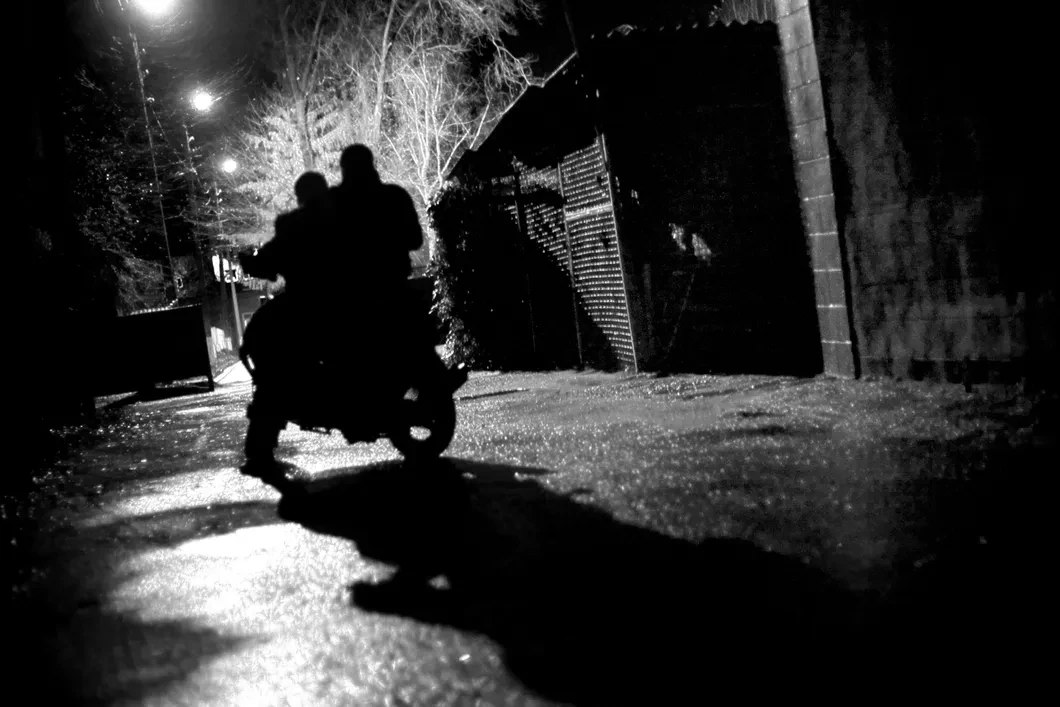
The gang is expanding. In 1993, Tsapkov already 50–70 people. They turn the scams with the ground (this is the main wealth in those parts), capture farms, luggage the tribulation of merchants and farmers of Kushchevsky and neighboring areas. Those who refuse to pay are killed. Daids are roofing alcohol hucksters, light drugs go through them, all the drug addicts of the village pay tribute to the trunks.
After the "work", the UPAKs have fun. They beat on the street all who they do not like, and with particular cruelty rape girls. The peak of rape falls on the period from 1993 to 2002. Then the leader of the gang was the son of Viktor Tsapk Nikolai, nicknamed Kolya Razhny, who actually replaced Uncle Kolya who had gone into the shadow. Kolya is furious - a hereditary bastard, with him the back of the tsapki allow themselves everything: they calmly walk around the local medical school, break out the doors in the apartments of students, go into classes, poke a finger on the girls they like, take them away and rape them. The bandits are trying to take non -western girls, so most of the victims are a student of medical schools (who later became medical college), in which many visitors from the surrounding villages are studying. Visiting girls are afraid to go to the center.
The members of the gang write statements to the police (on the Tsapka nicknamed Vova, lawlessness once receives 11 statements about rape per day), but they are buried in the police, and many girls stop contacting the authorities.
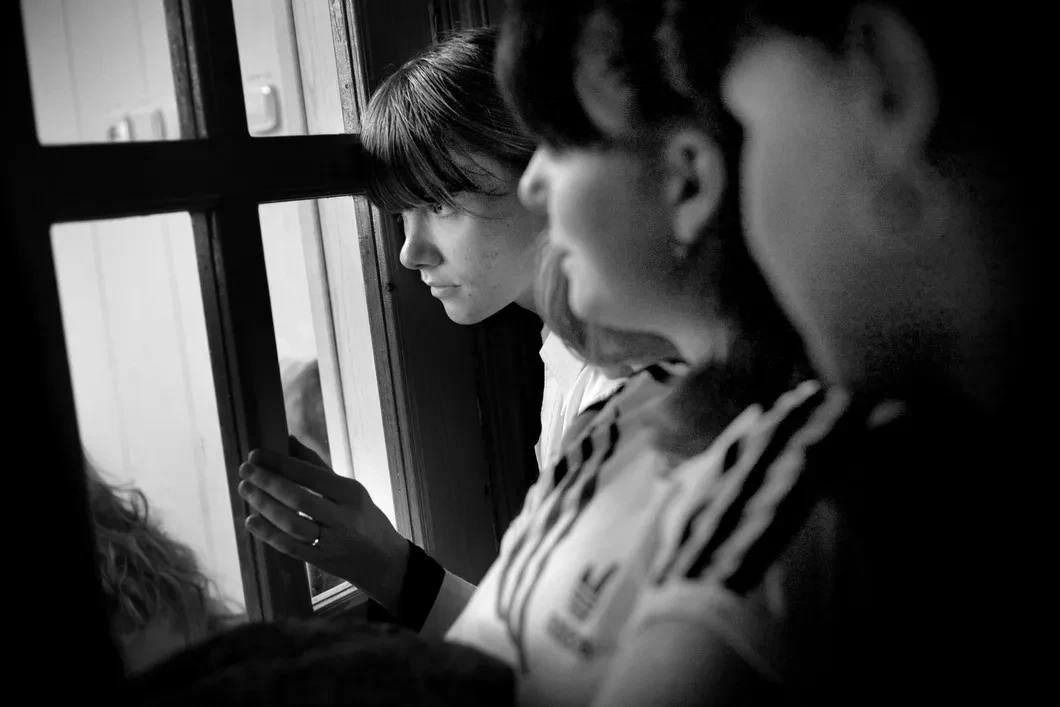
Over the years, they get used to violence in the village, it becomes ordinary, the norm of life. “I arrived from Leningradskaya. It turns out: the skirt-zhopa-will. And pink bow! It is written on it! He walks the queen ... and then says that rape is happening. She set herself so. She begged for this, ” - this is how he cynically says about the acquaintance over whom the Tsapki abused, her peer. “There is no need to think about horrors, this destroys the personality. It is necessary to look for positive in everything, ”says another girl who was sitting in the next room when the back of her friend tormented her friend. The raped girls in the village are called “waste”, they are not married, so many are ashamed to talk about abuse of even relatives. Few teachers are trying to stand up for the students: “The bitch does not want - the male will not soon be,” they say.
But this mutation of morals will occur a little later, and in the 90s they are still trying to fight with the trun out. The head of the local police department Pavel Kornienko, through communications in the Krasnodar Territory, knocks out normal weapons. He creates in the village of the school of the personnel reserve of the Ministry of Internal Affairs, which lures street youth, and a team of collection. Tsapkov is caught. And let go. Everything is already captured by them: they shake in certificates from the psychiatric hospital that they do not give a report in their actions. For the money of farmers and merchants who threaten Daidks, the bandits hire cool Moscow lawyers and give bribes to sales employees of the police department. The police are trying to confront the clauses physically. Patrols run around the village. Fights happen between the trunks and police officers, the beating of gang members in the Communist Party. The village believes that it was the police that is responsible for the murder of two members of the organized crime group in the 90s-first the most famous rapist of the gang nicknamed Gnaw, and then the “looking” at the professional school No. 55 of Roman Manuilov.
But the forces are not equal in the legal field: under the trousers, both the local prosecutor’s office and the court are already. Federal judge Irina Prozorova generally lives with Kolya Radoy. Kolya establishes ties with the heads of district administrations, tax and justice.
Some employees of the police department who fought with the bandits are behind bars - the head of the Kushchevsky district Valery Palkin reports to Krasnodar about the riots allegedly organized by the police, the commission comes from Krasnodar and starts affairs. In 2001, the head of the Kushchevsky District Department of Internal Affairs Pavel Kornienko was fired.
Local residents also do not manage to confront the Tsapki. In 1997, the gang began a conflict with the family of a wealthy and authoritative farmer of the server Ametov - his son, Jalil, beats bandits after the requirement to pay 3 thousand rubles for the opportunity to meet his girlfriend. Since then, Tsapki begin to beat “Tatars” (it’s not in nationality, Jalil’s friends and all those living on the neighboring streets are recorded in the “Tatars” for the appearance of the village in the center of the village, arrange trips with knives and clubs in the “Tatar” areas. In 1998, the Tatars and farmers who refuse to pay tribute to the Tsapkam, with the support of students of the local school of the personnel reserve of the Ministry of Internal Affairs and several employees of the police department (in total - about 300 people), they score the staging arrow at the central stadium. The bandits for this catch and beat their opponents one by one, and police officers are breaking up the victims, and not on the trousers.
One of the last ones who tried to fight the trun out was Boris Moskvich, the head of one of the farms, which the Tsapki failed to ruin. In 1998, under the slogan, “not a paw of land to the bandits”, the Muscovite became the head of the Kushchevsky district and began an audit of the largest agricultural enterprise of the district, the Stepnansky state farm (since 1998 - OJSC “Steppe”), which Tsapki was trying to squeeze out at that time. In January 2002, Boris Moskvich was killed on the threshold of the administration with two shots point -blank, the “stepnyansky” retreats to the tsapkam.
Kushchevka understands everything and keeps silent. The struggle can cost life, so no one is trying to fight. “We live here” - this formula will often repeat local visitors to journalists after the reprisal in Ametov’s house to the question of why they turned a blind eye to the atrocities of the bandits.
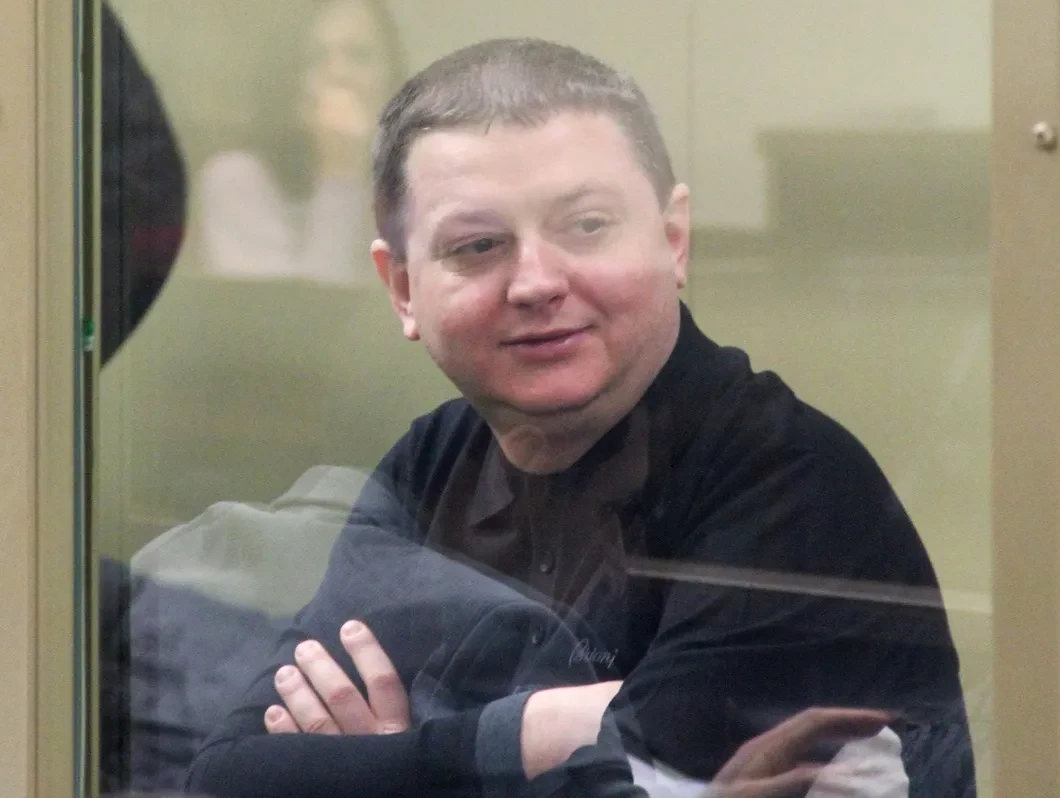
The golden time is coming for the trunnies. The head of the organized crime group becomes Sergey Tsapok, the younger brother of Kolya Radoye, who is killed in October 2002 (this murder has not yet been disclosed). Tsapki strive to legalize and decide to go into power - this is an all -Russian trend at that time. At first, Sergei Tsapok becomes a district deputy, then, when a friend Vyacheslav Tsepovyaz replaces him in this post, he becomes a member of the Council of young deputies of the Krasnodar Territory. One of the on-site meetings of the Council is held on the territory of the Artek-AGRO agricultural complex-the family company of the Tsapkov, created on the basis of the former state farm "Stepnyansky". She is controlled by Sergey’s mother Nadezhda Tsapok, popularly nicknamed her tsapchiha.
At the meeting, the new head of the District Department of Internal Affairs, Vladimir Finko, gives her an honor and calls her “mother”. Finko, by the way, drives along Kushchevka on the Mercedes donated by the straps.
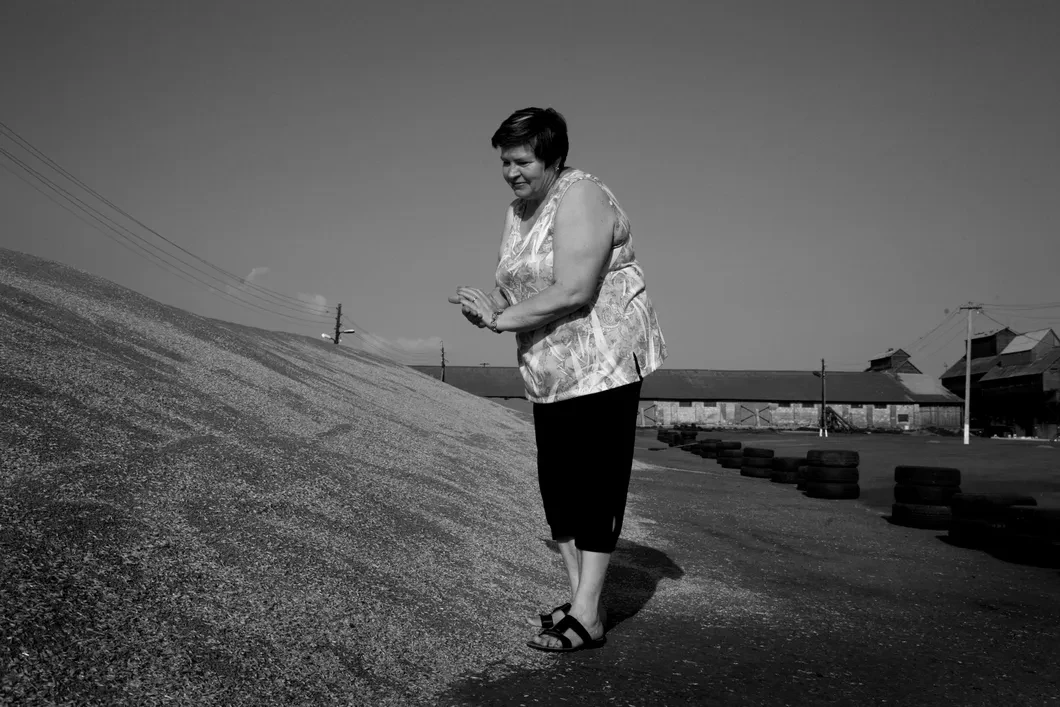
Sergei Tsapok is friends with the head of the regional department for combating organized crime Alexander Khodych: Khodych fighters collect tribute from farmers “for trunks” or “for protection from the clause”, squeezing lands to increase the assets of Arteks-AGRO and other firms controlled by the ups. In 2008, Sergei Tsapok, apparently, even rides to the inauguration of President Medvedev (the regional authorities will later deny that the Tsapok was part of the delegation of the governor Alexander Tkachev, but it is not difficult to recognize the Video with the inauguration of Tsapka). According to the member of the organized crime group, Vladimir Alekseev named Vova Lessity, Sergei Tsapk really liked when the locals went to bow to him and called him the “king of Kushchevka”.
And all this time, the “kings of Kushchevka” continued to rape and kill. In 2003, the bandits shot farmer Valery Bogachev and his son Roman. In 2008, a farmer Anatoly Smolnikov nicknamed Bubon, a criminal authority, which had long retired, was stabbed on the threshold of his own house. The property of those killed by her trousers easily passes into the clutches of the Drings themselves. So the bandits go to the Bogachevsky “Agrochmarket” (6.5 thousand hectares of arable land, brick factory, equipment, base), helicopters, and a huge mill. The tsaks are killed, and the whole local elite feeds: the daughter-in-law of the district prosecutor Kvasnyuk gets the Bogachevskaya company Interervice (car repair shop, shop, cafe), and the district deputy Kozlov takes his own pigs from the Kuban-Becon.
Entertainment of the bandits is all the same. The UPAKs take the girls from classes, wait at the gates of the school. In 2009, Vova’s lawlessness received a statement about the rape of a minor girl, but the head of the department for minor ATS in the Kushchevsky district, Tatyana Remeskevich, buries the application. The young Tsapok Zhenya Gurov stands out on this basis - he not only rape girls, but also brutally beats them.
Once Kushchevka finds a voice. In 2005, Galina Ivanovna Kroshka, the rector of the North Kuban Humanitarian and Technology Institute, located in Kushchevskaya, initiates a letter about beatings and robberies. This letter, signed by 170 students, is sent to the governor of the region Alexander Tkachev, the regional prosecutor, the head of the regional police department and the Russian newspaper. Later, the journalist of Rossiy Gazeta, Tatyana Pavlovskaya, who arrived in Kushchevka, the students also talked about rape. Articles followed (the surname of the Tsapka was changed in them), 11 criminal cases against police officers were instituted. Tsapok remained free. And he brutally took revenge. A criminal case was instituted against Galina and an employee of the Institute of Natalia Sivtseva. Women were accused of creating a “criminal organization of two people” engaged in the sale of linden diplomas. In the insulator, the baby suffered two strokes that turned out to be partial paralysis and mental disorder. Natalya Sivtseva was convicted of 7 years, “taking into account mitigating circumstances,” she came out of custody in 2011.
After the reprisal in Ametov’s house, federal investigators will raise 272 cases closed by local police.
The media will voice a terrible figure - over the years of Korapkovsky, the bandits committed 220 rape.
Apparently, there were much more of them - only in 2008-2010 47 applications were submitted to the Kushchevsky police (2 cases were initiated). The investigation will be able to prove that the Tsapki committed 19 murders. How many fates they crippled, no one will take to count.
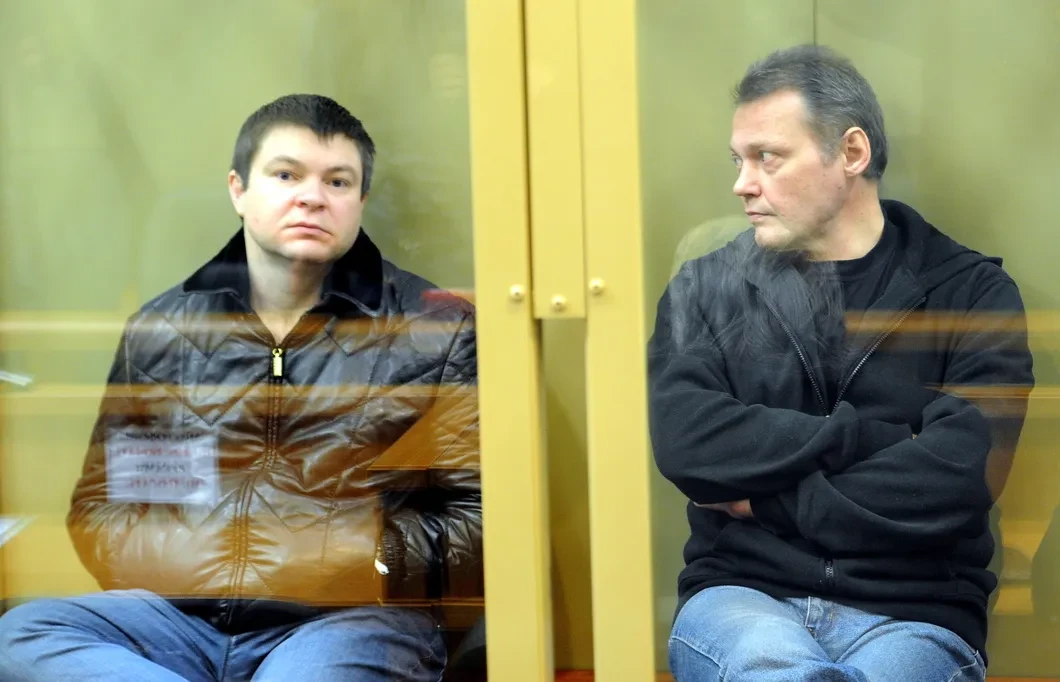
The leader of the organized crime group Sergey Tsapok and the two main killers of the gang, Vladimir Alekseev and Igor Chernykh, will be sentenced to life imprisonment. Gang members Andrei Bykov and Vyacheslav Ryabtsev will make a deal with the investigation, they will be judged in a special order and sentenced to 20 years in a maximum security penal colony. The founder of organized crime groups Nikolai Tsapok will be sentenced to 19 years, the same amount of Vyacheslav Tsepovyaz will receive (in 2018, the media widely discussed photographs in which Tsepovyaz, who was serving a 20-year term in a colony in the Amur Region, fry shishlyk and eats crab and red caviar) and Vladimir Zaporozhets. Other members of the gang will receive long time. Hope Tsapok will be condemned for three years for illegally receiving subsidies for 15 million rubles, then for another 6.5 years. In 2016, she will receive her third sentence, but will be freed already in 2018 and return to Kushchevka.
Many of the trunnies will not stand their term.
Sergey Tsapok and Igor Chernoye will suddenly die in the Krasnodar pre -trial detention center in 2014 with a difference of a couple of days. Two more gang participants - Sergey Karpenko and Vitaliy Ivanov (driver Sergey Tsapka) - will be hanged in a pre -trial detention center, without waiting for the court.
After the arrest of the Tsapkov, the governor of the Krasnodar Territory Alexander Tkachev will say that the authorities did not know what happened in Kushchevka for 20 years:
“We are all shocked, because the main suspect is known as a philanthropist. Who would have thought that he is capable of this? " - Tkachev will say.
But it is obvious that it is impossible to select lands without the participation of courts, officials, tax and law enforcement agencies. The Tsapki did not themselves fabricated things against their enemies, did not bury things about their atrocities themselves, and did not give up huge loans themselves for the development of the Artek-AGRO family agricultural enterprise.
In fact, the state looked at the tsapkov through the fingers, because it was convenient: they were controlled and at the same time held the territory under full control. This “Chechen” scheme turned out to be very successfully applicable at the macro -regional level (Kushchevok - hundreds, we just accidentally learned about one), and today it is a pillar of Russian domestic policy. Federalism in Russian.
“They will leave, others will come” - with such a phrase, among others, the villagewriters loved to justify their silence. They will come because they will be waited: many in Kushchevka actually approved the Tsapkov. Kushchev’s boys dreamed of becoming her tunes, because it is prestigious and monetary. Adults said about the trousers: "Wolves, but the orderlies."
“We live here” - the locals brought this formula to justify their silence. But to live in Kushchevki not only them. Also their children. And to us.