
Translated material
Tear off all the skins
Frightened by a new strain of coronavirus, the authorities of Denmark raised the army to destroy 12 million minks
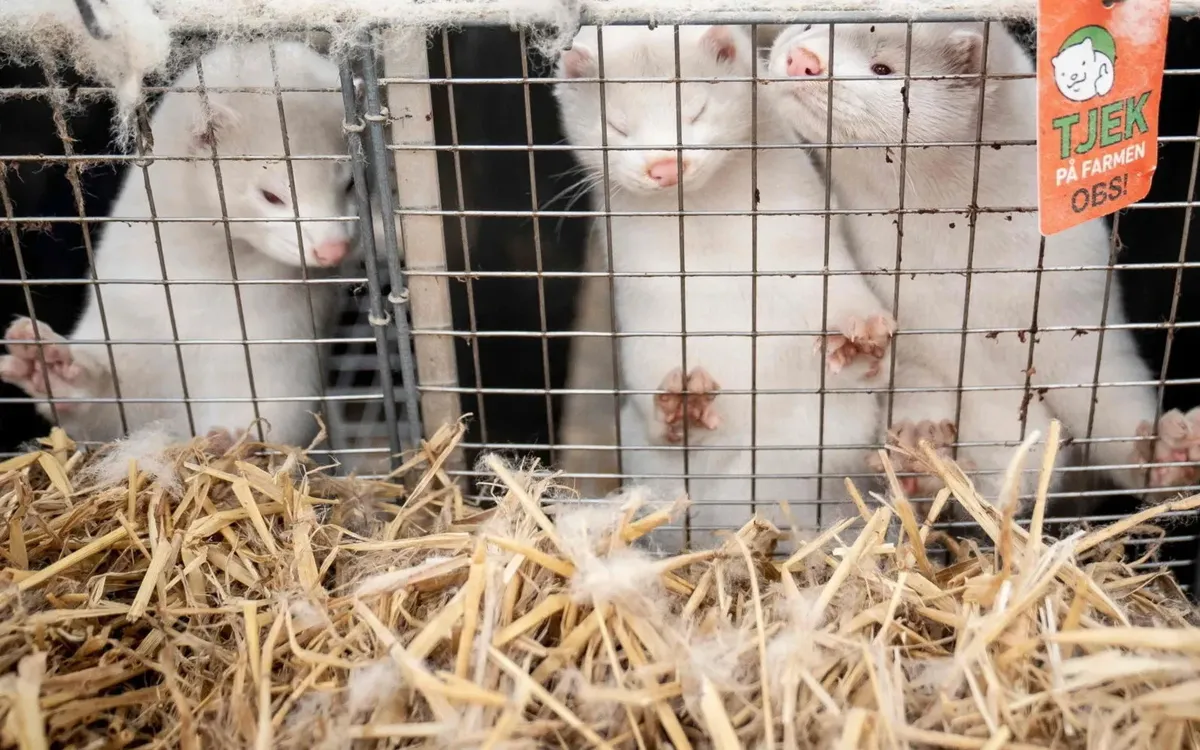
On Friday, the Danish government decided to close North Jutland. Residents of the region are forbidden to leave its territory, bars, restaurants are closed, and high school students were transferred to distance learning. The restrictions are associated with the flash of a new, mutating the type of coronavirus, which is transmitted to a person from the mink. The virus was found on 207 mink farms. Two days before, the government decided to destroy all the minks in the country.
Denmark is one of the largest exporter of mink fur in the world: for the auction house Kopenhagen Fur, which unites more than a thousand mink farms in Denmark, accounts for 40% of global production. Now in Denmark, according to various estimates, from 12 to 17 million minks. Unlike some European countries, which in recent years have decided to reduce or even prohibit the production of mink fur in law, Denmark has not yet taken any steps in this direction.
The first cases of coronavirus spread on mink farms have been recorded a few weeks ago - to date, some of the animals have already been destroyed, and the government pays compensation to farms owners.
Farm owners, of course, protest.
“Coronavirus should not spread further in society, but we, breeders, know how to avoid this,” said Taga Pedersen, chairman of the Danish Association of Fluffy animals, said on October 31. - In North Jutland, only a few people who were not related to our activities were infected, but almost all of them have already recovered. Public health is most important, but we believe that both public health and sustainable mink production can be provided.
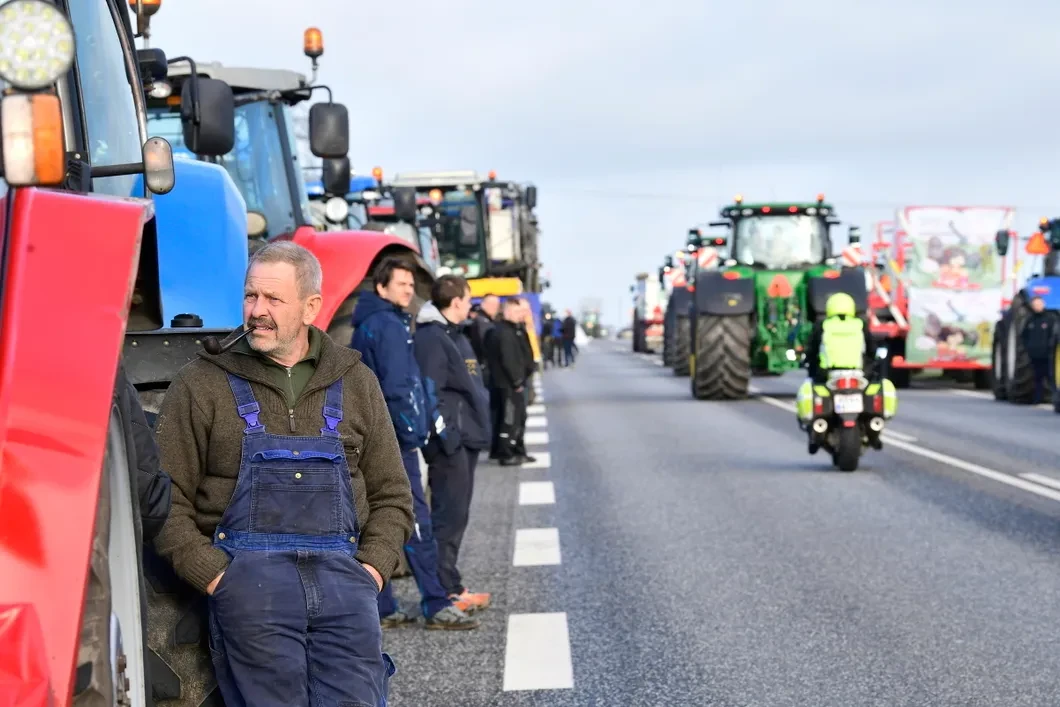
The government decided differently: on November 4, the Prime Minister of Denmark Mette Fredericksen said that all minks in the country should be destroyed.
“The virus mutated in minks, and, mutating, spreads among people. [The situation] carries the risk that the vaccine that should appear soon will not act properly, ”the prime minister said.
On the eve of November 3, experts of the Danish research Statens Serum (SSI), which is the main center in combating pandemia, published a report in which they confirmed the possibility of transferring the virus from mink to a person.
“As of November 2, the SARS-COV-2 infection was discovered on the 191 mink farm,” the report said. - This happened, despite the intensive actions of the authorities in order to limit the spread of the virus. Infection is observed with new types of SARS-COV-2 virus, which is transmitted from minks to the local population. The mink body is a tank for the virus - and this creates the main risk for breeding minks. ”
In addition, scientists note, in the body of the Norma the virus is subjected to certain mutations. Changes are observed in the so-called spike perteins, which the virus uses to penetrate the cage. It is to these Spike Proteins that antibodies are produced after the disease-the principle of the vaccine is built on this.
“Preliminary studies show that this virus shows a reduced susceptibility to neutralizing antibodies of a person who has undergone an infection,” the report says. “This has been proved during laboratory experiments that demonstrated the increased virus resistance to people who are infected by the SARS-COV-2 option that are not related to minks.”
Thus,
A person who has already been ill with coronavirus or has passed vaccination can still remain vulnerable to a new, “mink” variant of the virus.
Scientists come to the following conclusion: the breeding of minks is unsafe until the current epidemic stops. Otherwise, the virus will go in a circle: from a person to a mink and from mink to a person - at risk will be workers of farms who are in direct contact with animals, and will transfer this virus to other people.
“At the worst scenario, we will challenge the new pandemic in Denmark,” said Molbak, director of the SSI Institute of SSI. “There is a risk that the mutated virus will be so different from the rest that we will have to create a new vaccine <...> We will return to the very beginning.”
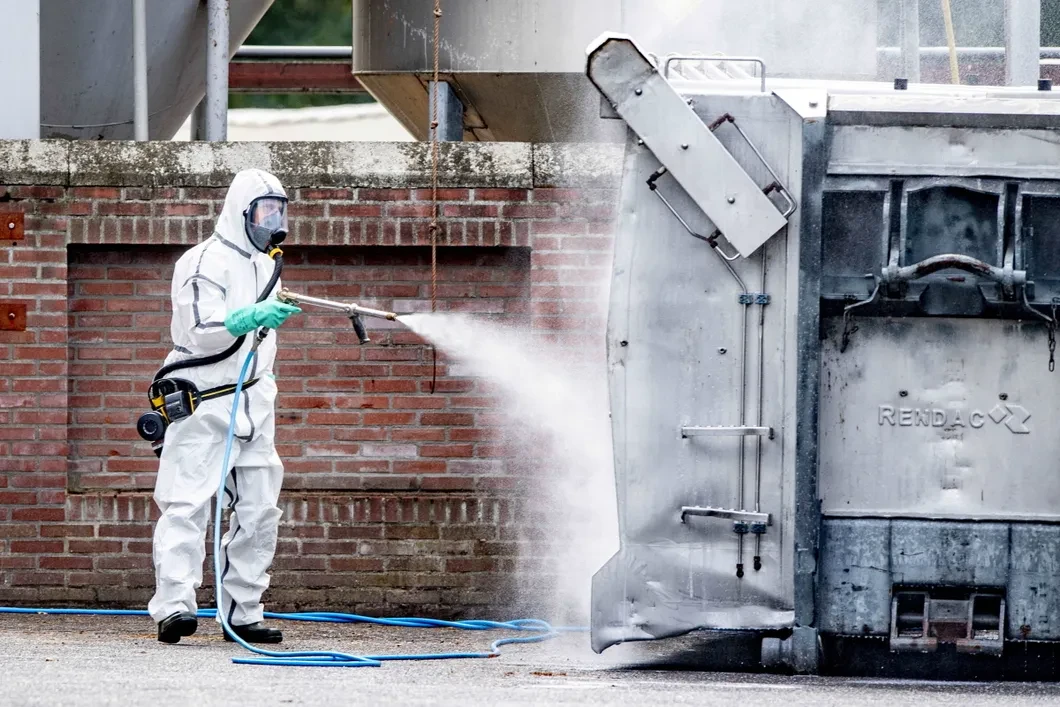
Denmark is not the first country faced with the risk of coronavirus transfer to a man from minks. In the spring, a flash of coronavirus affected 16 mink farms in the Netherlands. Dutch virologists tested 97 farm workers, in 66 people a coronavirus was found. At the same time, doctors believe that at least 2 people were infected as a result of contact with animals.
“It is still unknown exactly how exactly the virus is transmitted to a person,” Professor Vim Van der Pul, one of the researchers of the outbreak of coronavirus in the Netherlands, told Novaya Gazeta. “I believe that people are infected first of all, inhaling particles of the air virus.”
At the same time, says the virologist, the minks are not guilty at all. If in the case of the coronavirus already familiar to us, in the opinion of many scientists, approximately the following - the virus of bats mutated in such a way that a person became susceptible to him - with minks everything was exactly the opposite.
It was the person who initially brought the virus to the mink farm, and for some reason the animals were susceptible to him.
That is, a person infects the mink, the mink gets sick, the virus in its body is subjected to certain mutations, and then the mink transfers the “updated” virus to a person.
An important question is which way the virus mutates, but there is no answer to it yet.
“It is still unknown whether these changes affect the virulence of the virus, the rate of its spread, the course of the disease,” says Professor Vim Van der Pool. - Perhaps the virus becomes softer, possibly - on the contrary. Therefore, I do not know how dangerous these mutations are - but this is a sufficient basis for the destruction of minks. ”
In June, the Government of the Netherlands decided to kill about 10 thousand animals. Local zoo defenders tried to challenge this decision through the court, but to no avail. At the same time, the Netherlands, in principle, plan to abandon industrial dilution of minks - since 2024, this activity will become illegal.
Outbreaks of coronavirus among minks were also recorded on several farms in the American states of Utah, Michigan and Wiscontin - but there are not yet registered cases of infection to a person.