
Translated material
Plum will not survive without water
More than half of the inhabitants of the Rostov region are deprived of access to high -quality drinking water, but there are entire villages where people have no water. And never will
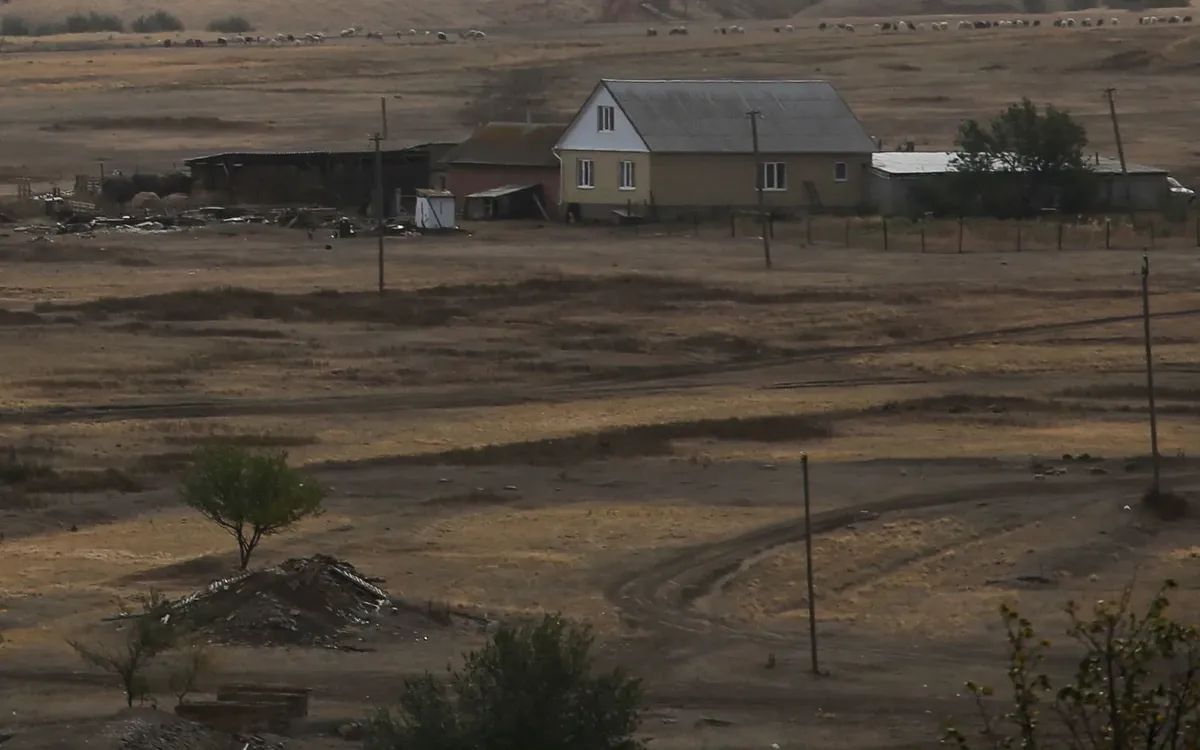
Ilya Pliva, a resident of the Romanovsky farm, brought more than one journalist to his yard - all to no avail. Recently, even the federal television channel shot a plot about it and showed in the daytime news. He expected that after that officials and deputies would certainly come. But the plot came out after the triumphal re -election for the third term by Governor Vasily Golubev, so no one came to the plums to see how people live without a water supply.
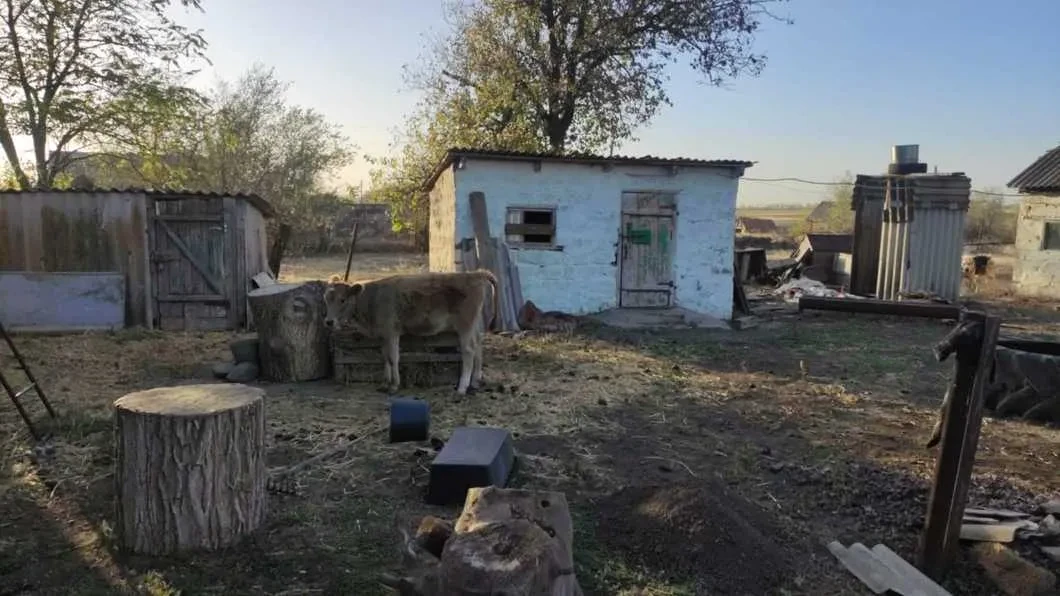
“This is our pool, you see in what condition it is,” Ilya sighs. The “pool” here is called storage facilities for water: wide, shallow concrete wells, carefully covered from the sun and wind, in the summer they collect rare rain water - drainage gutters go into the well; In winter, pure snow is thrown off in the “pool”.
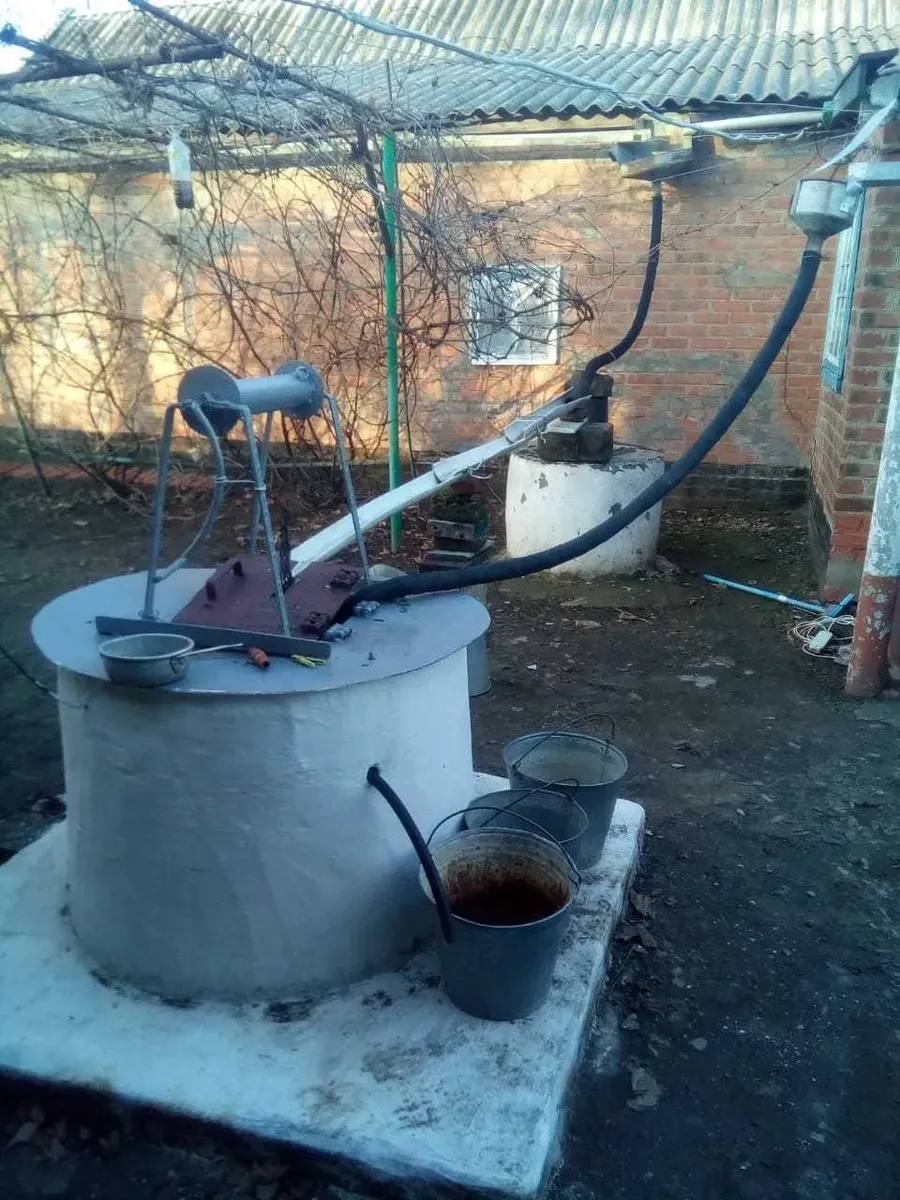
“I repaired it in early summer,” continues Plum. -Because of the drought, he again cracked all-both outside and inside. Passes water. There is nothing for us to do it. Because it is sand, and cement, and water, and all sorts of impurities must be added to hold the solution. From the authorities, of course, you will not interrogate anything. And we, if there is any money, is not for the pool.
In the same way as Ilya, all 266 residents of the farm provide themselves with water.
- You wake up in the morning, if the snow fell, then the first thing is not to feed the cattle - but collect pure snow in the pool. Surrender it in pots and buckets on the stove to cook food. True, there was no snow last winter, no rains this year. In short, the lid is ... - Ilya waves his hand.
There has never been a water supply on the farm. There were wells, but they dried up 10 years ago. Therefore, all the water here is imported. It is bought for the future, merged into such wells, taken and lend.
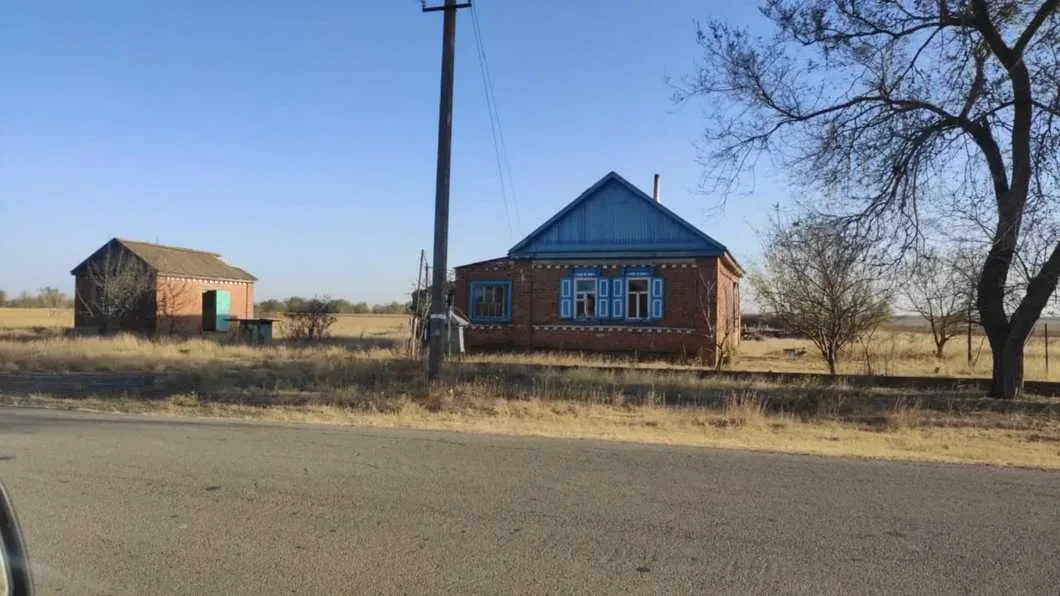
- Well, how? Sometimes there’s nothing to wash even a child, cattle should not be naughty for days. You run to the neighbor - she is a soldier of the collective farm, they bring water cheaper. A good person does not refuse. But you can’t abuse either. The bucket is given in debt, then we give.
Ilya has three children. The youngest Miroslava is four years old, and the wife is waiting for the child again, so the money from the family is flowing down like a life -giving moisture from a cracked “pool”.
“For one cubic meter of imported water, we pay 554 rubles 11 kopecks,” says Ilya. - There is no work in the farm. I used to work on the railway, but get out of here - half of the money will leave, and the salary of more than 15 thousand in the district cannot be found.
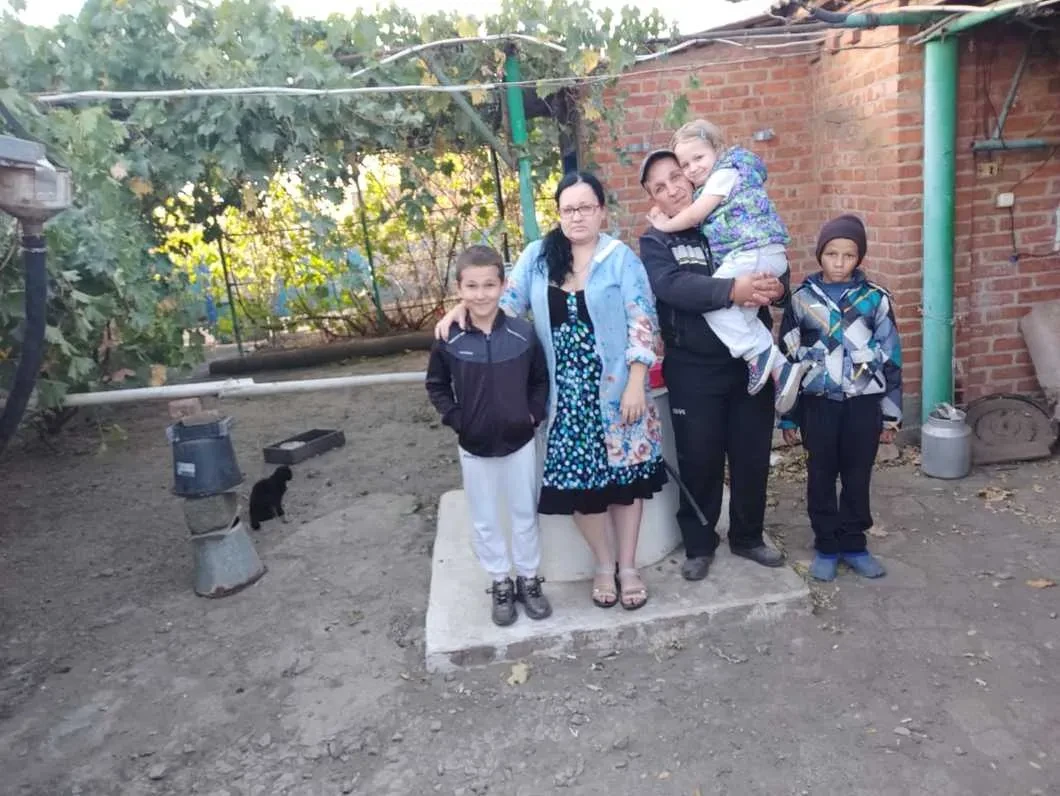
For custody of the eldest disabled son (he is 11 years old), Ilya receives 10,500 rubles, another 500 state pays him for not being able to provide access to normal water. The one that is brought by 554 rubles per cubic meter should not be drunk.
For drinking water (3 rubles liter), the head of the family travels to the district center on an old car stuffed with bottles. In Rostov, water costs two rubles, but to Rostov - 250 kilometers.
-I was engaged in a lot of repairs, so there is everything in the house: there is a bath, an automatic machine. But what's the point, if I look into the well 2-3 times a day and look - you can wash it again today or must be tolerated. Do not believe it: once again, we don’t let the child go for a walk, because after a village street he must be washed well - but nothing.
In the district administration, Ilya Kliva is well known and hated. They say that “he is stirring up water,” and with longing they remember how good it was when he was not in Romanovskaya - no one complained. Locals also relate to Ilya with irritation: thanks to his activity, they know about anhydrous farm in the entire region, and now they have a little chance of selling their poor estates. The family of the plum, in fact, came across: it could not have occurred to them that in the 21st century in one of the most developed regions of the country the whole farm could be completely deprived of access to water supply.
- When the house was watched, I see - a well, asked the hostess: "Is this a well?" - She says: "Yes." I could not even think that such a misfortune with water, - a large father admits. - And now we can’t even leave here - what to buy another housing for?
The authorities are not going to solve the problem:
The administration of the Oryol district is said the same thing - in a farm with a population of 266 people to pull the water supply is inappropriate.
Brilling wells - also: even at a depth of 100 meters, the water is salty.
“The water that we have is high in stiffness and does not correspond to SanPin,” says the head of the administration of the Don rural settlement, which includes Romanovsky farm, Margarita Oslyak. - Therefore, planning a well and central water supply is impossible.
In one way or another, half of the residents of the Rostov region have problems with water supply.
“In the eastern, southern, western and central territories of the Rostov region, due to natural hydrogeological conditions, the quality of groundwater does not meet the hygienic requirements for such chemical indicators as color, turbidity, total iron, manganese, hydrogen sulfide, nitrates, ammonia, chlorides, sulfates, sodium, magnesium, etc. In 2019, did not meet hygienic standards for the following. Chemical indicators of 71.4% of water samples, 3.4% in microbiological, ”the resolution of the chief sanitary doctor of the Rostov Region No. 2 of 01.30.2020 says.
But the Government of the Rostov region has other figures: in high offices they are convinced that 86.4% of residents of the region were provided with high -quality drinking water from central water supply systems. By 2024, the governor chosen for the third term promises to bring this figure to 91.7%.
Such numbers are surprising, as well as the inhabitants of dozens of other settlements of the Rostov region. In addition, it becomes clear why 554 rubles per cubic meter are stubbornly called the drinking water, although cattle are not always ready to drink it.
-She is bitter-salt, nothing can be prepared on it: the potato in it becomes like glass, the porridge is not boiled. Somehow the pasta was welded-they tasted so bitter that even the dog did not eat-they gave them pigs, they were “home,” the man says. “But there is no other.” And I do not have enough money for such. For a month, we need about 10 cubic meters of such water, I bring another three cubes a clean drinking from the district center. It costs us three thousand rubles per cube.
Residents of Taganrog, Novoshakhtinsk, Krasnoye Sulin, Salsk, Donetsk, and Millerovo suffer from the unsatisfactory quality of water, especially in chemical indicators; Azovsky, Belokalitvinsky, Zimovnikovsky, Vestoinsky, Kernograd, Kagalnitsky, Krasnosulinsky, Kuibyshevsky, Millerovsky, Matveevo-Kurgan, Martynovsky, Neklinovsky, Oryol, Proletarsky, Rodiono-Nesvetaevsky, Repairnensky, Salsky, Semikarakorsky regions. The absence or imperfection of groundwater treatment technologies leads to the supply of drinking water that does not meet hygiene requirements there, the Rospotrebnadzor resolution signed the main sanitary doctor of the region Evgeny Kovalev.
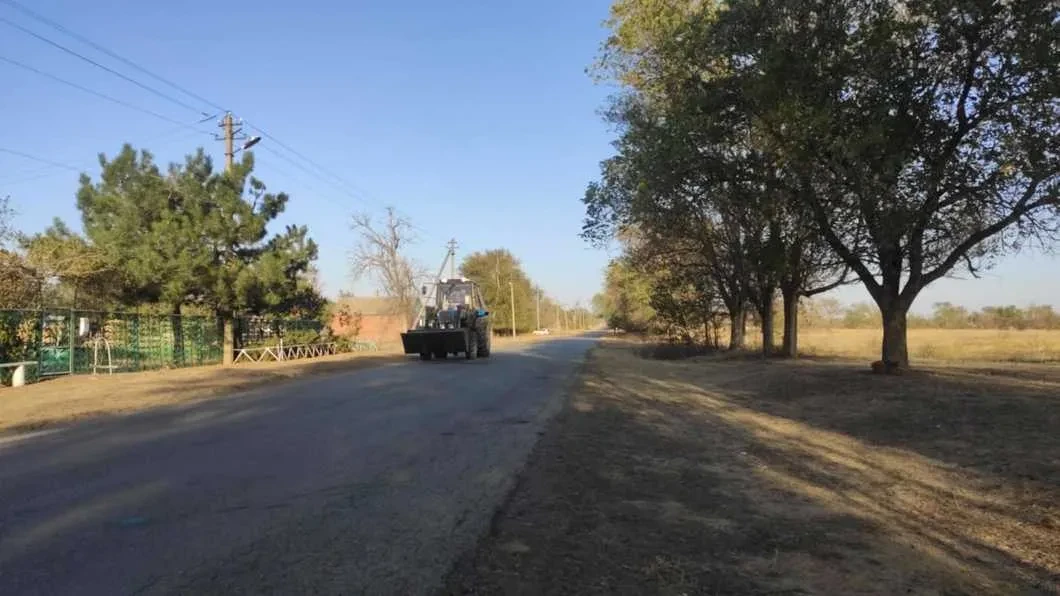
Ilya Plum regularly appeals for material support to the authorities. His large family received assistance for repairs, buying clothes for schoolchildren. Now he hopes to obtain compensation for coal: for the heating season, 40–45 thousand rubles are required.
The state does not intend to pay for the water, which is spent on almost the entire official income of the rural family.
According to the Decree of the Government of the Rostov Region No. 212 dated December 09, 2011 “On the procedure for spending subventions coming to the regional budget from the federal budget for financial security for the costs of paying for housing and communal services provided by certain categories of citizens ...”, large families are entitled to compensate for part of the costs of utilities, including the payment of water supply.
But the authorities are ready to allocate money for the purchase of water, which is supplied to the benefits of water supply. And no one in the government is going to admit that a large family does not have access to water supply at all.