
Translated material
Fleet from cities
Will residents of megacities be able to stop the death of the Russian village? Reporting from the round table of the All -Russian Civil Forum
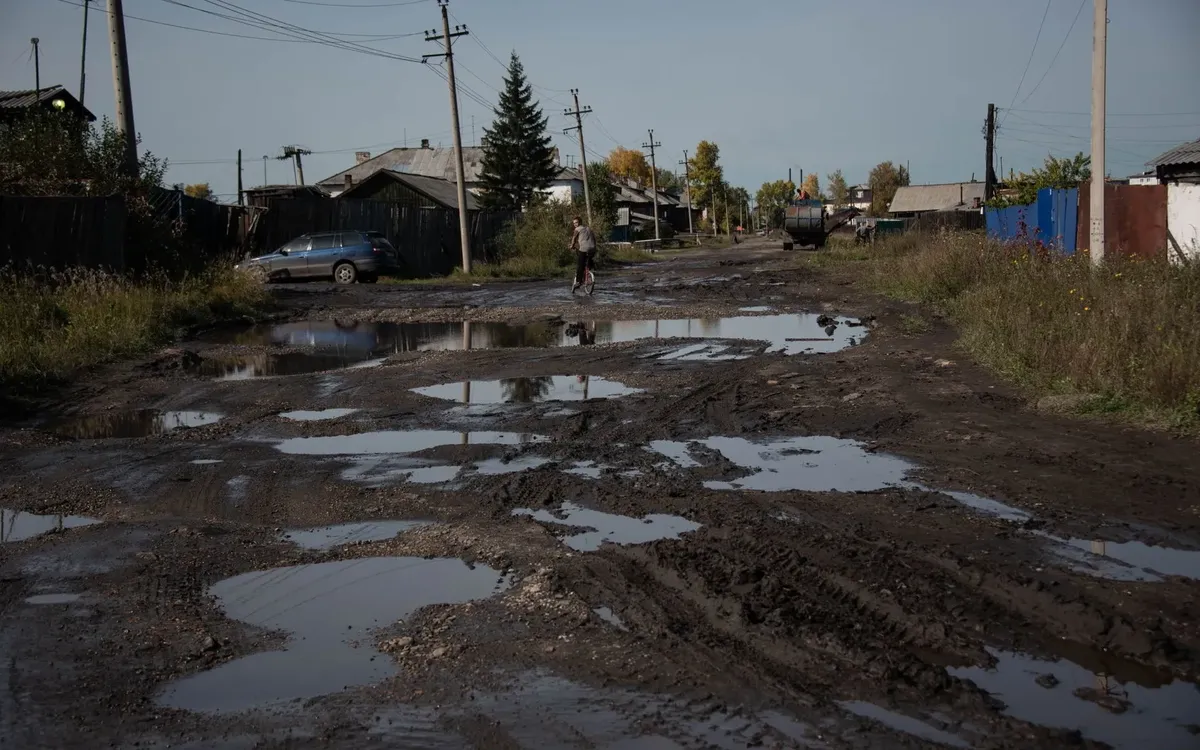
Within the framework of the All -Russian Civil Forum (OGF), a round table was held on the topic "Whether villages, villages, eco -settlements and other small territories are ready to accept immigrants from large cities." During the discussion, the participants discussed whether the Russian villages and villages will be able to accept the urban population with what difficulties the immigrants may encounter and how can the risks of desurbanization be reduced.
As the coordinator of the project of the Civil Initiatives Committee “Municipal Map of Russia: Growth Points” Dmitry Sosnin designated at the beginning of the meeting, the main task of the round table was to search for methods of competent desurbanization of society. This process was clearly noticeable against the background of pandemia, when, according to experts,
Only about two million people left Moscow - people left for villages and small cities
(It is true, however, to note that the outflow had a return in nature). A similar trend could be observed in other megacities.
As Sosnin is sure, this trend can be used to attract human capital to small territories. However, to achieve this goal, it is necessary to overcome certain barriers. The last fifteen years, the resettlement from the cities has been marginalized and was considered a type of extreme or downshifting. As a result, not only the inhabitants of the megacities, but also the inhabitants of small territories were suspected of suspicion of it.
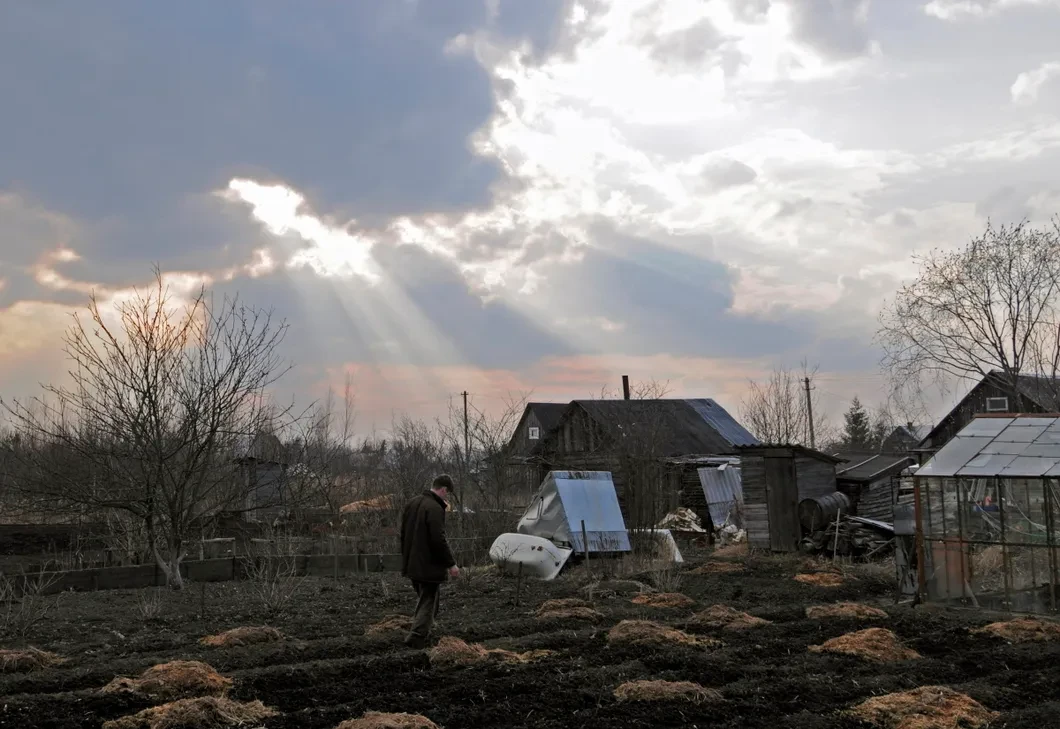
- We say that there is potential for relocation: in many studies it is clear that some of the townspeople would like to leave to live in the village. However, the question was never raised whether the host country is ready to let all these people to itself, ”said Igor Zadorin, head of the Circass and Moderator of the event, the head of the research group and the moderator of the event.
In his opinion, not only the absence in the villages and villages of the usual infrastructure, but also the sociocultural level of the local population plays a significant role in the issue of resettlement.
Many villagers are not psychologically ready to accept migrants from large cities, therefore, in modern settlements, there is often a division into “local” and “visitors”.
The question of how to make the process of resettlement inclusive and most comfortable for both sides has not yet been resolved. On various ways and attempts to build communication “between the megalopolis and the village”, both residents of small settlements, who had already faced the role of the host, and representatives of “resettlement” schools who help the townspeople leave “concrete jungle”, spoke on a round table.
See the topic
Remote on birch.
The first positive example was the Kind Earth project - eco -settlement in the Vladimir region, founded in 2010. Now about thirty families live on its territory. The co -founder of the “good land” Konstantin Lipatov spoke about the experience of building a community, as well as the integration of the new inhabitants, while the first thing he asked to draw attention to, the surrogacy of the entire project. The “good land” is not a common village at all - this is a private project, which was planned as a resource center for uniting several settlements. Attracting new residents of single-minded people is still one of the main goals of the creators of the project, because for the locals the inhabitants of the "good earth" remain completely strangers, and
Good relations are obtained only through economic cooperation.
As stated on the project’s website, one of the priority areas in the activities of “Good Earth” is “a revival in the public mind of an attractive lifestyle in rural areas”. They began to create a settlement literally in a “clean field”, then it was possible to “at least build a road together as a“ entrance ticket ”. Over the past ten years, the situation has changed. Before the start of life in the settlement, it is necessary to go through several natural filters, says Lipatov. To begin with, buy a plot on the territory of “Good Earth” (hectare now costs several hundred thousand rubles). In addition, people can come to various events, get acquainted with their neighbors, study the rules of residence and decide to do this place or not.
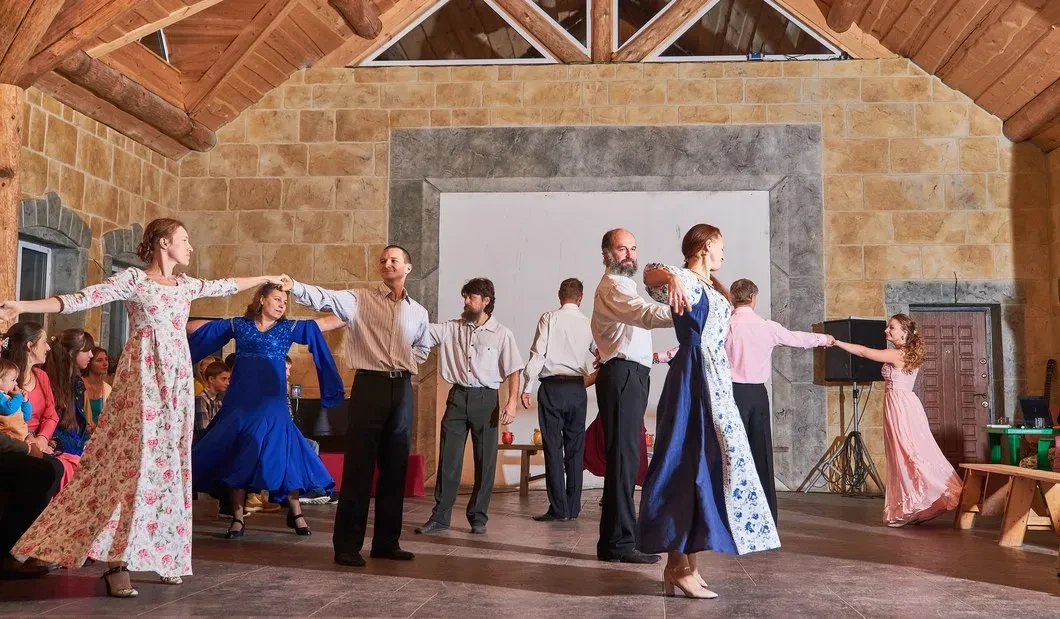
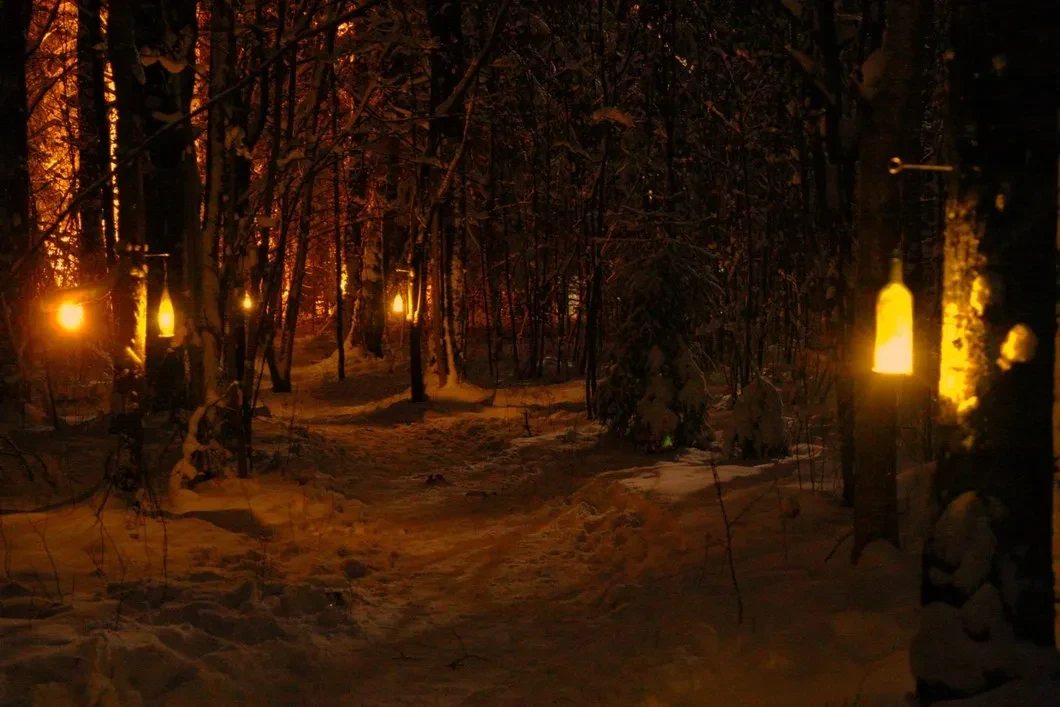
- Now a person can immediately integrate into the community: get the land in the property, connect to networks, and give the child to a family kindergarten. Now we are working to answer the requests of those who come as much as possible. The world is now very mobile, I think that anywhere we have opportunities to create an environment for talented people, ”says Lipatov.
The history of the classic village of Ivanovskoye on Lecht in the Yaroslavl region, which has been returning to life, looks completely different in a different way. An important role for the revival of the village was played by the school. Now it is actually a city -forming enterprise for several settlements. According to its director Vladimir Martyshin, thirty years ago the village was not much different from other depressed territories of Russia. Martyshin moved there in the early 90s and immediately took up the reorganization of the municipal school for 56 people. The process took four years. In addition to ordinary objects, Martyshin included in the program such objects as “kind -love”, “fatherland”, “my genealogy”, and also introduced the teaching of music, painting and choreography (all of them were introduced within the framework of educational rules).
- After a while, the people rushed into the village to send their children to school. Today, normal education and education are in demand. In total, about four hundred and fifty people moved to live in our region. Now about two hundred children are studying at the school, ”Martyshin says.
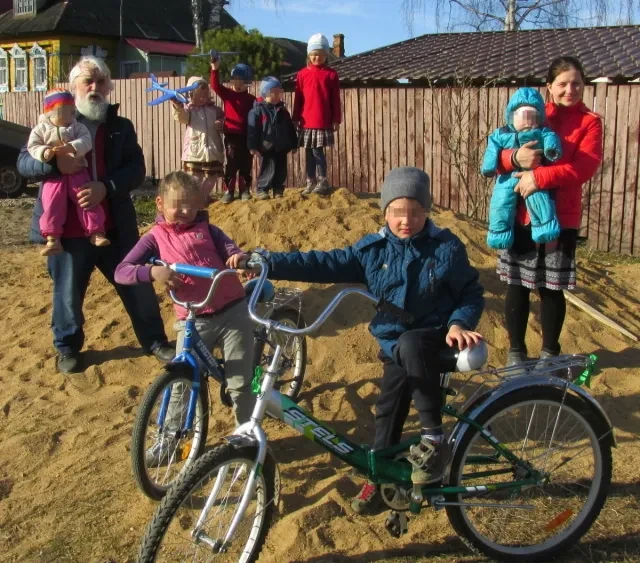
According to sociologist Nikita Pokrovsky, now moving to the village is becoming fashionable and becomes a “hipster” occupation.
However, in his opinion, the “village” is not ready to accept the inhabitants of megalopolises as much as possible. For example, in small territories, the “immigrants” are resisted by local authorities, which in the regions have a serious influence.
- They do not need citizens in any form. Residents of megalopolites are competent, knowledgeable people who see perfectly what is happening in small territories. And there, in turn, there are a lot of gray economy, poaching and non -normative use of resources, ”Pokrovsky explains.
At the same time, as sociologist Vladimir Yakimets adds, some categories of citizens are still ready to accept. According to studies conducted in the Kostroma, Yaroslavl region, as well as the republics of Tatarstan and Crimea, there are a request for specialists in the field of healthcare, as well as young managers to municipal bodies.
Schools of "immigrants" are trying to increase the readiness of rural settlements for the reception of citizens. Three of them performed at the round table: Antonina Kulyasova, author of the Forest School on the mouth in the Arkhangelsk Region and the Ecopotok school, Olga Dolgova, the pinerator of the Melnica Space artillery in the Tula region, as well as Katya Zatuliteter, the founder of the Altourism project.
According to Kulyasova, her team began to work with youth from the regions to show what opportunities the village provides them and whether it is worth returning there after completing their studies in the city. Then the idea grew into an online project for those who are interested in the development of rural areas. In addition to online learning, people can also come and work out “in person” at the school site in the Arkhangelsk region: teachers allow them to plunge into rural life for several days or for a week.
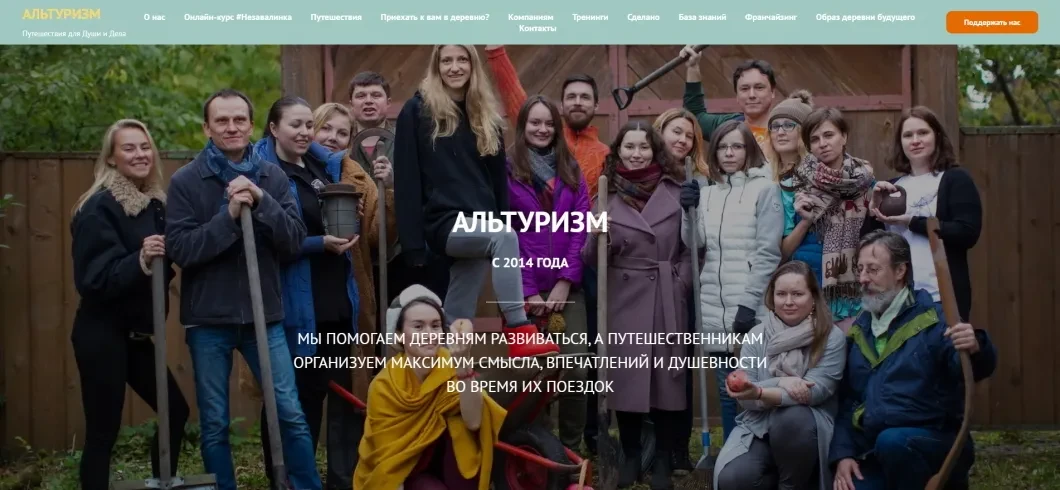
- The process for moving to the village is complicated, because the locals have their own view of how the village should live. In addition, a person should move to the village with a team, alone is a dead end, a person closes in himself. In addition, individualism of the rural settlement can tear off, ”says Kulyasova.
As Olga Dolgova notes, the path of immigrants also complicates the fact that no one understands the systematic nature of the problems: “Everyone looks at them from their sides,” so it is not possible to build a cultural exchange between citizens and the local population.
- Often, a citizen who moves to a small territory runs from the city and denies the city. This escape immediately overlaps the flow of cultural exchange between residents.
“In addition, from the denial of the city, uncertainty is born and fear that a person cannot bring anything good from the city to the village,” said Dolgova. At the same time, in her opinion, it is possible to build trusting relations between visitors and local ones, but only if the leader of the "immigrants" is not one person, but the whole community. "
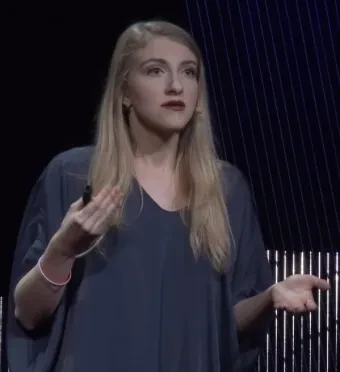
- There is only one criterion according to which you can understand whether there will be a wave of resettlement from the city to the village or not. This is the desire and intention of local residents. It can be five people throughout the village, and people living in the distance, but who want to even get a second life. Then this territory has a chance. It does not matter how accessible the territory is and what medical services can be obtained there. All this will begin to develop if the inhabitants want development, ”says Katya Zapatulvether, the founder of the Altourism project.
According to Zatuliteter, the local community should decide what people they need for the development of the territory, and immigrants should already come to the land for the land. Then you need to create a certain system of settlements where it is possible to move, then city residents will be able to choose the most comfortable living conditions for themselves and find the place where they are in demand. Only then can the movement of immigrants be massive. In this case, the power should be connected only at the last stage.
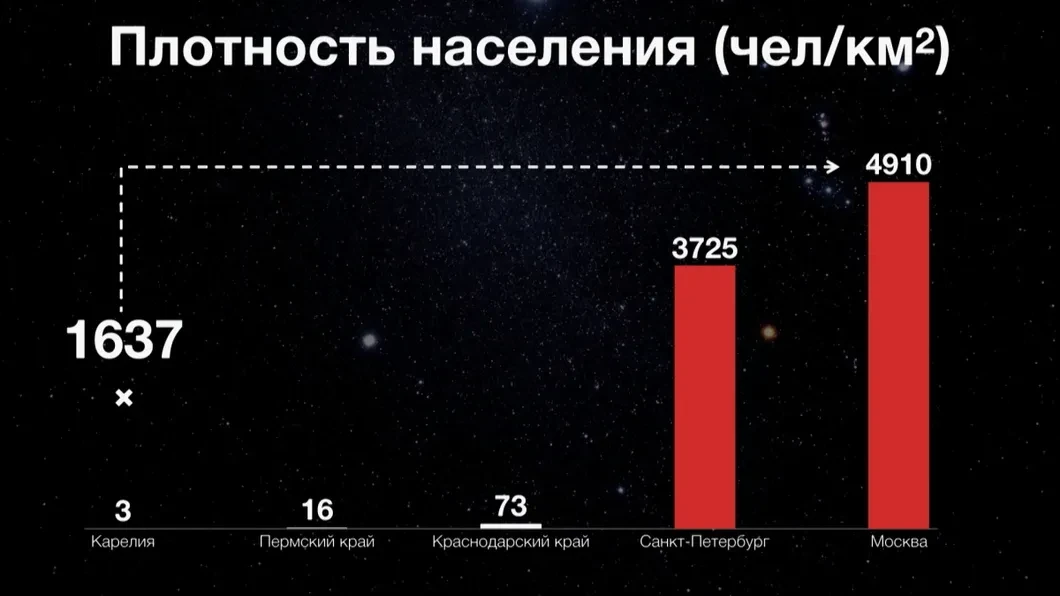
-If there will be at least some attempt to solve the problem from above, all developments will be crossed out over the past fifteen years. We'll have to start all over again. We begin to raise people from below so that they themselves can decide what they want to do with the territories in which they live, this process has already been launched. Any decision from above can destroy this situation, ”the Zatulitever sums up.