
Translated material
The Central Banks pumped up a crypt
Why did Bitcoin take off to $ 18 thousand again and whether the "cryptolichor" three years ago will be repeated? Explanes the expert
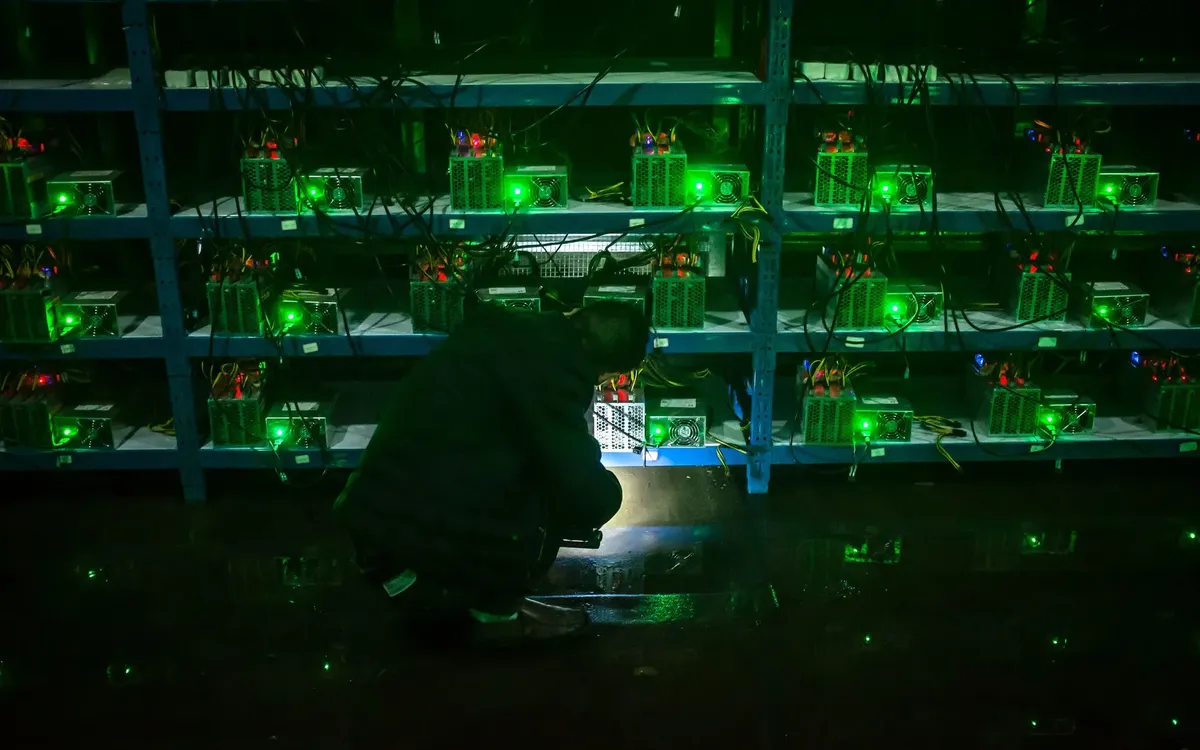
The Bitcoin course took off to the historical maximum again, although it seemed that the “bubble” of cryptocurrencies was blown away a few years ago. The cost of bitcoin compared to March minimums increased by 374% and exceeded $ 18 thousand (at the peak of popularity in 2017, bitcoin was sold at $ 20 thousand). Today, the most popular cryptocurrency in the world has set a new record for total capitalization - $ 341.95 billion for comparison: the total capitalization of the gold market is $ 9 trillion. New Gazeta asked the managing director of the Moscow Partners investment company Yevgeny Kogan to explain the reasons for the new cryptolichorada and evaluate the closest prospects for Bitcoin.
- What is the rapid growth of the Bitcoin course this time?
- This is directly related to the monetary pumping of markets, with [anti -crisis] programs of quantitative softening that go from all sides: this is the Bank of England, the Fed, and the Russian Central Bank - all these freshly printed money pressure the cost of assets. Please note: for example, copper in March cost less than $ 5 thousand, now it has already struck $ 7 thousand upstairs. Aluminum also swiftly flies up. And so with all the "Commoditis" ( *Exchange goods that are actively traded in the markets. - *n. G. ). There is an increase in the cost of shares of companies. The same thing with bitcoin: a huge money supply spreads in all directions.
In addition, bitcoins and in general cryptocurrencies are a certain answer of humanity to that madness with the regulation that is happening today.
Regulation is growing, the nuts are twisted, the demand for cryptocurrency increases. The unification of these factors pushes prices upstairs.
- Will the influence of these factors remain in the medium term, that is, crypto actors will continue to grow?
- More recently, we saw cue ball at $ 5-6 thousand, and today we are already approaching $ 20 thousand. Factors that affect the growth of bitcoin act for a long time. And, most likely, they will still act. Cash pumping will clearly continue: people will sit on the quarantine for some time, and the central bank will help the economy for another 4-6 months. Ultronized bets in Europe will hold at least two years for sure. The ultraliberal monetary policy, plus pumping, plus aid bag is not five minutes, and this will not stop in the near future. So I think that the growth potential and "Commoditis" and there are still cryptocurrencies.

-How does the current growth differ from the "cryptolicho" three to four years ago?
- The nature of the growth of the Bitcoin course is now partially the same as in 2017, but then there was more excitement, and today, rather, the same monetary pumping, regulation and tightening of financial regulation lead to an increase in prices for crypto assets as a certain alternative.
- They say that by buying bitcoins, investors are insured by inflation, which can be dispersed by a great -furry monetary policy. Are there any grounds for such fears?
- World Central Banks would dream to begin to grow inflation expectations and inflation. They move on to targeting policy and really want inflation, perhaps even more than the planned 2%. If inflation is growing, then people run to buy various goods and services, they are ready to pay more for them. That is, inflation will now not interfere with the world, but, unfortunately, deflation trends are prevailing, which is much more serious.
- Why is bitcoin perceived as a protective asset, despite such an unpredictability of the course?
- Protective assets are only short on the repayment of bonds of over -reaches and states that have good financial discipline. If people call Bitcoin a protective asset, they probably do not quite understand the nature of protective assets, because even such a traditional protective asset as gold can be called protective only with a very high degree of convention. Gold protects both inflationary processes, and from geopolitical problems, but from the fall of the market , it does not protect at all.
- Can Bitcoin once bypass gold by general capitalization?
- We can assume trends, but the problem is that it is impossible to assess the cost of cue ball. Now there will be many analysts who will hit themselves in the chest and bring their arguments, but this is all from the field of palmistry. A normal person who considers himself an economist to predict what will happen in this situation, it is simply professionally unethical. We simply do not have a mechanism for assessing the cost of cryptocurrencies.
- How are cryptocurrencies used in the economy?
- Many people use cryptocurrencies as a means of payment, if not in stores, then among themselves. Many businesses accept the crypt as payment for various goods or services. Perhaps some types of crypts are used more often. Generation preferences have changed:
For young people born after 2000, it is normal to pay a crypt, as well as buy Tesla for unreal money.
Just because it is cool. This is another world.
-Could an increase in the cost of bitcoin somehow affect the ruble exchange rate, for example?
- To be honest and briefly, no. Our economy does not depend on the Bitcoin course. The well -being of individuals who do this and who have stocks of bitcoins depends on this. But this has nothing to do with the Russian economy.
Ksenia Kotchenko - especially for "New"