
Translated material
"Genius is doomed." Golgotha Pavel Florensky
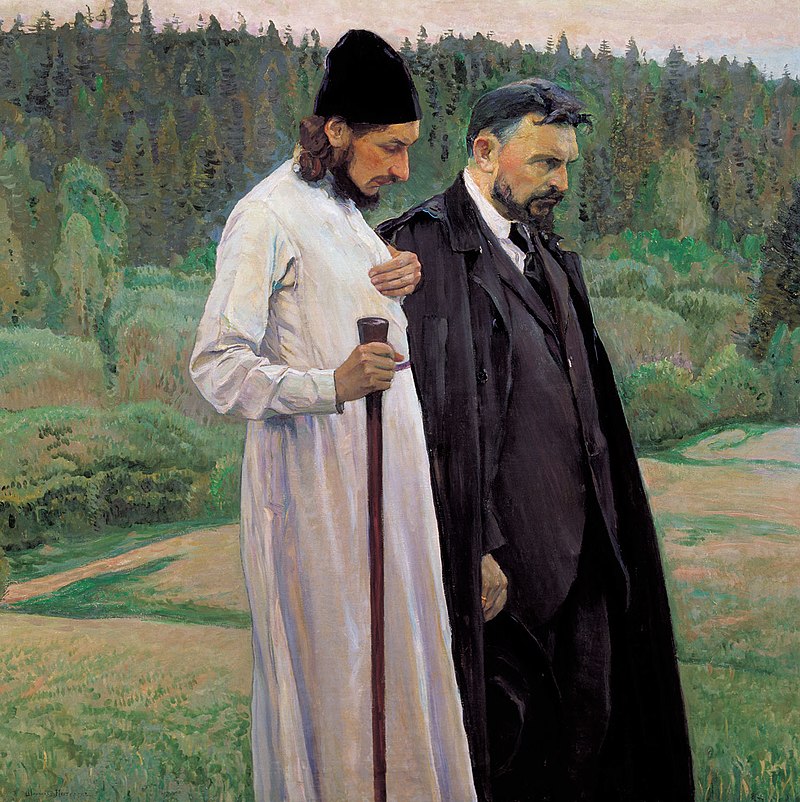
On November 25, 1937, a special three sentenced to the highest degree of punishment of the famous religious philosopher, scientist, Orthodox priest Pavel Florensky. His grandson Pavel Vasilievich Florensky managed to reveal the secret of his grandfather’s death, which he told the correspondent of the North. Realia.
Pavel Florensky was born on January 9, 1882 in the town of Evlah Elisavetpol province, in 1899 he graduated from the second Tiflis gymnasium with the gold medal. His parents were of different religions, so there was no house of religious education at all - the gymnasium student Florensky did not even know how to be baptized correctly. But at the age of 17, he survived two bright visions described by him later in the “ Memories ”: in one case, the word “God” seemed to lead out of the gloomy underground prison, so he woke up with a cry: “No, you can’t live without God!” In the second case, he woke up from a certain push and jumped out into the courtyard, where his voice clearly called him twice: "Pavel! Paul!" Under the influence of these incidents, as well as the teachings of Leo Tolstoy, Florensky decided to immediately go to the people, but his parents opposed this, and in 1900 he entered the Physics and Mathematics Department of Moscow University. There he met the poet Andrei Bely, and through him he entered the circle of Moscow and St. Petersburg Symbolists. In 1904, Pavel Florensky entered the Moscow Theological Academy. After the execution of Lieutenant Schmidt, the sermon of the Florensky “Blood cry” thundered throughout Russia - a passionate speech against the death penalty, for which he was put in prison for three months, but was released after the intercession of the Rector of the Theological Academy. In 1911, Florensky accepted the dignity of a priest.
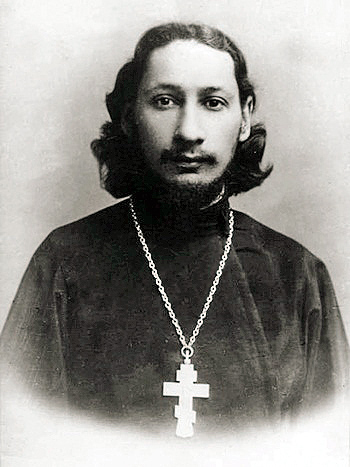
After the revolution, he worked in the Commission for the Protection of Monuments of Art and Antiquity, tried to preserve in the current state the Trinity-Sergius Lavra. Such works of Florensky as the “pillar and affirmation of truth”, “the waters of thoughts” put him into a number of the largest Russian religious philosophers: Vladimir Solovyov, Nikolai Berdyaev, Sergey Bulgakov. Pavel Florensky made a significant contribution to the development of technology - he worked at the Karbolit factory, was engaged in material science at Glavenergo, participated in GOELRO, published about 150 articles in the Technical Encyclopedia, received 12 copyright certificates for inventions in the field of chemistry.
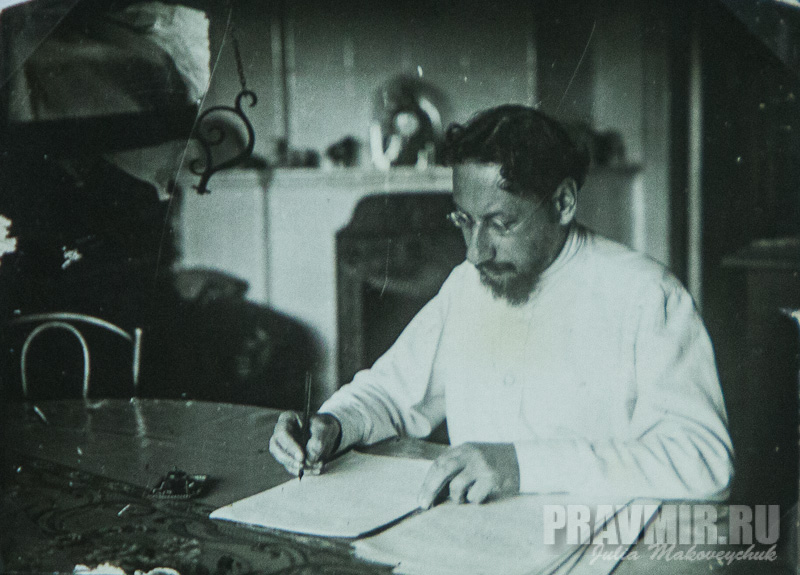
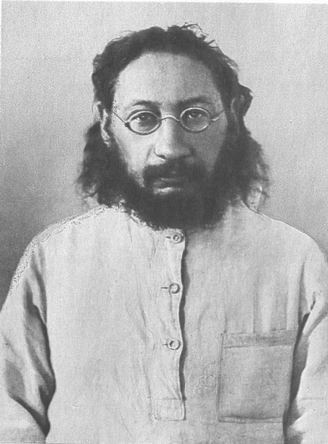
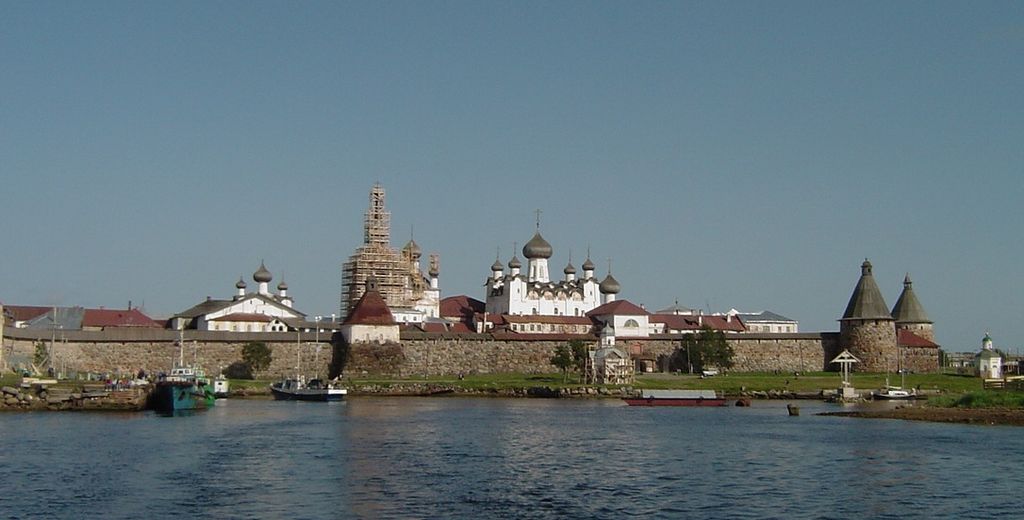
In 1928, he was sent to Nizhny Novgorod, where he worked in a radio laboratory. Soon, the efforts of Catherine Peshkova Florensky were returned from exile, but he refused emigration to Prague. In 1933, he was arrested in the fabricated case of the "National Fascist Center" "" Party of Russia "and sentenced to 10 years in prison. In 1934, he got to the Solovetsky special forces, on November 25, 1937, a special three sentenced him to the highest extent punishment. The verdict was carried out on December 8, 1937.
Priest Pavel Florensky had five children and 12 grandchildren. Today, the memory of an outstanding scientist and theologian is preserved by his descendants. According to the eldest grandson of the theologian Pavel Vasilyevich Florensky , the memory of his grandfather was revered in his family as much as he remembers himself.
I was afraid of my last name
- Our beloved grandmother Anna Mikhailovna Florenskaya, in the girlishness of Giacintova, is the head of the family, she is the most remarkable person. Thanks to her in our family, there was always a cult of grandfather. And this gave rise to some tightness of the whole family. My father and his brothers and sisters were children of the enemy of the people, we regularly reminded us of this, and we were somewhat closed, sealed. I was afraid of my last name. In addition, I went to church since childhood, and if they ask, it is impossible to abandon God, so the horror of a self -school always held me in a restrained state. All this especially affected my father, Vasily Pavlovich, the eldest son of Pavel Florensky. My father and grandfather lived in the service apartment of her grandfather from Vei ( the All -Russian Electrotechnical Institute. - SR ), so at night they came to take grandfather in the presence of his father. It was 22 to his father. Father vowed his grandmother, in letters there is, that he would always give her half the salary. And now, already at four of his children, he still gave the huge part of the salary, which the sisters later used.
- And when did you find out about your grandfather?
-Yes, when he learned himself, when he began to understand something. I learned only from the words of my grandmother, my father never spoke about him, for him it was an absolutely closed topic, he was silent about him very loudly. I grew up in Zagorsk, in our family house - this is his office, this is his table, here he was sitting on this chair, this is his book, just don’t touch and do not tear. A considerable part of them has been preserved.
"Advise with" Marya Akimovna ", that is, pray to the Virgin, friend!
His portrait was in the apartment, and the grandmother constantly said-but as if grandfather reacted to that and that. He was always present, everything was saturated with his grandfather. In addition, he just reached me. When I was born, I had an inflammation of the peritoneum, it was in the summer of 1936, very hot summer. And in his letters of this summer we read: "I think of you," it means - he prays for me. There are quite a lot of such allegories-for example, "Your Posad holiday", this means Troitsyn Day, "Your Day" is someone's day of an angel. Yes, this is a lot of where it is said - for example, I read about one old man who wrote in letters to his spiritual children: “Advise with Marya Akimovna, that is, prayed to the Virgin, friend! Such unexpected things are found.
His sister Julia Alexandrovna Florenskaya smeared my stomach with an oil from the relics of St. Sergius. So the first one and a half years of my life I lived under the control of my grandfather - until he was shot. And then I began to collect bibliography - I collected the slightest mention in literature. In the 1930-60s, he was also crossed out from everywhere, along Orwell. The "Institute of Pravda" worked perfectly - they did not know grandfather. There were only 5-10 random references-say, somewhere in the collection of work on ditties or in the book on the melting of the basalt. Although his youthful work “Pillars and the Assistance of Truth” turned a lot to the church, there was no church literature, and this, in the interval between science and religion, was read. And there were his articles in the "Theological Herald", which at first no one knew.
Grandfather was an absolute statesman and patriot, dissidentity in our family did not smell
The first big article about him was published by Tartu structuralists led by Lotman, they really liked it, they began to promote him - so to speak, broke a hole in the default wall. We did not send anything to the West-firstly, fear for the sake of the Jew, and secondly, the grandfather once forbade. We kept the manuscripts of Rozanov , then Kirill Pavlovich gave them to Tatyana Vasilievna Rozanova, whom I remember well. And she handed everything to the rgali . Well, when they were stored with us, they were asked from Paris from his grandfather to publish, but he refused - not only because it was forbidden, but because he believed that Rozanov was not for the country to publish. Grandfather was an absolute statesman and patriot, this is evident in his work "the alleged state system in the future." Dissentry in our family did not smell, although in my youth I was friends with very many dissidents - with my exotic surname I was accepted everywhere as my own. Alik Volpin, the son of Yesenin, is one of my close friends.
- And when did you get acquainted with the letters of your grandfather?
- In 1962, returning from the expedition to Central Asia, I flew to Tiflis. There lived the niece of Pavel Alexandrovich, Olga Georgievna Koniashvili, the daughter of his sister Elizabeth. And she handed me a pillowcase with parts of the family archive. The family was Tiflis, and his grandfather studied at Moscow University and wrote home to Tiflis. I published these letters - in four years of his studies, two volumes of correspondence with the family turned out. It was very dangerous to engage in this, believe me, we were very afraid - first of all, that the manuscripts would take away, we understood their value.
Когда я доказал бабушке свою состоятельность – то есть стал что-то издавать, она мне передала весь корпус его писем
I was afraid to give the originals to the driver, so I copied by hand, and only then the drivers were copied to me on cars. Later, since 1962, we have already become a secret to work on letters. But who we are - this must be designated especially. We did this with Allycain Albertovich Sanchez, the son of the Communists who fled to Russia. His father is an artist Alberto, from the constellations of the Great Spaniards: Pablo Picasso, Garcia Lorca, Pablo Nerud and others. From the words of his father, Allykan told me a lot about them. His mother, Clara Franciskov (patronymic, was given to her already according to our tradition) from the ancient Spanish aristocratic family, was the personal secretary of the passionarium - Dolores Ibaruri . The manuscripts of late works were at home, but they were banned. Then, when I proved my viability to my grandmother-that is, I began to publish something, she handed me the entire corps of his letters.
- But, probably, everything changed when the thaw began?
- Thaw? Yes, full of you! All ideologically competent and reliable editors and censors remained, and they stood at their trough-a workplace. The publication was worth incredible efforts and the fight against the damned editorials as I hate them! It turns out that in psychiatry there is even a term - an editorial sadist. They strove to edit one of the largest philologists in Russia, Florensky with their curve with vocabulary, they had a lot of nerves to me - but I, too. Two retired because of me-I am proud. Father forbade even starting the case of rehabilitation, he was broken. He died in 1956, and only some time after his death, the grandmother and the second son of Pavel Florensky - Cyril began the case of the rehabilitation of his grandfather. And his father’s brother Kirill Pavlovich was a completely different person than my father, he walked from Stalingrad to Berlin, was the foreman of artillery intelligence, looked all the time into binoculars - he hit, did not hit - a tidbit for a sniper. And the third brother until 1943 retreated from Lviv, fortunately, not surrounded. Happily returned from the war, was a drill in Kamchatka, but died, the car rolled over. And Kirill Pavlovich was a planetologist, he was the first to hold in his hands the Soviet lunar soil, his name was named after the crater on the back of the moon. So the Florensky crater is not Pavel Alexandrovich, but Kirill Pavlovich. He blessed us to begin to publish his grandfather’s works, but each edition was a feat, a scandal and a whole story. The article " Reverse Perspective " was published in Estonia by structuralists, the honor of them and praise, but I dream of publishing it with two fonts: bills with one font, and everything else is another. The meaning of these bills today is absolutely incomprehensible, but then these were things that are dangerous to the life of publishers. The Florensky who has come to us now is my work and my cousin, abbot Andronik (Trubachev). This is the son of the daughter of Pavel Alexandrovich. He dedicated this all his life, I - half or a quarter. But now most of Pavel Florensky’s unrelated works have been published, there are very few - all sorts of leaves, notes, sketches of articles.
- As I understand it, you managed to establish a chronicle of recent years and even days about. Pavel Florensky?
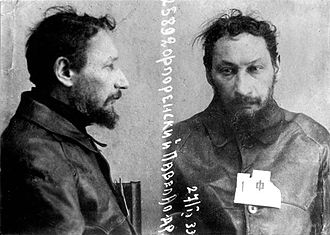
- I was given my grandfather’s business in the reception of the GKB on the Kuznetsk bridge. And then his photocopy - she lies at my house. I must say about this period of "rehabilitance" that the Chekists behaved very worthy. When Andronics sent requests, they have not yet been given cases, but he was written in detailed explanations on several pages, landing history, and so on. I have gabists of that time cause a reverent attitude: as Anatoly Razumov, the head of the Center “Returned Names”, told me, it impressed that they repented and wanted to do good. Well, maybe at least some of them. For the first time, I did not reach the reception of the NKVD, the second time I was late - he was waiting for me, scolded me calmly, and then, before issuing the case, they had a conversation for a long time and reassured, as far as I remember, they had a bubble with Valerian. I am a native Muscovite, on the Kuznetsk bridge there is both a pet store and philatelist, and I was both a young biologist and philatelist, this is my native place, and nearby, through the front line, this is the same reception room. But I came out of it - and got lost: where, I say, the metro - yes, around the corner. And then the matter was allowed to rewrite, but I came with a tape recorder, I spoke the text to the disks, however, the last confiscated, but the first option was just like that - partially written by hand, partially printed out of my voice. The certificate of execution, signed by Polikarpov, has already been found in Arkhangelsk, it was published by then. And I first rushed to look for her. Touched. A terrible thing. And the torture case, interrogations, protocols I could not publish. Andronik is a later generation, and he published them. I dreamed of publishing these protocols - to see how my grandfather's handwriting was changing. But I could not even read them - as I read the piece, I closed it right away.
- Did a lot surprise you there, in this matter?
In addition to the prisoner of Florensky, there was a prisoner Florinsky, an employee of the Ministry of Foreign Affairs
- From detective stories - that Florensky was Trotskyist and all the time praised Trotsky. This is really a detective story - the fact is that in addition to the prisoner of Florensky, there was a prisoner Florinsky, an employee of the Ministry of Foreign Affairs. He lived on another island, Muksalm, and there were his own informals, or rather, S.S., secret employees, and folk-sexots. I know the clicks of the sexy grandfather’s sex, I even deciphered the name of one. They sit in one cell, and then write reports - printed on cigarette paper. And here, I look, another sexot, and I was surprised. At the same time, the surname Florinsky - well, I think a typo. But no, he was a different person, and he spoke about Trotsky-supposedly he predicted that there would be a war soon, since there were war in 15–20 years. For their grandfather, they needed to wind downy, and paper about another fell into business - about Florinsky, who is supposedly Trotskyist. Then, for some reason, this Florinsky was taken to Moscow for additional interrogations, and then still slapped. But temporarily we had a panic-and suddenly the grandfather was not shot, because Florinsky was taken to Moscow at the end of 1938, and we decided that maybe this grandfather was carried. But Anatoly Razumov helped us figure out everything.
- That is, a denunciation of another person, Florinsky, was put into the work of your grandfather ...
In this matter, everything is scary - and at the same time there is a higher state of mind of many prisoners, so they survived
- Yes, the surnames are similar. And it surprised me - and why this grandfather suffered to say this, because he was extremely careful, and in letters too. In this matter, everything is scary - and at the same time there is a higher state of mind of many prisoners, so they survived. Calm and dignity. He translates the poems of Firdousi from Persian. He writes to his daughter the characteristics of the poets of the Silver Age, with whom he was well acquainted. I read the characteristic of white at the Museum of Andrei Bely, they were delighted there, awarded me Andrei Bely's medal. There are in these letters about me - my grandfather participated in a discussion of the name of what good, what bad, what you want to get, and this, of course, is the most valuable for me.
- You have been brought up in faith from birth?
- At least the icons were and the grandmother prayed. After the war, the mother was a very involved in the church of the parishioner. I always went and go to church - in Zagorsk. I did not go in Moscow - I was afraid. Although Kirill Pavlovich in Stalingrad, when they began to invite him to the party, said: "I can’t, I have religious prejudices."
- In your preface to the letters of Fr. Pavel Florensky said his refusal to leave for Prague. Ekaterina Peshkova was busy for him, why didn’t he leave, what do you think?
- I am afraid that with these troubles we - the family - finished it off. Peshkova is a great man, I dug in the archive of her committee, she was busy for many and saved some. This is one of the righteous on whom the country was holding. She was busy for him, and her grandmother was busy, and as a result he was transferred to Solovki and shot.
- Why are you so convinced of this?
It is better to be mistaken with your people than to be outside of him in difficult years
- But because he would have sat in Skovorodino, where he was sent, at an experimental permafrost station, and would be engaged in permafrost. His co -soda Pavel Nikolaevich remained there - and returned alive after 1953. Of course, you know the word "scumbag" - so, I think that it came from the works of Florensky and Kaperev. The Gulag Archipelago begins with a description of the ancient lizard frostbitten and eaten by prisoners. In the pre -war "technique - youth" there is a story about how the villains drowned the girl, but then she was pulled out of the water, put in the refrigerator, and she was naked. And the academician V.A. Obruchev has a story about a mammoth thawed in the Neskuchny Garden, which went for a walk and robbed a cabbage garden. So the idea of "scumbags" was already vital then, and I am sure that it comes from the works of Florensky and Kaperev. And so, sitting there, in Skovorodino, his grandfather begged not to touch him - but no, everyone climbed and climbed. He replied sharply to requests that he would remain. Ему приписывают сказанное в разговоре в годы, когда еще можно было уехать: "Лучше заблуждаться со своим народом, чем быть в трудные годы вне его".
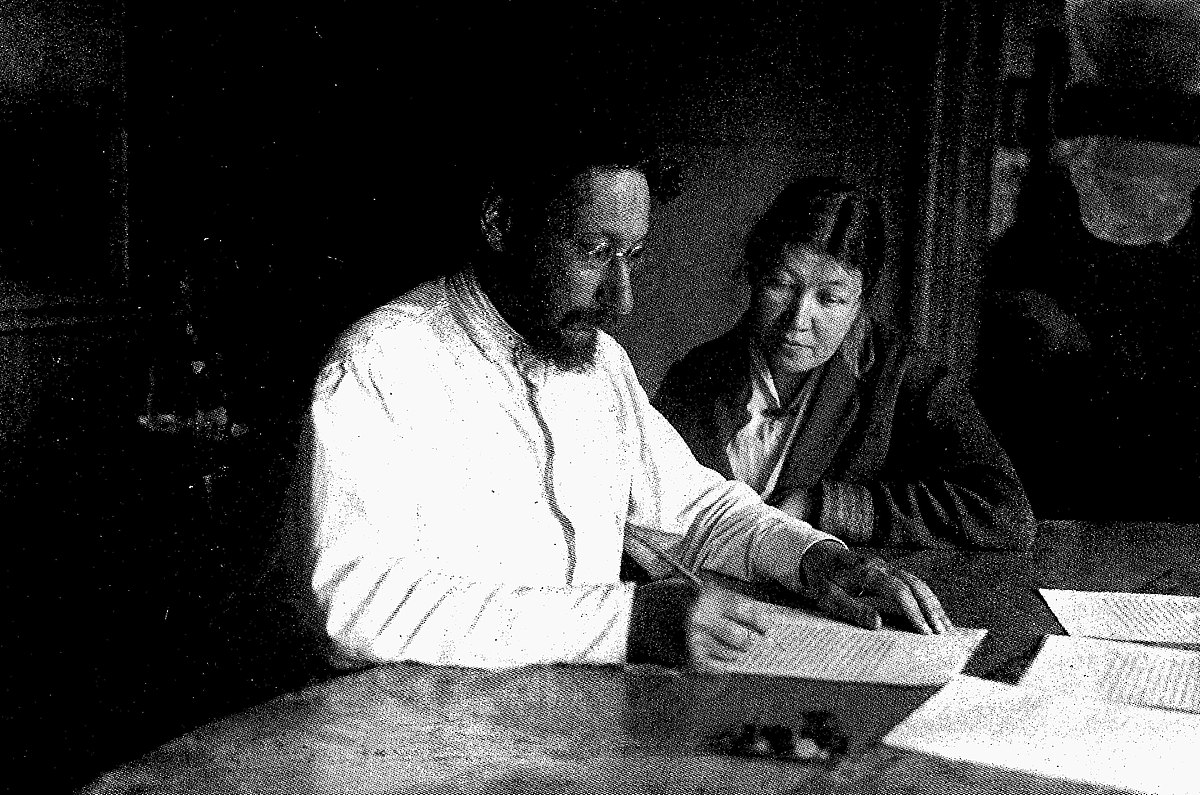
Письма Павла Флоренского жене, детям и матери поражают не только нежностью, подробными расспросами об успехах детей, советами – и как успешнее учиться, и как вкуснее готовить, и как больше общаться с природой, – но и подробнейшими научными выкладками из тех областей, которыми он занимался. На Соловках Флоренский занимался водорослями – и письма к детям снабжены рисунками водорослей и лишайников.
Из письма П.А. Флоренского жене и младшим детям 3–6 января 1937 года
Жизненная задача – не в том, чтобы прожить без тревог, а в том, чтобы прожить достойно и не быть пустым местом и балластом своей страны
"Пусть маленький растет, окруженный любовью и лаской, пусть питается культурно и живет не зная заботы. Наше дело взять заботы и тревоги на себя. А кроме всего, ведь жизненная задача – не в том, чтобы прожить без тревог, а в том, чтобы прожить достойно и не быть пустым местом и балластом своей страны. Если попадаешь в бурный период исторической жизни своей страны и даже всего мира, если решаются мировые задачи, это конечно трудно, требует усилий и страданий, но тут-то и нужно показать себя человеком и проявить свое достоинство".
– В письмах с Соловков часто упоминается “маленький”, то есть вы. Любовь Павла Флоренского к семье, к детям для вас много значила?
– Да, конечно, она дала бесконечное уважение к своему происхождению. Дед моего деда был врачом, полковником русской армии в Чечне, имел боевые ордена, оттуда идет наше дворянство. Его сын был заместителем главы строительства путей сообщения Кавказа, и он своим генеральским званием подтвердил это дворянство. И я – член Московского губернского дворянского собрания, и карточка у меня есть такая. Герб нам нарисовал Фаворский. У дворян есть только одно право, оно же обязанность: служить отечеству. Дед мой этому следовал неукоснительно.
– Часто говорят, что его наследие по-настоящему не прочитано – вы с этим согласны?
Гений обречен – потому что он высовывается
– Прочитан по-настоящему только букварь, Пушкин тоже по-настоящему не прочитан, мало-мальски крупные писатели и философы тоже. Это нормальное свойство гения. Гений обречен – потому что он высовывается. Более того, он обречен еще и сам в себе: ведь как человек он такой же, как все, а как гений он совершенно другой. Тот же Пушкин как человек был сложный, и в то же время это "наше все". Я считаю, что не прочитана главная поздняя книга Флоренского – о будущем государственном устройстве России. В ней он ещё в 1933 году писал о необходимости готовиться к неизбежной интервенции Германии. А тогда мы с ней дружили. Для каждого человека важны не только его труды, но и биография, особенного для творческого человека.
– А что из биографии Павла Флоренского для вас важнее всего?
Вспоминая о прошлом, надо помнить прежде всего не о пытках, расстрелах и прочих живодерствах, а о подвиге наших предков, о противостоянии злу
– В жизни каждого человека самое важное – это смерть. И дай Бог, чтобы она была непостыдной. Дед оставил нам многое, за что мы несем ответственность и перед ним, и перед людьми. Бабушка и его дети сохраняли наследие деда, а мы – внуки – отдаем. Когда конфисковывали библиотеку деда, из дома вывезли четыре полуторки книг, но бабушка умудрилась завернуть в газету и спрятать в чулане его письма, рукописи, бумаги – и почти все сохранилось. Павел Флоренский постоянно продолжал трудиться на службе Отчизне. И я считаю, что, вспоминая о прошлом, надо помнить прежде всего не о пытках, расстрелах и прочих живодерствах, а о подвиге наших предков, о противостоянии злу. Дед постоянно работал, постоянно формировал, оберегал и воспитывал семью. А кроме того, мы не знаем, какой он молитвенный подвиг нес. Молитва – это подвиг всех священников и великий подвиг новомучеников, канонизированы они или нет. Священник Павел не канонизирован, и поэтому он до сих пор продолжает свой крестный мученический подвиг, он его несет через свои труды, когда те подвергаются хуле.
Из письма Павла Флоренского жене 13 февраля 1937 года
"Ясно, свет устроен так, что давать миру можно не иначе, как расплачиваясь за это страданиями и гонением. Чем бескорыстнее дар, тем жестче гонения и тем суровее страдания. Таков закон жизни, основная аксиома ее. Внутренно сознаешь его непреложность и всеобщность, но при столкновении с действительностью, в каждом частном случае, бываешь поражен, как чем-то неожиданным и новым".
Я списался с ним и, помнится, послал ему священный Коран
– Четыре тома изданных мною писем с Соловков – это четыре сотни писем четырех выдающихся людей: Николая Ивановича Брянцева (1880–1937), одного из создателей Урало-Кузбасского комбината, Алексея Федосьевича Вангенгейма (1881–1937), создателя метеослужбы СССР, Романа Николаевича Литвинова (1880–1937), химика из Нижнего Новгорода, и священника Павла Флоренского. Мы – их потомки – дружим. Их окружали разные люди. В тридцатые годы диктат уголовников несколько ослаб, да и вообще состав соловецкого лагеря был элитный. Флоренский пишет (не называя по правилам имени) о многих хороших людях, и кое-кого я разгадал. Например, двое чеченцев, которые спали с ним на соседних нарах, их потом вместе с ним расстреляли: Хасан Абдылкадыров (1892–1937) и Абуязит Самович Саиев (1904–1937). Я нашел их потомков, мы с ними покуначенные, так как прах наших предков перемешался, то есть мы теперь кунаки, родственники. Когда я недавно был в Грозном, то мы собрались вместе. Но уже не было среди них племянника одного из соузников деда, Абуязита Самовича Саиева. Он писал своему младшему брату, что ему не выбраться отсюда – и ты назови своего будущего сына в память о месте моих страданий Соловко. So it was. Я списался с ним и, помнится, послал ему священный Коран.
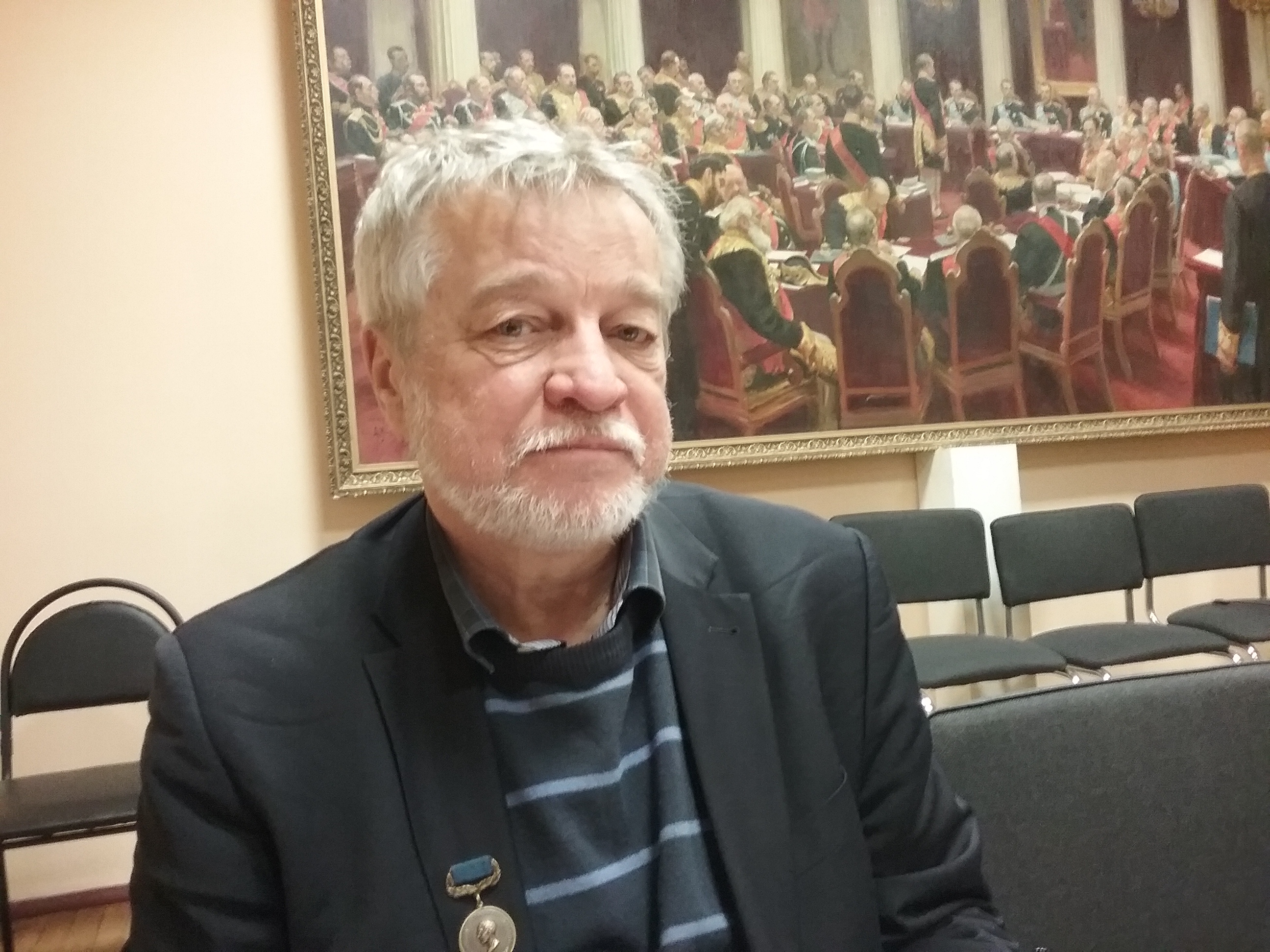
Историк Анатолий Разумов считает неправильным представление о том, что пытки стали применяться к арестованным только во время Большого, по его словам, эта практика существовала всегда, поэтому можно предположить, что самое страшное выпало и на долю Павла Флоренского, хотя его первое дело, еще не расстрельное, относится в 1933 году.
Мы же у нас в стране даже из сохранившегося не знаем много – агентурной разработки, например, секретных осведомителей
– Он претерпел самое страшное и, может быть, как человек такой глубины, в самой тяжелой форме. Ведь пытки – это не только физические пытки, это еще ерунда, а вот чем они его доставали, как мучили и какие подходцы забрасывали – при его детях, семье и всем остальном – мы же этого не знаем, это же скрытое дело. Мы же у нас в стране даже из сохранившегося не знаем много – агентурной разработки, например, секретных осведомителей и так далее. И потом, чекисты очень многое уничтожили, и я себя чувствую палеонтологом, который какую-то косточку имеет и по ней пытается восстановить все остальное. Да, я думаю, Флоренский многое претерпел, чтобы сохранить жизнь своим родным. Кроме того, следователи ведь всех обманывали: вот тут мы с вами сейчас это запишем, а потом будет суд, там все докажете, расскажете – но дальше шли заочные осуждения, и никто никому ничего уже не доказывал. И до сего дня ничего не переменилось.
– Сегодня внук Флоренского, Павел Васильевич Флоренский печалится, что хлопоты семьи и Екатерины Пешковой не помогли его деду, а, наоборот, погубили его – вы согласны с такой версией?
– Когда я еще публиковал первый очерк о Соловецких этапах , я подумал, что надо ухватиться за какое-то имя, не обо всех сразу думать, и я выбрал Флоренского, побывал и в его московском доме, и у Андроника, и потом написал, что Павел Флоренский, как и многие в его положении, был единицей плана. Подумаешь, перепутали Флоренского с Флоринским, да так и прихлопнули – а где, мы не знаем до сих пор. То есть единицей плана он был в 1933 году и единицей плана – в 1937-м.
– А вдруг действительно – если бы его не перевели на Соловки и оставили заниматься мерзлотой, он бы там как-то выжил – могло такое быть?
Уничтожали – потому что уничтожали
– Да его и там могли под расстрел пустить, там ведь такие же расстрельные планы были. У меня целые книги памяти Амурской области – о расстрелянных в БАМлаге. Каждый лагерь получал такие планы, а Павел Флоренский – для этих дел был лакомый кусок. Да и потом, кто же знал, что его именно в Соловки засунут? Я думаю, это все – размышления постфактум. Но для советской власти все это были враги, они чуяли, кто от советской власти нос воротит в ту или иную сторону. Все эти гадания о том, почему уничтожали, – это размышления послевоенных лет. Уничтожали – потому что уничтожали. Это сейчас, из нашего времени, соединив все линии, можно придумать любые спекуляции. Он же и на Соловках хорошо работал, изучал водоросли, наладил производство на их основе и, наверное, работал бы дальше, если бы не подонок Петр Семенович Раевский, который был прислан туда начальником тюрьмы, а сам ухитрился занять более спокойное место – заместителя начальника по оперативной части.
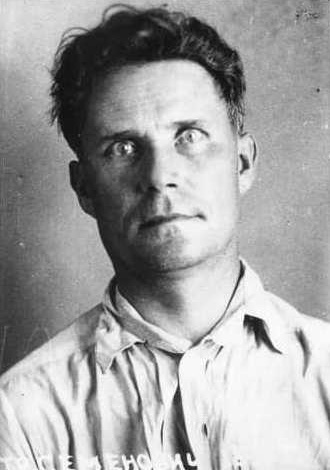
Ведь это он изобрел повстанческую организацию на Соловках . По его запросу туда пригнали целый дополнительный конвойный батальон, был получен лакомый для них план на расстрел 1200 человек, потом еще 500 человек, потом еще один – всего было три расстрельных лимита. Если бы не этот рваческий план по лимитам, если бы не случайное попадание доноса на одного заключенного в дело другого – может быть, Флоренский и уцелел бы, может, его и не сунули бы в этот список. Ведь это же все – сплошная бухгалтерия.
– То есть это случайное попадание?
- Certainly. А разве можно специально оперуполномоченному подсунуть в дело другой донос? Флоринского-то ведь тоже надо компрометировать, он ведь в том же расстрельном плане. Так что, конечно, случайно: единица плана. У Флоренского по первому делу был большой срок – 10 лет, это первый признак, по которому можно сунуть в расстрельный план, туда много таких попадало: 10 лет – это уже неплохо. Ну, а еще есть донос о контрреволюционных разговорах – вот и все, по формату подходит. Это, конечно, тоже все догадки, но есть показания оперуполномоченного Кузьмичева, которые я опубликовал в восьмом томе "Мартиролога", его допрашивали в 1960-х годах в связи с делом Раевского, с расстрелами и прочим. Он рассказал, как это было: подбирали заключенных, да и вставляли в план. А чекист Раевский к 1937 году был начальником Костромского горотдела НКВД, у него была блестящая карьера: награжден боевым оружием "браунинг", почетный чекист, капитан госбезопасности – это очень высоко для начальника костромского горотдела. И ему предложили в начале 1937 года стать начальником Соловецкой тюрьмы, а он сказал, что по здоровью готов быть только замом. Он такой вертлявый человек, на допросах одно говорил, во время реабилитации другое, но в любом случае ясно – знаете, как бывает, директор библиотеки один человек, а при нем есть другой, который всем заправляет, вот таким был этот Раевский. И как только он пронюхал о начале Большого террора, он написал телегу в Москву, что здесь готовится восстание заключенных, прошу усиления, конвоя и прочего. Это было как раз в июле, когда разворачивались планы на расстрел. Они и развернулись по полной программе, в сентябре прислали конвой. Внешне, кстати, Раевский вовсе не зверь, судя по фотографии, кряжистый такой, мастеровитый человек, охотник заядлый. И такими делами занимался – понятно, что он и сам расстреливал. Он лично подписал каждую справку отобранных на расстрел, лично утвердил и лично командовал расстрелами. Против него фантастическое дело организовали в конце первой оттепели – оно могло стать показательным. К делу приобщили все скопированные расстрельные соловецкие протоколы. К этому времени большинство расстрелянных были реабилитированы, а когда стали выяснять, а какие же были обвинения – да никакие. Их внесли в эти списки за те же прегрешения, за какие они попали в эту соловецкую тюрьму. Раевский в это время жил пенсионером в Пензе, его допрашивали, и он попал в лагерь, правда, был там начальником изолятора – отличное место. А после отсидки он полностью реабилитировался, получил звание, выслугу, всё – и жил себе благополучным пенсионером. И поскольку оттепель кончилась, все на этом закрылось. Для меня это симптоматично – потому что слишком близко подошли в раскапывании этих злодеяний.
– А когда он запрашивал конвой и писал об этой несуществующей повстанческой организации в лагере – хоть какие-то доказательства он приводил?
Все осведомители в его распоряжении, каждое донесение можно трактовать как угодно
– А зачем нужны доказательства, если их можно организовать – он начальник по оперативной части. Все осведомители в его распоряжении, каждое донесение можно трактовать как угодно, а еще можно провоцировать заключенных на разговоры, да и на побеги тоже. Там кого только не втянули в эту бредятину, даже строителей новой тюрьмы на Соловецких островах, да и не нужны были никому доказательства. Сколько дел было, по которым, как потом выяснилось, вообще ничего не было, никаких зацепок. А дело Петроградской боевой организации , которое стало образцовым для ЧК и было потом перепечатано и сброшюровано как образцово-показательная фальшивка! Вот так они и клепали дела, так и жили: ложь, подлость, обман. И в случае с Павлом Флоренским было то же самое.
Игумена Андроника (Трубачева) волновал вопрос, почему его дед Павел Флоренский отказался от эмиграции. В своей работе " Жизненный путь священника Павла Флоренского " он отвечает на этот вопрос словами другого священника и философа Сергия Булгакова, изгнанного из России насильно: "Сам уроженец Кавказа, он нашел для себя обетованную землю у Троицы Сергия, возлюбив в ней каждый уголок и растение, ее лето и зиму, ее весну и осень... Конечно, он знал, что может его ожидать, не мог не знать, слишком неумолимо говорили об этом судьбы родины, сверху донизу от зверского убийства царской семьи до бесконечных жертв насилия власти. Можно сказать, что жизнь ему как бы предлагала выбор между Соловками и Парижем, но он избрал... родину, хотя то были и Соловки, он восхотел до конца разделить судьбу со своим народом. … И сам он и судьба его есть слава и величие России, хотя вместе с тем и величайшее ее преступление".