
Translated material
Left - "crown", on the right - defense
The country's second wave of the country is responsible for technological progress in medicine: an overview of world methods of combating the epidemic
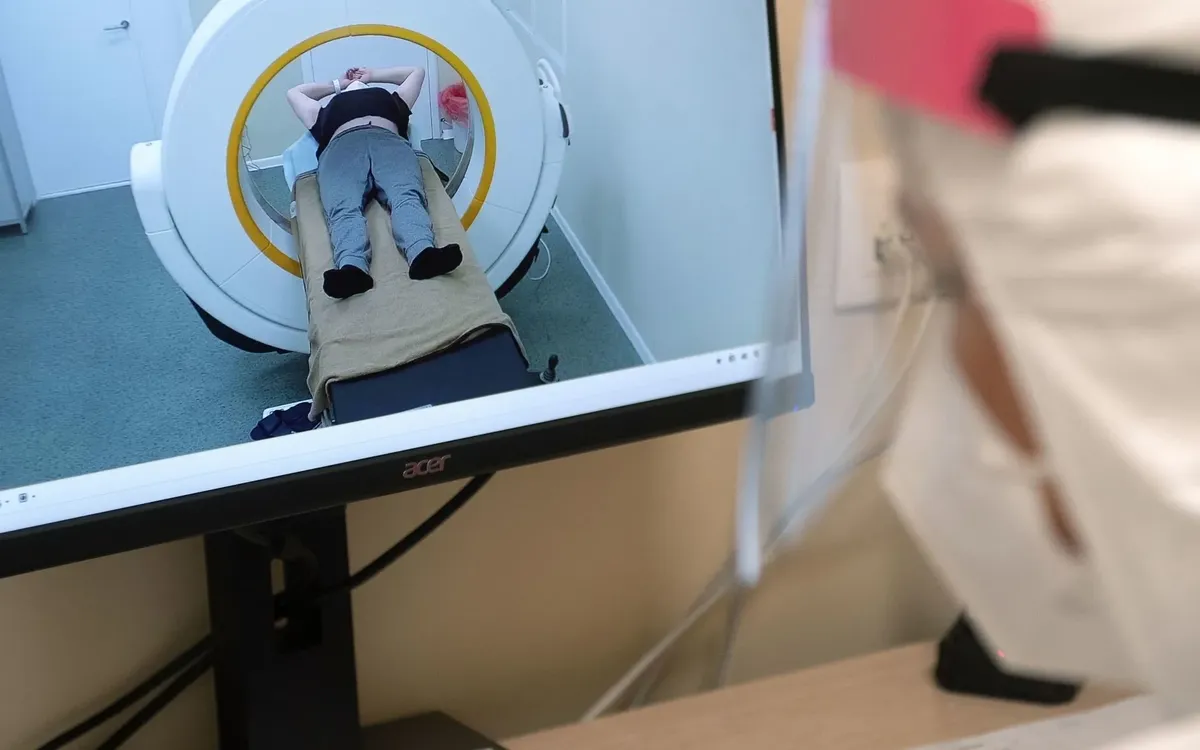
Another round of pandemia checks for the strength of the healthcare system of all states in the world. The second wave of the country was prepared better: despite the fact that the indicators in the incidence hit the records of the first wave, the healthcare systems more or less cope and even have some reserve capacities. In addition, several vaccines are on the way, the effectiveness of which, according to the first messages, seems quite high. However, the pandemic is far from the end: WHO experts are already talking about the third wave, as well as that even with mass vaccination the epidemic will not stop at one moment.
Russia
Speaking about the management of the epidemiological situation in Russia, Moscow and regions should be clearly divided. Moscow turned out to be quite well prepared: the first wave has passed dignity and now copes with the active growth of cases of the disease. The incidence rate is still growing, but hospitals have the necessary capacities and resources. At the same time, in the city there is an open part of organizations, which makes it possible to support the economy of the region. Efficiency factors for Moscow are the presence of large technological hospitals, already trained personnel, equipment, and most importantly, treatment processes. An exchange of experience with other countries has been established, including on the site of the International Medical Cluster. In addition, it is worth noting IT solutions and services: a QR code system works, which allows you to control the spread of the disease. Recently, the application “State Services. Covid tracker ”to track contacts with infected.
In addition, in Moscow, the main wave was established in the first wave at home: tests, appointments are made at home, and in case of illness, the patient’s house is monitored (the “Social Monitoring” application). This measure seems too tough for many, but we must not forget that the situation with the spread of infection seriously threatens the whole society, and our population is not inclined to observe quarantine.
From the regions, sometimes panic moods are heard. In many cities, hospitals are crowded, there are not just not enough places for patients - they are not. About 25 thousand new cases of the disease are detected daily, 6-7 thousand of which are in Moscow. The situation in the regions is also complicated by the fact that some employers in the regions literally force sick people to go to work, thereby contributing to the spread of the disease.
Mortality from coronavirus infection, even according to official statistics, now exceeds 500 people per day, this indicator is one of the highest in the world. Perhaps the real number of deaths is even higher.
Despite the peak loads, doctors do everything possible, some groups actually make a feat daily. It is worth noting that the presence in the capital and in the regions of a number of large multifunctional medical centers, which quickly managed to reformat coronavirus patients. An important positive point is an established mass testing: tens of thousands of tests are made every day in Russia, including Russian production.
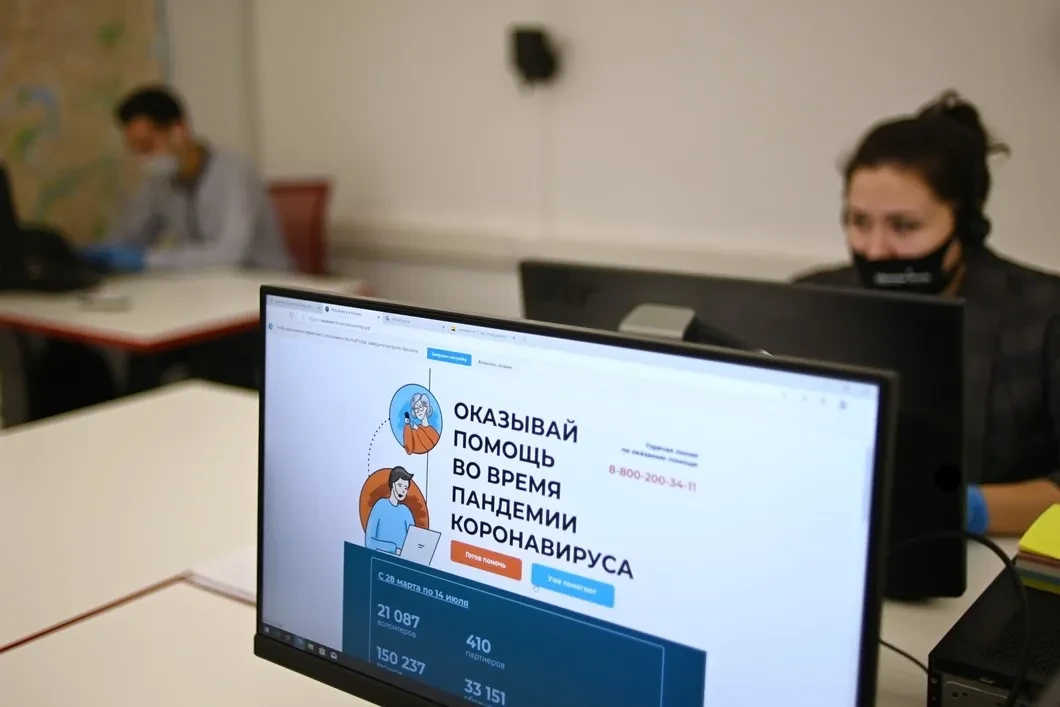
At the same time, in Moscow, in coronavirus hospitals, according to the mayor of the city of Sergei Sobyanin, there is a margin of strength of about 50%. And the volume of assistance, which should be provided urgently or urgently, even more than in previous years. This suggests that in the capital the routing and the separation of the coronavirus flow from patients who need medical care in other areas are established.
World
The situation in other countries is comparable to Russian. Active, almost dramatic dynamics in the number of new revealed cases of coronavirus, the introduction of restrictive measures. The degree of rigidity depends on the situation in a particular country, as well as the general policy of the authorities.
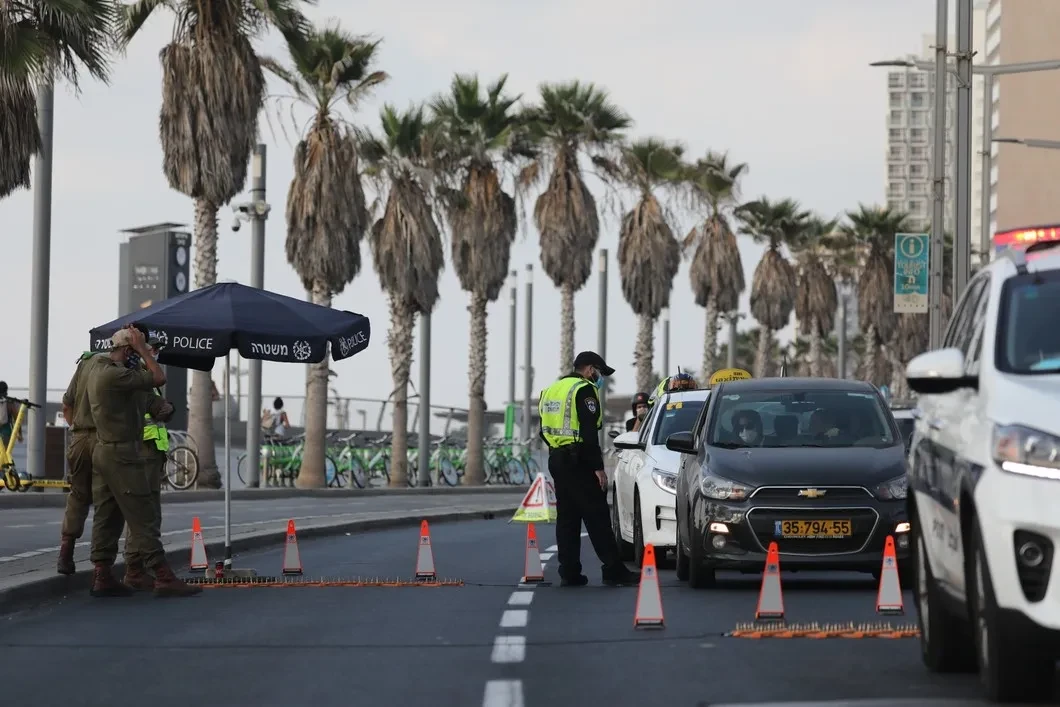
Israel, one of the first to encounter the second wave of the epidemic, was also the first to declare the almost total Lokdown back in September. European countries introduced significant restrictions on the work of many spheres: restaurants, entertainment and fitness centers, cinemas either do not work or have a limited work schedule (for example, in Serbia-until 18:00, in Cyprus-until 23:00). Moreover, when visiting these institutions, a person leaves all his data in case of identifying the infected ones who spent time in this place. In Germany (about 10-15 thousand new cases daily), France (a similar order of numbers), Great Britain (about 20 thousand daily), entertainment institutions are completely closed. In a number of countries, even a commandant hour was introduced.
Italy has already announced that the country's ski resorts would not work on Christmas holidays. But Sweden continues the policy of forming “collective immunity”, the authorities still do not introduce significant restrictions.
True, recently, the country's chief epidemiologist Anders Tegnelle said that the number of applicants to the hospitals is growing in Sweden the fastest in Europe, and in Stockholm every fifth covid test is positive.
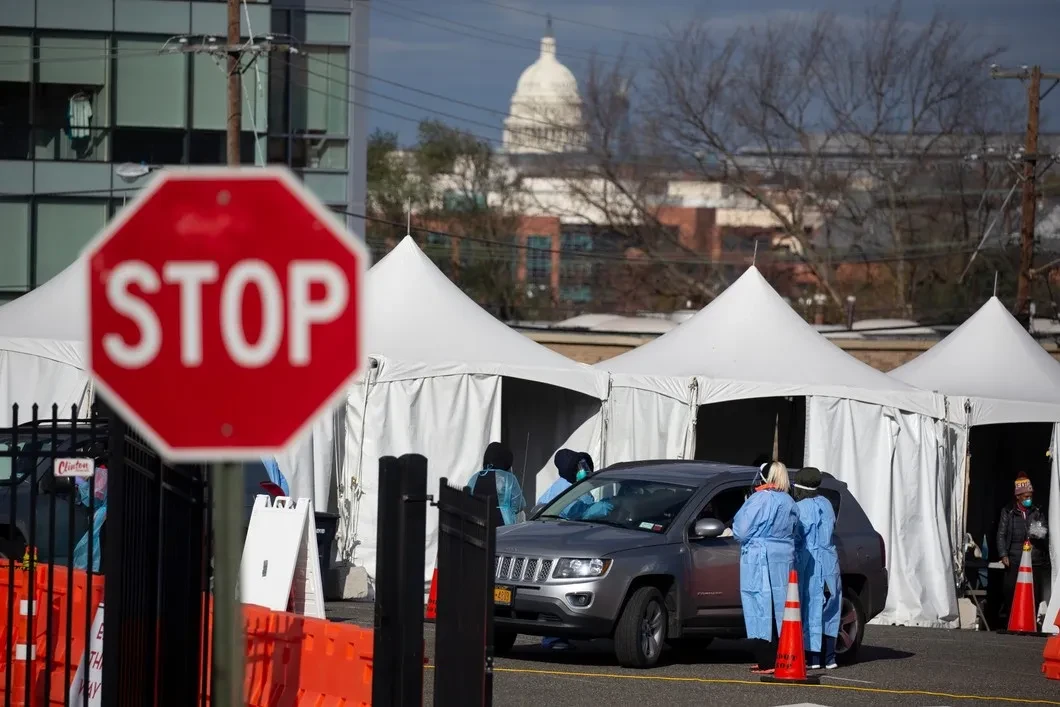
The situation in the United States is dramatically unfolding: resuscitation departments are crowded, 100-200 thousand new cases of the disease are detected on the country day in the country. In Massachusetts, field hospitals are opened. Lokdown was introduced in Michigan and Washington-students were sent to distance learning, restaurants and fitness centers were closed. In other states, restrictions at different levels have been adopted: wearing masks, the work of restaurants and fitness centers until 22:00 (New York, New Jersey), a ban on mass events.

In Korea, outbreaks of the disease also occur from time to time, but they are not comparable with the situation in the EU and the USA - only about 300 new cases per day. The Ministry of Health of Korea noted that the third wave began in the country, and also announced restrictive measures, but so far only in terms of observance of social discipline: distance, fines with improper wear of masks ($ 90), and clusters of the people.
Readiness for a new attack of the virus
Anticonaviral measures introduced into this wave in most countries are similar. The authorities try to observe the balance, supporting both the healthcare system and the economy. This time they are in no hurry with quarantine, they leave the business the opportunity to work. However, the incidence is growing much more dynamic.
Many countries have developed and introduced gradation in terms of danger in the region/country, depending on which the rigidity of measures is established. Such systems operate in the UK, Korea, the USA. Various services and trackers are developed to control the spread of the disease. Russia remains one of the countries aimed at supporting the economy, taking into account the existing capabilities of the healthcare system. Plus, all advanced IT solutions are actively introduced in Moscow, tested in other countries.
Despite the fact that the world as a whole has prepared for the second wave, some disparate measures are observed in countries.
For example, in Israel, even with a total Lokdown, a ban on leaving the house was announced, if if a person wants to work out for sports, then this is allowed. In the UK, it is also recommended to be isolated, but if necessary, you can go to work. In New York, there was a restriction on home parties of more than 10 people, but, of course, this moment is difficult to control. In the UK, it is forbidden to meet people of more than two households ... There are controversial measures in Russia. For example, in no other country of the world, the glove regime could not resist the second wave - according to experts, it is ineffective. In Russia, the glove regime is required (although it must be recognized that this measure is practically not respected).
Similar to all countries, the problem is very difficult to treat chronic and oncological diseases. Recommendations for the treatment of coronavirus are produced and updated. Moreover, there are still no recommendations for the formation of scheduled operations schedule, depending on the overload of the hospital. We can assume a significant negative deferred effect in the aspect of chronic diseases.
Of the problems that were relevant precisely for Russia that could be worked out, understanding the danger of the disease, is the overload of doctors both in hospitals and those who work on the exits. Students of medical universities and military doctors are still not mobilized (of course, strictly at will).
Problems with drug support with reference to a deficit in pharmacies are noted. Moreover, there are still no drugs that proved the effectiveness against coronavirus by 100%. In addition, the population is most likely not sufficiently informed about how to behave, take care of their health in the conditions of the pandemic.
Vaccine
The third phase of clinical studies of several promising vaccines was held at once: from the British company Astrazenek, American Pfizer and Moderna. Hopes are also assigned to the Russian "satellite V" from the center of epidemiology. N.F. Gamaley and "Epivaccoron" from the GNC "Vector". Pfizer and Moderna have developed the latest drugs, in fact new genetic vaccine therapy. The Vector produces a more traditional vaccine based on artificially obtained particles of coronavirus (incapable of causing infection). Perhaps the Vector vaccine will be easier to produce and distribute in large volumes. There is a hope that mass vaccination of the population will begin at the beginning of next year.
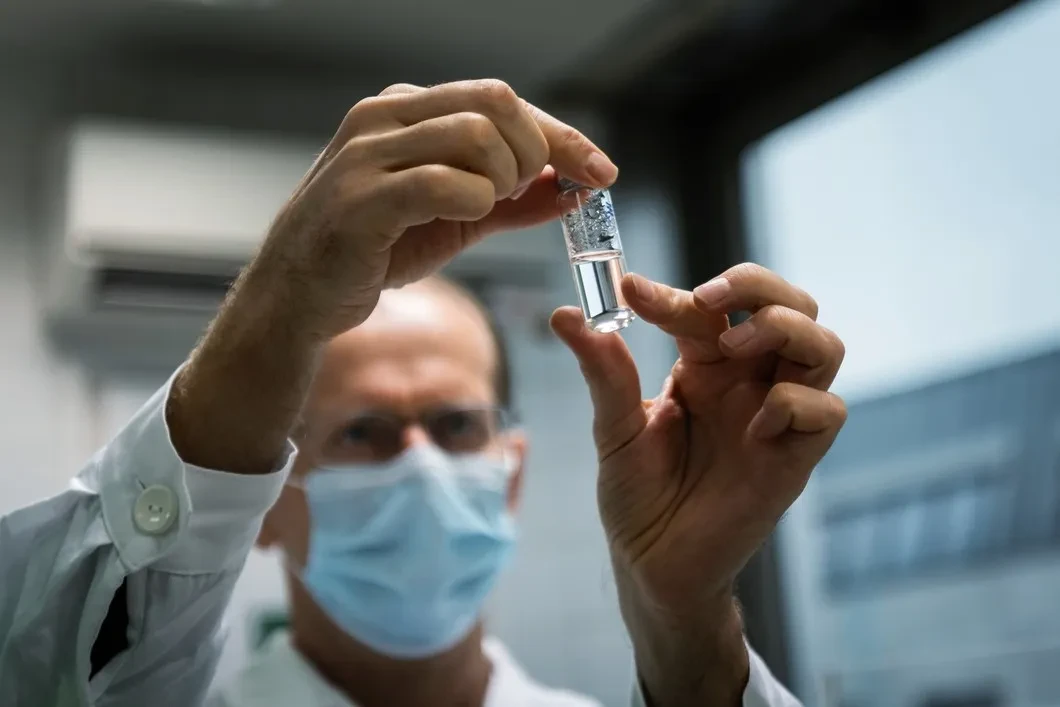
However, according to experts, the vaccine may not become a panacea from a pandemic. Tedros Adan Goebreesus, the head of WHO, said that one vaccine to combat pandemia is not enough. It can only be an addition to existing measures: testing, isolation, informing the population, etc. That is, even with the vaccine the pandemic will decline very slowly.
Pandemia lessons
Pandemia will give us food for analysis and change certain processes in the field of health care for a long time. It is important to note that she exactly gave a powerful impetus to the development of new medical technologies. This also applies to distance formats in which training, medical consultations, meetings, business development, and much more can take place, this applies to various services that are “sharpened” for the management of the spread of the disease (QR codes, covid trackers) and to predict its course in various regions and in various types of people.
And of course, the pandemic gave an impetus to the development of telemedicine. We see this even with the example of the Israeli Hadassa Clinic, which works in the International Medical Claster. The number of online consultations with Israeli doctors-both the doctor-the doctor and the “doctor-patient”-has grown several times. In Korea, telemedicine, which was prohibited before the pandemic, began to be actively used in coronavirus to unload the healthcare system.
And also - it feels that the whole world is waiting for the appearance of certificates (passports) of health for vaccinated and those who have antibodies to coronavirus to partially open the boundaries and finally “restart” the world.
About the authors
Yaroslav Ashshimin - candidate of medical sciences, therapist, adviser to the Director General of the Fund of the International Medical Cluster;Faina Filina is an adviser to the Director General of the International Medical Cluster Fund.