
Translated material
Issues of military morality
Why did Australian special forces behave so inhumanly in Afghanistan? Explains the veteran of military intelligence
REFERENCE
The role and place of special forces in the system of armed struggle
The peculiarity of the modern war is that only a small number - no more than 20% - military personnel in the conditions of military operations of low (medium) intensity can be in direct combat contact with the enemy. The rest of their “colleagues” are engaged in different types of comprehensive support for those who are fighting to face with the enemy. At the same time, it is worth considering that the time of such a contact clashes is fleeting and lasts from several minutes to several hours, and the frequency can be from several clashes per day, to one or two times a month and less often.
Conflict of order and conscience
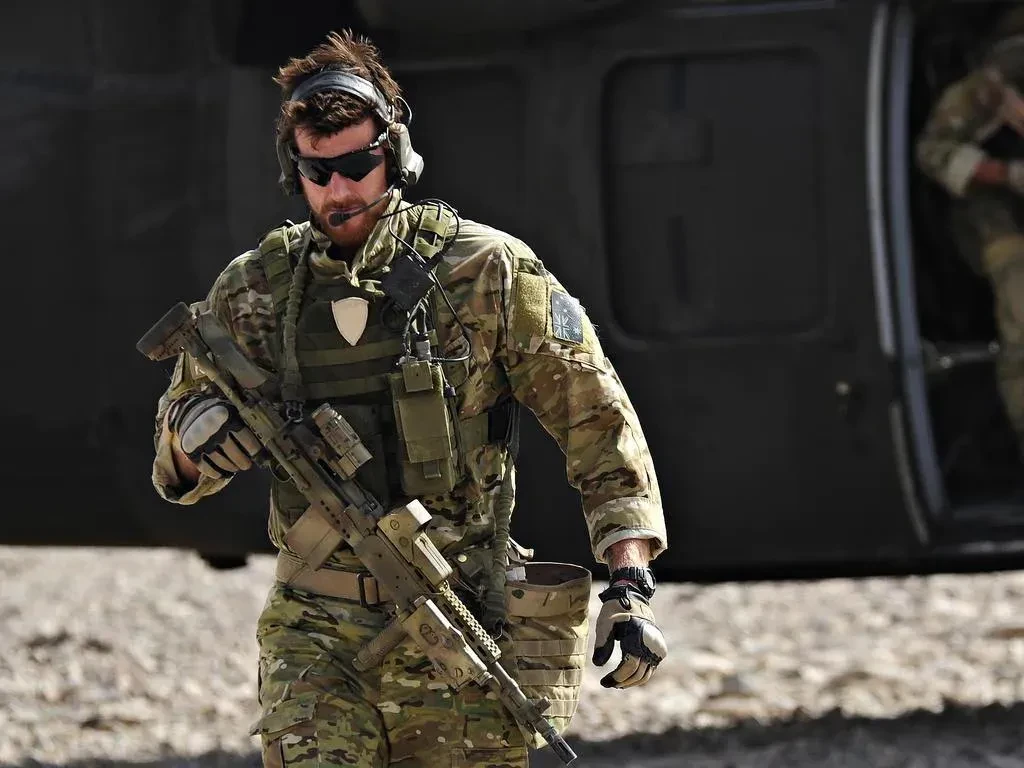
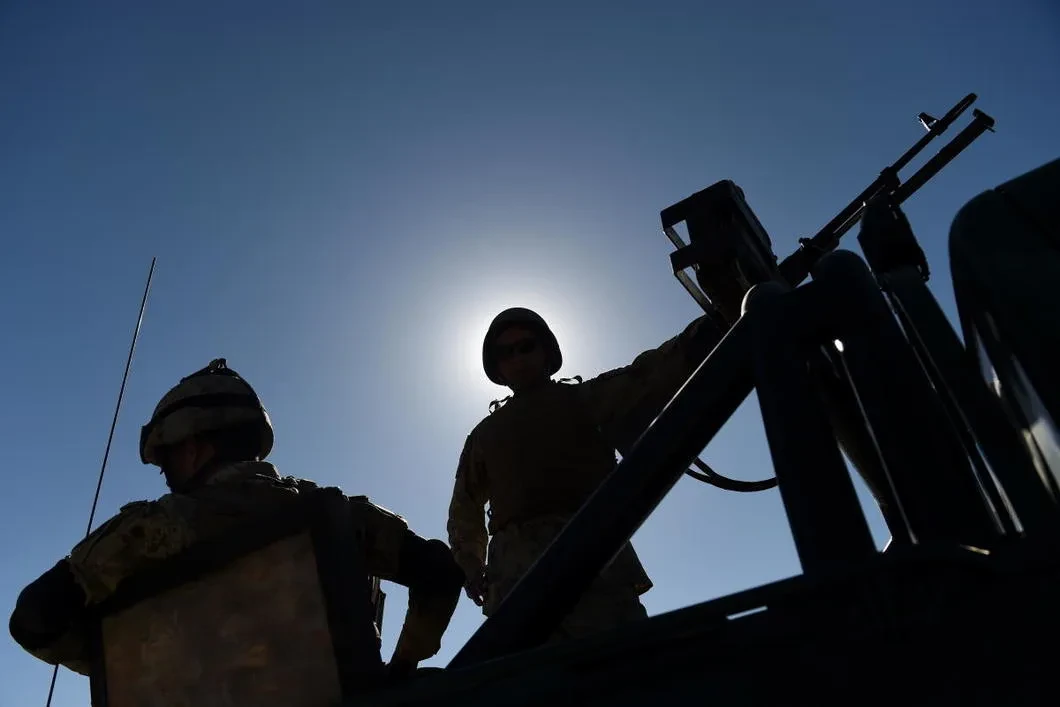
Separately, it is worth noting the actions of special forces, which make up 7.5% of the number of all troops and usually act independently in separation from the main forces and bases (uncontrolled) in the enemy. When performing tasks, they themselves look for the enemy, and also choose the forms and methods of performing the task.
This is the main factor affecting the formation of a psychological portrait, mental inclinations and deviations of special forces.
They consider themselves really cool, super -secret and most indispensable in the system of armed confrontation, which gives an impetus to the growth of pride and high self -esteem.
On the other hand, frequent involvement in real combat operations leads to professional growth, and internal stress is replaced by self -confidence and in its comrades. This condition can last relatively long and can be replaced by confusion, anger and despair with great losses or non -fulfillment of a combat mission for subjective reasons.
This condition can lead to excessive cruelty towards civilians and prisoners in the interests of fulfilling the task, it can be authorized by the command. This occasion includes an episode of the execution of four civilians in Chechnya in 2002 by a special forces group under the command of Captain Edward Ulman, by order from the leadership headquarters. The re -justification of the jury of the Ulman group and the study of public opinion showed: most law -abiding citizens of Russia accept as granted that for the military subordination to the commander is more important than compliance with any laws. And they believe that the command could give such an order. For the army is an instrument of murder and an instrument of destruction of the enemy. In this case
The soldier is faced with the choice: not to fulfill the criminal order and be punished for this until the court of the military tribunal or to be responsible under the law for committing a crime.
About the same layout turns out when the commander of the group itself makes a criminal decision and forces his subordinates to fulfill this in the interests of the task. In my combat practice there are examples when I had to take a risk, detain local residents who accidentally met when nominated to the place of the event and, weakening the combat capabilities of the group, to leave their fighters under the supervision of the task in this area, however, no more than a day. Thank God, to cripple, and even more so no one had to kill, although this very complicated everything. This rarely happens. As a rule, local residents try not to move far from their houses, and to walk along the mountains remains militants and their liaison.
The third option, when one of the servicemen himself takes the right to execute or mercy on his own understanding of the current moment. The reasons for this can be cowardice, fright, weak weapons owners and other cases where it can happen without a purposeful desire to kill, but rather to protect itself. Such a case is shown in the film “Afghan Broken”, where a frightened, weakly morally prepared reconnaissance fighter kills Afghan in the market.
Such cases are rare in our army and special prevention, because moral and psychological stability are at a high level, not to mention the fact that
To kill unarmed to increase the morale. This is already a clinic, and for such people the prosecutor cries along with a psychiatrist.
The fact that every person killed by a soldier in the war remains in memory. You may not remember his faces, but the circumstances and nuances of this event remain with you forever, and over time you begin to regret that you killed, but could take prisoner and save someone's life. Today I am sorry that in 2008 did not save from the Ossetian captivity of the Georgian corporal, which was kept as a dog - chained to the ladder of a police station. Then I interrogated him, but left me, I was stopped by his chilled hands of a finished drug addict. This event is now with me forever. I could save him, because at our prisoner of war collection, there were much better conditions. I can imagine what a person who has killed all his life has been experiencing without any need for self -affirmation, probably these thoughts lead to a loop, as the brave specialists of the Australian SASR did.
The author is a veteran of military intelligence, a former head of intelligence of the Ground Forces of the Russian Army, a participant in hostilities in Afghanistan, the first and second Chechen wars, the Ossetian-Ingush conflict, a military operation in Georgia, and peacekeeping missions of the Ministry of Defense of the Russian Federation.
Read the special issue of the war in Afghanistan
"Babs are still pounding." From the editorial office. The war in Afghanistan was the first war of Russia to think about the "savings of the people""The bosses waved checkers: we took Berlin, but you can’t take the village?" Interview Hero of the Soviet Union, Afghan Veteran Ruslan Aushev
Who started the war in Afghanistan. Special folder: Documents
In captivity. How did they relate to prisoners of war and defectors in the Afghan war: says Vladimir Snegirev
“The first is to return home alive. The second is to return to people. ” War in Afghanistan: Memoirs of journalist Mikhail Kozhukhov (Document: Description of the feat of the 9th company)