
Translated material
"Do not even think about whether it is normal."
"Swedish rainbow": how to teach people and society to accept themselves and others
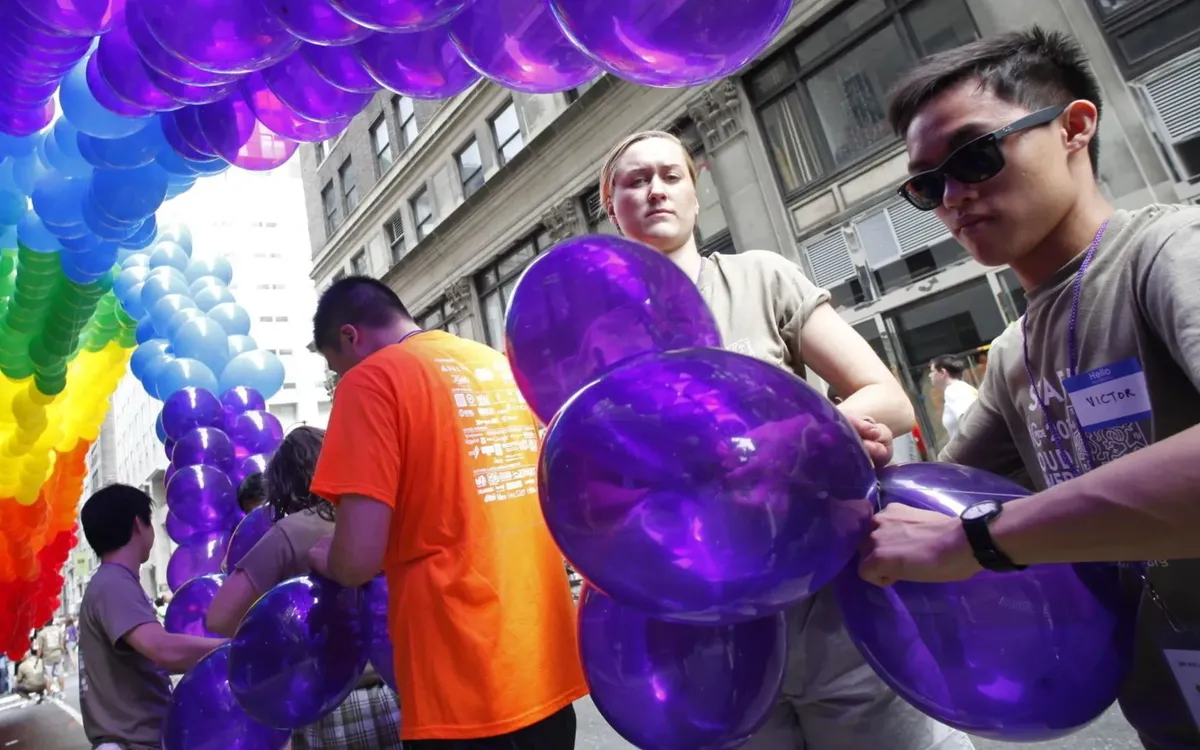
Why is Sweden considered one of the most favorable countries in the world for LGBT+ people? Why, in addition to the full legislative recognition of LGBT+ people, is an integrated equal part of the Swedish society, which almost does not encounter discrimination? The Swedes themselves answered the questions of the "New".
Affiliate material. Prepared in cooperation with ru.sweden.se
The registration of civil partnership for same -sex couples in Sweden was legalized in 1995. Since 2009, same-sex marriages and wedding in the church have also been allowed. In 2003, the same -sex couples at the legislative level were allowed to adopt children. And in 2005, lesbian couples were able to achieve official permission for legal artificial insemination to conceive their child. First of all, legislative initiatives and rhetoric of the state in relation to LGBT+ people affect their adoption and integration in society.
Christian Kholm, a deputy of the Swedish parliament of three convocations, directly participating in the adoption of the law on the legalization of same -sex marriages in 2009, says:
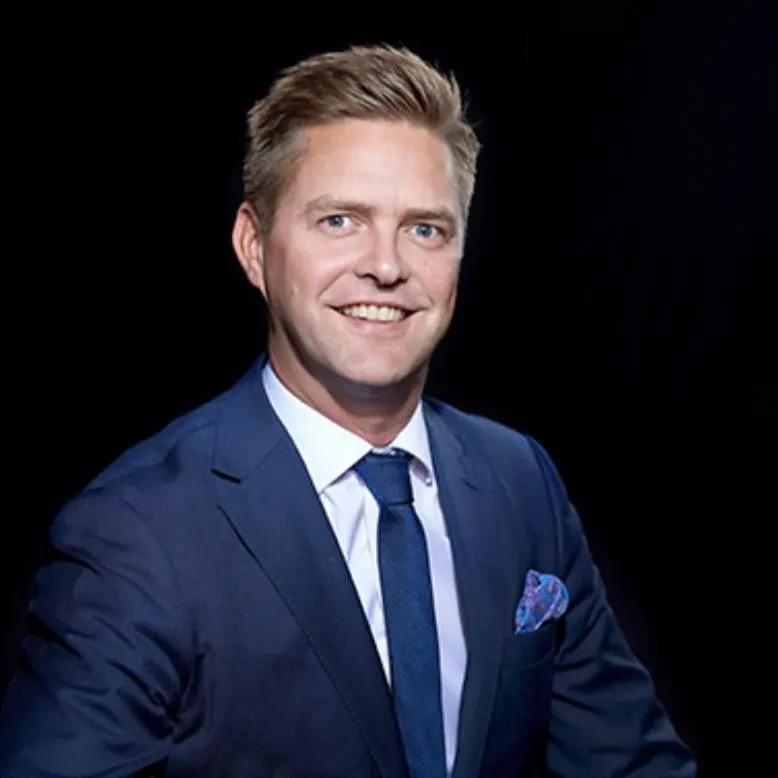
“I made a camming out in 2013 when I met my ex-husband. Personally, I feel and always felt safe and accepted in all respects, both in my family and among my friends, as well as in society as a whole. So for me there were no problems to openly talk about it. But I know that here, in Sweden, we have a lot of LGBT people who do not use the same freedom or do not feel safe. And in some cultures we see young people who are repelled, oppressed or sometimes even killed by family members, since they do not accept their sexual orientation. This is a shame that you need to fight. ”
Historically, a strong movement for the rights of sexual minorities was formed in Sweden. The turning point was 1979. Activists not only organized street actions, but also engaged in educational and educational activities, for a long time demanded the depatologization of homosexuality. The moment was decisive when the protesting and sympathetic to the LGBT movement in solidarity with it massively demanded sick leave at work in connection with their orientation. And then the public health department announced the exclusion of homosexuality from the list of diseases. Then
Homosexuality has ceased to be considered a disease.
Frederick Piccoli talks about why the path of Sweden in matters of LGBT+ people's rights differs even from most countries of Western Europe: “I have grown abroad in France. My personal opinion about why Sweden became so friendly to LGBT+ and this happened much faster than, for example, in France, this is. Firstly, Sweden is a secularized country. The court of God is replaced by a logical and human court. I believe that secularization also contributed to the formation of society with less gender inequality. This played an important role in the formation of the attitude of the Swedes to LGBT+. Women who are in power value humanism and seek to improve society as a whole. I think it helped a lot. In addition, we have LGBT heroes in the history of Sweden, which donated many to achieve changes in society! ”
His partner, John, adds: “The biggest plus to be gay in Sweden: it has become so normal that you do not even need to think about it. People are not interested in your sexual preferences, but who you are as a person. I think the drawback is that gays cannot be blood donors, this is strange.
It is sad when we see the news about the cruelty handling of LGBTs in other countries.
It is at such moments that you feel most strongly how lucky we are. But it’s sad that this success cannot be shared with everyone else. ”
Elma and Veronika Holtshi are married and have a rather different experience of a clash with discrimination. Veronica made a camming out in 2014, and she had no special problems with an open statement about her orientation. And Elma’s parents took many years to accept her as a lesbian, and this is still sometimes a problem. Especially when it comes to public discussion in the circle of a large family. Elma is from Bosnia and Herzegovina. She did not tell relatives about herself except her parents, and still hides her life and family in Sweden.
Elma says: “In general, we feel safe in everyday life and created a friendly LGBT atmosphere for our little family with many close friends, who also participate in the creation of the LGBT community. We are more careful, visiting other countries and planning trips. You always have to take into account whether this country is friendly to such as us. It is more difficult to say about Sweden. Public opinion is such that everyone should have the right to love the one he wants, but still there are fascist groups, which are given the opportunity to march the streets and openly oppose these rights. Heteronormativity is still quite strong. We are faced with this when our son Amal goes, for example, to kindergarten. The way employees talk about various compositions of the family is still very conservative, we are faced with this. ”
Frederick stopped hiding his orientation from the age of 20 (he is 49). Now he feels accepted in society. He has friends who are open and work in creative areas, and he himself works for the Sweden government. His partner, John, has another experience of taking himself and interaction with others: “I made a camming out at 19 years old. Not everything was fine from the very beginning. I remember when I was young, I held my boyfriend’s hand, and the skinheads pursued us, threatened to beat us. At school, we tried to hide our orientation, because we mocked us. Gradually, everything began to change, it became politically acceptable, they began to adopt laws on the rights of LGBT people, this became part of the state rhetoric. I work in the company in the metalworking industry. Mostly a male team, so I was a little nervous when I got a job. But this did not worry anyone, even when I talked about Frederick. They just said that they had already guessed. ”
In Sweden, transformation in the field of human rights laws did not occur by themselves and not quickly. Not a single society is free to the end from inequality and discrimination. But society continues to work to ensure that the country is safe and prosperous for all its citizens.