
Translated material
Loser
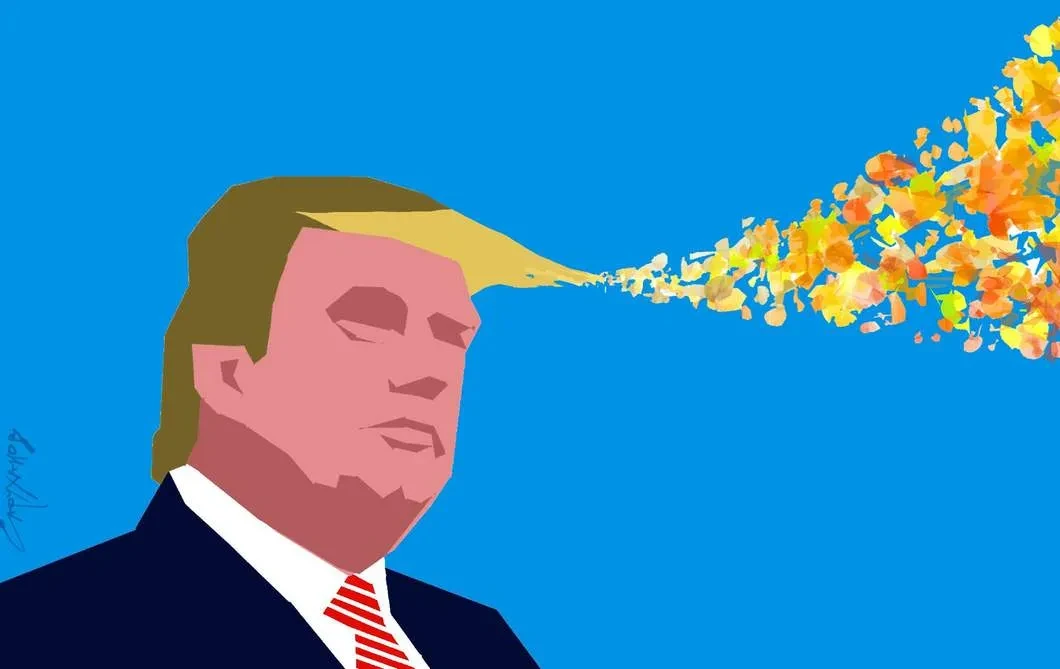
How the American president resembles the Belarusian
1
When it turned out that the American president was behaving like Belarusian, the country received a priceless lesson in political gram. In the process of getting rid of Trump, the experience of democracy in action accumulated over two and a half centuries became extremely visual. To do this, America needed to turn around, peer into its roots and make sure their strength.
It all started when in 1800 the power transferred not a friend, but the enemy of the previous president. It doesn’t matter how they were called both (and yet: the first is John Adams, the second is Thomas Jefferson). It is important that they were from different parties. Historians call these elections the “revolution of 1800”, and do the right thing.
George Washington won the independence war and disposed of it in the most unusual way. He was visited by the fate of the American Napoleon and promised to the crown, he preferred to become president and give power to the wrong hands, in essence - to the people. Then it was considered an insanely impudent experiment, now too. How can you trust an ignorant, self -loving, short -sighted and limited voter, interested in immediate benefits, fallen for temptations like a strong cider, which the candidates then treated in the elections? How can you give the crowd the highest value of the country washed by the blood of patriots - the republic? How can I entrust the ink freedom?
No way. Enlighteners of the 18th century dreamed of a philosopher king, the founding fathers hoped for themselves and the constitution. To protect the young republic, she insisted on a peaceful and regular change of power. No matter how terrible the previous power is, there is always the hope that the new one will be better and correct the mistakes of the old.
Washington abandoned the authorities, returning, like the Roman Cincinnat, to his estate in order to complete his days by a gentleman-agriculture. Such examples have been before: the dictator of Sulla in the Roman Republic, Diocletian in the Roman Empire, Karl the Fifth in the Holy Roman Empire, and finally Nicholas the second at the bottom station. You can renounce power, you can’t give it to an opponent and a competitor. The power is sacred. Having achieved her moves to the upper floor of self -awareness, where he feels indispensable and always right. “Do not recognize this,” the tyrant says, “only enemies and spies can.”
Saddam was sure that the winners, but the traitors were to blame for his death. Hitler thought so too. And Miloshevich, and everyone else, if they were unlucky to die in their bed.
It seems to the tyrant that without him the country will fall into chaos, which means that the competitor cannot be dissenting - only a saboteur.
Sometimes he is a foreigner, often a foreigner, often a Jew, in the American case - from another party.
To give him power - to betray the people, even if the people do not understand this. In short, the government drives crazy, and the longer it is held in the same hands, the more dangerous it is.
The first democracy understood this best of all and changed power with such a frequency that it deserved the name radical. In Athens, the leaders did not tolerate for a long time. Popular, like feminum, was punished by ostracism, rightly considering folk love a risky temptation for a politician.
The authors of the American constitution, knowing the ancient history, dreamed of repeating and developing it. Therefore, the muzzles invented by them are so reliable, protecting America from usurpators.
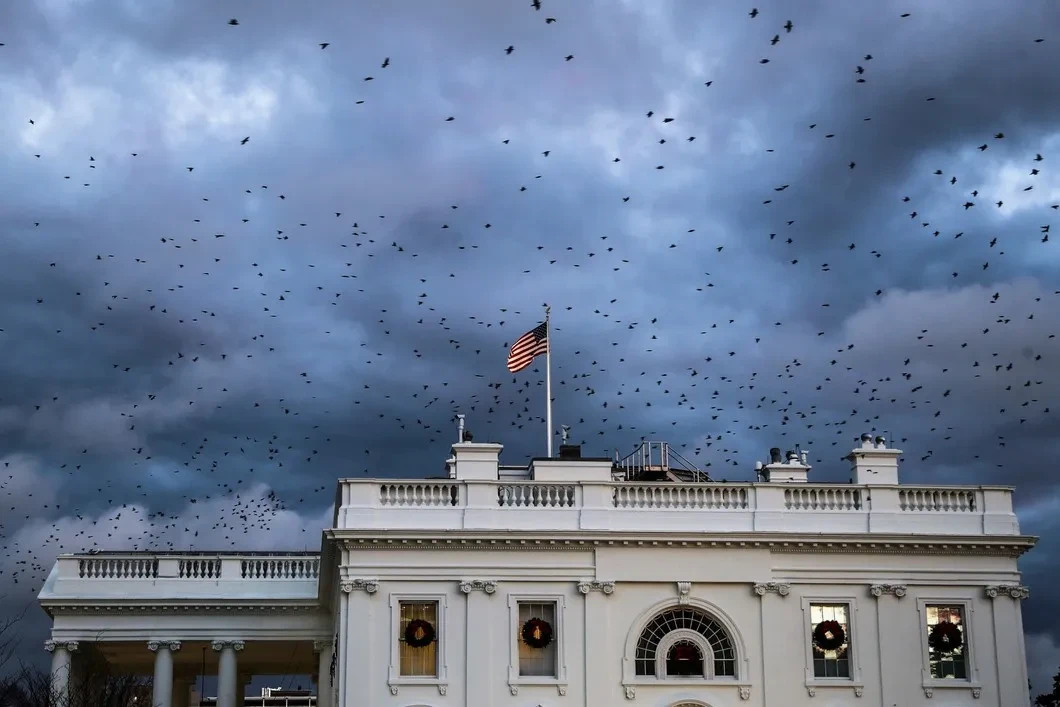
However, our share also came up with beautiful constitutions. Berdyaev liked Stalin, for example, Brezhnevskaya liked to quote dissidents, Putin’s - windy and changeable. And they all never worked than they are strikingly different from the American one, which works so properly that they only remember it on holidays. But this is at the usual time, and we live in an unusual one, when Trump managed to remove the main and trivial ritual of the transfer of power.
2
Long before the election, Trump refused to answer the central question for democracy: whether he agrees to voluntarily give in to power in case of losing in the elections.
“This simply cannot be,” Trump said, considering himself invincible.
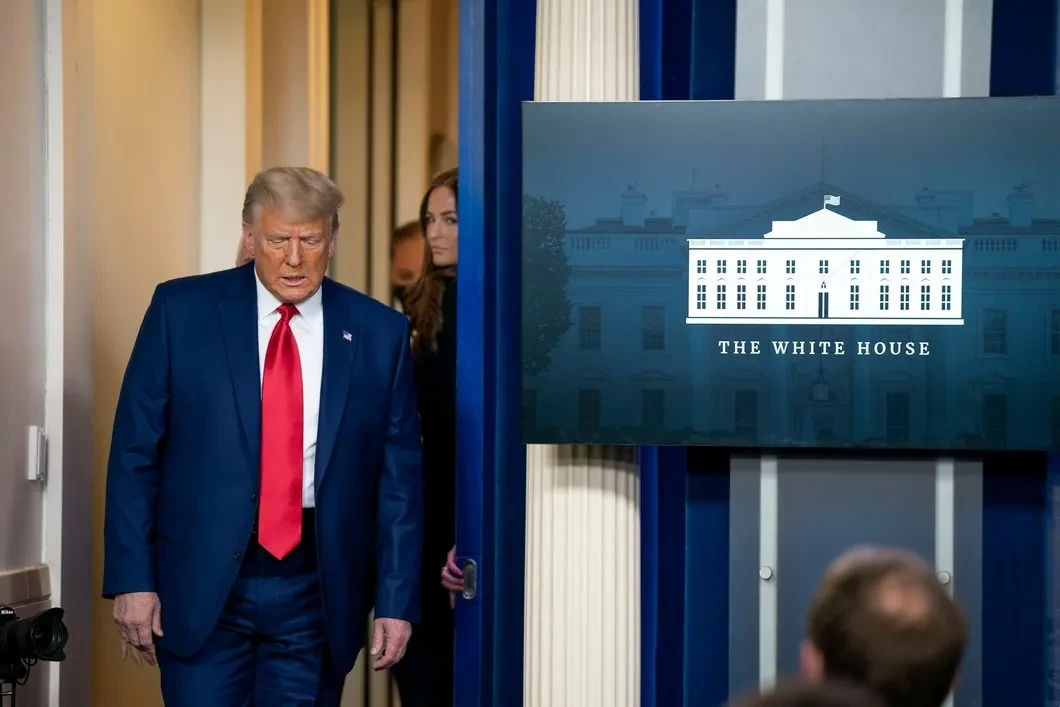
Frightened observers who have not heard this yet prepared voters for everything, including the Belarusian scenario - with national protests.
As it has now finally became clear, America did without foreign examples - on its own.
Trump subjected democracy a harsh test, from which she came out rumpled, but with honor.
The elections took place, there are no tanks on the street, the process of transition of power began, and on January 20 the country will be a new president - the eighth for my American life.
In America, this transition, fraught in other countries by the Maidan, civil war and bloody reprisals, is committed so automatically that the country has lost the fuss with a businesslike procedure, which it owes its prosperity.
The usual, however, does not mean painless. America always lives on the eve of the elections, some do not have time to end, as others begin, and the losers are preparing for revenge, as Trump already promised to do in 2024.
But if the election fever is a constant and irritating sign, then the culmination of the brief and almost always fits in one night. First, we monitor the counting of votes in every state, including those that newspapers rarely mention and which we hardly find on the map. Then, tired of the elected mathematics, we go to bed, so that the first thing is to sleep - with joy, disappointment or indifference - to find out with which president we have to live the next four years.
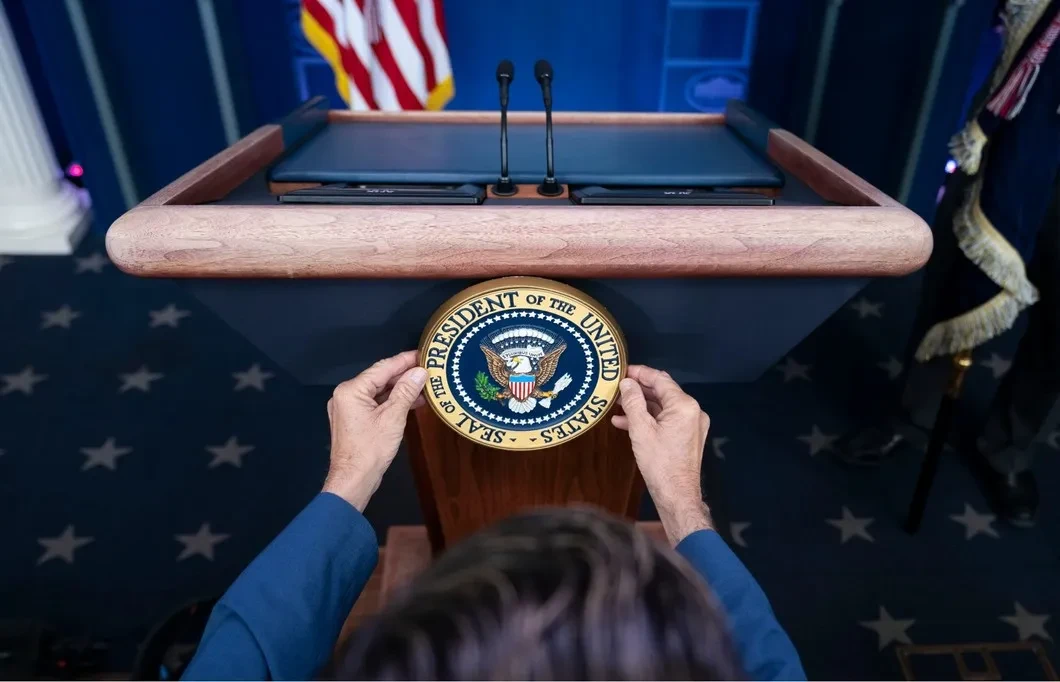
What happens next is no longer interested in anyone - bureaucratic fuss associated with the switching of information and financial flows from one administration to another. Boring and necessary, like water supply, mechanics of transferring power. This is the certification of the counted votes, and the selection of electors, and the statement of the results in the Congress - all that we did not have to know, until Trump managed to embarrass the old ritual.
On the night of the elections, he hastily declared himself a winner and tried to stop the counting of votes. When Blitzkrieg failed, the president decided to take the country with a great place. In the trench warfare, the army of lawyers led by Juliani, who put one of the three best mayors of New York, took part in the trenches of the lawyers-and lost it. Three dozen absurd processes ended in nothing but a shame for their participants.
Institutes of democracy coped with a criminal attempt to get around them. But this is not the end.
Unable to convince the system of the injustice of the elections, Trump decided to leave America in the inheritance of those supporters who do not trust the election results and do not consider Biden a legitimate president.
Among the Republicans there are 52 percent, and all of them - consciously or unconsciously - are accomplices in the conspiracy against democracy. Having refused to recognize the honest continuity of the authorities, they undermine the foundation of America with an incomparably great success than illiterate Kremlin trolls can do. And we have to live with this, unless, of course, the failure of Trump and the upcoming judicial persecution does not change the attitude to the loser of his fans.
3
It so happened that on the desperate days of struggle, everyone watched the series “Crown” with enthusiasm. Having combined Tolstoy’s recipe personal life with history, the authors created a family saga about aristocrats against the backdrop of events memorable to contemporaries. This ensured the series World Success with the audience, already accustomed to monitoring the adventures of the royal family.
“Our monarchy,” the English historian once explained to me, “is similar to football by the fact that she always occupies tabloids and thoughts of masses.”
However, behind the dramatic vicissitudes of unhappy love, painful marriages and political squabbles, the second is hidden - the underly - the plot about the unique fate of important and disenfranchised personalities, covering an existential void the size of a palace.
And this allows you to see a portrait of irremovable power in the “crown”. Unlike other countries, which expelled, or even killed their kings, the English monarchy survived only because it means nothing, does not interfere in anything and gives nothing but the beauty of an anachronical rite.
Such power can only be decorative - no matter how tried to convince us of the opposite of the American president who tried to take an example from the Belarusian.
New York