
Translated material
Nine circles of Covid
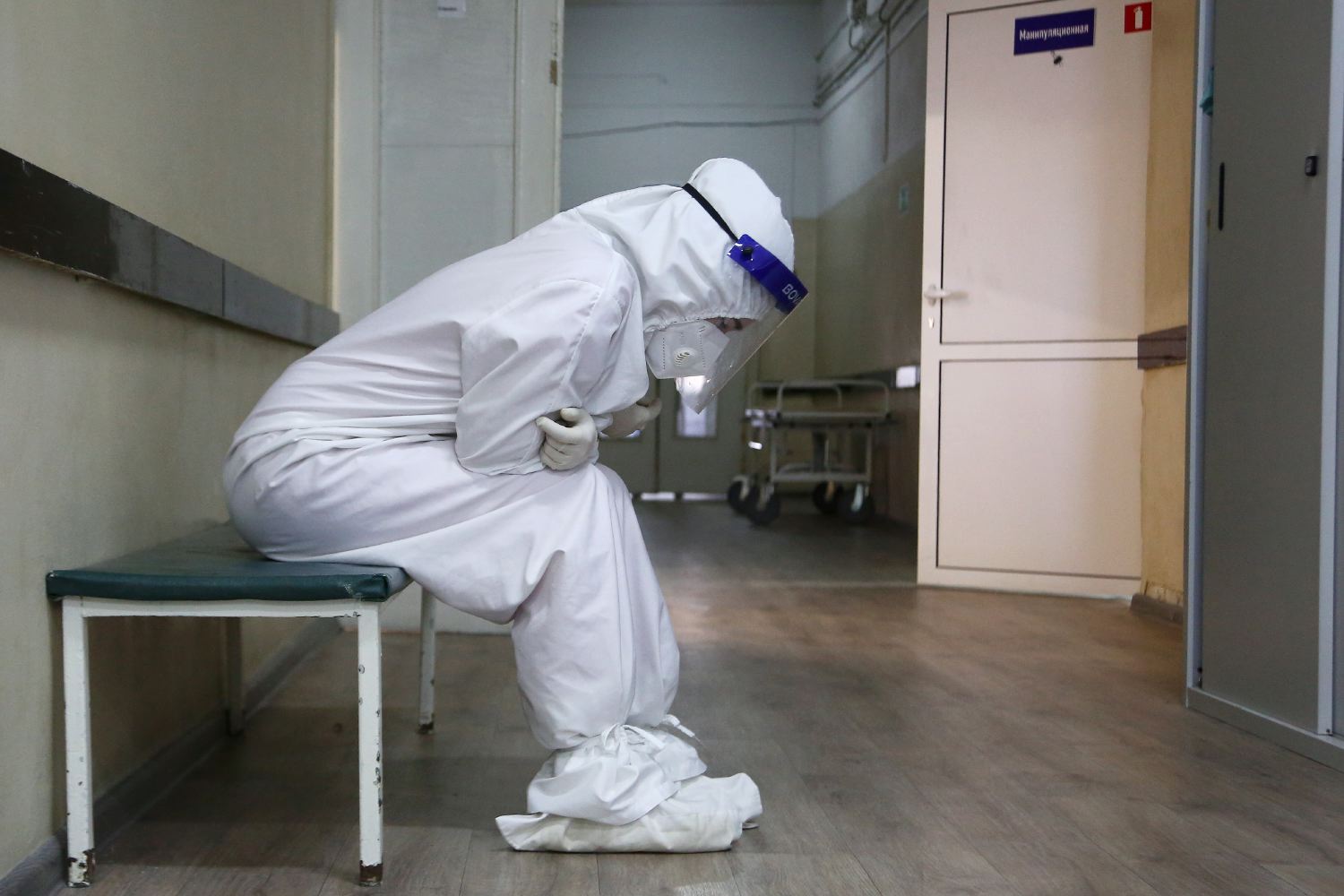
Almost every month, the Ministry of Health releases a new version of clinical recommendations for the treatment of coronavirus, and experts call it a “exciting series”. The editors contradict each other, confuse the attending doctors and can threaten criminal prosecution. “Such things” conducted a professional analysis of all versions and talked with those who are forced to work in such conditions
Short: - The most acute problem is the unreasonable use of antibiotics that were recommended by the Ministry of Health for all patients with coronavirus from January 29 to June 3.
-As antiviral drugs, a toxic drug against hepatitis C Ribavirin and increasing the risk of a cytokine storm Interferon Beta-1b was recommended for a long time.
- Since the end of March, cardiotoxic hydroxychlorochin and azithromycin is recommended, the antiviral effect of which has not been proven.
- Among domestic drugs, Arbidol is recommended, its effectiveness is also in question.
- The countries of Europe and the United States have issued a minimum of clinical recommendations: WHO - two back in March and May, in the UK and the USA - one guideline. They emphasize: there is no specific treatment from coronavirus. Much attention is paid to prevention: replenishing the deficiency of vitamins and minerals, wearing masks and vaccination.
- Russian hospitals do not have time to purchase new drugs (in addition, there are no antiviral drugs in a third of pharmacies, and in half - anticoagulants recommended by the Ministry of Health).
- Contributing recommendations put doctors under the blow of administrative and criminal prosecution in the case of deaths.
"Bacchanalia" with antibiotics
Studying the various methodological recommendations of the Russian Ministry of Health on the treatment of coronavirus, on the one hand, one can trace how scientific information was accumulated about one of the most difficult infections in the consequences for humanity, about which no one knew anything on Earth less than a year ago, says the medical-therapist, cardiologist and doskinologist, the head of the Federal State Budgetary Institution of the NCC of the Otorinolaryngology of the FMBA RUSSIA, Alexander Melnikov. And on the other hand, to observe how bureaucratic Russian health care defends private interests, not paying attention to this very scientific information, he adds.
The most acute problem that causes the fears of specialists is thoughtless and unreasonable use by doctors of the primary link, and often hospitals, antibioticsThese drugs, firstly, by definition do not destroy and do not suppress viruses, and secondly, have a large number of different side effects, up to the deadly.
But doctors are obliged to follow the recommendations of the Ministry of Health: the Antibiotics Assecution was shown by covid pacients with pneumonia on January 29 of this year-in the first version of the recommendations .
March 3, in the third version (then Koronavirus penetrated into Russia), there was an explanation for which antibiotics are supposedly needed: “Due to the high risk of superinfection”. Officials drawn an analogy with the flu, in which bacterial superinfection is a frequent complication. But the Covid-19 is not a flu: a bacterial infection in Covid rarely occurs, mainly in severe cases and antibiotics should not always be prescribed, the doctor explains. However, until June, patients with Covid from the first days of illness took mountains of antibiotics, and in hospitals nurses two to three times a day poured antibacterial drugs into their veins.
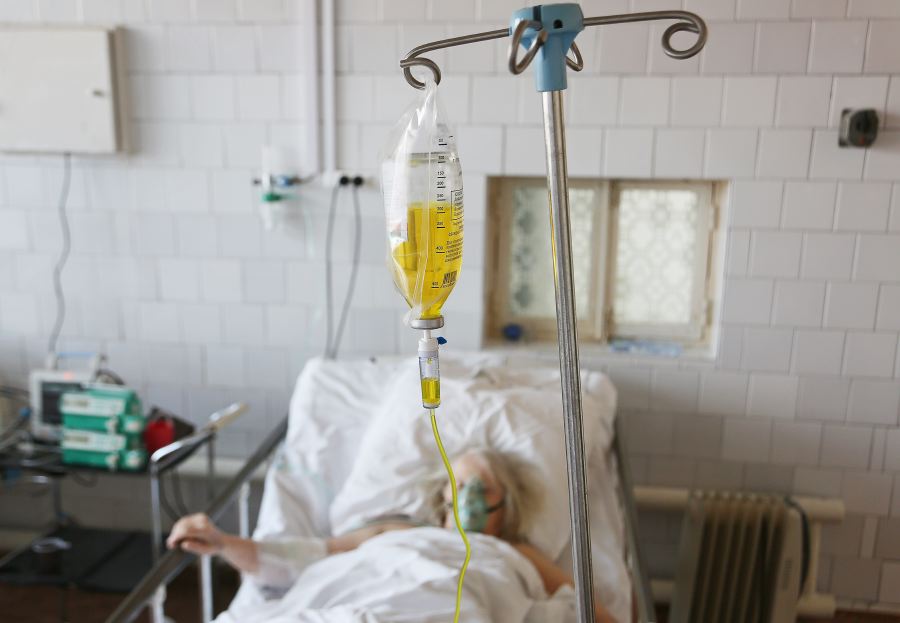 Volgograd. The patient of the infectious diseases hospital based on the clinical ambulance hospital No. 15, where people with Covid-19 photos are treated: Dmitry Rogulin/TASS
Only on June 3, in the seventh version of the methodological recommendations, there was a clarification: “Antibacterial therapy is prescribed if there are convincing signs of bacterial infection (increased proskalcitonin more than 0.5 ng/ml, leukocytosis> 10*109/l, the appearance of purulent sputum)”.
If we add another phrase: “In other cases, you don’t need to prescribe antibiotics!”, There would be no price to these recommendations, Melnikov adds. But the “bacchanalia” with a dangerous unreasonable administration of antibiotics, according to him, continues now: the regions do not have time to reorient.
Full change in antivirus therapy
A similar epic - with antiviral drugs: etiotropic, that is, acting on the cause of the disease, therapy. In the first recommendation of such drugs there were three: Ribavirin, a combination of Lopinavir with Ritonavir and Interferon Beta-1B. Children were also recommended by Interferon Alpha (placebo) and “Interferon inducers”.
Ribavirin - a very toxic drug against hepatitis C, explains Melnikov. He disappeared only from the fourth editionLopinavir (Ritonavir) lasted until the seventh version.
And interferon beta-1B is a cytokine, a serious drug used to treat multiple sclerosis. Not only that he did not show activity in the fight against coronavirus - with a disease threatening a cytokine storm , the addition of another cytokine is deadly. However, from the recommendations, it disappeared only after six months of the epidemic: September 3, in the eighth version .
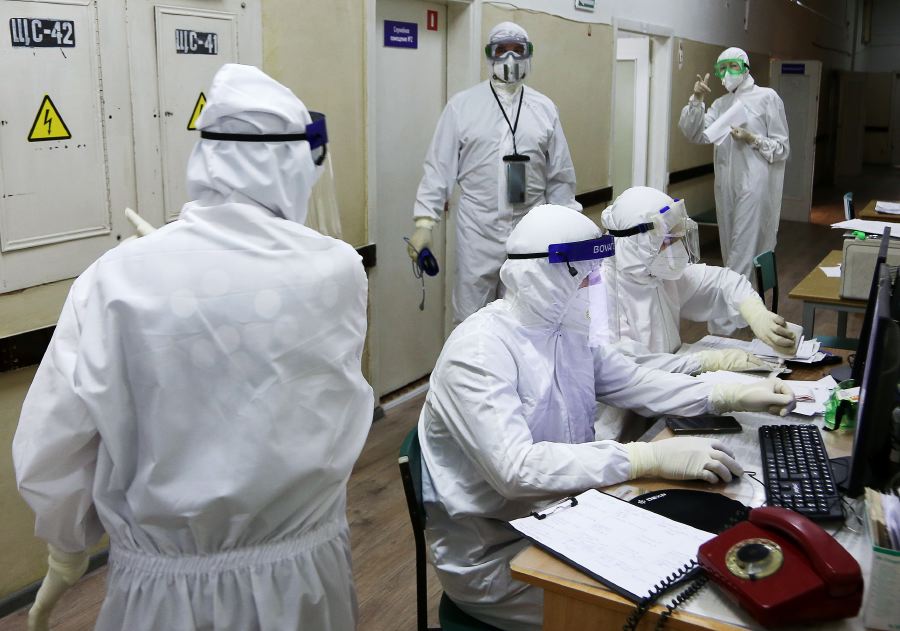 Volgograd. Doctors in an infectious hospital based on an ambulance hospital No. 15, where people with covid-19 photos are treated: Dmitry Rogulin/TASS
At the end of March, the "era of hydroxychlorokhin " also began . As enthusiasm for its effectiveness at the Covid-19 fell throughout the world, the recommendations of the Ministry of Health were also reduced for its use. However, it still remains in the recommendations, despite cardiotoxicity.
With it, in the kit, health officials recommended azithromycin - but not as an antibiotic, but as supposedly an antiviral drug.
At the same time, the antiviral effect of azithromycin, observed only in vitro, in the experiment, never found confirmationSimultaneously with hydroxychlorokhin, its less popular and affordable antimalarial analogue - chlorochin appeared in the guidelines, and one version later - Meplokhin , another drug from the same spectrum. In the fall, in the eighth version, Meplokhin, along with chlorokhin, disappeared from the manual. Officials nevertheless studied research and clarified: there is no objective evidence of their effectiveness in coronavirus.
Native Pharma
Domestic and semi -quality drugs in the recommendations of the Ministry of Health are given special attention, Melnikov notes. Such drugs include the famous “Arbidol” (skeptics are questioned), he is also Umifenovir - he appeared in the fourth edition and remains to the present.
During the same period, there is another antiviral drug - Favipiravir . And if “Arbidol” is a long time ago “our everything”, although few people are interesting to anyone abroad, the Japanese Favipiiravir during Pandemia in Russia turned into several very expensive generics.
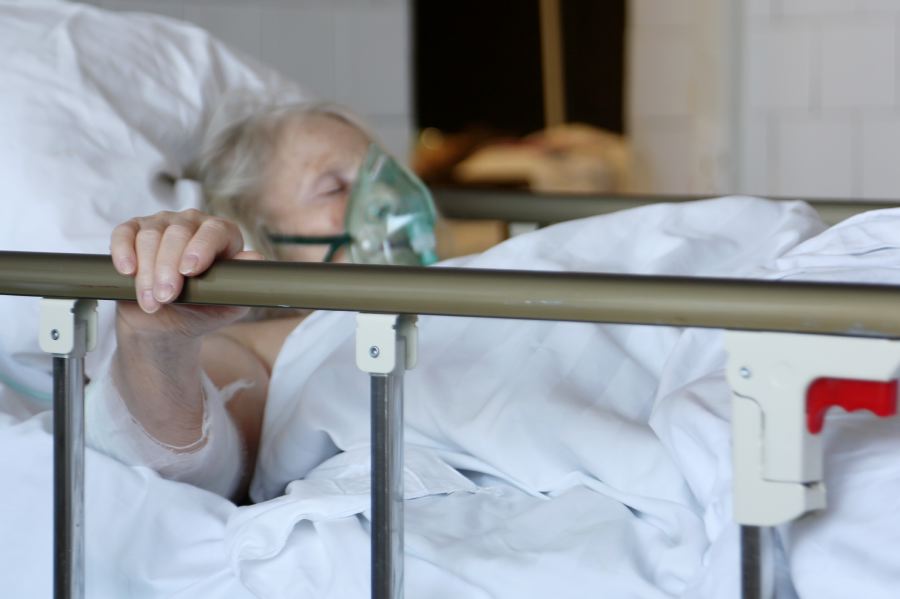 Volgograd. Patient in the intensive care unit of an infectious hospital on the basis of an ambulance hospital No. 15, where people with Covid-19 photos are treated: Dmitry Rogulin/TASS
A separate story with Remdesivir , mentioned in passing with FavipiRigir with the fourth version of the recommendations. Only in the last, ninth version (dated October 26) he was awarded a separate paragraph - this coincided with the registration in Russia of both the American "eyelid" and the domestic generic of the beltesivir "Remoform". At the same time, a large -scale international study of Solidarity did not reveal a pronounced positive effect in coronavirus in Remdesivir.
Also at the end of March, data appeared on a very high frequency of blood coagulation in patients with Covid, which lead to thrombosis, thromboembolism and increased mortality, primarily in severe patients. The wide implementation of thromboprophylaxis methods in the treatment of coronavirus infection began - primarily anticoagulants . The Ministry of Health quickly responded to this trend: on April 8, in the fifth version , recommendations for the use of heparin and low molecular weight heparins (NMG) appeared-however, only with thromboembolism, sepsis and DIS-syndrome, that is, in extremely severe patients.
April 28, in the sixth version , the anticoagulants were recommended by all patients hospitalized with coronavirus. Indications for their use expanded, and starting on September 3, the possibility of using NMG or anticoagulants in tablets and outpatient patients with hypercoagulation and high risk of thrombosis is discussed - naturally, with numerous reservations, precautions and taking into account the fact that the effectiveness of such use of anticoagulants is not sufficiently proven.
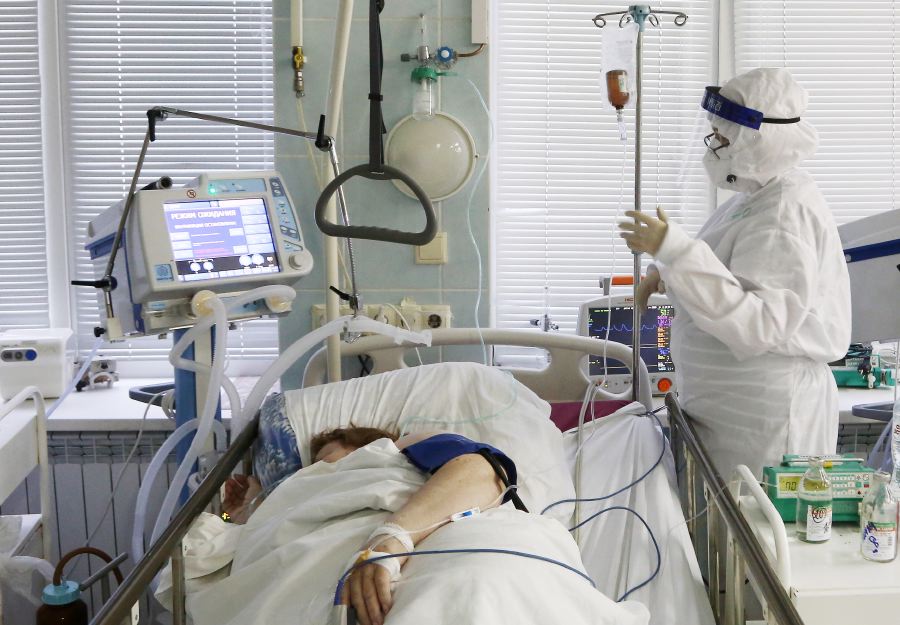 Volgograd. A physician in the intensive care unit of the infectious hospital on the basis of the clinical ambulance hospital No. 15, where patients with Covid-19 are treated : Dmitry Rogulin/TASS
Other aspects of pathogenetic - aimed at the treatment of related pathological processes - the treatment of coronavirus infection also underwent evolution, Melnikov notes. For example, in the first version, protease inhibitors were recommended: testinin and aminomethylbenzoic acid (these drugs contribute to increased blood coagulation and are used to prevent bleeding in surgery). But their use directly contradicted the discovered fact of the high frequency of thrombosis and thromboembolism with Covida, therefore, from subsequent versions of recommendations, the prostake inhibitors disappeared.
In the fourth version, March 27 , in the treatment regimen, drugs of monoclonal antibodies appeared-Interleukin-6 inhibitors (IL-6), one of the cytokines actively involved in this autoimmune disaster: Tocilizumab (Aktemra) and Sarilumab (Kevzara). First of all, they had high hopes at that time on Aktemra. In the sixth, Baricitinib (Olumiant)-inhibitor Janus Kinaz was added to them.
Also, at the beginning of the epidemic, doctors were advised to use glucocorticoids ( steroid hormones from the subclass of corticosteroids produced by the adrenal cortex ) - but only with septic shock, that is, in fact during death. Then, for some time, they disappeared from the recommendations: many specialists considered them ineffective and potentially dangerous. But in the sixth version, they again returned with a note: "In the absence of IL-6 blockers according to life indications." And in the seventh began to be recommended for a cytokine storm, not very large, but not in a small dose - 20 milligrams of dexamethasone per day intravenously.
In July, the British Recovery Group reported on the use of small doses of dexamethasone - 6 milligrams per day - with high efficiency, and already in the next eighth version of the recommendations of the Ministry of Health, glucocorticoids took first place in the treatment of a cytokine storm, pushing cytokine inhibitors. True, the dosage and the method of introduction were not subjected to correction, but the phrase from the recovery report “It is not recommended to use glucocorticosteroids for the prevention or treatment of Covid-19 from mild degree (that is, in patients not receiving oxygen)” was also included in Russian recommendations, and in the latest version it was even excreted in fat font.
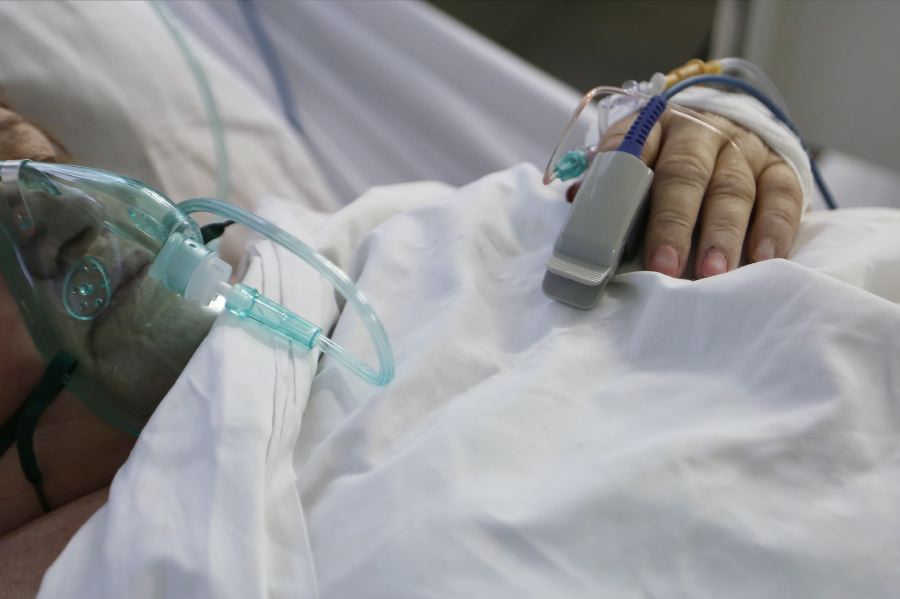 Volgograd. Pulsoximeter (a device for measuring the level of oxygen in the blood) on the patient’s finger on the infectious diseases hospital based on the clinical ambulance hospital No. 15, where patients with Covid-19 photos are treated: Dmitry Rogulin/TASS
Monoclonal antibodies - cytokine inhibitors - are also not forgotten in the treatment of a cytokine storm. In the seventh version, they were added by Yanus-kinaz Tofacitinib (Yakvinus), IL-6 Olokizumab (Artlebia) inhibitor and IL-1 Kanakinumab inhibitor, in the eighth version-IL-6 Levilimab inhibitor (Ilsira). At the same time, it is clarified that they can be applied literally at your own peril and risk: the recommendations of the National Institute of Health (USA) say about the deficiency of data on the effectiveness and safety of inhibitors, but in real clinical practice, IL-6 and IL-1 inhibitors are used to treat critical forms of Covid-19, Melnikov comments.
The doctor states that the Russian Ministry of Health during the pandemic has done a lot of work on the study and adaptation of domestic and international experience - sometimes successful, but often with distortions towards corporate and private interests, without taking into account the interests of patients.
World Haydlin
Unlike Russia, the country of Europe and the USA cannot boast of a huge number of clinical recommendations, even despite the novelty of infection and experimental therapy: for adequate restraint of pandemic, doctors primarily need clear instructions, systematicity and stability in clinical recommendations.
WHO published only two guides so far: from March 13 and from May 27 . It was on these recommendations that the British NHS (National Health Service) founded her Haydline , and the document is still valid. In the United States, since the beginning of the pandemic, there is only one guide that is periodically updated when important data appear - you can monitor the news on the special website of NIH (National Institutes of Health).
 Volgograd. Medic of the infectious diseases hospital based on the clinical ambulance hospital No. 15, where patients with COVID-19 photos are treated: Dmitry Rogulin/TASS
Regarding patients with a mild course of Covid - that is, those who did not develop pneumonia and respiratory disorders - all departments are in solidarity: isolate houses, observe the condition, give symptomatic therapy. That is, to be treated in approximately the same as in the case of ordinary SARS: a lot of rest, warm drink, at high temperature - paracetamol , ibuprofen or analgin .
Lollows for the sore throat and vasoconstrictor drops in the nose can also alleviate the condition. But no additional "covid" treatment methods need to be used. The maximum that can be made as a rule is to check the saturation of blood with oxygen, or saturation, a special device called a pulsoximeter. Home devices are not very accurate, but with negative dynamics - especially if the saturation fell below 90 percent - you must definitely consult a doctor.
With the progression of the disease to the moderate, severe and critical current , breathing problems begin, pneumonia can develop, as a result, oxygen saturation decreases. Other organs (in addition to the lungs) may suffer from this, and one of the causes of death from Covid can be “silent hypoxia”: it happens that the patient does not experience breathing problems, but the saturation invisibly falls-and at some point all organs can simply refuse.
 Volgograd. Doctors in an infectious hospital based on an ambulance hospital No. 15, where patients with Covid-19 photos: Dmitry Rogulin/TASS
Also, in the later stages of coronavirus infection, acute respiratory distress syndrome (ARDS) can develop-the main cause of death from coronavirus, caused by the inability of the lungs to function independently. At the ARDS, patients are connected to the artificial ventilation of the lungs (IVL) to help them breathe, but to get off the Ivl and breathe on their own again, alas, no more than half of the patients with Covid will be able to. A serious complication that potentially capable of killing can be the already mentioned cytokine storm.
For the prevention and treatment of these conditions, the actions of doctors are aimed at more severe forms of Covid. And here the recommendations of WHO, NIH and NHS begin to disperse - however, not very significantly.
WHO IMPOSSIBLEMENTS that antibiotics do not treat coronavirus infection, like any other viral diseaseTherefore, it strongly does not recommend prescribing antibiotics even in the moderate and severe form of Covid-unless there are any reliable signs that a bacterial infection has joined the virus (for example, sepsis). It can be assumed that such a severity of the WHO is associated with the growing resistance of bacteria around the world to antibiotics - and this is one of the main modern problems of medicine that the organization is working stubbornly.
American Nih Hidlers are softer: they do not deny the possibility of prescribing antibiotics, but they offer to give these drugs with “serious suspicion” for bacterial pneumonia. The British are even more loyal: in the NHS recommendations it is said that antibiotics can be prescribed if necessary after the doctor’s assessment - as in similar protocols for any other respiratory infection.
As for specific drugs for the treatment of Covid itself, the WHO is highlighted in a bright red font list of those drugs that do not need to be prescribed. Among them is chlorokhin and hydroxykhlorokhin, in combination with or without antibiotic Azithromycin; Lopinavir/Ritonavir ; Remdesivir , Umifenovir ; Favipiravir .
Also, WHO does not recommend various immunomodulators for the use of Covida, including different variations of interferons and their inducers, as well as the immunosuppressive drug Tocilizumab and the transfusion of blood plasma with antibodies to coronavirus.
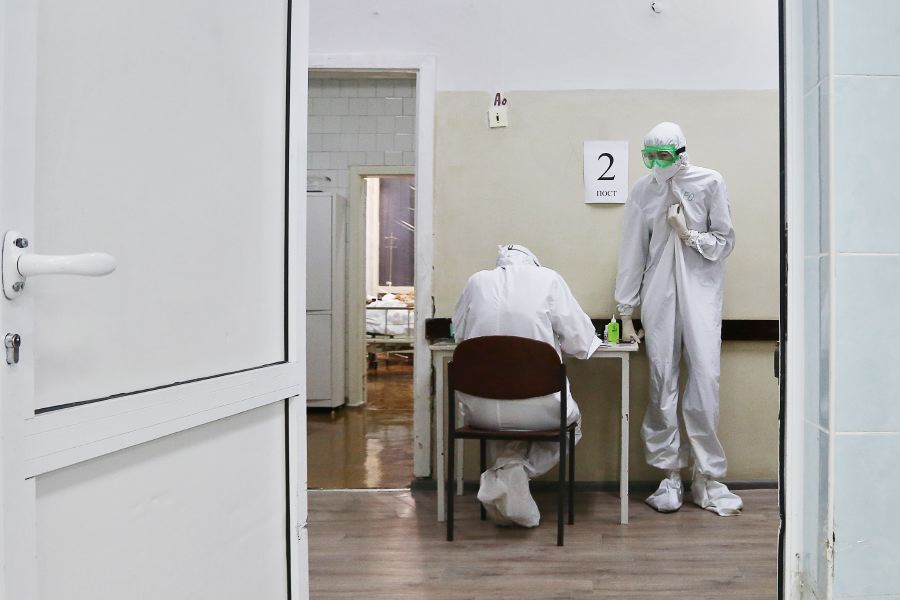 Volgograd. Doctors in an infectious hospital based on an ambulance hospital No. 15, where patients with Covid-19 photos: Dmitry Rogulin/TASS
The British NHS website directly says : there is no specific treatment from coronavirus . Her clinical recommendations are also nothing more: it is only said about how and in what cases to serve oxygen to patients and when to proceed with the ventilation of the lungs. Даже о кортикостероидах, которые в последнее время стали хитом коронавирусного лечения, так как они могут усмирить тот самый цитокиновый шторм, NHS говорит очень осторожно и не советует их применять, кроме как для лечения сопутствующих ковиду заболеваний и состояний (либо в рамках клинического исследования).
Самые обширные гайдлайны — у американцев. Туда попадают данные всех последних исследований и экспериментов, связанных с лечением ковида и его последствий. Пациентам в критическом состоянии, согласно рекомендациям NIH, можно давать кортикостероид дексаметазон и противовирусное ремдесивир. А гидроксихлорохин и лопинавир/ритонавир давать пациентам в рутинном порядке не советуют, но дают добро на использование этих препаратов в клинических исследованиях.
Большое внимание уделяется профилактике ковида и его последствий: госпитализированным пациентам рекомендуется назначать антикоагулянты, чтобы избежать образования тромбов, а добавку с цинком можно изучать в рамках клинических исследований — как способ предотвращения коронавирусной инфекции.
Кроме того, по итогам 216 исследований ученые выяснили , что риск заражения с маской на лице в 5,6 раза ниже, чем без маски. При прочих равных условиях в странах и регионах, где ношение масок является обязательным (Япония, Макао, Гонконг, Южная Корея, Тайвань, Индонезия, Словакия, Вьетнам), смертность от коронавируса на душу населения на 45 процентов ниже. В качестве профилактики также планируется массовая вакцинация: например, сделать прививку от коронавируса собираются 62 процента американцев.
In practice
Лечащие врачи — обычные сотрудники инфекционных отделений и реанимаций, которые постоянно находятся в красной зоне, — просто не успевают вовремя изучать постоянные нововведения Минздрава (сейчас это около тысячи страниц печатного текста). Как следствие, они могут продолжать применять препараты, эффективность которых уже опровергнута, или, напротив, могут не знать о последних прорывах в лечении — таких лекарствах, как дексаметазон, который снижает смертность критически больных ковидом на треть.
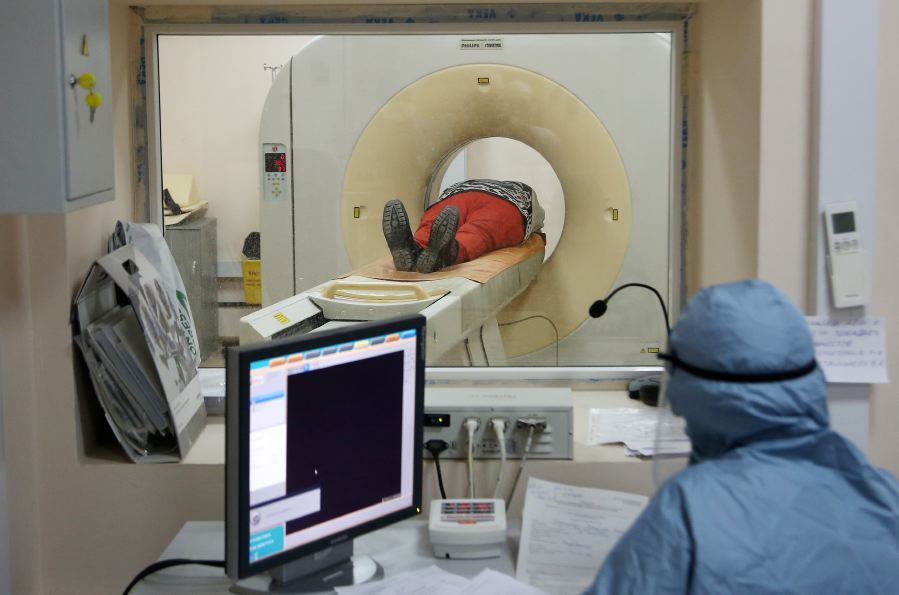 Volgograd. КТ-исследование в инфекционном госпитале на базе клинической больницы скорой медицинской помощи № 15, где лечат пациентов с COVID-19 Фото: Дмитрий Рогулин/ТАСС
К тому же больницы не успевают закупать новые препараты. Например, фавипиравир был зарегистрирован в конце октября. Его нет в 85 процентах российских аптек. В трети аптек и вовсе отсутствуют все противовирусные препараты, рекомендованные Минздравом, следует из данных мониторинга Общероссийского народного фронта . Аналогично с антикоагулянтами: рекомендованных Минздравом нет в половине аптек.
Но главное — постоянные сумбурные и противоречащие друг другу рекомендации, поступающие от ведомства, ставят врачей под удар административного и уголовного преследования в случае летальных исходовВрач-реаниматолог одной из самых крупных больниц Екатеринбурга, пожелавшая остаться анонимной, говорит «Таким делам», что действовать согласно всем рекомендациям Минздрава просто не может: например, ей пришлось отменять пациентам предназначенный именно для лечения инфекции препарат «Калетра», поскольку он трудно переносится больными.
«Балансируем на грани, стараясь помочь и не навредить. В рекомендации смотрим, им следуем. Если чего-нибудь нет, пишем бумагу руководству, отчет, что вот этого нет, надо такому-то больному, — находят нужное в итоге. Родственникам не говорим купить что-нибудь никогда: это прямая дорога к жалобам и разбирательствам», — рассказывает она.
Врач-терапевт инфекционного отделения одного из госпиталей Московской области работает в красной зоне с апреля. В разговоре с «Такими делами» он признается, что смена рекомендаций не отражается на эффективности лечения. По его словам, сейчас болезнь протекает еще тяжелее, чем в первую волну, и больные все чаще попадают в реанимацию.
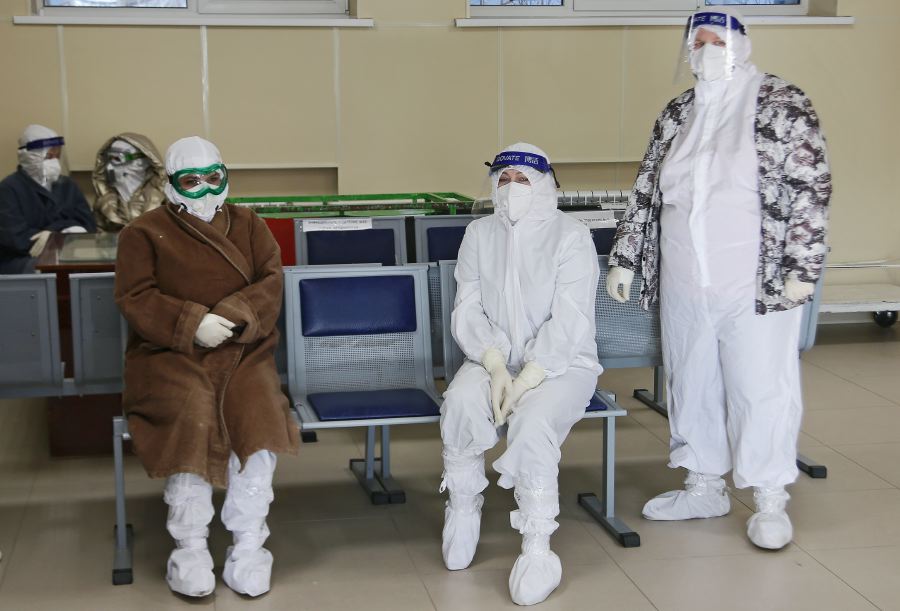 Volgograd. Медики в инфекционном госпитале на базе клинической больницы скорой медицинской помощи № 15, где лечат пациентов с COVID-19 Фото: Дмитрий Рогулин/ТАСС
«Мы уже исчерпали все варианты лечения — возможно, мы просто не понимаем патологию: как и на что именно в организме влияет коронавирус. Некоторые [больные] сгорают как спичка. Это похоже на анафилактический шок», — говорит он.
Госпиталь не успевает закупать актуальные и сдавать неактуальные лекарства, бюджет провисает: лечение только одного пациента в реанимации обходится более чем в сто тысяч рублей. Российские больницы влезают в долги: в ноябре их задолженность составила свыше 14 миллиардов рублей.
По мнению терапевта, течение болезни зависит даже не столько от лечения, сколько от хронических сопутствующих заболеваний, генетики и индивидуальных особенностей организма. Возможно, пандемию удастся прекратить только после массовой вакцинации, рассуждает он. Пока же никто не нашел эффективный и действенный способ лечения, но в больницу постоянно приезжают контролирующие органы.
коронавирус медицина медицинская помощь россия