
Translated material
Journalistic Cathedral
Big press conference of the President-the last representative body of the authorities
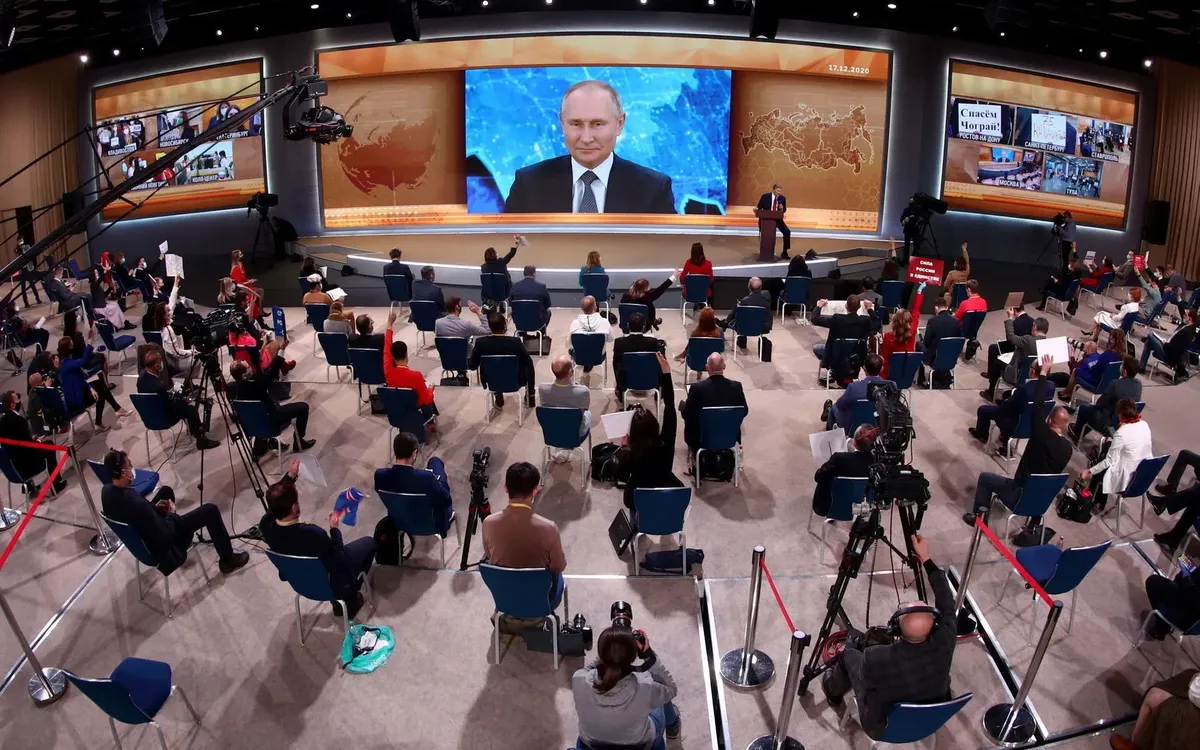
Conceived more than 15 years ago as an instrument of strengthening the personal authority of the charismatic president, Putin’s large press conference no longer gives the desired effect. It is difficult to quickly measure the mood of the television audience about the main political show of the country, but, like last year, the viewers of YouTube express their dissatisfaction with what the president and, probably, the format of this conversation. On the NTV YouTube channel, the press conference on the air is watched by 65 thousand people, and 6 thousand people put a note “like”, and another 5 thousand people-“do not like”.
The opportunity to give the presidential broadcast to the YouTube of the Channel One is completely disabled - neither comments, nor likes (although, it would seem, it would be necessary to let the people thank the leader).
On the RIA Novosti channel, the ratio of those who liked the video and skeptics is 400 to 1200.
The official reason for the abolition of the annual straight line with citizens was that, due to epidemiological restrictions, the “line” is reasonable to combine with a press conference in a new “hybrid” format. Moreover, they have long been weakly distinguished:
Journalists increasingly acted as citizens' citizens.
But it is clear that organizing a direct line on video communication is a completely solved task. The problem is that by the end of 2020, the people may not be happy to communicate with their president.
The press conference as a rudiment of the era of charismatic leadership, meanwhile, continues to work according to its laws. There is an unspoken attitude that it is here that the head of state can be asked the head of state, and he will elegantly resolve them live (charisma should work). But in a decade and a half that have passed since the first press conferences of Putin in this format, the country has changed a lot. It became dangerous to ask acute questions, and the sites that are still ready to carry such a risk are becoming less and less every year-it is enough to recall the recent defeat of the Vedomosti editorial office. But when representatives of state propaganda go to the president, they know that by the way it will show some free -thinking here.
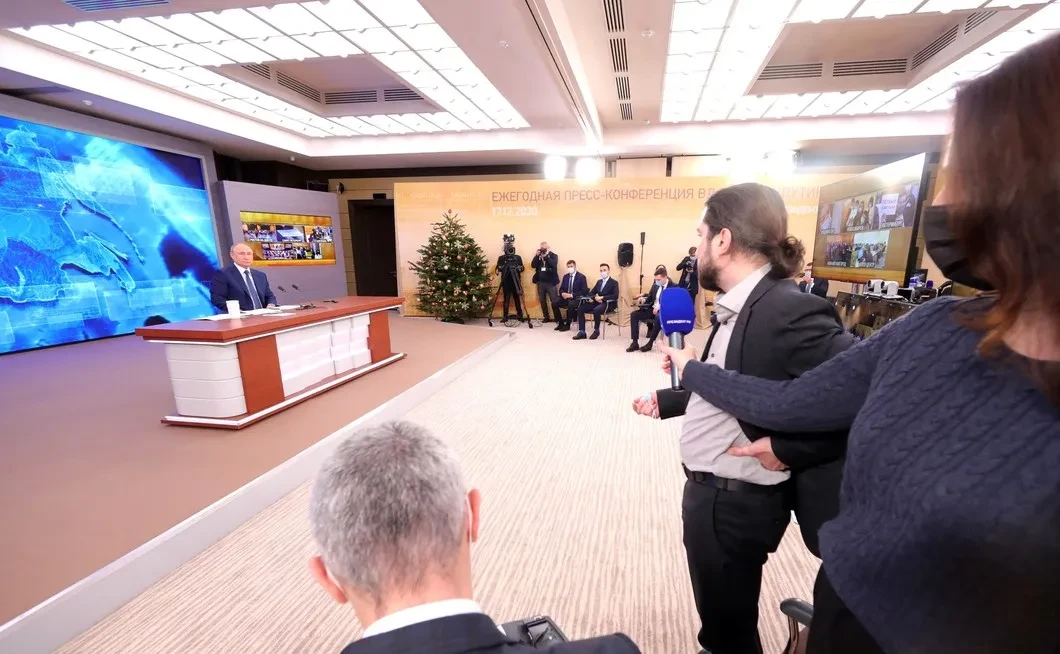
Therefore, the representative of the Kremlin pool from Life asks the president about anti -corruption investigations in relation to his relatives and the publication on the poisoning of Navalny by the FSB officers. Before that, Sergey Shnurov, who is sitting in the same pool opposite the president as the editor -in -chief of RTVI, is jokes about the fact that the most “trump question”, that is, about Navalny, he leaves his colleagues - they say, they will ask him so. Another representative of the pool tells the president that the main event of the year is a pandemic. And I want to ask: what about the “zeroing” and the inevitable increase in stability in this connection? And even the journalist of Komsomolskaya Pravda says:
“Thank you for collecting us here, Vladimir Vladimirovich, and gave you the opportunity to tell you the truth.”
Although the truth in his case was that the prices of products are rising - and it is time to stop their growth at the expense of government decrees. The obvious pass of the Kremlin PR campaign on this topic, which unfolded a week before a large press conference.
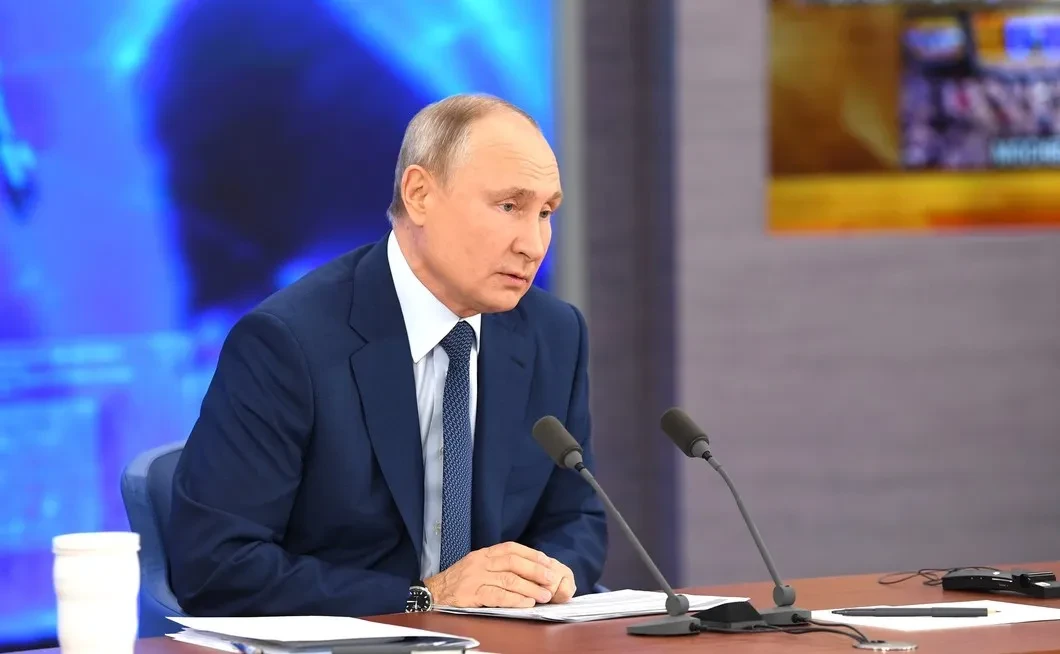
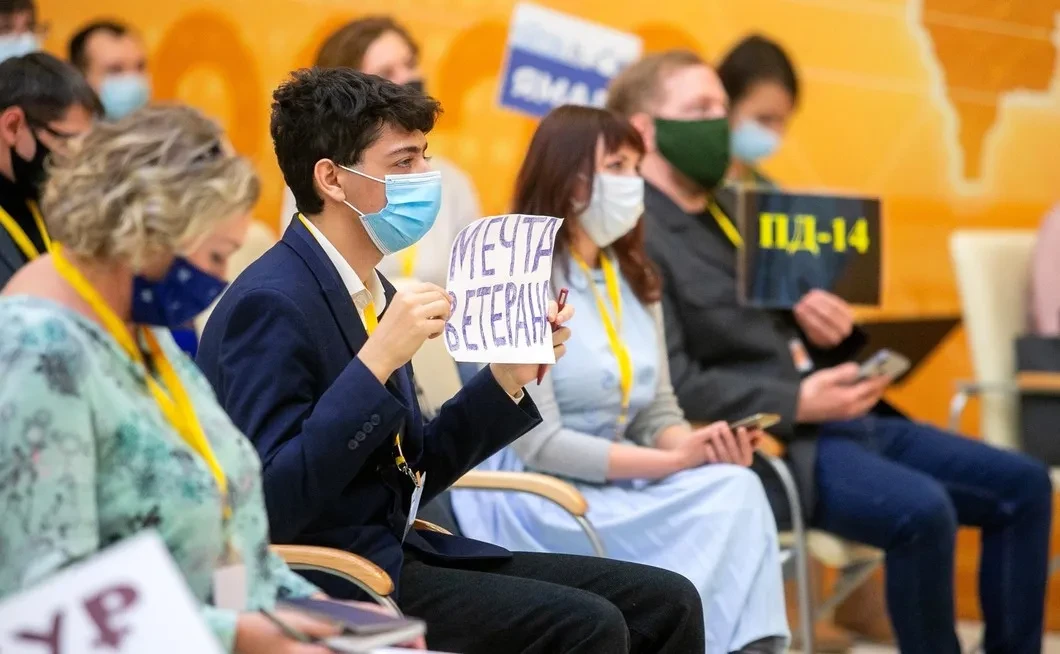
Similar institutions, during which the heads of state reports on their work - listen to the truth from citizens and answer acute questions - are well known in European history. Formally, we don’t even need to reinvent anything again, since we seem to have such an institution - this is a parliament. But the scenario in which the deputies, nominated by the presidential administration, and not the people, will criticize the president is completely inconceivable. If such a task was set before the Duma, many would hasten to pretend to be sick. Only the most enthusiastic reviews about the state of affairs in Russia hear from officials and deputies in the Kremlin. It remains to go to journalists to listen to something else from them.
But, of course, parliament is not only a place for discussion, but also an institution of power. The design of a large press conference of 2020 surprisingly resembles a more archaic form of representation like medieval zemstvo cathedrals. On them, representatives of each estate and each volost appeared with their proposals, and decisions - along with the formation of the autocracy - were made by completely different people. And so we have merchants of the first guild, sitting in Novo-Ogarev along with the president, there is a simple taxable estate collected on the site of the Center for International Trade, and delegates of distant provinces in the fields that have not gone anywhere, but still bring something “to the very top”.
The Kremlin has no other institutions for the country.