
Translated material
Fitings for pipes and their properties
System fittings with pressed compounds that will contact drinking water are made of special brass, resistant to liner, and when used properly, they meet the requirements of the standard DIN EN 12543 (E).
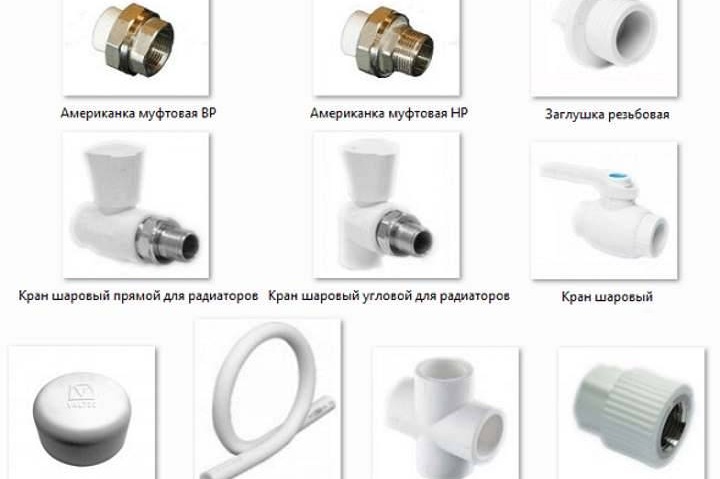
This special rack for exhausting brass was designed mainly for use in pipes with drinking water containing a corrosion substance. You can purchase fittings here https://www.alfastars.ru/ .
Passing
In cases with salty or relatively soft drinking water, it is difficult to avoid the so -called illumination if standard brass alloys are used (brass, it has good processing, etc.). Thus, in the production of fittings for drinking water systems, materials that are not amenable to prefabricating are standardly used. The material from which the fittings are made is corrosion.
Crossing resistance during voltage
The brass fittings of pressed compounds resist cracking at voltage according to DIN 50916 2 (solution a: pH 10.0 / 22 ± 1 C, 7 days).
Marking
Fitings have the following marking:
- manufacturer's name: jentro
- external diameter and wall thickness: for example, 16 x 2.2
- internal thread: RP (for example, RP1 / 2 ")
- External thread: R (for example, R 1/2 ")
Corrosion due to erosion
Since the end of the pipe put on the fitting in accordance with the technology of installation of the joints with the supreme sleeve is previously expanded, the internal diameter of the pipe becomes equal to the passage of the diameter of the fitting. Thus, the average consumption through the fitting can be calculated in accordance with the average consumption through the pipe, provides constant consumption, low noise levels and increased erosion stability.
This advantage is optimally used in the system, in contrast to systems that do not provide for the expansion of the pipes. Thus, when determining sizes according to DIN 1988, maximum values can be used.
Threads on DIN 2999: cylindrical internal thread RP, conical external thread R, sealing threads. DIN ISO 228 threads: cylindrical thread G, without sealing threads. For the final establishment of the system, it is recommended to use fittings with a thread with resistant to drainage of brass or bronze.
Of course, fittings affect the isolation of pipes. It is necessary to isolate all the welds, joints, joints and extreme points with sealant.
It is necessary to comply with the insulation rules DIN 1988 or norms for heating systems (Heizanlv).
In addition, fittings should not come into contact with the parts of the buildings in accordance with the requirements for sound insulation according to DIN 4109.