
Translated material
No certificate - no feat
On the eve of the forty -first anniversary of the Sorokoy Army in Afghanistan, New Gazeta talks about the battle of veterans for their orders
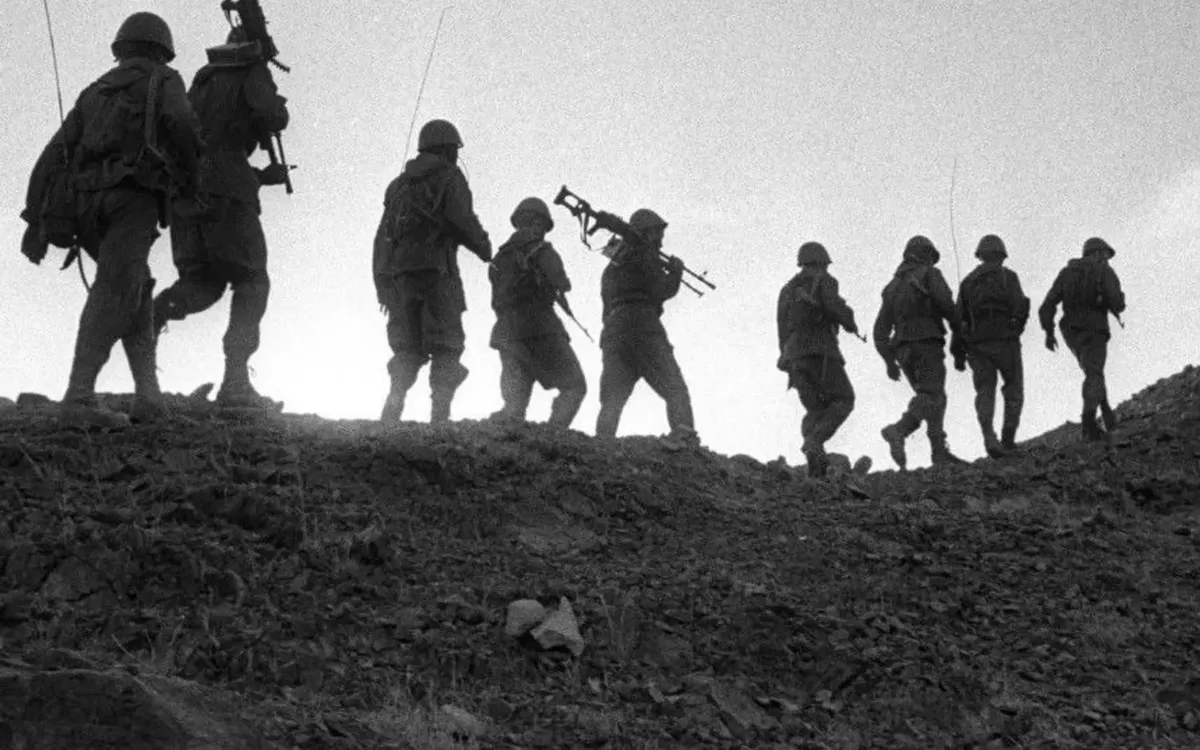
Two years ago, a letter came to the editorial office from the activists of the veteran organization of the first battalion of the 357th Vitebsk Airborne Forces (unit number in Afghanistan Field Mail 48059, in the Union of military unitary enterprise 93684) with a request to publish an open letter to Vladimir Putin: there were no award sheets for many fighters and officers in the archives actually committed at one time. Veterans believed that bureaucrats did not want to hand awards, and relied on the justice of the president.
It was about the very first period of hostilities from December 25, 1979 until the end of 1981. The details of the history were such that the editors decided to contact the Ministry of Defense of the Russian Federation. In the dialogue ensuing dialogue, they gave a move, the necessary bureaucratic procedures began.
In total, thirty -four people were on the list of bad things, of which there are nine people with disabilities (including five military disabilities), six officers, two killed. Five soldiers from the list by this moment had already died, four suffered a stroke. One of the disabled is chained to a wheelchair, the other has been paralyzed for 15 years. Two veterans from the list that did not receive combat medals in the war earned state awards already in peaceful life.
A special case - the two soldiers who died in battle were left without awards at all, and in Afghanistan the military tried not to allow this. It is likely that for this reason the fate of veteran awards personally took up two deputy defense ministers. Of course, not according to official duties, but in the order of civil initiative.
The surviving soldiers and officers of the battalion are a real brotherhood, in the best sense of the word. The collapse of the USSR paved the borders between them, but veterans in Moscow, in the Urals and the Caucasus, Ukraine, in Belarus, Kazakhstan remember each other, as far as possible, they visit the sick in other cities, call back, and remember the dead. The chief of staff of the Varushin regiment has about thirty asset numbers on the phone.
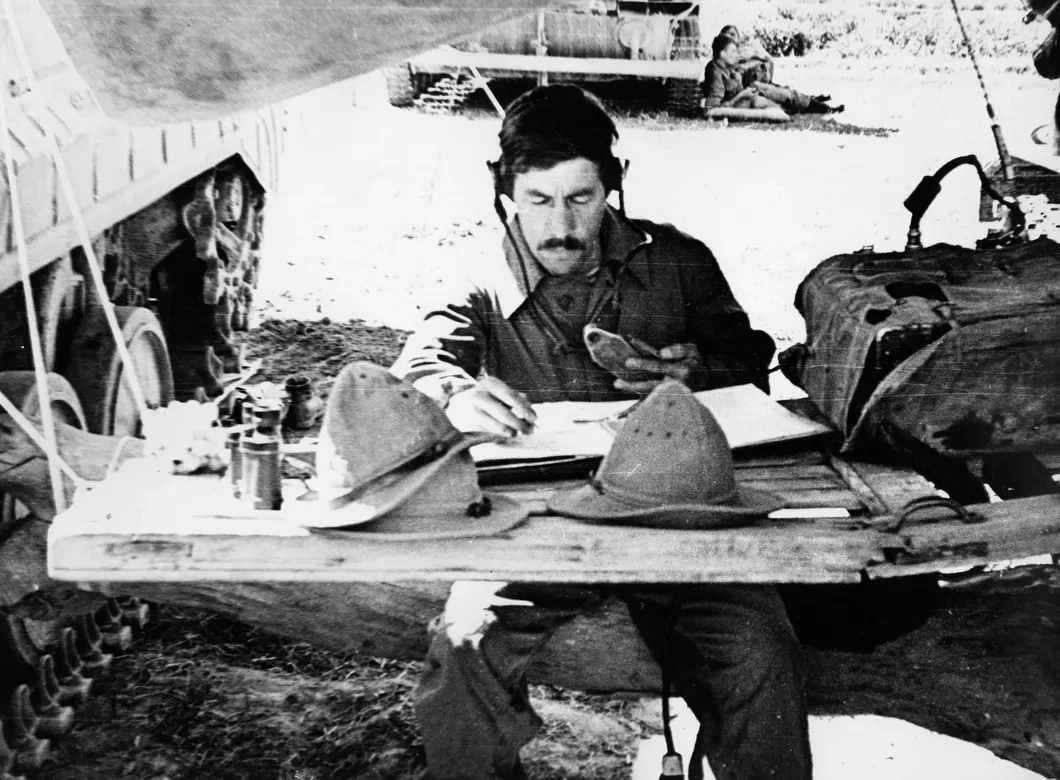
An important circumstance: commanders who submitted award documents in 1980-1981 are alive, as well as the regiment commander who signed them. At the request of the employees of the Ministry of Defense, the regiment officers, including Kalinushkin, Romanovich and Puzychev, assured the notary of their testimony on the award documents they wrote out. But when compiling the text of the appeal to the president, they initially refused to include their surnames in the list - it was more important for them to achieve justice for their soldiers, at least forty years later. Private Pyotr Magdalene brought from Yekaterinburg a weighty coffee with neatly filed copies of applications collected in different countries and notarial documents. When in the spring of 2019 I handed them to the deputy minister, it was obvious that such an approach to the case made an impression on him.
The investigation begins
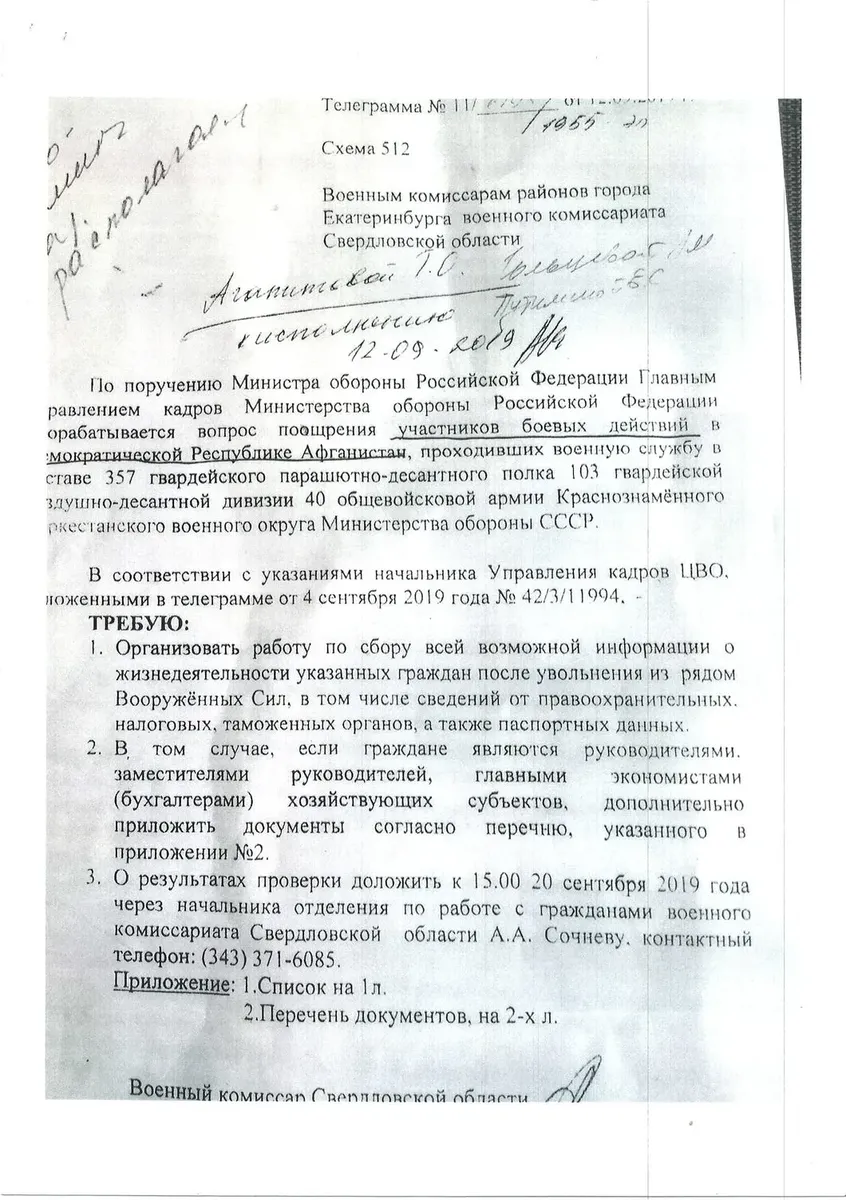
In October 2019, Peter wrote to the editor: “We all saw that the work of the Ministry of Collection of Materials on Awarding began. For about a month now, with different frequency, they began to invite us to military commissariats at the place of residence. From the list of survivors today they are 22 people, 12 people have already been invited. ” Requests from the Ministry of Defense flew off to Moscow and the Moscow Region, Nizhny Novgorod, Gorodets, Leningrad Region, St. Petersburg, Smolensk region, Smolensk, Sverdlovsk region, Yekaterinburg, Perm Territory, in Chuvashia, Kurgan and Kurgan region, Omsk region, Prokopypyevsk and Novokuznetsk, Ulyanovsk region, Vladikavkaz. Veterans, their families and friends were inspired by the shifts that had occurred.
With such a commander ...
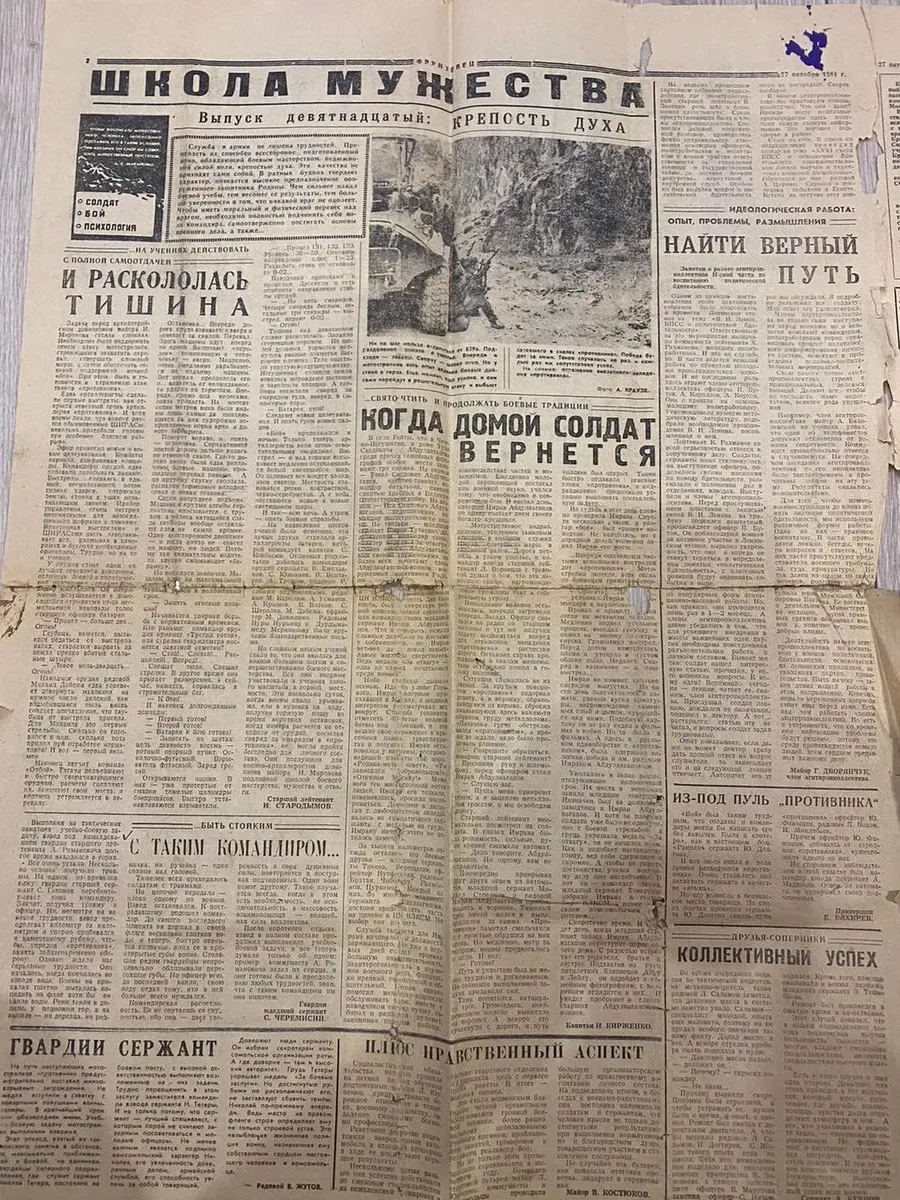
They really deserve it. The intensity of the battles was very high, the paratroopers fought like gladiators at mountain circuses (places at the convergence of several slopes), having no real motives, except for the oath and mutual assistance. And it was impossible to talk about it. A stunning document has been preserved, from which you can understand what censorship in the USSR is. This is a small note in the newspaper of the Turkestan Military District "Frunzevets" of October 27, 1981, written by the combat comrade of our heroes by Sergeant Cheremisin (died last year). It should be read.
Performing a training task in tactical exercises, a platoon under the command of the guard of Art. Lieutenant A. Romanovich was in the mountains for a long time. Everyone is very tired. Several people were injured. On one of the halves I see: the guard of Art. Sergeant S. Gaponov bandages his face to the commander. So, an officer was injured. But, in spite of any difficulties, the platoon stubbornly overcame a kilometer per kilometer and made his way to the intended line, so that, having repaid the “enemy”, to take up the defense in advance. However, serious difficulties were waiting for us. They began when the water ended in the platoon. The warriors in the halves tried in vain to shift from flasks at least a drop of water. The rivers flowed in the valley, at the foot of the mountains, and at the height - neither a tree, nor a fontanel, nor a stream - one sun above the head.
The heavier soldiers with injuries were heavier.
The chain was handed over - it is bad to one of the warriors. The platoon stopped. The commander approached the victim. Until the very last moment, he kept several sips of water in his flask and now, quickly unscrewing the cap, poured it into the ajar lips of the warrior. The guardsmen standing nearby involuntarily licked dry lips. But the officer all, to the last drop, gave his water to the one who needed it the most in it.
Commander prudence. You can’t confuse her with stinginess. For she gives confidence in her mental powers, is repeated in the actions of subordinates ...
... After a short rest, the platoon in full force continued the fulfillment of the combat training task, and now everyone was thinking only about one thing: the example of the communist A. Romanovich hit their hearts and they were ready to overcome any difficulties, knowing that with such a commander they did not care.
What could military officer Sergeant Cheremisin to write about without censorship? About how a platoon in a detachment of two companies in continuous battles went through the mountains two hundred kilometers. Who walked around the mountains - understands what this means.
At that time, about 40 people went to the mountains only wounded for two companies (with an abbreviated staff of a company) was thirty -three - these are the same fighters with injuries who want to drink.
Two out of five and eighteen soldiers out of about eighty were already killed. That is, much more than half died
Or they were incorrect. The company commander for health reasons was unable to manage the battle (he was subsequently commissioned and sent to the Union), and everything was held on one Romanovich.
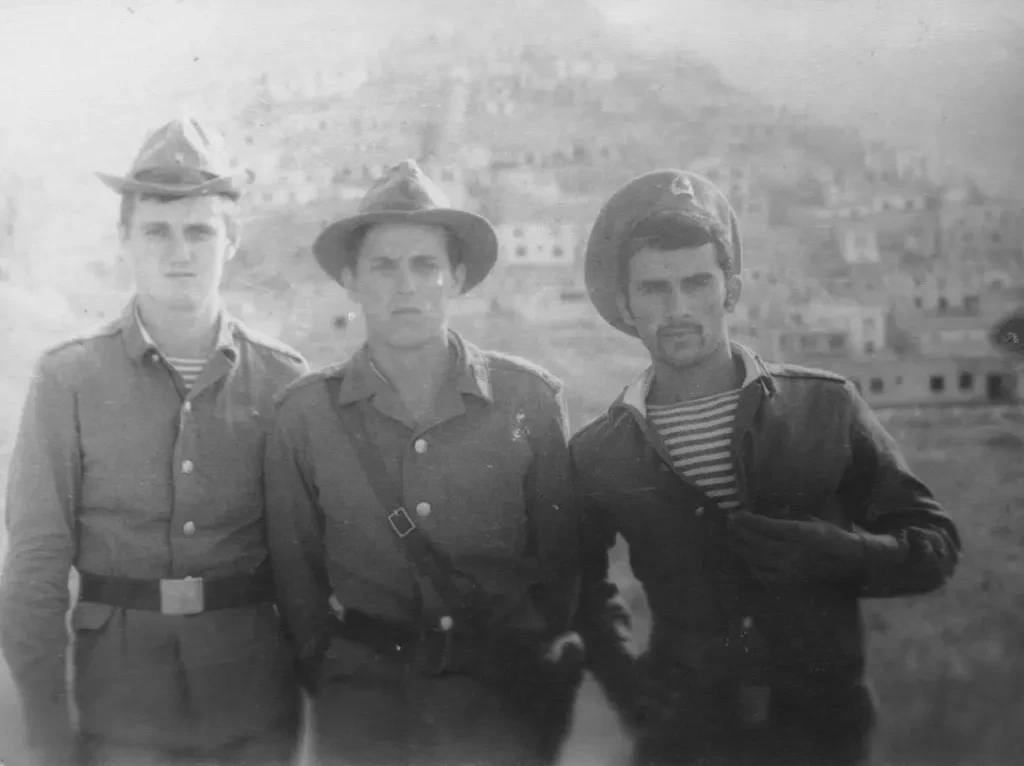
It was difficult to carry water and food: in the heat of more than 45 degrees, the helicopters could not rely on the blades on the sparse air and were riveted to the airfield. Events unfolded in the place where the Kunar River Gorge went to Pakistan. Moving on a map compiled in 1958 with a very conditional border, the platoon approached the ridge, on the other side of which Pakistani artillery was already standing. Romanovich with subordinates the first fell under the Pakistani artnetlet, he was sore with fragments and flooded with stones. This is what the strange note in the district newspaper tells about this - the soldier on the exercises lies the face of the commander. I will add that from this composition seven people died from the consequences of wounds and shells during the first four years upon returning to their homeland.
You can’t give out more than one award per year!
The commander of the first company, Alexander Kalinushkin, in an interview with me recalled that initially awards in the year of the Moscow Olympiad were very limited - they received them more often in that period. He himself on July 28, 1980, during a three -day operation in the gap (in the midst of the Olympics), led a company without artillery support. On the goat path, he personally destroyed the ambush of the Mujahideen from the AGS in the cave and lost his eyes, receiving a shot from a grenade launcher in response. With a knocked eye and fragmentation wounds, he continued to manage the battle. I did not receive awards for this, although it was presented.
His certificate is interesting: it turns out,
According to the established rules at that time, it was impossible to give out more than one award per year, despite the number of wounds and personal exploits
(In the future, they began to depart from this rule). Senior Lieutenant Kalinushkin was presented to the medal "For Military Merit" even when the troops were entered in the winter of 1979. In the summer, it was still forbidden to award it by practice. Combat Comrade, the political officer of the regiment Rudenko, only spread his hands in front of a crippled officer who lost his hope in his career: “Sasha, one award a year - what can you do?”
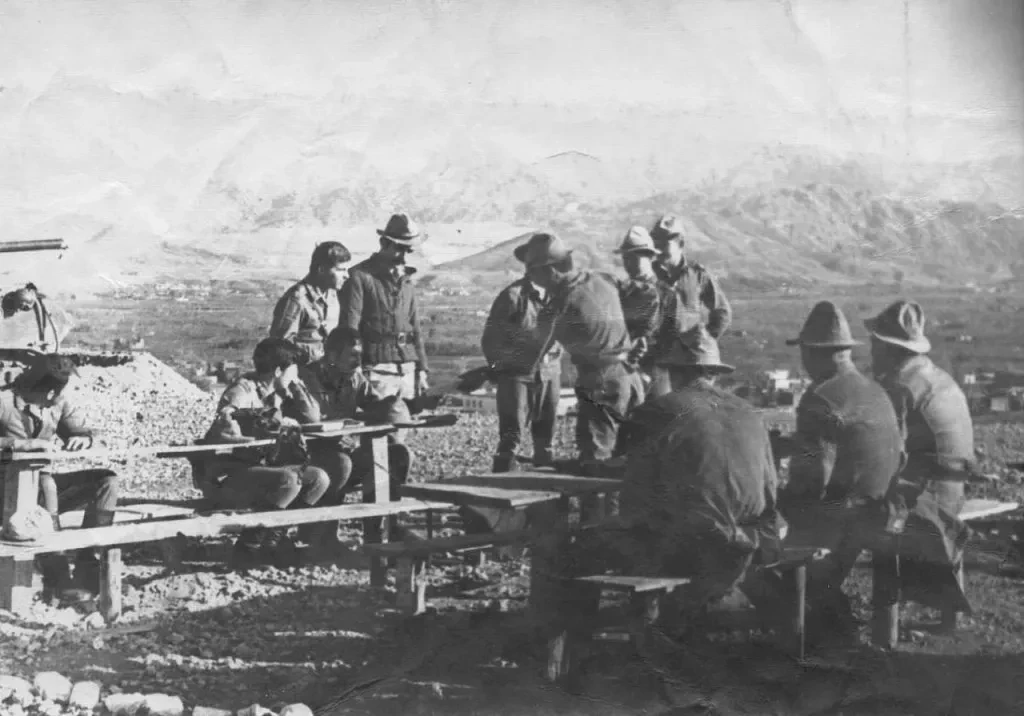
With a special bitterness, fellow soldiers recall the platoon commander of the second company Valentin Tanin, who has already died. For two months he did not get out of continuous battles when the Soviet units broke the blockade of Herat. A day, together with six comrades, fought surrounded by a detachment of thirty Mujahideen (none of his fighters received wounds, this is an outstanding achievement). Twine twice represented the rank of “Hero of the Soviet Union”. As Kalinushkin said, as well as from the words of the assistant to the political officer of the division, the first performance ended with a call:
"Do you have a communist for an idea of the hero?" Valentina, who had received three bullet wounds by this time, including heavy, urgently accepted into the party, bypassing candidate experience.
In the list of children from the first company, two dead. Nikolai Danilidi from Pyatigorsk was presented to the medal "For Military Merit" much earlier than his last battle. It just so happened that the medal came after death. The headquarters decided that this was enough: more often once a year we do not reward. The rest of the Red Star’s orders were straightened by the other dead fighters in the company, but Danilidi was not posthumously awarded.
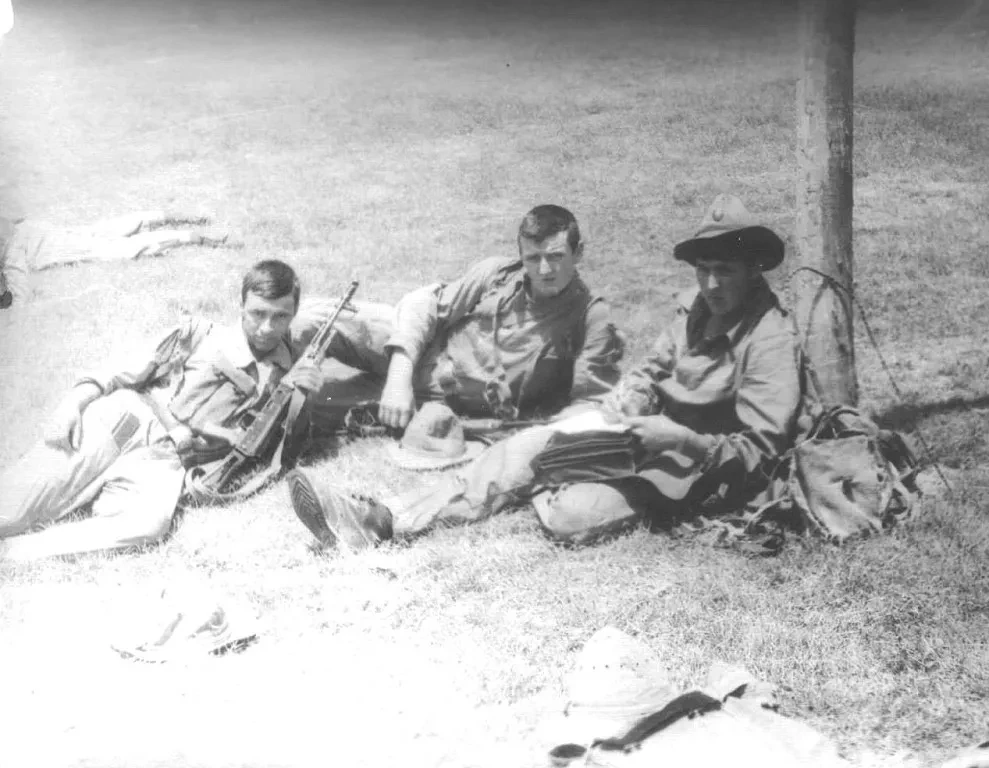
The grenade launcher from Chelyabinsk Vasily Mitskevich in his last battle destroyed the nest of a large -caliber machine gun Mujahideen, who did not allow anyone to raise his head. Almost immediately after that, his car was blown up on a mine. The commander of the third company posthumously presented him to the order. For unknown reasons, Mitskevich was left without any awards. The performance in the archives was not found. The bureaucratic logic of the award departments and current rules cannot explain this fact.
The investigation is over: Forget
Veterans called the military commissariats from September 2019 to January 20, 2020. Then everything stopped, but shameful details became clear. Checking the circumstances of the exploit, the military commissariats from veterans, in addition to passport data, demanded to submit information from law enforcement and customs authorities.
In addition to those who were related to the leadership, and economists (accountants) of business entities, they demanded to submit documents “in the dynamics of the main financial and economic indicators for a three-year period with a breakdown for each year and the past months of 2019”. It was also necessary to submit a certificate of the structure of the authorized capital, the conclusion of the executive body about the deposit of the enterprise to the socio-economic development of the region.
Separately, the timeliness of the payment of wages was needed. "What to do? I have no such information about those who died and died, ”wrote Peter Magdalene.
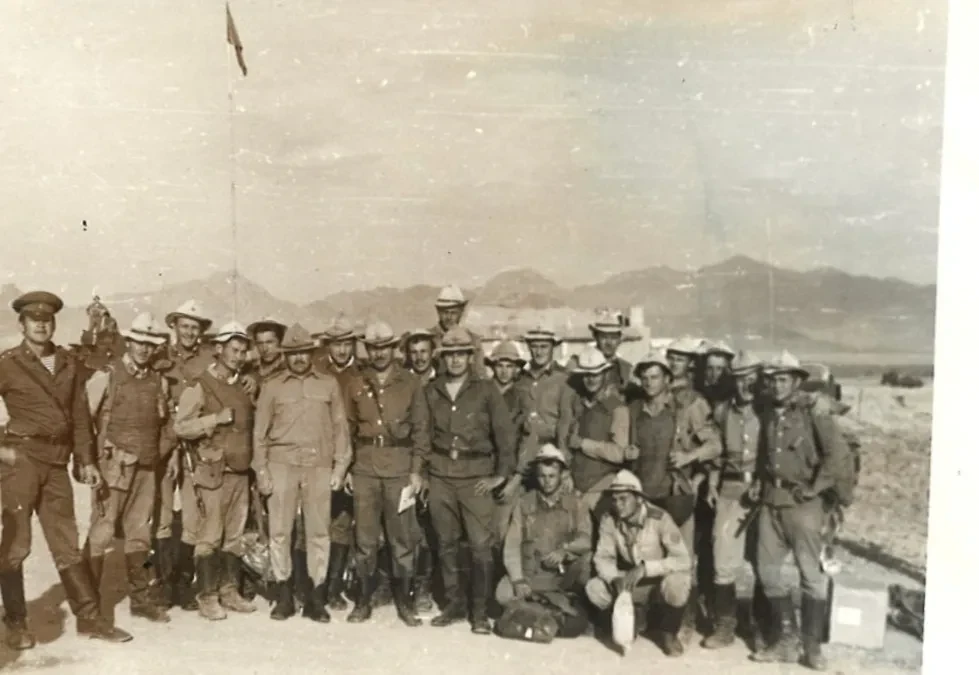
Personally, I do not believe that this is a mockery of people who were just expected to test their participation in military operations forty years ago - evil intent. So from ancient times our bureaucratic machine is arranged that, executing the instructions from above, immediately begins to supplement them, “improve” and develop them.
The check lasted more than a year. On September 30, the editors received an official response signed by the head of the Main Directorate of the personnel of the Ministry of Defense of the Russian Federation V. Goremykin. Its essence was the following. The work was carried out, they met, talked with veterans, studied their documents. No unrealized ideas for awards were found, documentary evidence that they were received unfairly, not found.
The most important thing: there are no objective grounds for revising the decisions of the command of past years only on the basis of evidence of the commanders and memories of the veterans themselves. Everything came to the starting position - award documents either lost, or did not even enter the archives. And without documents of 1980-1981, modern certificates of commanders who manufactured these very missing documents in those years have no forces. The commanders may swear at least on the combat charter, even at the Holy Scriptures - there is no faith in them.
This is a general attitude in the award policy of Russia, it consists of the positions of several departments, and the presidential administration plays a key role in it. It has been unchanged for many years, and the editors have been faced with her not the first time. In other formulations, but exactly the same was the answer about recognizing the feat of Grigory Bulatov, who was the first to raise the banner of victory over the Reichstag: they gave a smaller reward for another, there were no other awards in the archive - that means there was no feat. Everyone who demands to recognize the “attack of the century” of the idol of our submariners, the personal enemy of the Fuhrer captain of the S-13 submarine Alexander Marinesko on the “Wilhelm Gustlov”: the award was not written out, there is no award to realize the same wall.
Because of this omnipotent, introduced by the unknown principle, even with the most benevolent attitude of two deputy defense minister veterans, the 357th Airborne Forces regiment suffered Fiasco. We received a pure experiment: everyone for our heroes, everyone wants to help them, they have no enemies in the political administration, like Marinesko or Bulatov. But nothing can be done, this is not a custom -fixed custom.
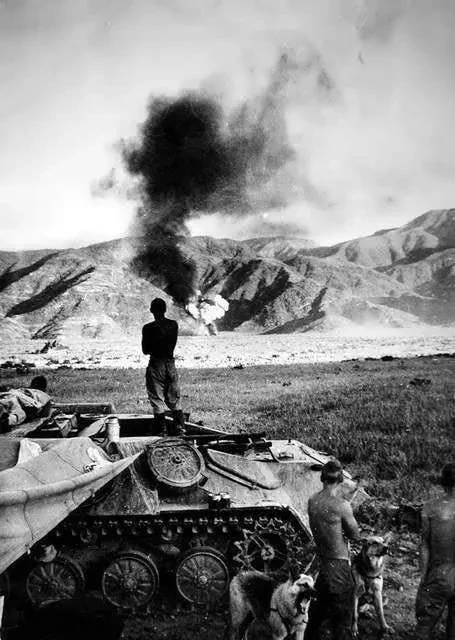
And in our country there is no mechanism that allows a person to challenge him if the documents have sunk into a bureaucratic abyss. What is the main document on the basis of which a veteran book is issued? This is a certificate of participation in the hostilities. It is stored in a personal file or betrayed. God forbid her to get lost - you can no longer restore your status.
In the USSR it was better!
The same USSR, which many in the country's leadership considered an example, pursued a different policy. I will make a reservation right away: I give examples without trying to compare the exploits of the past. They are incomparable, all the Afghans that I talked with. It is important for me to demonstrate the difference in approaches.
In the summer of 1964, Khrushchev learned about Richard Sorge from a French feature film. On October 4, “Pravda” told him about him, on November 5 he was awarded the title of Hero of the Soviet Union. Members of his residency were awarded military orders, some posthumously. Who wrote a performance on them?
More than 200 dead and surviving defenders of the Brest Fortress were awarded awards after scientists and journalists investigated the history of its defense. Major Petr Gavrilov and Lieutenant Andrei Kizhevatov, who died in the fortress, were awarded the title of Heroes of the Soviet Union. Commissioner Efim Fomin became the cavalier of the Order of Lenin, Captain Ivan Zubachev - the Order of the Patriotic War of the 1st degree. Who wrote in the summer of 1941 the ideas for awards if Smolensk was already falling on August 5?
However, in modern Russia there are examples of this kind. In 2004, the head of the main personnel department of the army N.A. Pankov organized a rewarding of participants in the liquidation of the consequences of the accident in Chernobyl simply on the basis of certificates of finding in a certain zone at a certain time. This was enough to give people state awards, including the Order of Courage.
If you follow the current attitudes, not a single Russian military who was missing in modern wars (and no one is safe from this), cannot be awarded if his remains and evidence of heroic death find in the future.
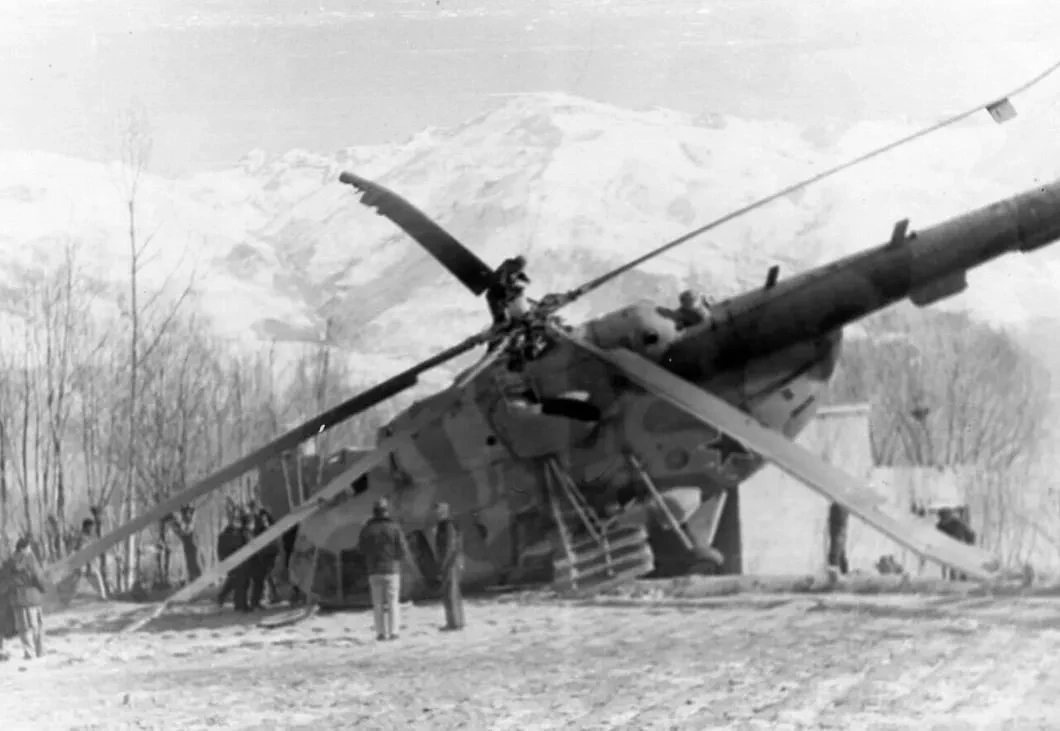
Undoubtedly, the state’s award policy at different times has its own characteristics arising from experience and education of senior management. But its main line in Grodno, the commander of the best company of the Vitebsk division in Afghanistan in 1981, Sergei Aleksandrovich Kalinushkin, determined, in my opinion, exhaustively:
“How easy it is for us to punish a person for the past, it is just as difficult he is to reward him for the past.
One single witness is enough after many years to be sent for an unproven crime in conclusion. But many witnesses, led by the commander who signed award documents, are not enough to reward you for the feat committed in the past. ”
From the editorial office
Of course, this story is not just about rewards and benefits attached to them. She is about justice. More precisely, about the injustice, which has long become the main content of state policy. And therefore, the story told by Valery Shiryaev applies not only to Afghan veterans, but, in fact, all of us.