
Translated material
The plan "interception"
Russia is trying to overtake the United States in unobvious directions of foreign policy
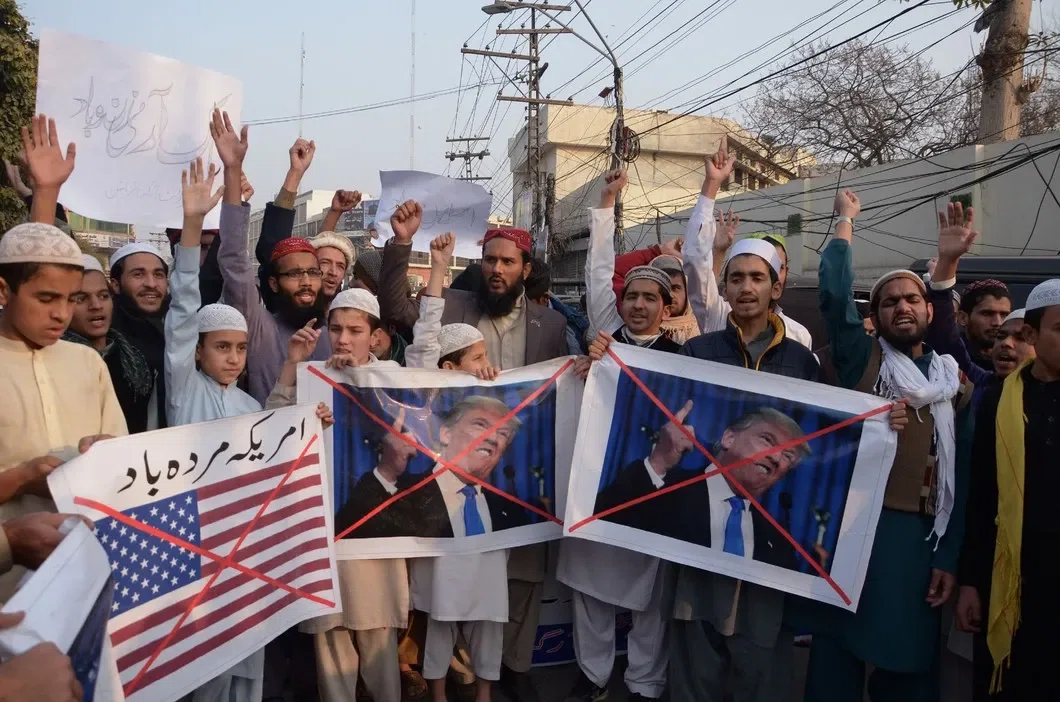
The era of Trump in the White House is coming to an end, but the consequences of the international politics pursued by him will no doubt a heavy load on Biden's presidency. The US foreign policy prospects look especially intriguing in “optional” directions: in the Islamic world, in the Arab countries, in the region of South and Central Asia.
Throughout his presidential term, Donald Trump supported India, trying to resist Chinese and Russian influence, on the one hand, and on the other, in the feverish race for the recognition of Israel as a large number of Islamic states as possible. This, of course, is not about the multicultural India itself, which established quite live diplomatic deletion with Israel back in 1992. We are talking about neighboring Pakistan (and this is one of the largest Islamic states in the world), which has an implacable conflict with India about Kashmir and which still has no connection with Israel. Trump supported the military enemy of Pakistan in an attempt to put pressure on the Israeli issue, although Pakistan since the Present of Obama was an active partner of the international coalition in the war with terror - both in its own territory and in Afghanistan.
With regard to Israel, Pakistan's position remained unchanged. &
In recent months, the Trump administration contributed to the rapprochement of Israel with the united Arab Emirates, Bahrain, Sudan and Morocco. But not with Pakistan. In one of his last speeches after a visit to the UAE, the Minister of Foreign Affairs of Pakistan Shah Mahmud Kureshi directly stated that Islamabad was not ready to admit Israel: “I categorically presented Pakistan’s position on Israel of the Foreign Minister of the UAE: we will not and cannot establish relations with Israel until a concrete and constant resolution of the Palestine issue is found.” Kureshi's statement was made against the backdrop of rumors that Islamabad secretly sent the messenger to Israel. Thus, he denied messages of many Israeli media. Kureshi also said that he explained to his colleague from the UAE “The depth of emotions and feelings of the Pakistanis to Palestine”, obviously, drawing analogies with the situation around Kashmir.
In Pandan, the statement of the Pakistani Foreign Ministry, the most densely populated Muslim country in the world, also said that Israel recognizes until the requirements of Palestinian statehood remain unfulfilled. Malaysia also performed similarly.
Meanwhile, the geopolitical balance in the region, obviously, undergoes a serious transformation.
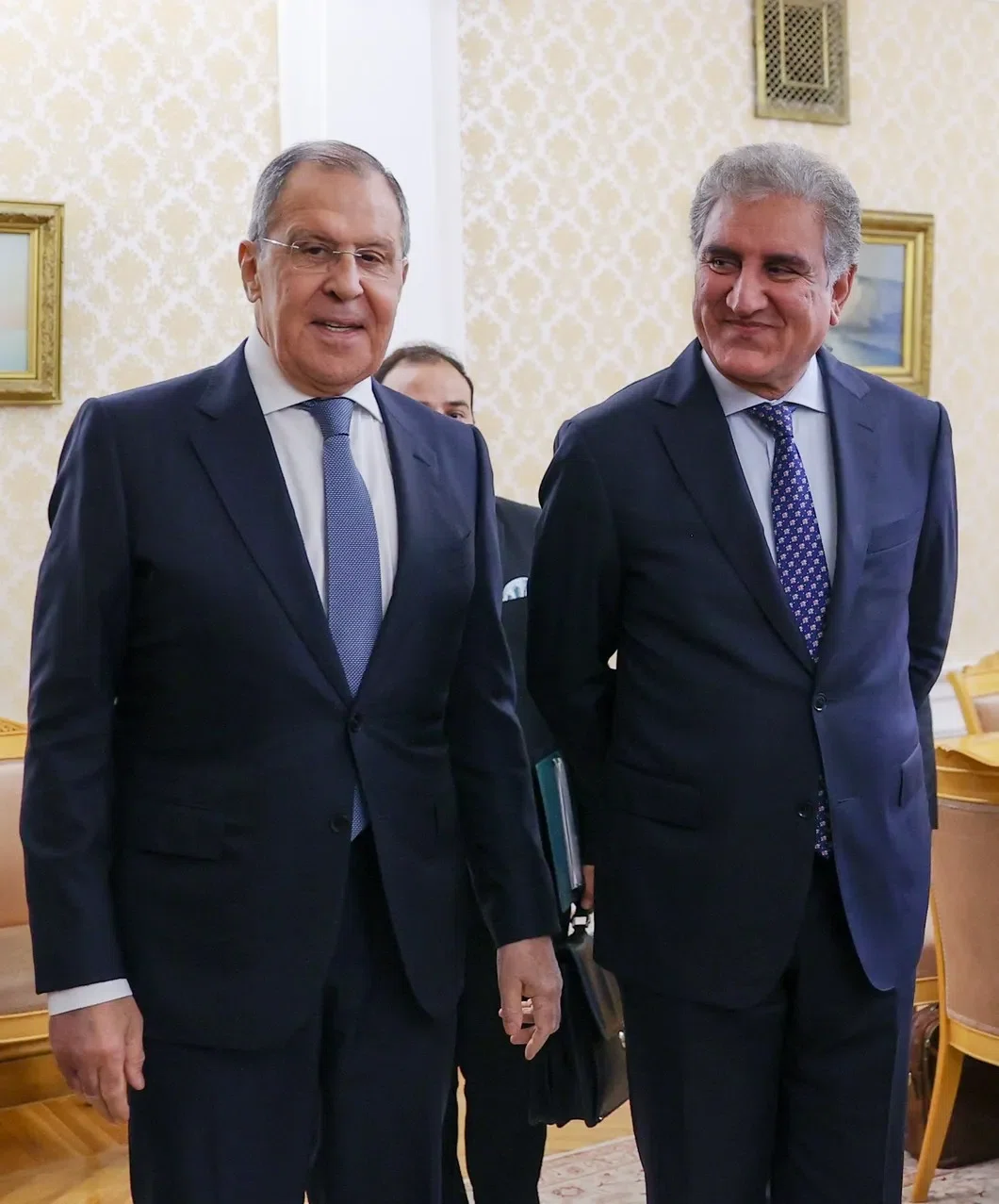
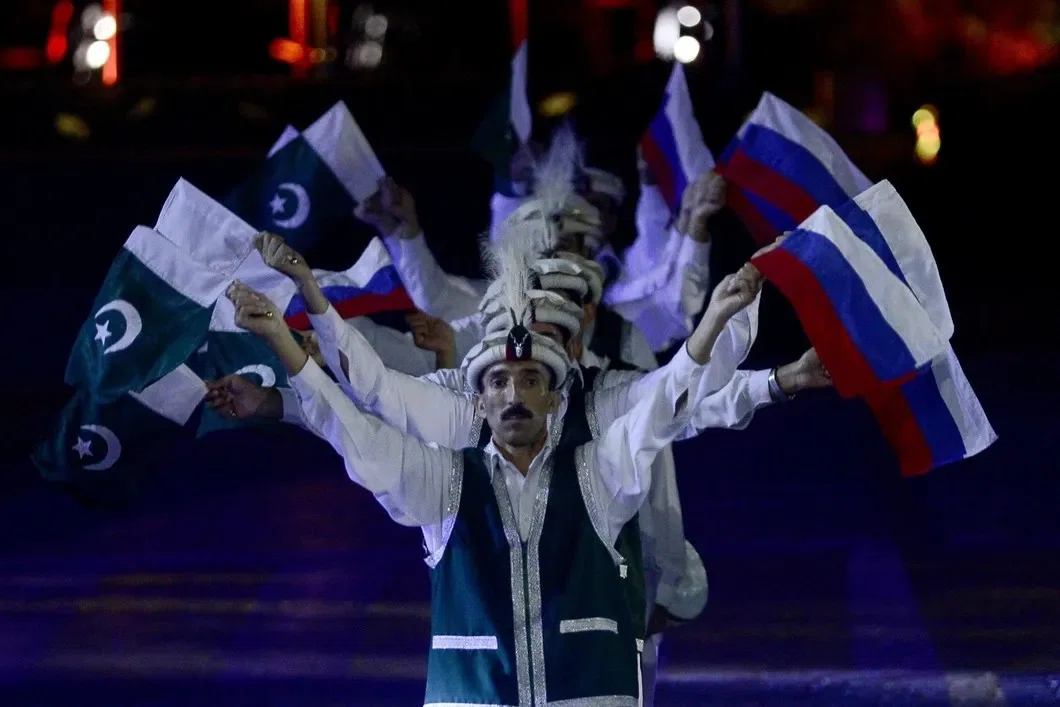
The stretched Soviet-Pakistani relations were replaced by completely business, based on mutual interests, the relations of Pakistan with modern Russia. One of these interests is the meeting between Russia and NATO-in Pakistani territorial waters as part of joint naval exercises, which will be held in February 2021. These exercises, perhaps, will put an end to the decades of stretched relations between the rival military blocks and marked the beginning of an era of reducing international tension. The fact that this historical step towards de -escalation will occur in Pakistan is not accidental.
Pakistan claims a noticeable place in the international arena - as a regional intermediary between Russia and the West. On the other hand, Russia will then have the opportunity to play a similar role in relations between Pakistan and Israel.