Translated material
"The feeling that nothing is over yet."
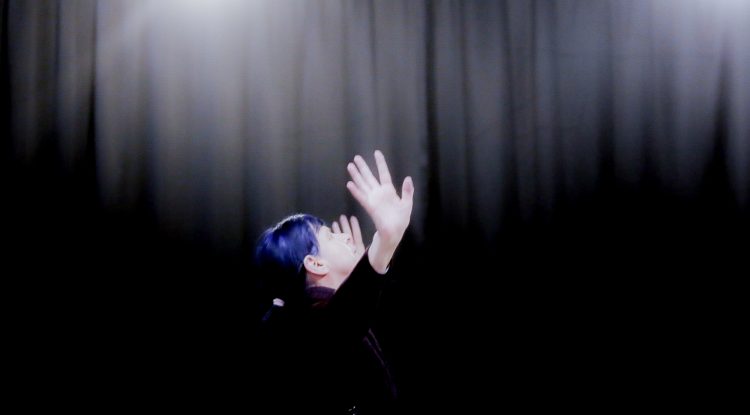
The story of Irina Volotskaya, who lost his hearing and vision, but still became an actress
Irina Volotskaya lost her hearing in early childhood. Her vision was very weak, but in the area of 40 years and it was gone. Despite this, she became an actress and director and performs in international projects under the pseudonym “Violet Fenix Fairy”. Volotskaya told the "cold" how she learned to live without hearing and vision and how the theater helped her accept herself.
Until five years I heard well. In the summer, I spent a lot of time with my grandmother in the village with the fabulous name of Beloomut. I remember the voice of the wind, the rustle of leaves, the noise of the tractor in the fields, the cry of roosters in the morning, the mooing of the cows that return from the pasture. In winter, I lived in the city, and my parents took me to kindergarten. And once this story happened. In the afternoon we played snowballs in the garden, fiddled in the snow, everyone was fun. The teacher reported us for the fact that all the clothes are wet. In the evening I had a high temperature. They called an ambulance, and it turned out that I had pneumonia. I lost consciousness, could not breathe. I survived then a miracle. Doctors pricked my streptomycin - an antibiotic of the first generation. One of its side effects is a possible hearing loss. They made me a dozen injections. The rumor immediately began to disappear.
I don’t remember very well how he left. It was a slow and physically painless process, which lasted about a year and a half. For a long time I could still talk on the phone. I liked to call the exact time and listen to the voice of the robot. I also liked to listen to the beeps in street phone numbers.
The world was blurred and smeared, like crooked glass oil
A significant deterioration became noticeable that month when I was five years old. I remember my mother cursed that I did not obey - she called me from the kitchen, but I did not go. I made excuses that I did not hear her. My relatives began to talk to me louder, I got into the courtyard less and less, it became more difficult for me to communicate. The world calmed down. This surprised, but at that age I did not yet realize what was waiting for me, and did not perceive it as a tragedy. I remember how we sat in the corridor of the clinic: my mother cried and hugged me. I was bad: I really did not like to be in such places, and then my mother was crying. I hugged her neck, I was scared. There were no other feelings. On that day, my parents learned from the doctors that I would completely lose his hearing and nothing can be done about it.
After that, communication with friends very soon came to naught. I did not understand what they were playing, and began to “fall out” of games. They began to ignore me often. That summer I was again in the village. It seems that grandmother and aunt were not enthusiastic about me - because I did not hear them. At that time, I was taken home to the city earlier than usual.
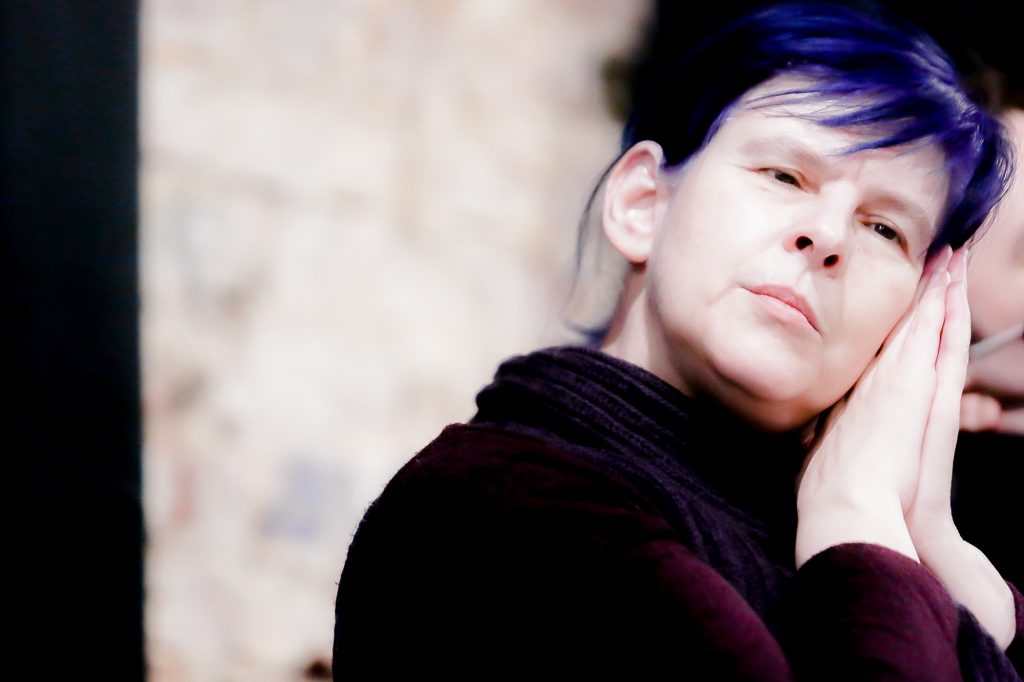
By the time I completely lost my hearing, I already had serious vision problems. At three years old, they did the first operation in my eyes, at four - the second. Doctors said that this was an innate cataract. I was discharged glasses with very thick lenses. It seemed that they weighed a kilogram, I hated them. In them, the world did not look clearer - it was blurred and smeared, like crooked glass oil. They slipped, prevented him from breathing and actively moving. I felt ugly. When the rumor disappeared, it seemed that everyone saw in me a thick -faced blind and deaf bespectacled.
After the kindergarten, I went to study at the experimental group of learning deaf -blind at the NID. There I had my favorite teachers, the first textbooks, and deuces, and five. But there was a program of only the first two classes of elementary school. Then I spent a year at home training - they didn’t take anywhere. As a result, my parents decided to give me to the Zagogorsky orphanage for deaf-mute children. I spent about two years there. I remember working in a sewing workshop - we made men's panties and technical wipes. There was also embroidery, caring for rabbits living at the boarding school, excursions to museums and cinema campaigns. The visually impaired watched films and told comrades who did not see anything at all what was happening on the screen. I remember all this better than studying. I almost did not study there - rather, I sat down the lessons in anticipation when the change will begin. We just read the specified pages from the textbooks and answered questions. I am in a voice, and the rest - with the help of dactylology. “ Zagorsky experiment ”, when four deaf -blind children were prepared for admission to Moscow State University, was already completed. Since then, no one has been interested in quality training in the boarding school - it was believed that it was enough to give us self -service skills and engage in labor therapy.
Previously, when I studied at NID, they dealt with me. In Zagorsk, such classes were not carried out, although there was a special proprietary office and parents said that the lessons were held in it. Therefore, in two years I began to talk worse. In the end, my parents took me home. I myself studied in textbooks for a year and a half - I read them in thick glasses and with a magnifier. I caught up with my peers under the program. Then I handed over verification work in writing for admission to the legendary boarding school No. 30 for the hard -oldered ones. The famous Surdopedagog Karp Avdeevich Mikaelian worked in it, later this school was named after him. I was not hearing impaired - I had no hearing at all. But Mikaelian personally decided to enroll me, and began to oversee my training.
This school already had serious studies. It was more complicated than in the Zagorsky boarding school. Other students used the headphones to hear teachers, but I did not have such an opportunity. I could not read from the board either, even if I sat on the first desk. Therefore, I had individual classes with teachers. The questions were written on the sheets, and I answered in a voice.
I wanted to enter the Moscow State University - at the historical or psychological faculty, I was very interested in these areas. When I was engaged in NID in childhood, I met Alexander Ivanovich Meshcheryakov - thereby, which was conducted by Zagorsky Experiment. Four years - until his death - he was in touch with me, found out how things were going. Then I met the “Zagorsky four” of the deaf -blind people, who later all graduated from the Psychological Department of Moscow State University - Sasha Suvorov, Yura Lerner, Seryozha Sirotkin and Natasha Korneeva.
I did not enter Moscow State University - there was no way to study with such health features. Therefore, I graduated from the Moscow Polytechnic with a degree in Archivarius. I rewritten lectures from classmates, and passed the exams in writing. Then I took the correspondence preparatory courses at Moscow State University and then I “got” the knowledge of psychology at different courses and at institutes where there was such an opportunity.
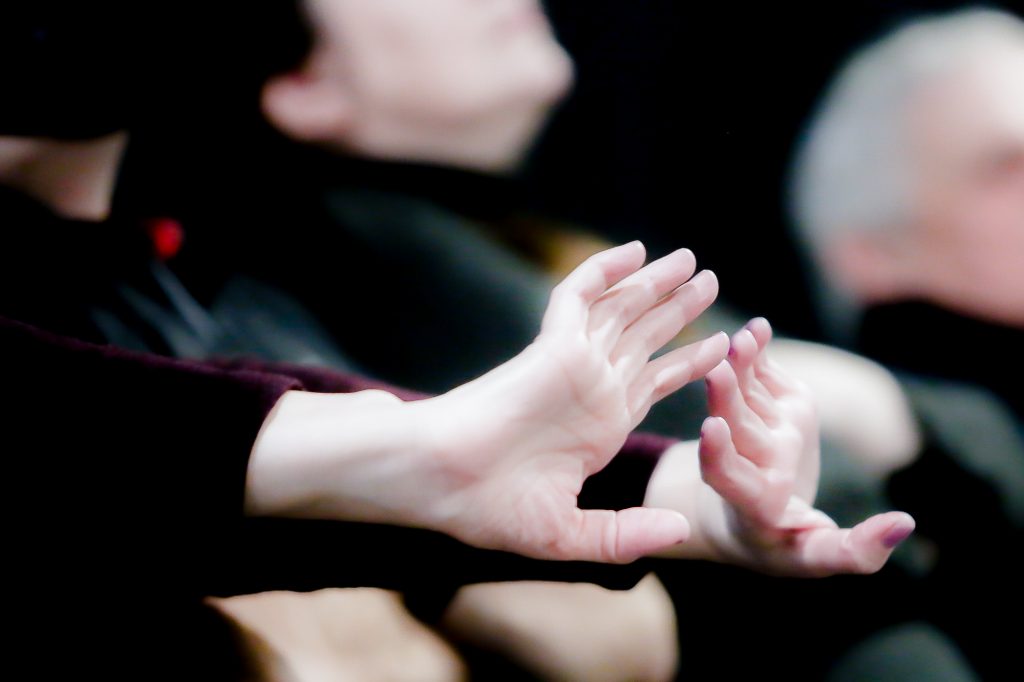
When I was just starting to work as a psychologist, Assistant friends helped me with many tasks, sometimes they participated in consultations. Some clients wanted direct communication, without intermediaries: they in the grounds wrote in my palms what they wanted to say. Electronic means of communication gradually developed, and I quickly mastered them. The further progress is, the easier it becomes to work. A special Braille display appeared - for those who do not hear and do not see. The text has become possible to slander a special speech recognition program. Those who have a rumor can use the program for voicing the text from the screen. Computers, laptops, smartphones appeared - people with residual vision can use all these devices, you just need to adapt the font, contrast and brightness. With the advent of the Internet and new technologies, and to work and communicate has become much easier.
I constantly continued to study, talked with colleagues on the Internet. 20 years ago, at one of the psychological forums, I met my future husband. We had many common interests. There were no difficulties in communication, because at first we talked online. Later, when we met at the offline meeting of the forum already live, in just a couple of hours he mastered the Dactil-“manual” alphabet consisting of 33 fingertips.
All this time I had residual vision. But at some point, the retina began to exfoliate: this happened gradually. At first I began to blind in one eye, and when I was 42 years old, he completely stopped seeing. Then - at 44 years old - vision in the second disappeared sharply. It was very difficult to survive. In childhood, taking hearing loss and partial loss of vision was easier. In adulthood, such things are harder. For three years I fell into terrible depression. Psychological preparation did not help me - I understood the processes that occur in my mind, and still seemed to fade sincerely.
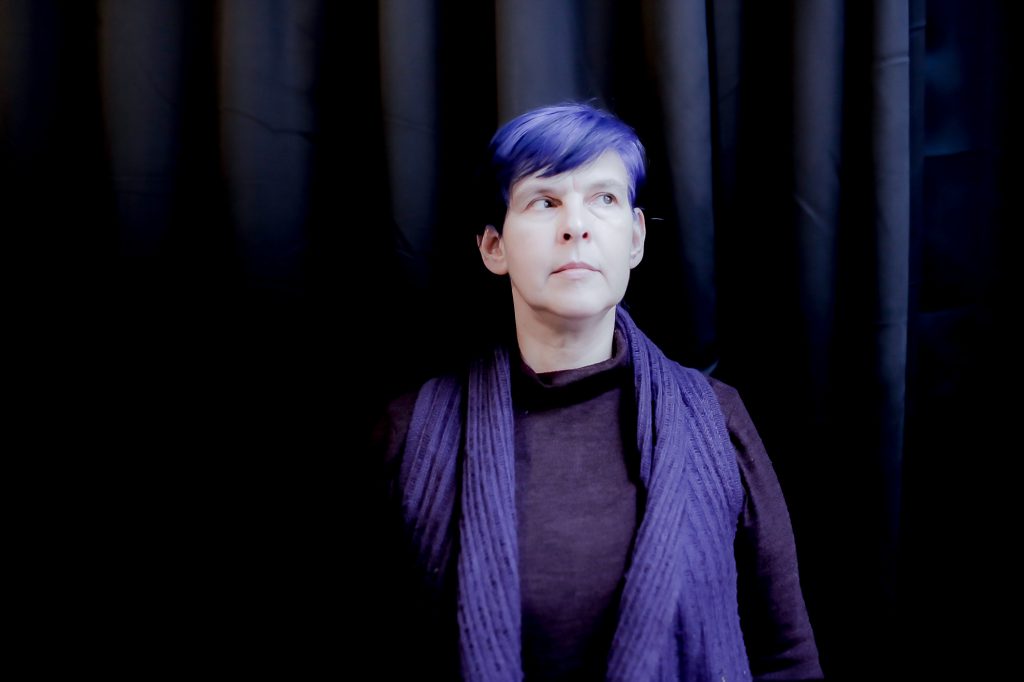
Help came unexpectedly. One of the friends suddenly suggested that I start to engage in flamenco. Together we found a very good teacher who was ready to deal with me individually. Perhaps I agreed to go to class because I liked the name of this teacher - Kristalinskaya. I knew that there was such a singer, she sang a song about Exupery-one of my favorite writers ( in the song “ Tenderness ”, which was performed by the Maya Kristalinskaya, Antoine de Saint-Exupery is mentioned-approx. “Cold” ). So I started dancing. With this new hobby, the taste for life has returned to me. There was a feeling that nothing was over yet. I began to engage in creativity more: I wrote poetry, prose. It turned out that you can write pictures, even when you do not see flowers. And then I finally embodied my dream.
Since childhood, I loved the theater. She participated in the production at the school, went to performances with her parents. When I was very small, dad and I organized doll performances with neighboring guys. Later, my friends and I made theatrical apartment on the holidays. I dreamed of a theater career, but I never thought that this dream could be realized. In 2012, I told my friend how I wanted to deal with the theater, and she proposed creating a creative association for blind people. So “current” appeared: the creative association “circle”. We invited choreographers, directors, artists, conducted master classes and theater laboratories. They wrote scripts, tried to make their productions and shoot short rollers. All this cost a lot of money and did not bring any income. We went around all instances and potential sponsors, but did not find support. So we decided to change the type of activity, and the “circle” turned into a pottery workshop. I supported this project as I could, but I did not have much interest.
And then I was unexpectedly invited to participate in the play "Tucking". He was put by the theater of nations with the participation of the Support Fund of the deaf-blind "co-union".
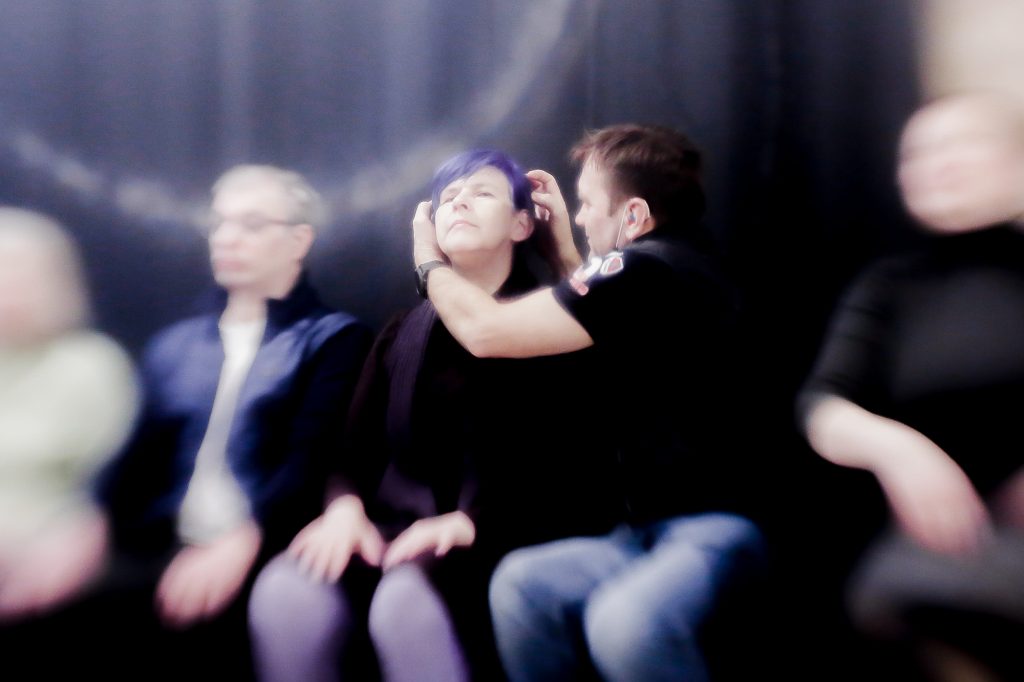

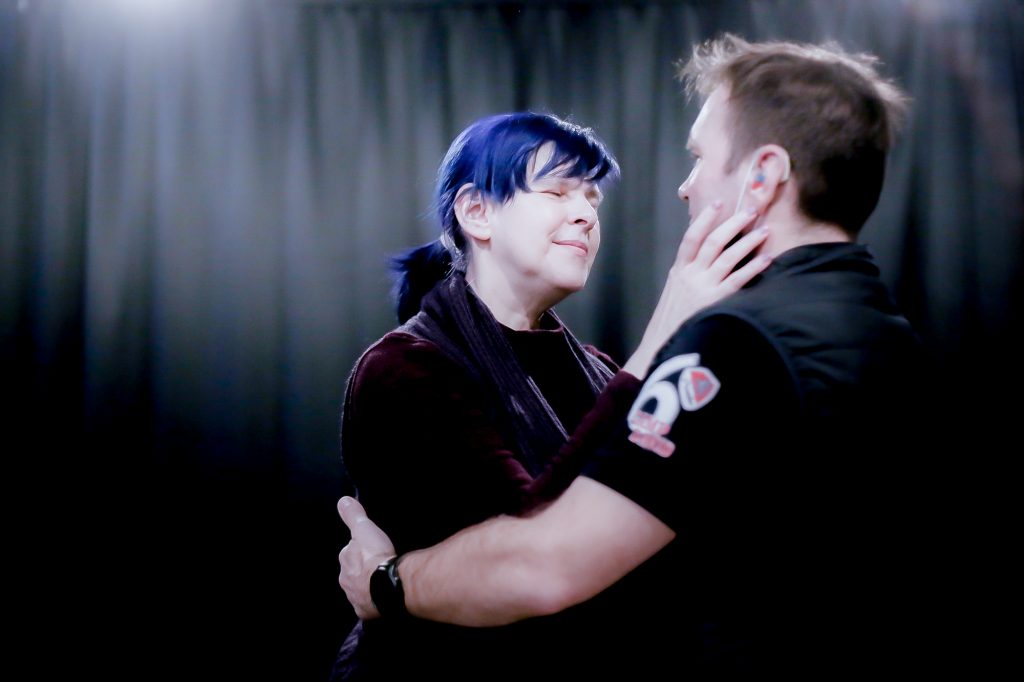
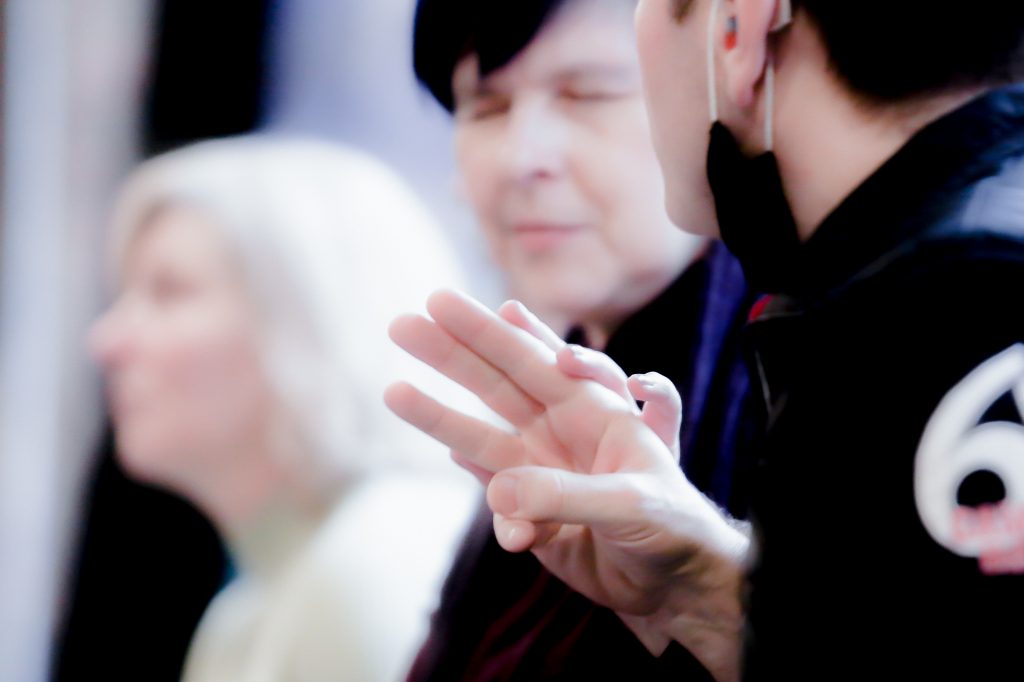
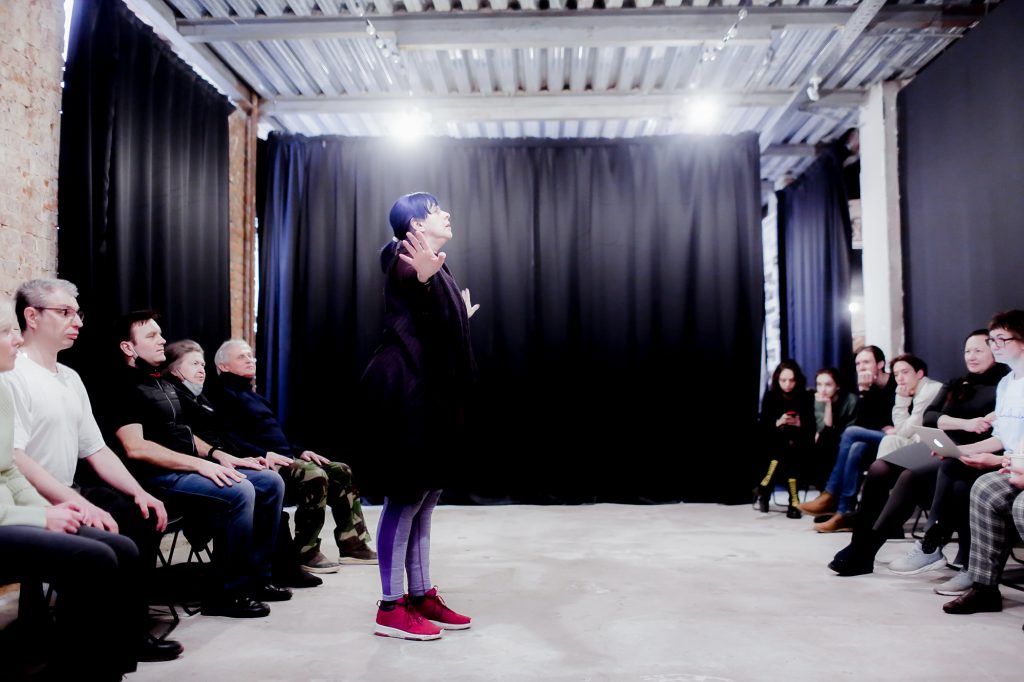
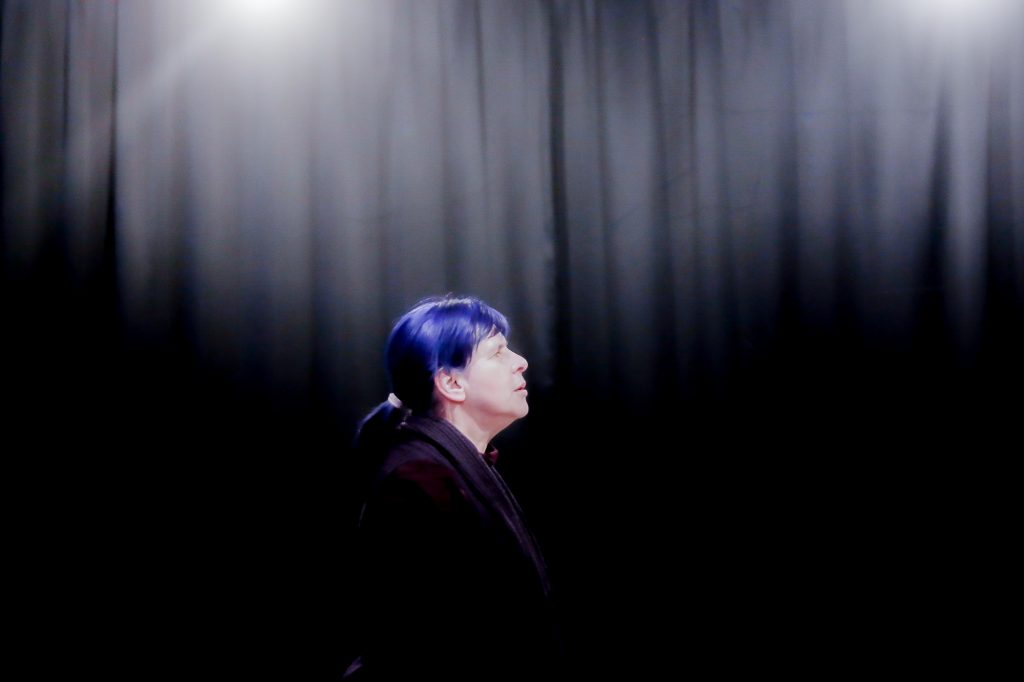
“Couppers” is a production in which both deaf -glued actors and those who hear and sees together play together. I helped to collect the first composition of deaf -blind actors and played in the performance myself. Finally I was on the big stage. In the final of the international version of the performance, I say: “Dream, dream, dreams come true,” and this is about me. The “touched” project has existed for six years, and it is still popular. He became international, he was nominated for a "gold mask". Then other projects appeared. Recently, in the center of Meyerhold, the premiere of the play “There is more than just a herring”, which set the Center for Creative Projects “Inclusion”, was a great success. Now I have my own inclusive Cosmoopera Theater, which is preparing performances.
Now inclusive creativity is developing. There are specialists, festivals, volunteers. Prepared actors with disabilities appear and spectators who are interested in this art. When we took the first steps, no one believed that this is generally possible. Now we have proved and showed that "it was possible."
Inclusive performances are very necessary - so that people learn about them, look and not shy of us, do not perceive us as trained monkeys. So that others understand how to communicate with us. There is a stereotype about a blind man - it seems to people that we are mentally flawed. You have to deal with this constantly. When you come somewhere, people usually do not know how to react to you, how to communicate. Many do not suspect that there are people with a simultaneous violation of hearing and vision.
And the theater gives life meaning. People like me need a place in art. If you have restrictions on hearing and vision, you are actually deprived of the opportunity to interact with the world. It is almost impossible to earn a living, and only a few can find an interesting and worthy -paid job. The ability to realize is real happiness. Without it, you seem to be in a vacuum - I call this state "an alien in the aquarium."