
Translated material
The European Parliament condemned Navalny's arrest
The opinion of deputies is the average temperature in Europe in relation to Russia
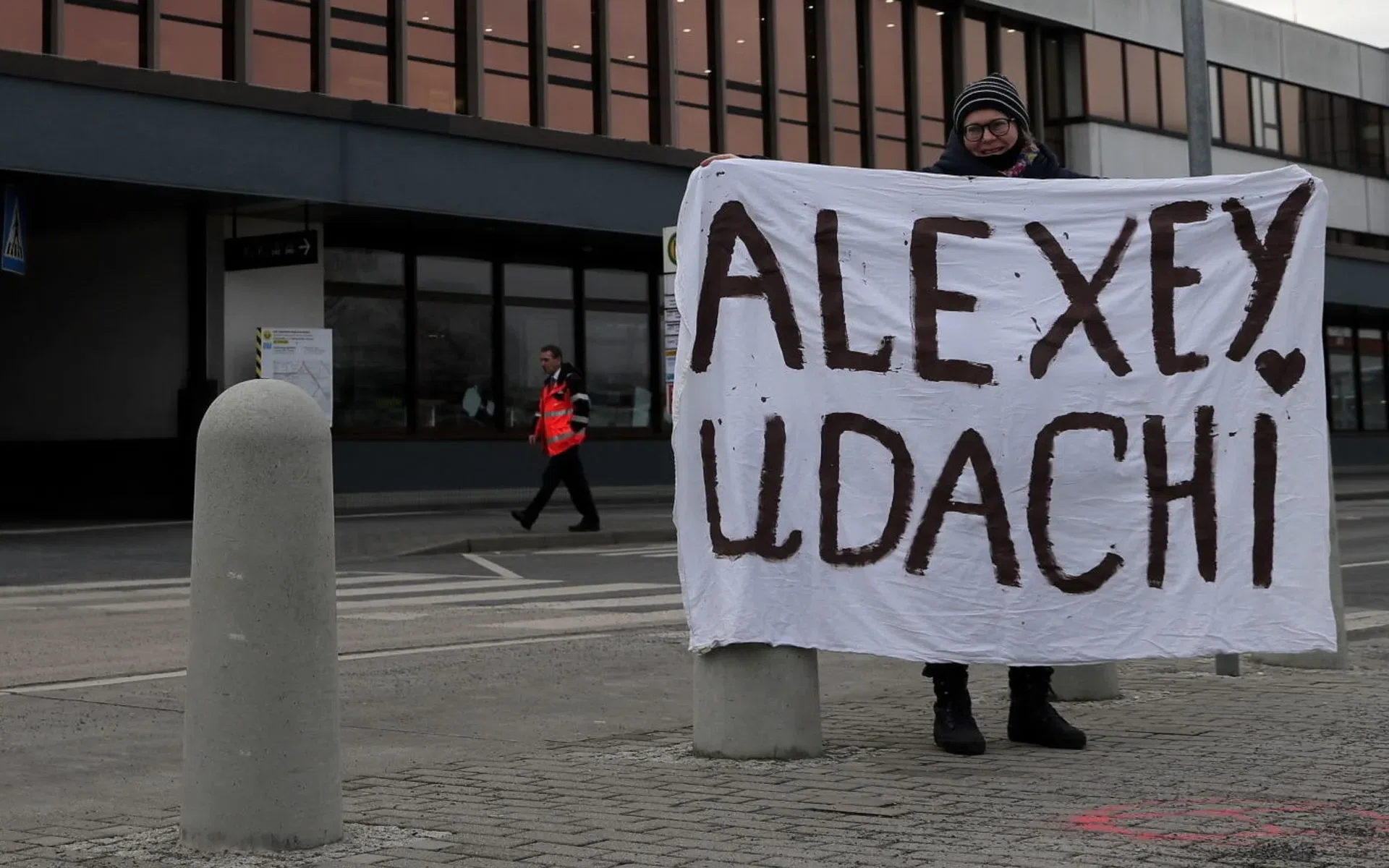
The European parliament in connection with the arrest in Moscow of Alexei Navalny demanded that the EU leadership strengthen sanctions against Russia, introduce them against individuals and legal entities involved not only in its poisoning, but also in its arrest. And to the organization of the entire paradoxical and chaotic performance related to the undesirable return to the opposition’s homeland.
In the resolution adopted on Thursday, the European Parliament called on the EU Council to impose sanctions not only against officials and security officials, but also against Russian oligarchs, people from Vladimir Putin’s closest encirclement, and propagandists of the pro -Kremlin media. As usual - to freeze their assets in the EU, to deprive of freedom of movement in the Union. And even extend these sanctions to their closest relatives.
“The EU should no longer be a hospitable place for Russian wealth of unclear origin,” says a line from the resolution.
And, of course, a multiple requirement to stop the Northern Stream -2 project. The European Parliament “calls on the EU and its member states to develop a new EU relations strategy with Russia, based on the support of civil society,” “critically reconsider cooperation with Russia.
There are also appeals to the Council of Europe and the OSCE on the adoption by these organizations, a member of which Russia is the corresponding measures to evaluate violations of obligations taken by our country. European deputies delicately called Russia's behavior "inappropriate for a member of the Council of Europe and the OSCE."
There are many calls to the Russian authorities and legislators in the resolution. Often completely useless, given the character of the addressee.
For example, to the "depolitization of the judicial system",
changes in election legislation,
cancellation of laws on "foreign agents".
Or to the transfer of the OPCHU, complete information about the program "Novice",
to the "conducting an investigation and holding guilty of a crime against Navalny.
The European Parliament is a place for discussions, no matter how wild it sounds for the Russian “elite”, accustomed to uniformity and unity. And also, no matter how much in Russia they ironically about its benefits and powers, it reflects the real section of European society. It presents all the political movements of 27 countries of the European Union.
The hall, where the discussion of the resolution "on Navalny" was held, was filled a third - the rest were present remotely. Despite the motley political composition of the assembly, out of 30 performances of the recorded speakers, an unambiguous picture developed: almost all condemned the actions of the Russian authorities, considering them unworthy of the European country, demanded to expand sanctions against involved individuals and legal entities.
Many called for the use of the EU new legislative framework adopted in December, which allows you to punish violators of human rights, wherever they are and wherever they committed their acts. Not states, but personally - individuals and companies. The process, perhaps, is not enough radical, but with its long flow, more and more representatives of the pro -government elite can be without European visas, villas and bank deposits, while other citizens will not affect these restrictions.
In his speech, the French socialist Rafael Gluxman reminded of the Council of Navalny to European parliamentarians during a very recent meeting here in Brussels:
“If you want to punish the regime, impose sanctions against the oligarchs who spend the money that we have for us.”
According to Gluxman, the EU must act and show that "it is impossible to violate human rights in Moscow and spend money in Curshel or on the Cote d'Azur."
The deputy called the “small telegraphists of the extreme right” in the hall of representatives of the alternative for Germany, the national association of France, the Italian League and five stars that are designed to protect the Russian power. “They pay them for this,” he said, hinting at the well -known scandals with the financial supplement of European populists from Moscow.
But in the discussion according to the resolution, the German "alternatives" were surprisingly silent, and the Italians, the recent heroes of the pro -Kremlin propaganda, unexpectedly condemned the actions of the Russian authorities in the case of Navalny.
The deputy chairman of the European Parliament Fabio Castaldo of five stars: “This is a political arrest. Democracy does not mean the permission of the majority to do whatever he wants. ”
Marco Dzanny from the League: “This is unacceptable, democracy should respect certain principles and rules. The EU and its members must condemn what happened. We cannot afford to have a neighbor with whom we would cooperate, have a dialogue and which would use the judicial system as a weapon and even murders to make a political opposition to shut up. Respect for civil rights, human rights are principles that should always be at the center of relations between EU members with third countries ”...
Have the Kremlin not finalized with the allies?
The liberal wing deputy, the former Belgian Prime Minister Guy Verkhofstadt called it a hypocrisy: “Dzanni, representing here ultra-right ideas, criticizes Navalny's arrest! But Putin pays his chief of Salvini how Putin pays Madame Le Pen ... and continues to intervene in the EU policy. ”
The German socialist Andreas Schider called on the EU "to make sure that Putin's constant payments to a certain part of European political circles are prohibited and impossible." He believes that Europeans should be on the side of the Russian opposition, creative intelligentsia, the media, the Russian population, and sanctions should be targeted, such as the Magnitsky List. And the Polish conservative from the ruling freedom and justice Vitold Vashchikovsky considers “less expensive” than sanctions, funds that may concern Russian sports and culture: “Part of Russian society, which supports Putin, should taste the price of imperial policy.”
Many consumptions, moderate EuroSceptics, condemning Russia in connection with the “Navalny affair”, are not not without reason to urge the EU to be consistent. Like
Putin sees perfectly that China is much more and rudely violating human rights, and Brussels has just signed a large investment agreement with Comrade SI.
They violate in Cuba, in Venezuela and many more where. And Turkey is not punished by sanctions.
The only one who consistently supported Putin in connection with the “Navalny affair” was Tierry Maryani from the Lepenovsky National Association. A regular in the assembly of European ultra -right, an unchanged self -proclaimed “observer from the European Parliament” in the Crimea, in the Donbass and in other places where it is necessary to say good words about the Kremlin’s policy on behalf of Europe. If the EU had something similar to the law on “foreign agents”, then Maryani would be among the first applicants for this status.
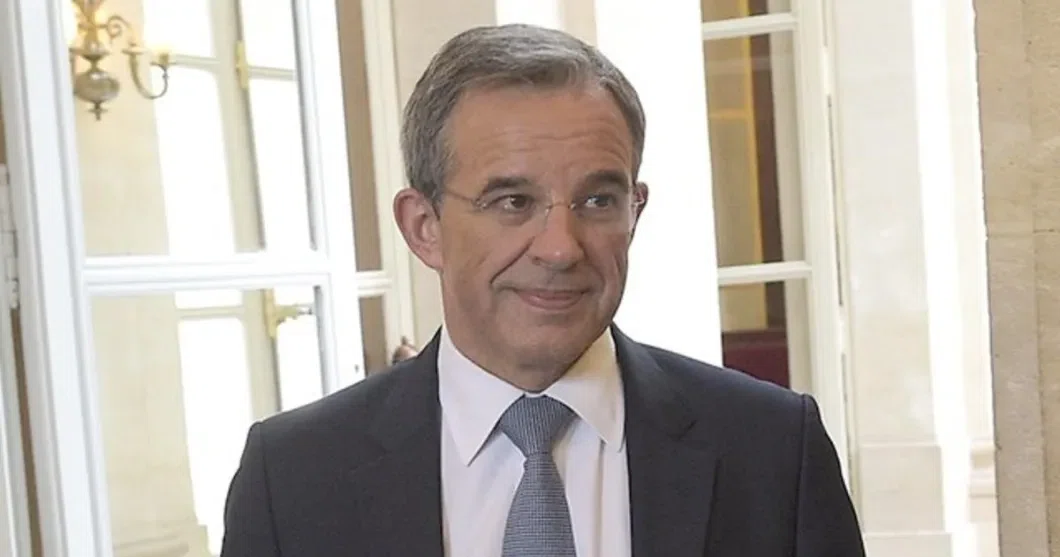
This time, having prepared, he attracted Alexander Solzhenitsyn to the allies with his Harvard speech in 1978, who then saw the “symptomatic warnings” of the history of the “threatening or perisive society” of the West.
“Europe did not listen to Solzhenitsyn,” said the Frenchman. “She regards the revival of Russia under the leadership of Vladimir Putin as a threat.”
And further:
Like, Navalny is not an important character in Russian politics. And his position is sometimes even opposite to the ideas that we protect here in the European Parliament. For example, he claims that Crimea will remain Russian for a long time.
Yes, poisoning deserves an international investigation. After assessing the quality of the Russian. But the EU was concerned about the support of any opposition to Putin contrary to the interests of European nations.
The European Parliament has an advisory role in the foreign policy of the EU. Discussions and resolutions do not have a direct impact on the foreign policy decisions of the Union and its countries. But unlike the leaders of states, ministers and European commissars, parliamentarians say they want. This is the average temperature in Europe, a sensitive seismograph of trends. Much that was once in the parliamentary debate became a current policy.
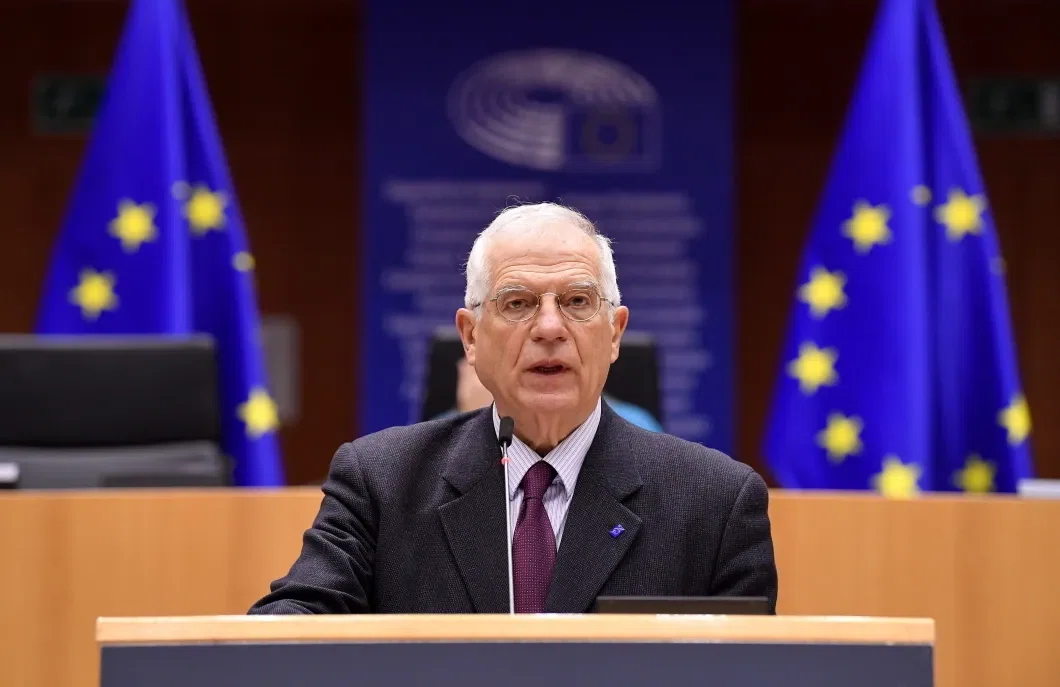
The head of the diplomacy of the European Union Josep Borrel, commenting on the results of the discussion, confirmed the solidarity of the EU with Navalny, but reminded of the separation of the functions: “This (expressed opinions) will undoubtedly be included on the agenda of the Council on Foreign Affairs January 25 ... Any decision on sanctions can only be made by the EU Council on the basis of the proposal of one of the EU states ... All relations between the EU ... And Russia cannot be reduced to the situation with Navalny. ”
The Veteran of the Boral has a feeling of possible within the framework of the law. The Nord Stream 2 does not correspond to the goals of the EU power diversification, and Brussels against it. But…
“It's about a private project, and we cannot prevent the enterprises from completing it if the German government gives its consent to it. But - he says, squinting cunningly, knowing that in Russia such a project is not private and commercial - if they finish, they will have to operate it in accordance with the EU legislation. ”
In support of the resolution, the 581 European deputy voted, 50 and 44 parliamentarians spoke out against.