
Translated material
The Central Bank announced a new form of telephone fraud - criminals steal these cards, introducing themselves as employees of the Ministry of Internal Affairs
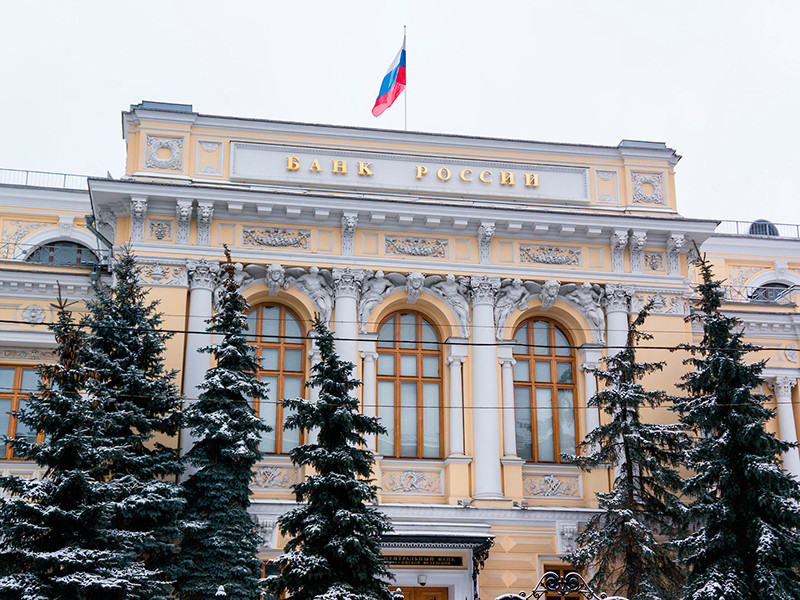
The Bank of Russia warns Russians about the new telephone scheme when attackers are represented by law enforcement officers. This was reported in a press release on the regulator website .
Representing employees of the Ministry of Internal Affairs or other law enforcement agencies, telephone scammers inform bank customers that a criminal case has been instituted against them at the request of the Bank of Russia. Thus, they are trying to receive personal data, payment cards data and information about transactions made on the card for theft of money from citizens' accounts.
The Central Bank is noteworthy that the regulator does not apply to law enforcement agencies regarding transactions without the consent of customers of credit organizations. "If during a telephone conversation a stranger refers to a criminal process initiated by the Bank of Russia is an attacker," the statement said. The regulator recommends that banks take this scenario in the work of the customer support service, as well as warn citizens about the risks of disclosing personal data and payment card data.
As the official representative of the Ministry of Internal Affairs of the Russian Federation, Irina Volk, told TASS, if a criminal case is brought to a person, he will receive an official agenda on the call to the investigator or interrogator, while the subpoena may come as part of a pre -investigation audit. “In the event of a call from a police Ministry of Internal Affairs, it recommends that you call the duty unit and clarify whether such an employee really exists. It should not be transferred to information about his accounts and cards,” she recalled.
According to the results of 2020, it became known that almost a quarter of all crimes committed in the country falls oncybercrimination , which in Russia recorded more than 461 thousand. Two years earlier, the share of such acts was three times less. At the same time, the Prosecutor General’s Office reported that the growth rate of the number of cybercriminals compared to the results of the first half of 2020 slowed down from 91.7% to 76.6%.
At the same time, more than 70% of all frauds are made using information and telecommunication technologies or in the field of computer information. In total, more than 215 thousand are recorded, which is 76.1% more than a year earlier. "When making 25.5 thousand fraud, electronic means of payment were used. A noticeable increase in [the number] of such acts was recorded in most regions," the Prosecutor General’s Office said.
In general, as before, acts against property, which accounts for more than half of all crimes revealed, affect the state of crime. Among them, the highest growth rate (by 30%) are observed in various kinds of fraud. As a result, their share in the structure of crime increased from 12.6% to 16.2%. The most common fraud in the Murmansk region, Komi and Moscow, the least in Chechnya, Dagestan and Ingushetia.