
Translated material
The head of the European Council raised the question of Navalny in a telephone conversation with Vladimir Putin
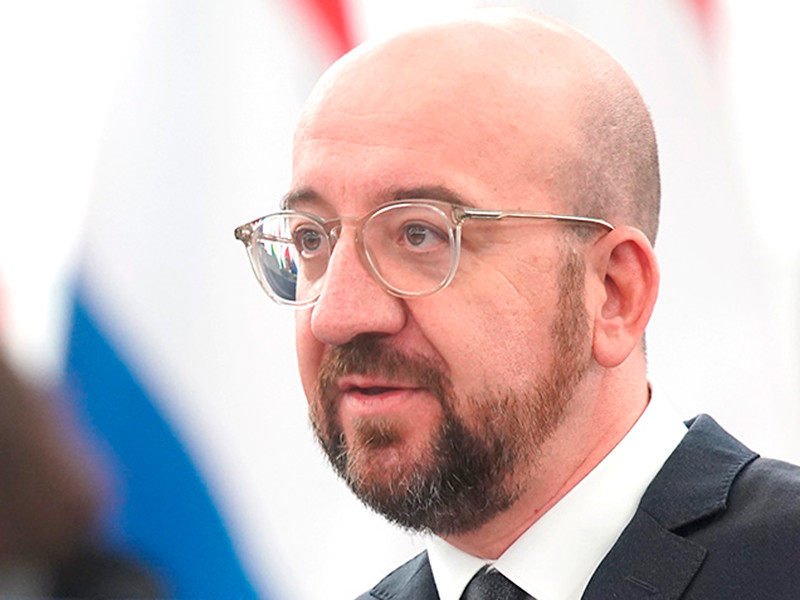
The chairman of the European Council Charles Michelle in a telephone conversation with the head of the Russian state raised the question of the detention of opposition Alexei Navalny. As follows from the commander, which is quoted by Interfax , Michelle informed President Putin about the serious concern of the EU and his member states with the latest events and called for the rights of Alexei Navalny completely and unconditionally.
Michelle said that the EU "one in his call to Russia" immediately release Navalny and continue the investigation of the attempt on it in conditions of complete transparency and without delay. He also announced his intention to conduct strategic debate in March in March in the European Council on relations between the EU and Russia.
The telephone conversation also concerned the Covid-19 pandemic and the importance of global solidarity and international cooperation in the fight against it. Michelle and Putin discussed the need to strengthen the global world and security and the desire to reduce conflicts.
On the eve of the European Parliament adopted a resolution on the persecution of Russian opposition Alexei Navalny. 581 deputy - representatives of the largest factions of the European Parliament, against the document, against only 50. In particular, the resolution requires the EU leadership to stop the construction of the Northern Stream -2 gas pipeline and impose sanctions on individuals and legal entities involved in the decision to detain and arrest Alexei Navalny.
It also contains a proposal to impose sanctions against the "oligarchs associated with the regime, and members of the close circle of Vladimir Putin", as well as "propagandists from the media", as well as members of their families. Sanctions may include freezing their assets that are in the EU and the ban on entry.
It is also mentioned in the document about the responsibility of the Russian authorities for Navalny's poisoning and solidarity with "democratic forces" in Russia is expressed. Navalny himself is called "hope for those in Russia who believe in the possibility of democracy, political pluralism and responsibility of the authorities in this country." It also calls for free and fair elections to the State Duma.
Resolutions of the European Parliament are advisory in nature and are optional for execution, but are a political guideline for the states included in the European Union. Sanctions in the EU are introduced with the consent of all 27 countries included in it. On January 25, Navalny’s arrest will be discussed at a meeting of the EU Council for Foreign Affairs. There may also be considered proposals to strengthen sanctions if they come from the EU member states.
Earlier, the European Parliament has already adopted a resolution in connection with the poisoning of Navalny. The EU imposed sanctions against 6 officials and representatives of Russian law enforcement agencies, but not against large businessmen or senior heads of the state.
After the arrest of Alexei Navalny, his ally Vladimir Ashurkov published a list of people against whom, according to the opposition policy, Western countries should impose sanctions . The list has eight people, including businessmen, Roman Abramovich and Alisher Usmanov, the head of VTB Andrei Kostin; The top manager of the bank, the son of the head of the FSB Alexander Bortnikov Denis Bortnikov; VEB head Igor Shuvalov, TV presenter Vladimir Solovyov.