
Translated material
Defender removal
The security forces are trying to intimidate lawyers so that they can no longer help the detainees in the police department
The lawyer of the administrative case is already absurd. The texture, unlike the criminal, in such a case cannot be very difficult, and from the point of view of the law, two lawyers (and at least twenty) will speak, in fact, the same thing.
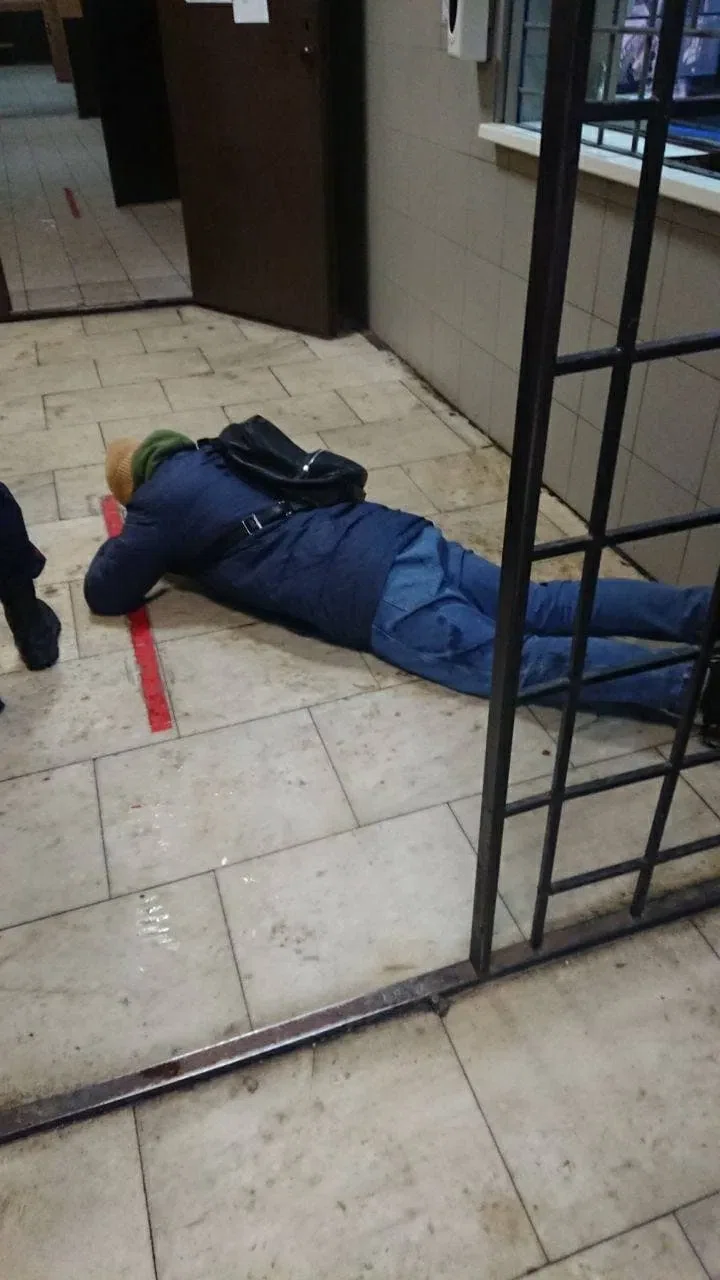
Lawyer Mansur Gilmanov, who was accused under Art. 19.3 Administrative Code of the Russian Federation in “Non -fulfillment of the legal order of a police officer”, two lawyers defended in the Simonovsky court of Moscow. This did not protect him from five days of arrest (although there are up to 15), but the next day, under the letter, more than 200 lawyers have already signed up in his defense (at the time of delivery), and many of them will express a desire to represent a colleague in higher authorities. But all the same, it will be only part of the advocacy, not the most significant - mainly those who are ready to work with other detainees at mass events without fees, for the idea.
The “idea” of the security forces is to make such defenders even less. The fact that no one is listening to them in court is not news. And the task is to make them either in the courts or in the police department at all. Remove them as witnesses. Then there will be no one to talk about the legality of detentions with facts in their hands: someone will be scared, but someone will not be able to do such trials. The trial of Gilmanov on January 22 became indicative, and the lawyers themselves, raising the noise, notified their more cautious colleagues.
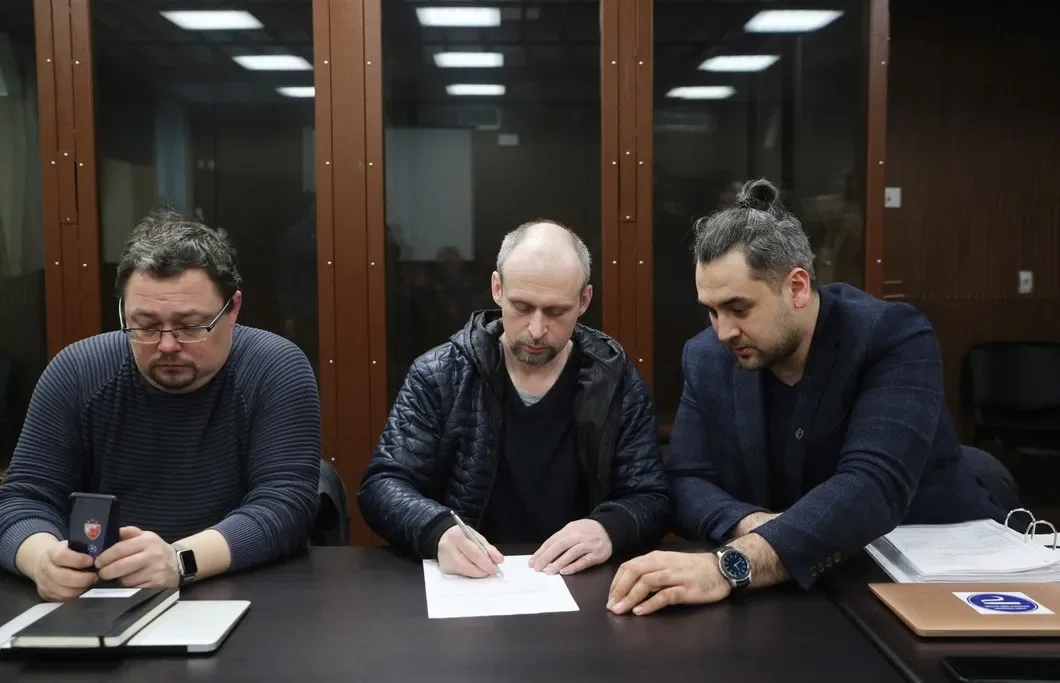
One of Gilmanov’s lawyers - Fedor Sirosh, referring to the explanations of the client and the police video, describes the actual side of the Danilovsky AFD on January 23 as a misunderstanding - it looks like this. Gilmanov came to the detainee with all the necessary documents, called the checkpoint in the duty unit, where he was allegedly told to go to the building. In the video, the lawyer calmly walks around the yard, a policeman runs behind the checkpoint and screams something-he allegedly ordered Gilmanov to stop, but he did not fulfill the team.
Even if so.
Only guilty actions are found by an administrative misconduct, and the guilmanov could not understand or not hear the teams. Why send him under arrest?
And how legitimate this order was - after all, Gilmanov tried to simply fulfill the law and his work. No harmful consequences for the police occurred at all, and if they arose, then only for the principal of a lawyer. Why five days? There is nothing for, but why - in order to leave in advance not only the principal Gilmanov Vladlen Losy (who should be torn from Russia from Russia tomorrow contrary to his desire), but also of other activists and simply accidentally detained on mass shares of people.
Gilmanov’s case is not unprecedented: in 2019, against his colleague from Krasnodar, Mikhail Benyash ( arrested for five days during the protest campaign on January 23), they opened a non -administrative, but the criminal case “for beating the police”. The creation of obstacles to lawyers for legal meetings with clients and principals on such cases is already a routine. It is worth looking at the experience of Belarusian colleagues - there are even stole uncomfortable lawyers (about this in the text on the News website for November 16, 2020).
Such actions fit into the “hybrid” logic of “them-it-no”. The violations are not recorded, which means that they were not - but you will prove! For the same purpose, the prosecutor’s office, the police, the Russian Guard and the IC are intimidated and cut off from the events and honestly doing their work by journalists and human rights activists, but lawyers are on the front line - this is the retribution for the formal rights and guarantees that the law provides them.
What is such a law? Substit your law! And you prove! ..
So the disabilities of lawyers is the evidence of arbitrariness and lawlessness in itself. In criminal and administrative law there is the concept of “formal composition” (crimes or misconduct). The same “disobedience” is considered complete regardless of the consequences. This is just pretty controversial, and the lack of enforcement of lawyers, supplemented by the persecution of journalists and human rights activists, accurately forms a complete picture of lawlessness.