
Translated material
Social elevators
How Tiktok frightened the Russian authorities
After shares in support of Alexei Navalny, who passed throughout the country on January 23, 23 criminal cases of violence against security forces, hooliganism, calls for mass riots and damage to property have already been instituted.
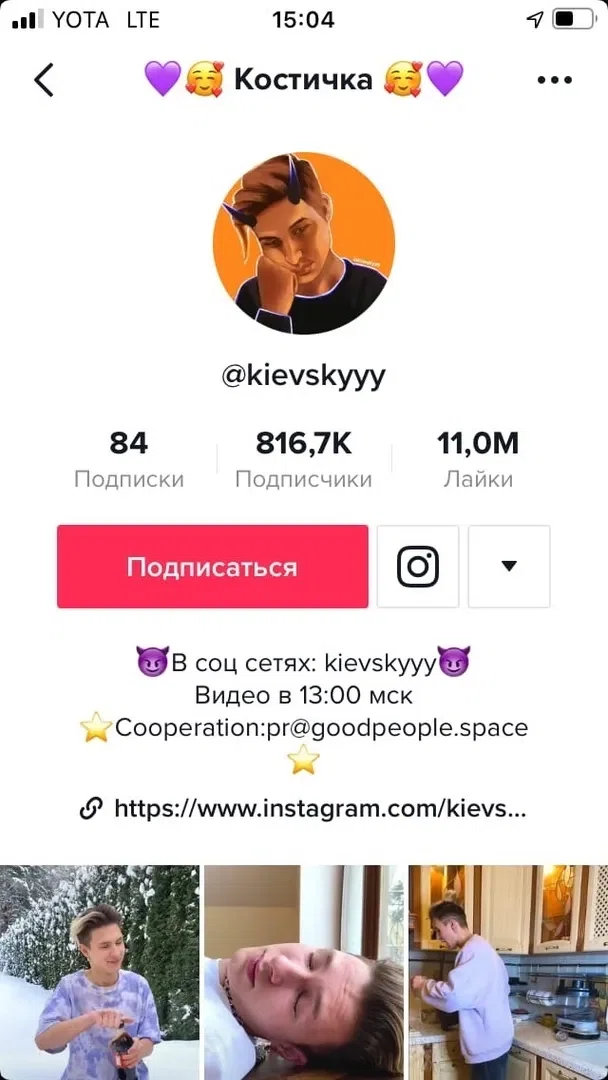
On January 28, the Presnensky Court of Moscow arrested the 18-year-old Tiktok blogger Konstantin Lakeev (shooting a video under the nickname Kievsky, 816 thousand subscribers in Tiktok) in the case of damage to the FSB on Tsvetnoy Boulevard. The protesters threw the car with snowballs, and then began to beat it with their feet - Lakeev, among others, also hit the car on the headlight twice. Video with an apology of Lakeev, shot by operatives in the style of the Grozny channel of the CHGTRK, has already published the Investigative Committee on his YouTube channel. But no one is going to forgive the blogger. According to the human rights activist, a member of the PMC Marina Litvinovich, when detained to Lakeev, they used physical strength, then two nights were “almost continuously interrogated”, they did not feed “almost two days”, but the guy had to sleep on a chair. Now he is arrested for two months, he is accused of hooliganism (part 2 of article 213 of the Criminal Code) and intentional damage to someone else's property (part 2 of article 167 of the Criminal Code). The blogger threatens up to seven years in prison.
Perhaps this attitude to Lakeev is due to the fact that
He now personifies the terrible and incomprehensible Tiktok for security forces.
Who else will answer for the fact that the tiktoki with the hashtags #freedom and #23, have already gained a total of more than a billion (!) Views, and the video with tags about the rally on January 31 approaches 15 million - and this despite the fact that Tiktok, at the request of Roskomnadzor, deleys the videos “involving minors in illegal actions”.
The correspondent of Novaya and the Novye Correspondent of how the Chinese application became the main Russian protest social network, which can lead to the politician politicians and who they are at all.
In Russia, almost 23 million people actively use Tiktok. Contrary to the common opinion that there are only children there, there are only 25%children there. The main part of Russian users of the application is 75%-over 18 years old, and 12.5%-over 55. Tiktok is a truly folk application in which children, adults, grandparents with grandfathers sit.
“And what are they doing everything there?” Write the videos in support of Navalny?
- **** Not really, Comrade Major. Many people don’t write anything at all, they simply stick in the tape: they watch a video for a video in which a welder dancing under some popular song is a welder from the Altai village replaces a girl from Novosibirsk, telling about which budget camera it is better to choose, or Maxim Galkin, playing with their children (many stars also broke into Tiktok and have already gained hundreds of thousands of subscribers there). Most Tiktok videos are very short (15-17 seconds), so you can easily watch dozens of such videos at a time. In the application, it is not even necessary to subscribe to someone specific. The main screen of the application is a tape with recommended videos that Tiktok himself selects for each user, depending on how he reacts to the proposed content. You like and inspect Buzova - Buzova will pop up, you wrap it - it will not.
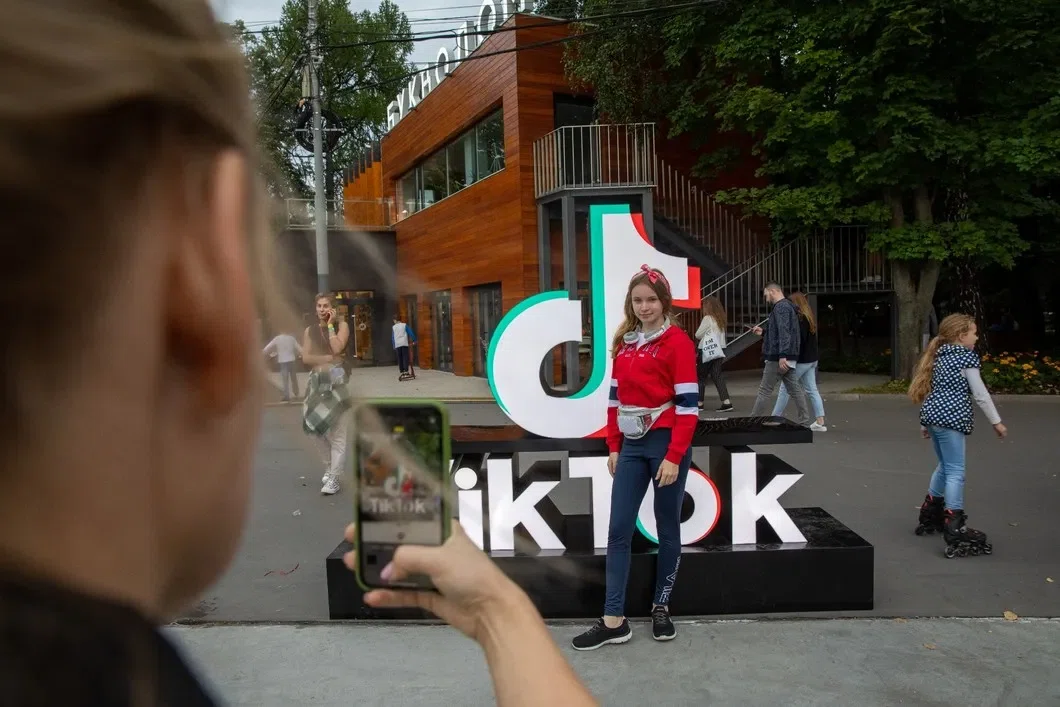
But those who just watch the video are not tickcers. Tiktlo are those who create these videos. There are superstars among them, like 21-year-old Dina Saeva with nineteen million subscribers, or 18-year-old Vali Carnival with twelve million. For them, Tiktok is a job, and highly paid (in October 2020, Forbes, for example, wrote that Saeva earns 800 thousand rubles a month on advertising). They release a video almost daily, the creation of which often works as a whole team, come up with Chellengi (they call a kind of call videos, in which Tiktotxier, for example, demonstrates movements for a certain track, and now thousands of people in the application also dance humorous sketches and advertise world brands, such as Coca-cola. Some tickcles, becoming famous, go beyond the applications and become popular musicians. For example, 22-year-old Tiktoker Rakhim Abramov last year released the Fendi track, which scored only at the Spotify Streaming Service 18 million auditions. At the same time, the majority of Tiktok superstars are very simple guys; Saeva, for example, as Forbes wrote, from a “poor religious family from Dushanbe”, and Valya Carnival Rostov “Odnoklassniki poisoned for poverty”.
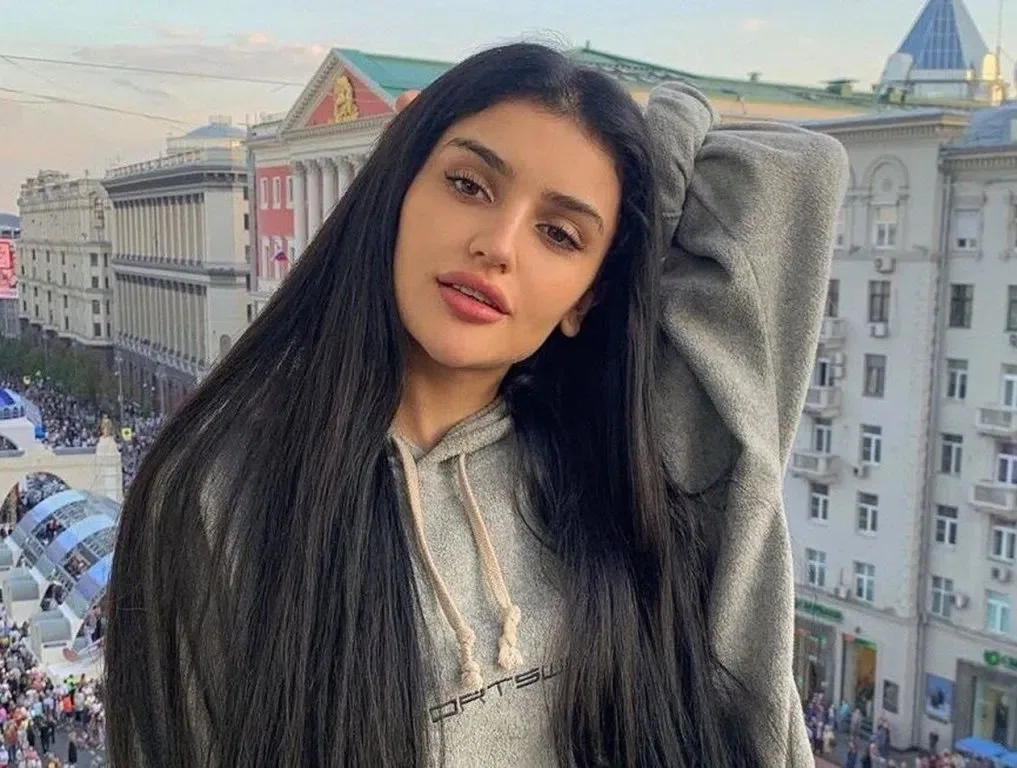
People look at them and want the same.
Tiktok today, one might say, has become a Russian dream and almost the only social elevator.
Young musicians are trying to make tracks through the application - if the challenge with your song will blown up Tiktok, then you are practically reckless youth. Due to the fact that the application algorithms show a video of users of a wide audience, even a teenager from the hinterland with an inexpensive smartphone can gain hundreds of thousands of subscribers in a few months and start selling advertising. Even cooler-to get into the Tiktok House: this is the name of the houses in which the thicotera live together and take off the content together. Investors are invested in such projects, they rent a house, carry out several popular tiktockers from all over the country, hire a team of scriptwriters, operators and sales managers and earn on advertising, selling merchants or tracks of ticklers. By the way, the costume of Lakeev was detained in the Tiktok House of Good People-along with eleven other bloggers, which, however, were released after the interrogation.
How did it happen that the security forces came for ticklers? **** Until recently, the Russian Tiktok was, in fact, outside the politics-most users went there to relax, distract from the darkness outside the window, maybe record the video to some popular challenge. Bloggers shot polls on the street from the "Continue Song" series, the children looked at their toy cars and cats, the artists taught to draw, the clerks took off the jokes at lunchtime. After amendments to the Constitution of political content in the application, it became noticeably larger - thousands of video on the hashtag #amendment constitution at the moment scored a total of 10 million views. While Stas Mikhailov and other celebrities advertised amendments in their instagrams, the Russians shot tiktoki about how the stump voting in their cities, adolescents were harshly joked about how the 2030th will look like in Russia (such as a scene: a conversation between two concrete. “Surprisingly hit a man who raped me, although I was not in open clothes”). And one girl shot the video, turning into the flag of the LGBT community, under the line from the song of Vera Brezhneva “Real Life” about love, which “lives under different flags”-the video ended with screenshots from the media that the authors of the amendments proposed to consolidate the marriage as a union of a man and a woman. During the protests in Khabarovsk, there were even more political content - the video on the hashtags #Furgal and #Yamifurgal scored more than a billion views in Tiktok. The videos in support of the van were mainly recorded by adults - it turned out less creatively, but in the forehead. In these videos, people called the Furgal “the first official who stood up for the people” and even the “future president” said that they would not forgive, if “something happened to the prison” with Furgal, they made a trim from the Khabarovsk protests and public performances of Furgal.
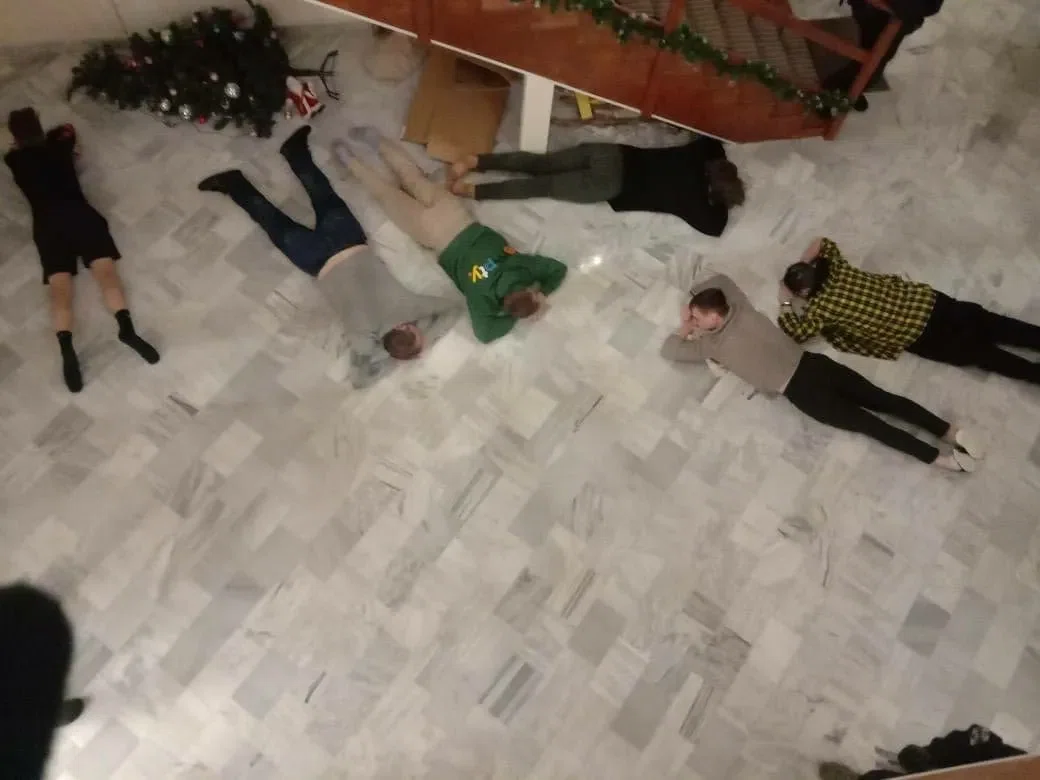
As Lakmus Tiktok reacted to what was happening with Navalny. From the moment he prononized his return to Russia, the number of videos in support of the opposition grew in Tiktok. People joked that the opposition decided to return “a day before the invention of fear” - they say, he would have waited for a day with the announcement, and I couldn’t, was frightened, a video from an “Victory” aircraft, on which Julia Navalny, sitting next to Alexei, quotes the heroine of the film “Brother 2”: “Boy, we bring us, we fly home.” Well, after the release of the film “Palace for Putin” and the announcement of rallies on January 23, Tiktok was generally enraged. Someone joked that he came up with a name for his room-“Warehouse of Dirt”, someone offered to arrange a gut in the palace-they say, since they threw themselves into the palace with the whole country, then now everyone could hang out there. Combus content was interspersed with serious - the authors of the videos talked about beggarly pensions, about the fact that people do not live in the “richest country in the world, but survive” - videos in support of Navalny were slowly crowded out about how terrible power in Russia.
Due to the fact that millions of Russians actively watched such a “revolutionary” content, the application algorithms were increasingly offering these millions about the watercrmon and rally on January 23. Even the users who were very far from politics began to shoot videos about the fact that “the revolution is coming”-they used the fact that such videos easily fall into recommendations and gain hundreds of thousands of views due to the popularity of the topic among users of the application. I also checked the Tiktok algorithms and posted on January 23 a cut from a rally with a bunch of popular hashtags - #freedom - and this video gained 8 thousand views, despite my almost zero account.
On the wake of this protest trend, a trend against rallies also arose - millions of views began to type not only protest videos, but also a video with hashtags #Plans and #disgusting. As the media reported, many of these videos were flooded from fake accounts created specifically to intimidate those who want to go to the rally (fakes, for example, actively distributed some kind of stuffing from the fact that the State Duma of the Russian Federation in an accelerated regime adopted a law that allows the security forces to open fire to defeat). But there were videos from real people-one of them picked up a fake about shooting at the protesters, someone talked about Putin who raised the country, and Navalny, who sold it (to whom? For how much?), And someone stated that it would be “on the side of the government”, even if their friends were among the protesters.
Some of these tiktoks were recorded by bloggers for money. Tiktokoresh Lada Tutova, for example, told the “new” that on January 23, a newsletter received from a certain “public organization for youth affairs”, in which an “urgent order for advertising” was placed. The girl was offered to write down the video that everyone was “very tired of this noise with Navalny”, or to another similar topic from the terms of reference, which went along with the order. Other bloggers also told about such orders: tickers who have from 10 to 50 thousand subscribers offered to record a video for a thousand rubles, two thousand were offered to those who have more than 50 thousand subscribers.
But the videos “against Navalny” were noticeably smaller (video with the hashtag #disgusting was watched 114 million times), therefore, whenever I entered Tiktok, I felt some kind of inspiration and unity. It seemed that this endless lump of thousands of videos, likes and comments would roll out on January 23 to the streets of Moscow.
This virtual unity, apparently, was frightened by the Russian authorities. And, realizing that they could not control Tiktok, they decided to resort to the traditional method of combating dissent - intimidation. Roskomnadzor demanded from Tiktok to remove videos with calls for protests, and then fined 4 million rubles - under Art. 13.41 Administrative Code for "Violation of the procedure for restricting access to prohibited information." In Balashikha, the security officer interrogated a ninth grader for several hours-at school, without parents-due to the fact that he hung a portrait of Navalny in the class. Officials accused the puppeteers of the politicization of youth. Olga Yaroslavskaya, Commissioner for Children's Rights in Moscow, for example, stated that manipulators are sitting in Tiktok, which are pressed on "emotional points", "so that [children] would like to destroy and deny everything."
Real manipulators, as it turned out, are sitting on the TV - and they are manipulated not by children, but by their parents. On January 22, Channel One in one day showed two news stories about the impending protest promotions at once.
The main message of these plots on the air of the Time program was expressed by the Governor of the Moscow Region Andrei Vorobyov: "Please conduct a conversation and convince your children to refuse to participate in this action."
Teachers responded immediately to the calls of officials to “protect children” in their manner. The class teachers sent horror stories to the parental chats that at the rally “a militarized detention with the use of weapons can occur” (as it was at Izhevsk school No. 32), threatened the failure of the certificates (as it was in one of the Tulun schools), appointed control and sports events on January 23 and even made Saturday a school day in those schools where they did not study on Saturday. In universities, for participation in a rally in the old fashioned, they threatened the expulsion. Even the Ministry of Education spoke in its official community in VKontakte, recalling that “the hands of unscrupulous adults” could “draw a child into illegal actions,” and suggesting instead of “walks” to arrange a home theater beloved by Russian families.
The General Director of the Russian representative office of Tiktok, Sergei Sokolov, was invited for a conversation to the State Duma. The company's representative office has already expressed its readiness to quickly answer all questions, but this, apparently, will not be limited to cooperation - the chairman of the Commission for Combating Foreign Interference in Russia Vasily Piskarev said that the parties are coordinating the format of further interaction. Apparently, with such a picture of the world, where in the revolutionary moods of youth the internal enemy and the enemy of the external, it is easier to live.
The trend with Navalny in Tiktok comes to naught - this is how it happens to any trend over time. But if the Tiktok revolution has occurred once, it can easily happen a second time: a thirst for change and aversion to lies will not go anywhere in the young. And this is not important whether the teachers will manage to cancel something for the second time by appointing control.