
Translated material
Delay the arrest, avoid torture
Judges do not use their right not to send people to crowded specialists
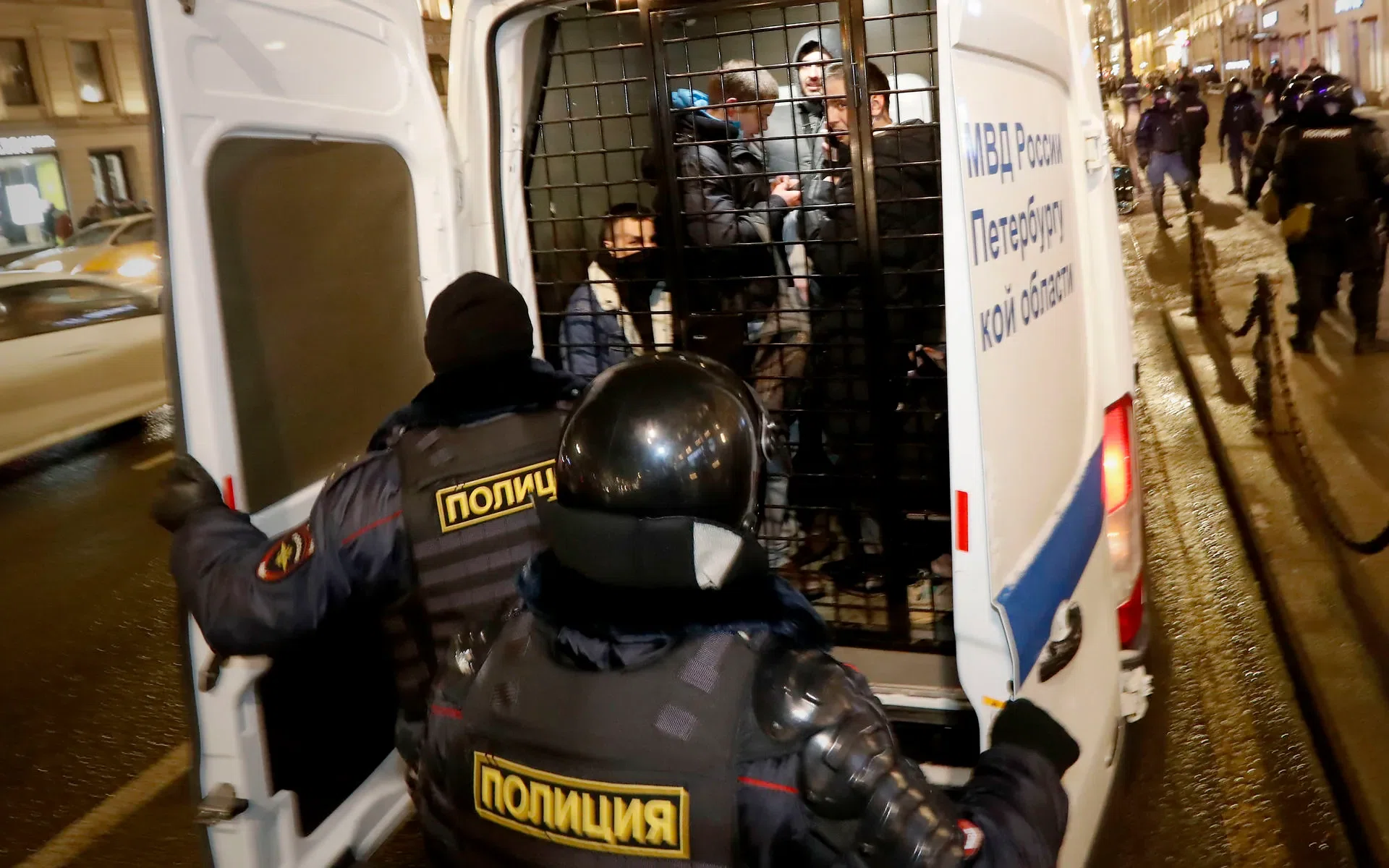
Dozens of people in St. Petersburg (the same, as far as we know, is happening in Moscow), who received administrative arrest in court for participation in the latest protests, are not placed in places intended for serving this punishment.
A special receiver on 6 Zakharyevskaya Street, where they are taken by administratively arrested, is full.
The arrested, who were kept in the police for days before the court (and there are examples when people spent the night right in the car carrier), not placed on Zakharyevskaya, partially disposed of in the district administration of the internal affairs and placed in the IVS - temporary detentional insulators that were not adapted for serving administrative arrest.
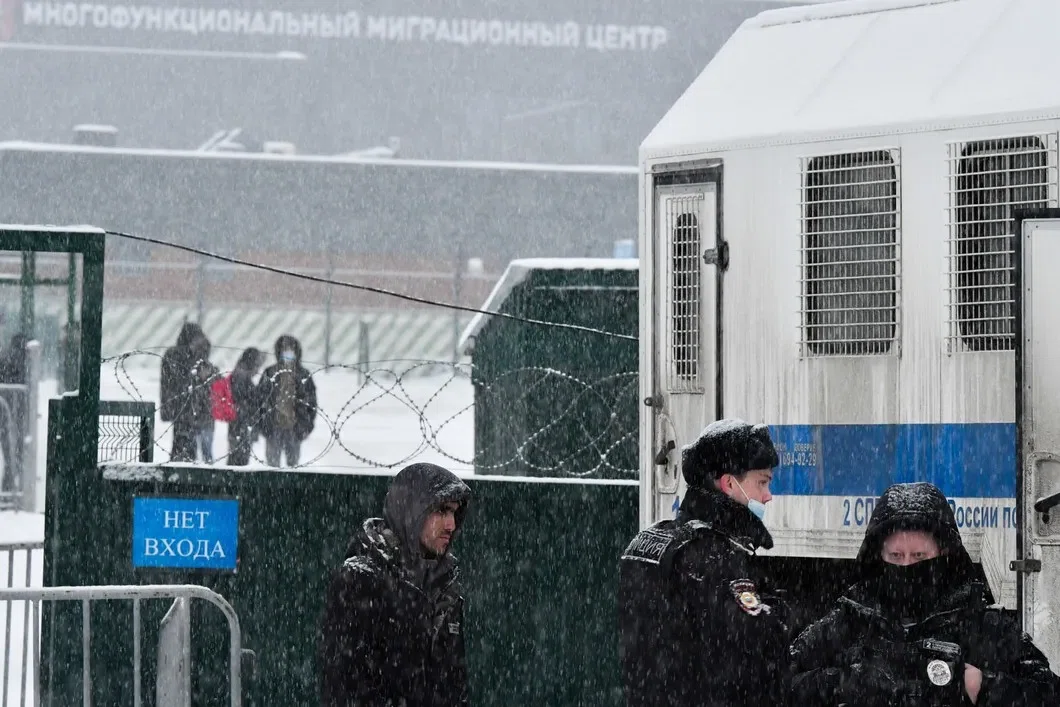
And the part was generally sent to the Leningrad region: first in a relatively close Gatchina, and then - in the distant Volosovo (100 km) and a meadow (160 km). On snowy tracks. A few hours one way.
Formally, the law allows this to do this: the city and the region have one main management of the Ministry of Internal Affairs. But this is exactly the case when the mockery is essentially before us. The arrested for two days almost did not sleep, many complain about the cold and the lack of food and water.
Somewhere they were not even released to the toilet, they were taken away mobile phones, they were not allowed to give them food and clothes.
What is happening, like a cartridge in a clip, fits that the UN Convention against torture and other cruel, inhuman or humiliating the dignity of circulation and punishment directly prohibits. Moreover, they do not treat criminal criminals, but with those who just went out peacefully to protest on the street.
Of course, there should not be any arrests for this at all.
But now there is an absolutely legal opportunity not to subject people to such an appeal. To do this, use paragraph 1 of Article 31.5 of the Administrative Code of the Russian Federation - “Defense and installment plan for the execution of the decision on the imposition of an administrative punishment”. It allows you to postpone the execution of administrative punishment for a period of up to a month, if it is impossible for objective reasons.
The situation is precisely this: the special receivers are crowded, and all other ways of maintaining the arrested at least semi -wagon, if not directly illegal. &
So, for those who have no places in the city specialist, it is necessary to postpone the execution of administrative punishment. Nothing prevents these “days” later - when there will be legal and normal conditions for this. No disaster will happen.
With such a proposal - to immediately apply the provisions of Article 31.5 of the Code of Administrative Offenses to those who have already been arrested, - a large group of public figures and human rights activists acted: film director and member of the President of the Russian Federation, Alexander Sokurov, a member of the HRC and responsible secretary of the human rights Council of St. Petersburg Natalia Evdokimova, former Commissioner for the Rights of the Child in St. Petersburg Svetlana Agapitova, Human rights activist and clergyman Grigory Mikhnov-Vitenko, writer Nina Katerli, chief editors of Novaya Gazeta in St. Petersburg Diana Kachalova and “Echo of Moscow” in St. Petersburg Valery Nechey, translator and observer of Rosbalt Tamara Ivanova-Isaeva and the author of these lines.
Alexander Shishlov, the Commissioner for Human Rights in St. Petersburg, also sent a similar appeal that “the execution of decisions made in such a large number of administrative arrests cannot be physically ensured by the Main Directorate of the Ministry of Internal Affairs without violating the rights of the arrested rights,” and proposed to apply the deferment of the execution of the sentence.
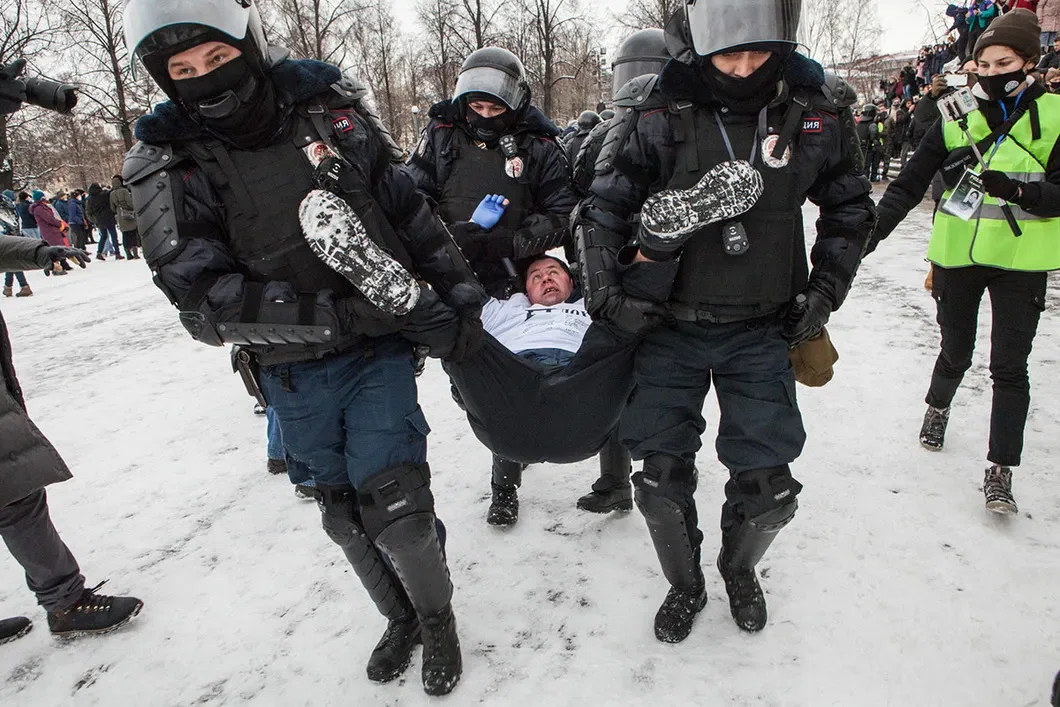
Two days have passed - and no reaction. The courts did not make a single decision to postpone the punishment. But they carried out the night and high -speed “reprisalism” - when the detainees were taken to the courts instead of letting go home, obliging the turnout (speaking in Zaks at the meeting on February 3, I said that there was no reasonable explanation for this, but, apparently, they would soon judge directly in the gamber, organizing the “judicial compartment”). And the arrested continue to be placed in conditions that do not comply with either the law or humanity.
Why? Only one answer begs: the honor of the uniform is observed.
The system has no rear gear. Any legitimate philanthropy will be regarded by the higher authorities as an unacceptable weakness in conditions when there are enemies around. And in general, the arrested, as Dmitry Peskov explains, they themselves are to blame: there was nothing to participate in illegal actions.
Actually, this is called a police state.
From the editorial office
In Moscow, those arrested after rallies are taken to the notorious temporary content center in Sakharovo, where there are no longer enough places for everyone. People in half a day are in regular buses in the "queue" in specialists, without water and food. Moscow judges also had the opportunity not to torture people, but they did not use it.