
Translated material
About the prospects of the "third path"
Does Russia have a future between radical isolationism and Navalny?
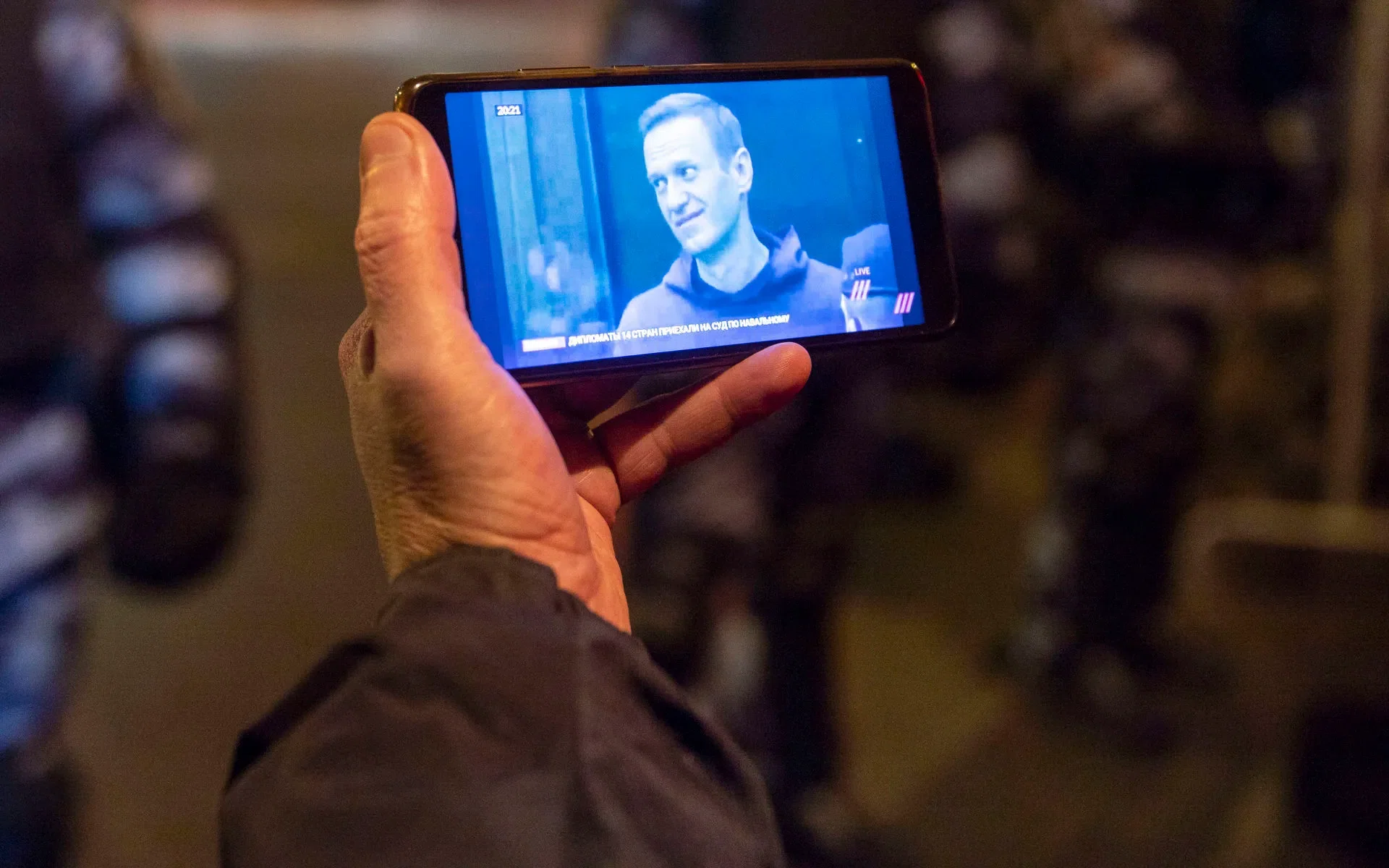
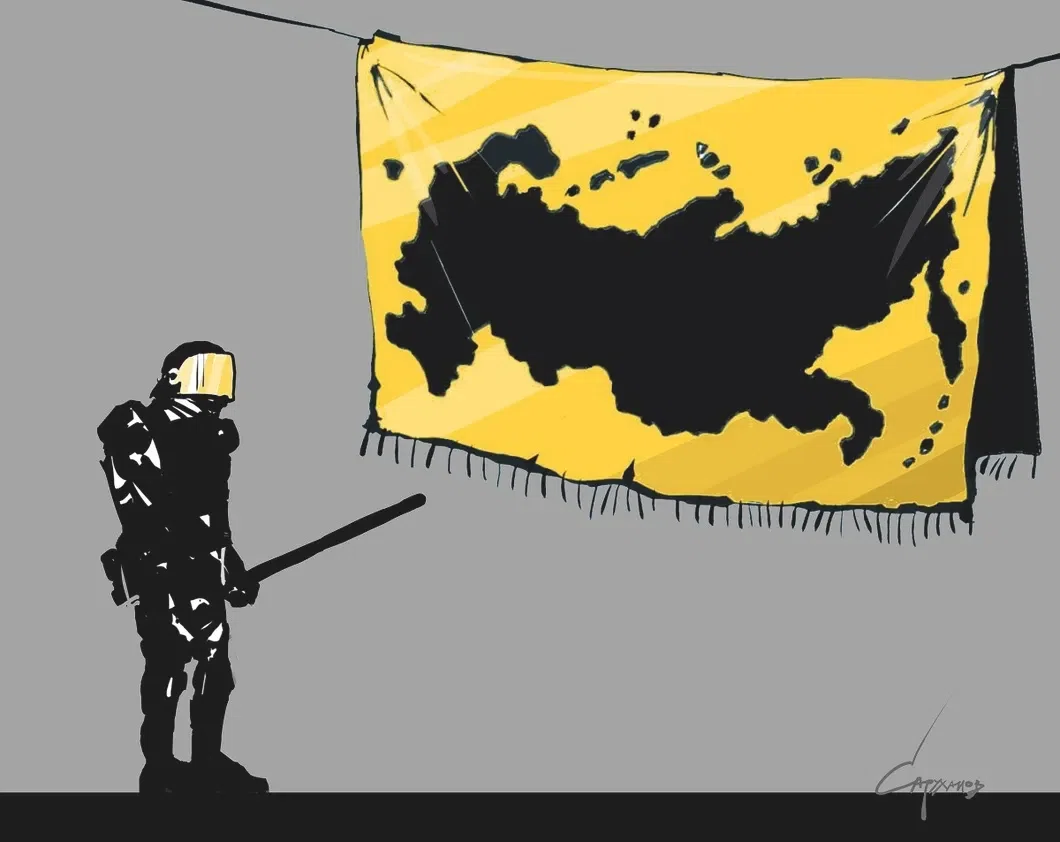
The political situation, which has developed in Russia after the January rallies and the receipt of a real prison term, looks very tense. Putin and Navalny, who are now (judging, at least according to the number of requests on the Internet) are the most famous politicians in the country, intend to fight to the end: the first builds repressions against all who seems to be disloyal; The latter parted with freedom for the sake of an illusory future victory. The “general battle”, which no one was waiting for three weeks ago, seriously changed the political landscape, causing a huge damage to the prestige of power and destroying any non -playing, but not a “naval” opposition.
The choice eventually looks much more understandable than before, but to make it now, it seems to me, has become much more difficult.
The Russian Society of the beginning of 2021 is ruled by two main feelings.
The first of them is a rupture. Twenty Putin years have formed a strong request for changes; Corruption, favoritism and localism irritate people. At the same time, it becomes clear that the change of power, if it takes place, can only happen through the Maidan and violence. Russians are unlikely to consider the current authorities to be subordinated even by the very composed laws, but revolutionary changes are also afraid of them. Stability as a slogan has long been discredited, but stability as the stability of everyday life has not lost value. Therefore, the main part of society ranges, while radicals on both flanks raise a degree of rhetoric in the hope of conquering the public.
The most likely outcome will be the alienation of people from both rival camps and even more than more apathy, caused by a sense of complete lack of representation. When voting for power is ashamed, and for a radical opposition is scary, society feels deceived and abandoned.
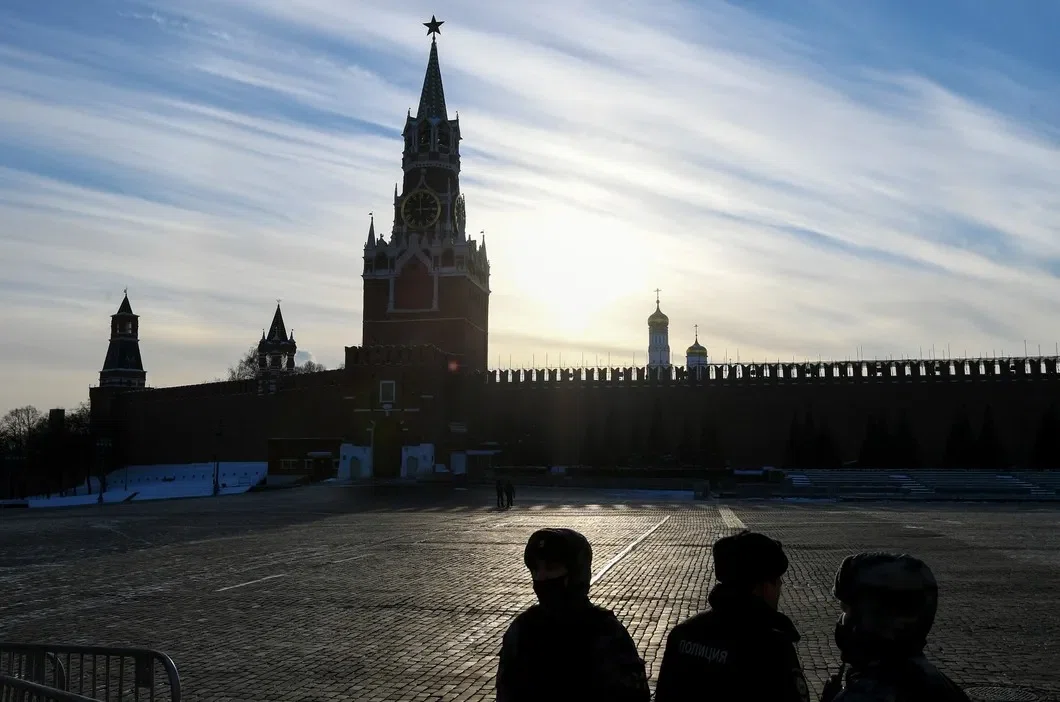
There is another strong sensation - disappointment. For the past twenty years, it has been equally divided by confident growth, increasing the standard of living, increasing personal and informational openness and for the period of stagnation, falling income, propaganda lawlessness and contrasting the country to the rest of the world. This new trend is already seen almost unchanged, which convinces: the authorities deceive, promising growth and development. At the same time, stagnation is aggravated by the constant growth of pressure from the authorities - tax, legal, information. The appetites of the state are increasing, the number of prohibitions and restrictions increases, the ideologems proposed “for wide consumption” become more primitive. The preservation of previous consumption standards and previous patterns of behavior requires all more effort, but they do not always guarantee success.
The Russian system has lost fundamental attractiveness in the eyes of a significant share of the population, and hopes for its restoration are melting. In favor of preserving the status quo, only the “friendly club” of the riot police and the distrust of those who “shake the boat” remain in favor of preserving the status. It is hardly worth hoping that they are enough for a long time.
If the system does not want to undergo transcendental overloads, she should admit that its current course has long deviated from the “center” towards guardian extremism, and think about the formation/assumption of new forces to the political arena. As Marx and Engels said at one time, it sometimes happens that the next historical act of the class struggle ends with the mutual death of struggling classes - and in our case this option does not look worst. He fully admits the president of Putin as a legitimate leader of the country - especially since the new constitution allows him to rule almost endlessly, but at the same time requires an immediate refusal to contrasting one part of the society of another dull propaganda and confrontation foreign policy, which today lead to a dead end.
It is not worth considering that the situation of power is unshakable: from a historical point of view, recent events are similar to the Kronstadt rebellion exactly a hundred years ago against the backdrop of the complete defeat of the enemy in the civil war. Then Lenin considered him a sufficient “bell” to go to the NEP, and something similar should be repeated now. A turn on a more stable development path should not suggest promised property, information, persecution and lustration promised by the radicals; He must have a goal to significantly update managerial elites and the return from the state-ownership to the Function state. This transformation looks very timely, since for the formation of a more or less legal state in Russia, improving the quality of management and turning the current oligarchic conglomerates into something independent of the authorities, it would be required for years, which could become the content of that time that Putin guaranteed the vote for July 1. Changes are needed because
The collapse of the system inevitable in the future will plunge the country into the era of the “war of all against all”, in which they will still remain losers.
Therefore, it seems to me that the best option for moving forward would be emergency - and deep - reformatting the political system. I do not mean comical attempts to establish electoral simulacu like new Russian parties, but a real program of the accelerated formation of the “new center”. I want to remind you that this was exactly what Putin was done twenty years ago, when the rapid creation of the Unity Bloc, which consisted of universal organizations (someone now remembers what the Russian Christian-democratic and folk-patriotic parties, the movement “My family”, “Generation of freedom” and “to support of voters”, as well as a number of even more exotic formations?) The right parties, and the “strong business executives” created a force around which the consolidation of those who has been governing Russia has since taken place. The main ideas for such a new center could be a great freedom of entrepreneurship, increasing the efficiency of public administration, increasing the effective social support of unprotected segments of the population and developing elements of real federalism (I will not go into details, but the recently appeared economic “program of academicians”, when comparing with the radical ideas of the opposition, forces us to regret the absence of the “center”).
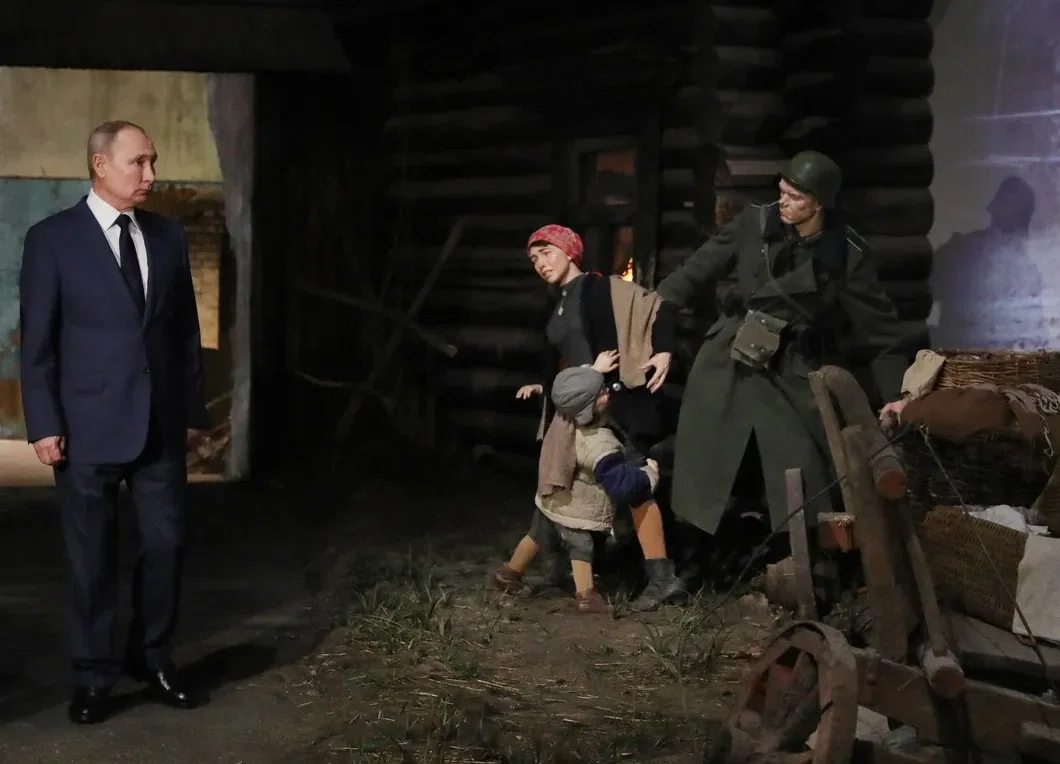
To maintain the stability of the system, it is necessary to maintain a certain balance, which was quickly lost in the early 2000s. So, for example, in the immediate elections to the State Duma, new centrist forces could achieve a rather limited success by forming a fraction of 20–25% of the number of deputies, which can change the image of the parliament and return it to the status of “places for discussions”.
At the same time, the liberal professional managers united in the new group (in this case, I mean not street manifestants, but economists and managers who understand the modern economy and are ready to challenge the coming decade [and there will be a lot - from the technological lag in Russia to the prospects of the design of the world economy]) would form a new government working on the “restart” of economic growth. Presidential control behind the power unit and foreign policy will ensure the sustainability of the authority, but for the period until 2024, weakening of regulatory dictatorship over the economy, a more flexible credit and financial policy, improving investment climate, reducing taxes with moderate increase in public debt and many other measures can ensure sustainable economic growth, the benefits of both citizens and large business. Under such conditions, a radical opposition will lose its support, as its liberal parties lost in the early 2000s, and the new force will become the main political elevator, even if Putin re-recesses for the last time for the presidential post in 2024.
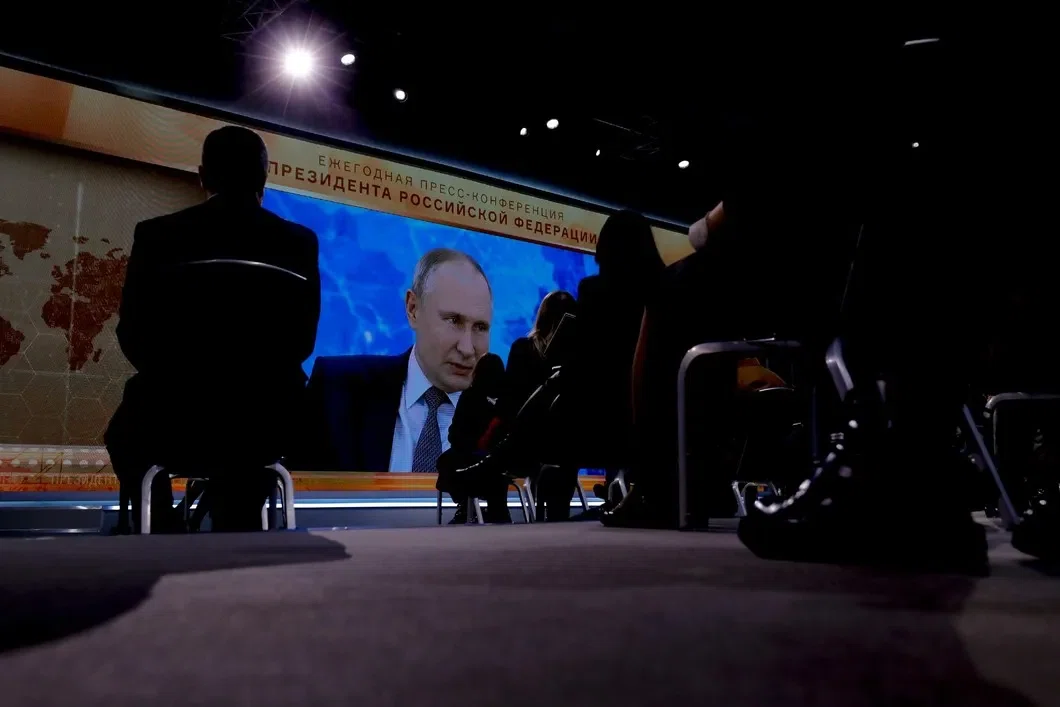
For twenty years, the current Russian political elite has managed to solve two fundamentally important tasks: at the first stage, it through the development of the economy on relatively liberal rails achieved a significant increase in the gross product, growth in the standard of living of the population, but the most important thing is to increase the value of the assets of controlled budget flows; At the second stage, the basis for non -electrical legitimization of power was laid (on the principle of “Putin is Russia” and “commanders in battle do not change”), enshrined in the altered constitution.
However, the side effect of these efforts was economic stagnation, which causes growing discontent.
Today, the country is at a fork: the Kremlin can further suppress the performances of the disagreement, and I personally have no doubt that the growing point terror will allow the current situation for many years; Or reduce the intensity of indignation by going to change the political course and the change of part of the persons representing it in order to restore public consensus in the context of economic acceleration. The second option seems optimal for both the population and for the top, as it will increase the welfare of people and gradually legalize the wealth accumulated by the bureaucracy, separating their owners from power. This transformation will assume a gradual approval of the modern legal order, without which Russia in one way or another will be plunged into a serious civil confrontation.
Recently, from all sides, discussions have been heard about the mythical “transfer of power”, which is understood as Putin’s allegedly planned departure and replacement of the new generation of the continuers of his course. Such a strategy has no chance of success - primarily because, losing its creator, any personalist regime experiences prohibitive overload, fraught with its destruction; In addition, a simple first -person replacement is not able to bring economic dividends, and with a high degree of probability will cause the panic flight of the owners and the sale of assets in anticipation of the increase in political turbulence.
On the contrary, Putin’s formal presence of the possibility of staying at the country's helm for almost ten years opens up a unique opportunity to carry out a controlled transformation of the political system, divide the economic and state functions of the elite, strengthen the legal procedure and delimit the competencies of branches of government and prepare a really new period in the development of the country.
It would be a mistake to consider the twenty Putin years a time of exceptionally negative trends in the history of Russia: today the country is much richer, more developed and more organized than it was at the turn of the century; There are great demand for modern institutions, and the possibilities of building their construction are quite obvious. The only question is the presence or absence of the elites of a strategic vision of the future - and we will find out the answer to it very soon.