
Translated material
Audible invisible
What is typhlockocument and will it become the norm soon? “Such things” talked with the blind who love the theater and regularly visit it, and with the typhumblemers who help them hear the invisible
Not easy, but very simple
When in 2019 I produced the first in Russia forum-festival of the Social Theater “Special View”, established by Alisher Usmanov Foundation “Art, Science and Sport” and the Center for Support for Creative Initiatives “Inclusion”, our team had at least rescue. Select applications, agree with theaters, coordinate the arrival of inclusive artists, think through the logistics of their movement in Moscow, book available hotels (we don’t have as many as it seems at first glance), make a schedule convenient for everyone ...
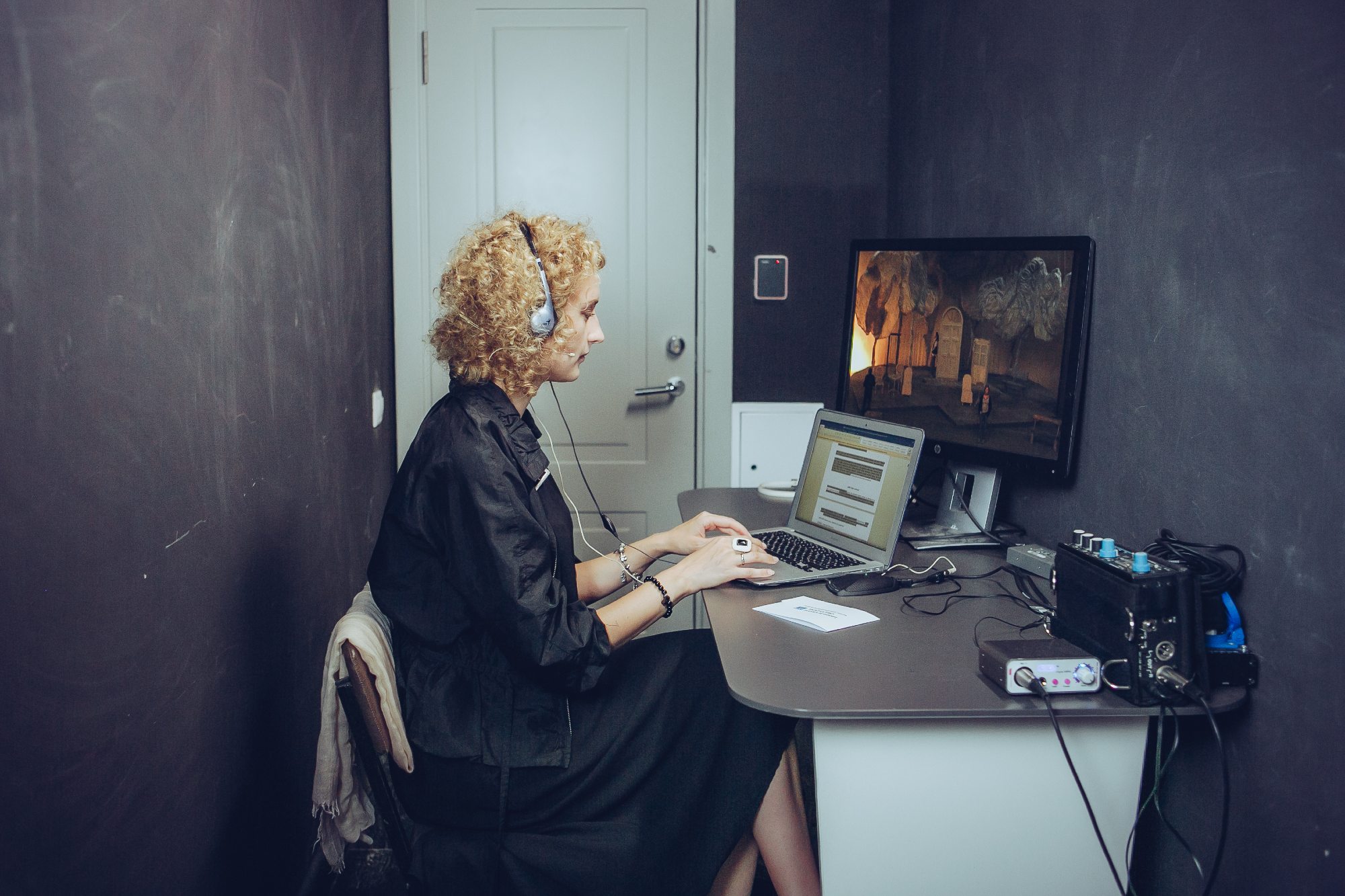
But the organization of translation into Russian brutal language (rzha) for hard -heems and tiflocommenting for the blind I put off all the time, thinking that this is incredibly difficult, if not impossible. However, it turned out, however, “adaptation of content” is perhaps the simplest of all festival affairs: translators of the C/to the RZHYA quickly cooled up and chose performances and master classes for translation, the typhlock-swimmer requested video performances and wrote texts, and the contractor for equipment, examining the new space of the theater of nations, where he was to work, asked only to highlight a small place for the stage for the stage for the stage for the stage for the scenario Installations of the transmitter and table with a lamp. Moreover, we were faced with such an influx of invisible people who wanted to see the performances that about a week before the festival we decided to provide an online broadcast with a tiflocommentary.
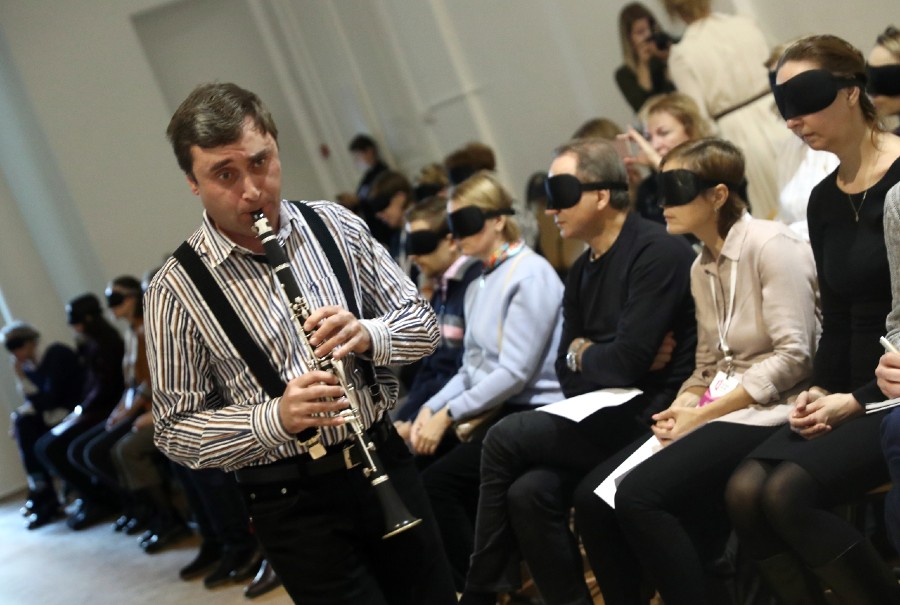 Spectators during the play “It all started with a shower curtain” of the invisible theater The Invisible Shows as part of the Forum-Festival of the Social Theater “Special View” in the MMOM photo: Sergey Fadeichv/TASS
Where did I have a person who has almost ten years of experience in inclusion, there was a feeling that typhlockommentary is expensive and difficult? How to overcome this stereotype and make cinema, television and theater become available to everyone, including total blind and visually impaired? What are the blind themselves think about typhlockocument and is it necessary for them in principle? Who is engaged in typhlockocument and why theaters refuse to introduce it, although it costs nothing? How to make the necessary equipment in all cinemas, and the finished comments do not dust on the shelves at the State Film Fund and reached the consumer in time? What is a tiflocommentary in general and how they do it? And finally, who are those desperate, who bravely master a new profession without any real prospects for employment?
With other people's eyes
According to various sources (there are no accurate statistics in open sources), more than 300 thousand people live in Russia with disabilities over 18 years of age, of which about 13 thousand in Moscow and almost 7 thousand in St. Petersburg. According to other sources, about 5 percent of the population regularly go to the theater - however, in large cities this figure, of course, is higher than in villages and rural areas. Through simple calculations, it can be found that there are very few blind theaters of adulthood. But this does not mean at all that they should not be able to go to the theater when they want it, and for the performance that they themselves chose. Actually, for this, there is a thifflocomption (Tiflo in Greek means “blind”)-a concise description of the actions that occur on the stage or screen that the blind person cannot see on his own.
Tiflocommentary is “alive” and automated, but in any case it is created by a special person, a typhommentor. The commentators are taught at the Moscow Institute of Reakup, and the concept and methodology itself was developed by the well -known teacher Sergei Nikolaevich Vanshin (in the West, the so -called audio -discuit is more widespread, which is more likely to be translated than “description” and is suitable not only for the blind, but also for people with mental disability, children with ADHD or, for example, to foreigners studying alien for yourself language).
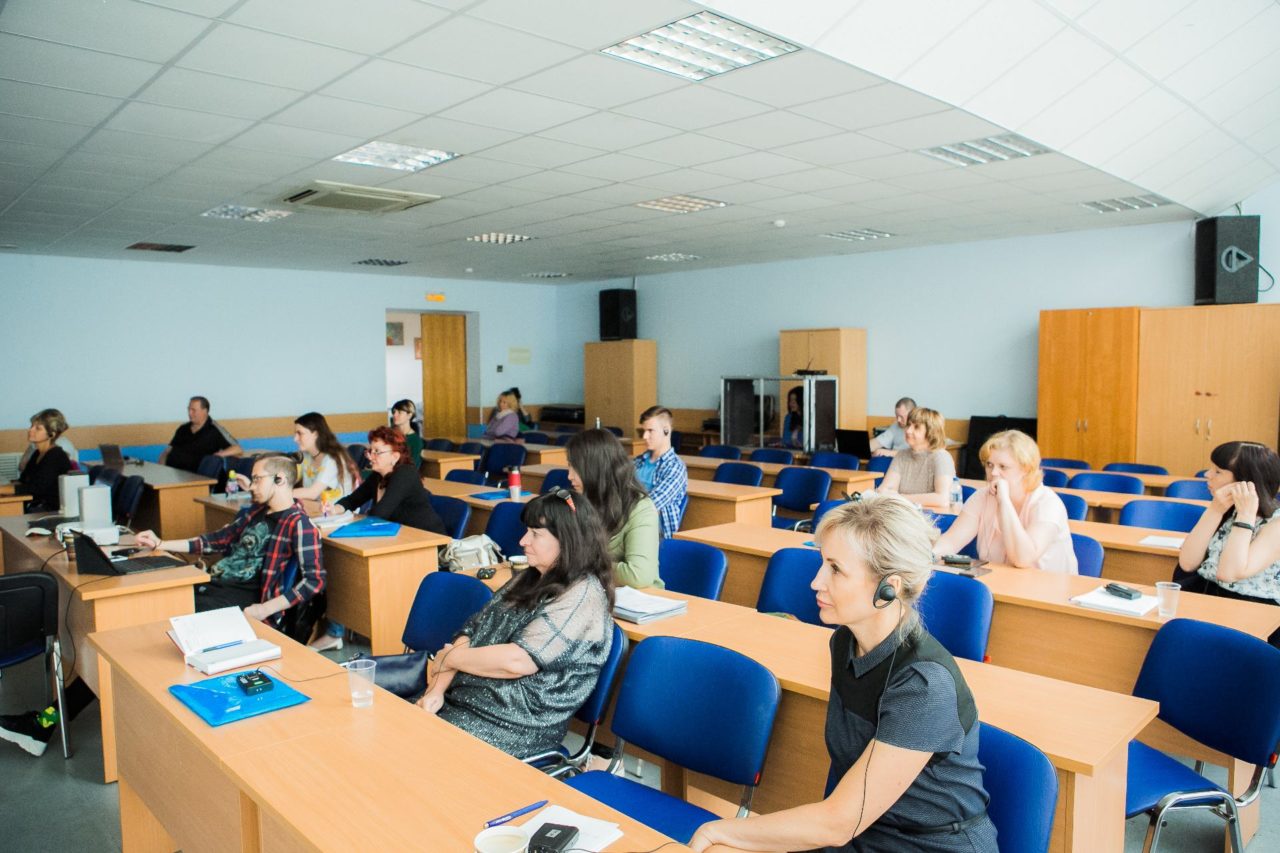 Education at the Institute "Reakup" Photo: provided by the BF "Art, Science and Sport"
Today, blind and visually impaired can see videos from Utuub without outside help, photos of relatives and well -known paintings - their descriptions are available on the site “Describe me”. They can also watch films with tiflocommentaries - by loading the Tiflumedia application, which has been working on a selflessly for several years, going into a special section on the Project Portal, monitoring the rental news on the Megogo platform or the good old classics on the Mosfilm channel.
Formally, from July 2017, all films that are released in Russia with the support of the state should be equipped with typhlocks, but in fact, not all of them reach the distributors and the audience themselves. There is no such law in the theater yet, but the number of performances that are created by professional tiflocommentaries are constantly growing: for example, with the support of Sberbank the blind, the performances of the Golden Mask festival became available, and thanks to the “Special View” program “Art, Science and Sport”, living typhumination is actively developing not only in the capital, but also in the regions.
In your own words
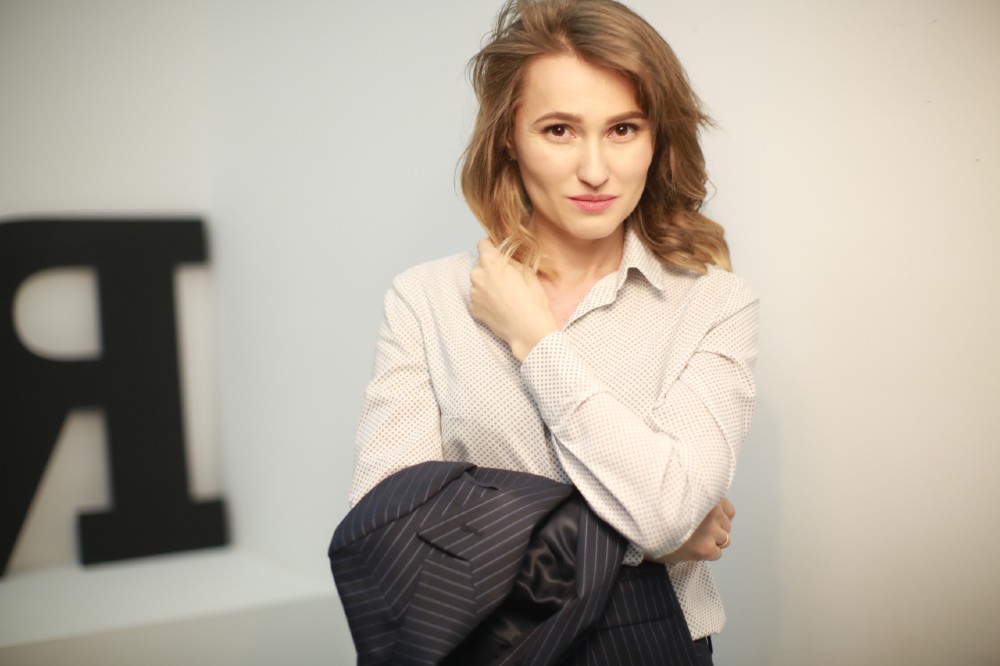 Ksenia Dmitrieva Photo: From Personal Archive
This is what the head of the Special View program, Ksenia Dmitrieva, speaks of this work and his experience of the Tiflokommentor. “In the summer of 2017, I decided to study on a commentator, went through a test and got into a group where, in addition to me, the actress of the Moscow Provincial Theater, a film producer, an employee of a boarding school for the blind. Although we all came from different professions, we were somehow connected with the letter. Sergei Nikolayevich Vanshin, the author of the concept, his opinion on this. Like him, I believe that this is a creative profession and a typhummentor in a sense of a writer: it all depends on what vein and what language he will state the material. There can be many verbs in the text, but there may be continuous adjectives. Sometimes you get Bunin and Tyutchev to see how you can describe nature, and sometimes for a long, long time you choose the words of action. A lot depends on the commentator, but the main thing is that he should not block the director’s plan and climb the replicas of the heroes. ”
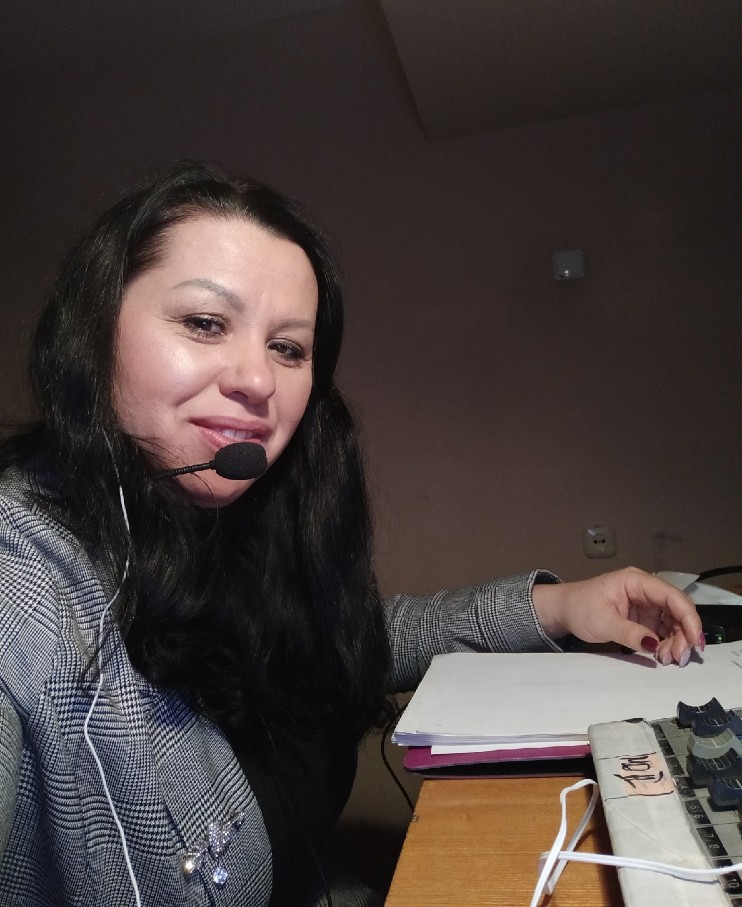 Gelusya Zakirova Photo: From Personal Archive
Tiflokommentor from Kazan Gelusya Zakirov came to this profession in a completely different way. “I graduated from the Institute of Culture, the Faculty of Library. In the two thousandth it was difficult with work, and then a friend told me about the blind library. As a result, this is my only place of work in life, for 20 years. I got carried away with tiflocommenting in 2015 - then Irina Bezrukova came to Kazan (the actress is not only a Reakopa graduate and a tiflocontrger of the highest category, but also actively promotes typhlock in Russian theaters. - approx. TD) . And when in 2018 a letter was received in our library about the recruitment of tiflokommentators, I asked for training, as I really wanted to try to create a tiflocommentaries in Tatar. In February, my studies ended, and in May I already made my first performance with Tiflo. I was even ready to comment for free, but I helped a “special look” with both fees and equipment. I first went to the director of the Kariev Theater (Kazan Tatar State Theater of the Young Spectator named after Gabdulla Kariev. - Approx. TD). He did not quite understand what Tiflo is, but did not mind. It was not easy to start. At first, of course, with a ghost -up (translation into a brutal language. - Approx. TD) confused, and they called before the typhlopremier: “We are waiting for you, the director is nervous,” I had to urgently take off the curlers and run to the theater that the actors should not be adjusted to the tiflokommentor, rather, on the contrary.
After the Kariev Theater, I went to our main Tatar Kamal Theater. A little later they began to work in the Kazan Youth Theater, here the tiflocommenting is supported by the Good Deal Day charity foundation. In 2020, the Ekiyat Puppet Theater joined. In total we have 16 performances now. We comment on the performances in Russian together with my colleague Aisil Valeeva, and I work alone in the Tatar. So I am ready to introduce commenting and convey to the one who comes further, but so far, unfortunately, there is nobody. ”
 The spectator in the theater with a receiver for typhlockommenting photo: provided by the BF "Art, science and sport"
A completely different situation in the neighboring Nizhny Novgorod with Kazan. Vera Trubnikova says: “I studied on the typhlockommentctor in the winter of 2018. At the moment, we have tiflocommenting in only two theaters - in the Vera Children's Municipal Theater and at the Opera and Ballet Theater named after Pushkin, where I was immediately accepted with open arms. They had a place to work (a cabin that was not used), and already in October 2018 we made Prince Igor. Typically, the choice of the performance is welded by what records are, you can choose not from the entire repertoire, but from what is shot in the video. But here the difficulty is that the theater’s repertoire is large, and the repetitions of performances rarely happen, 1-2 times a year. And Kovid - in the Nizhny Novgorod region, theaters opened only at the end of the year. But on the other hand, in the pandemic I prepared new productions, and, in theory, even before spring, shows with Tiflo will begin. Now I am making a “Bakhchisarai fountain”. Ballet is a new zone for us, little developed. There are practically no materials in Russian, although they work with this in the world. I read, listen to the ballet radio records, studying sources in English. Here the difficulty is that, commenting, you can’t interrupt the music. ”
Who needs it
As Ksenia Dmitrieva rightly remarks, "it is sad when only philanthropists are needed by charity." Does this happen with typhlockommentation? Does it need the blind?
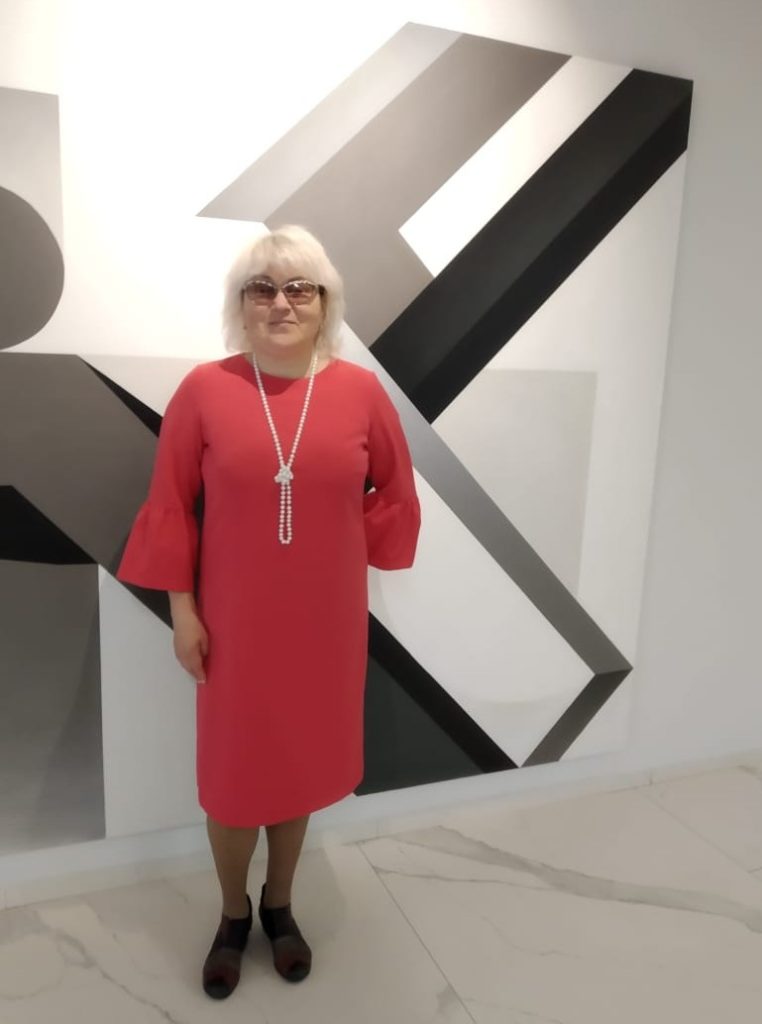 Olga Lityagina Photo: From Personal Archive
Here is how Olga Lityagin, a disabled person of the first vision group, says about this: “I have not been at the performances with a typhlock, but I watched the films - both in the cinema and at home. Tiflocommentary, of course, is absolutely necessary. Once I liked the film “We are from the Future”, where the guys from the present fall in wartime, but when I watched it at home on TV, I did not understand half; So when we were invited to the cinema, I listened with great enthusiasm for this film and finally figured out everything. And I go to the theater with sighted friends (I lost my eyesight relatively recently, a little more than ten years ago), and when something is not clear to me-I slowly clarify in a whisper that I did not understand, or after the performance I ask not to interfere with other spectators. In general, I would gladly go to the performance with a typhommentary, especially if it is a ballet - I can’t even imagine how it can be commented, and I would just go for the sake of interest. ”
But what is the opinion of the Tiflocommenting of the theater with experience - Muscovite Elena Kudryavtseva and her son Yegor, who in 2020, when he turned eighteen, received the disability of the first group. Egor loses vision due to a genetic disease. Doctors made a diagnosis with a non-optimistic forecast at the age of six, but he still managed to unlearn three years in a regular school before he moved to the first boarding school for the blind. Disability does not prevent the young man from seriously interested in history and actively participate in specialized olympiads, as well as passionately want to get a higher historical education. Egor loves to sing and plays chess, he is a fan of “what? Where? When?" And "your game." He also considers himself an avid theater.
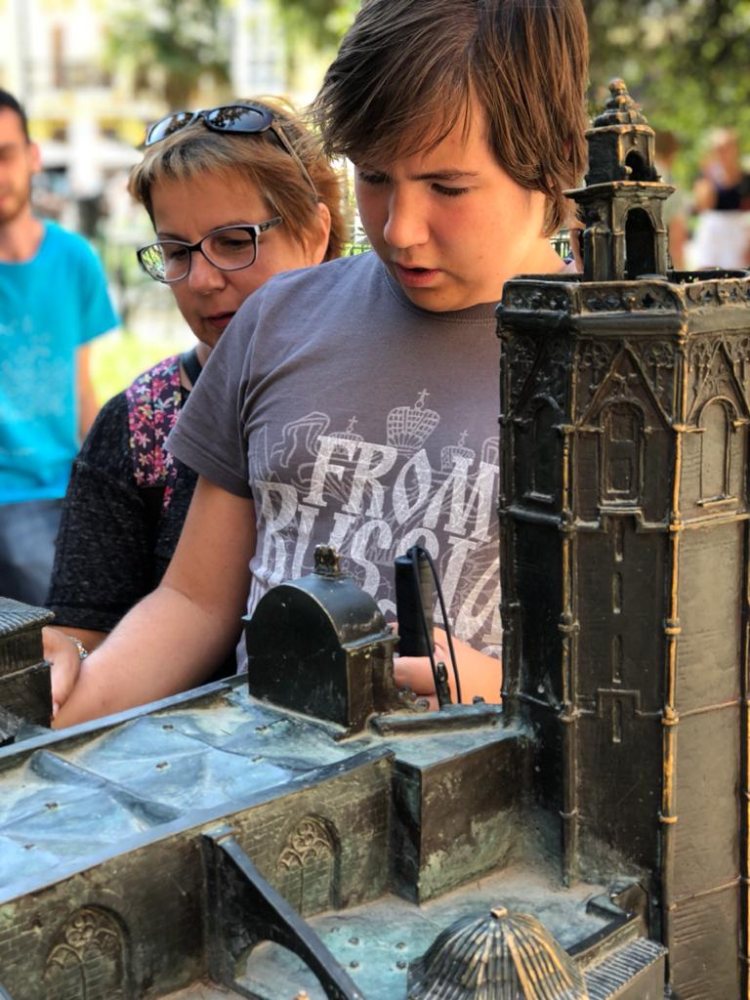 Elena and Yegor Kudryavtsev photo: from personal archive
Egor: “Now I go mainly to classics and purely theoretically I can do without typhlockommentary. In September, we watched the “Days of the Turbins” at the Dzhigarkhanyan Theater, in November - “Masters and Margarita” at the Moscow Art Theater. Gorky, in December - “Woe from Wit” in the Maly Theater, in January - “There is quite simplicity for any sage”, where Alexander Klyukvin plays, whom I listen to a lot (the actor voices audiobooks and is the voice of the channel “Russia 1”. - Approx. TD) . I do not like when propaganda and ideology are pushed into the production, because I personally come to the theater to relax from the outside world, turn off the phone and want everything to be behind me ... In general, I need a tiflocommentary in the theater, but I do not like automated typhlockommenting. When I am sitting at the performance with a living typhlo, I watch the whole performance entirely and I am not distracted, and with an automated half -prostate, I spend on dealing with the technique, since the vaifai is periodically lost through which the typhlockommentary is submitted. But the main thing is that the actors play live, improvise, and the comment is already recorded, and it does not coincide with their game. ”
Elena: “The most important thing is that we can choose the performance that we ourselves want to go like all other spectators, so we are ideal for us if there are tiflocommenting and tickets with a discount everywhere. In our country, many are accustomed to the fact that children with disabilities should get everything for free, but some already realized that this does not always work, and they even ask if it is possible to buy tickets for performances from Tiflo if there were no invitations. It is also bad that often the parents of blind children do not even know that shows with typhlockocumentation periodically take place in a theater or cinema. Although we have a school group “Kino-Theater” in Votsap, where parents share information with each other. ”
What to do
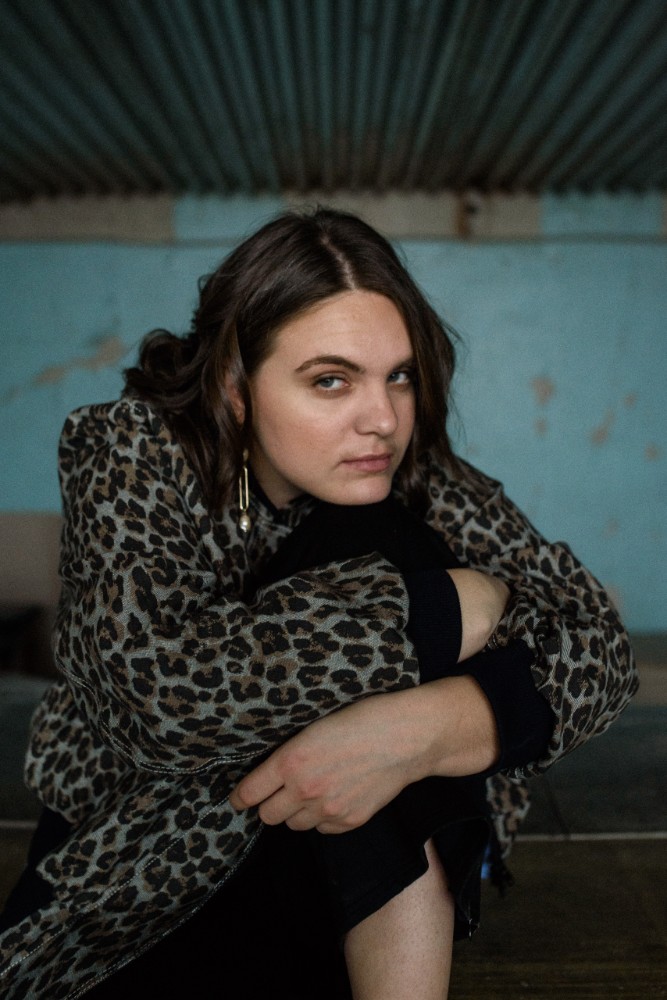 Vera Trubnikova Photo: From Personal Archive
But why do theaters - including advanced metropolitan ones - are in no hurry to introduce tiflocommenting on their performances? What are they afraid of and what will help them overcome this fear? This is what Vera Trubnikova thinks about this, who was faced in Nizhny Novgorod with the rejection of the idea of typhummenting, but still does not give up. “I can understand that theaters are afraid to do something new and incomprehensible, especially when a person from the outside offers it. In fact, nothing is required of them, since there is funding, and I can take something on myself. I think it is necessary to interact more tightly with the local government and return to theaters already with the support of the minister and the head of the department. So I’m looking for warm contacts for now and try to understand how to present it, whether it is worth referring to other examples, such as in Samara, where Katya Averyanova (another graduate of Reakopa. - Approx. TD) now works in the theater at the rate of a specialist of the inclusive department. ”
In the rich, densely populated and very theatrical Kazan, things, fortunately, are better, albeit imperfectly. According to Zakirova, "Theaters willingly make contact, but still some things need to be controlled." Geluy continues: “We work with the All -Russian Society of the Blind: I write to the chairman, she is groups, and literally in half a day all tickets are dismantled, sometimes even in an hour, especially for new performances. Our tickets are free, their “special look” is redeemed. When they worked with the Kazan Fund, they first made free, and then for 100 rubles for two (blind and accompanying) - but they are not very willing to buy them, the majority are not ready to pay. The visually visible and active and active, and those who need accompanying are a little more complicated. Recently, we had a group of Baltasei and Arska - this is about an hour and a half drive from the city. For them it was a huge event, and then they wrote for a long time, thanked, now they are going to come again. ”
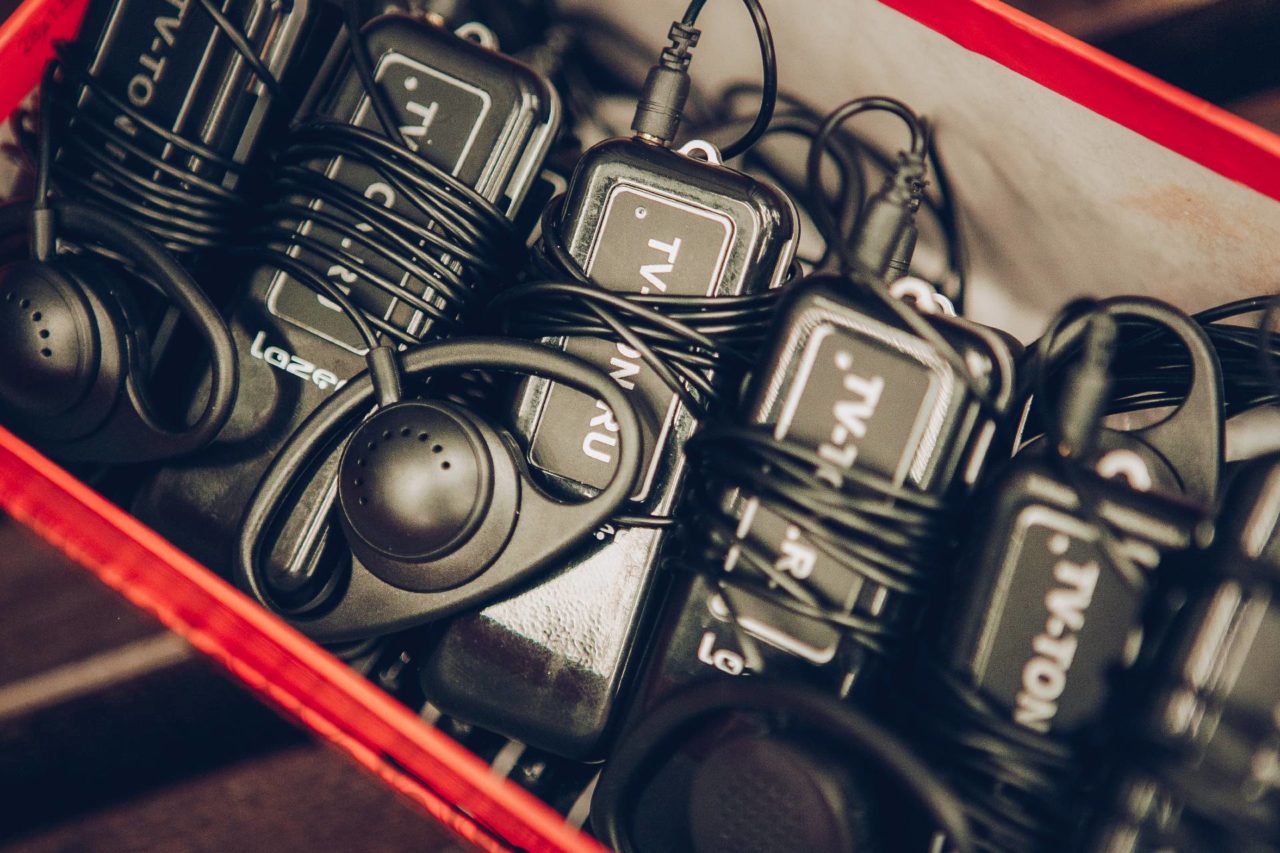 Equipment for tiflocommenting photos: provided by the BF "Art, Science and Sport"
But everyone, both commentators and blind, unexpectedly say that so far only charity funds support tiflocommenting in the theater, and this is wrong. At the funds - at least "art, science and sports" - their opinion on this. Ksenia Dmitrieva believes that “our task is to help theaters understand how to do it, because first we must give them a try. In general, by 2024, we would like the theaters to have a commentator on the theaters (or the possibility of attracting it) and equipment, and they implemented projects at the expense of the state. Ideally, we would like the system to work without us: the blind people know that there is such a service and they can go to the theater in the same way as going by taxi or snacking in McDonald's. I hope that in five years the situation will change.
But what right now to do the theater, which decided to introduce typhlockcomment? Everything is very simple here. To begin with, you need to find a person who will undergo training in the React, or contact a commentator from the nearest city who will teach a volunteer from among the actors or theater staff - we have such cases on the Primorsky stage of the Mariinsky Theater and in the Voronezh chamber. We also give grants for equipment, you can still get equipment from local authorities and sponsors. The main thing is that the theater should provide the commentator with such a place for work so that the radio waves reach from the transmitter to the viewer, and the screen, where the performance is broadcast on the air, without the back of the sound. We usually give out one transmitter and twenty receivers, these are equipment for synchronous translation, last year it cost 180 thousand, and this was 230 thousand rubles.
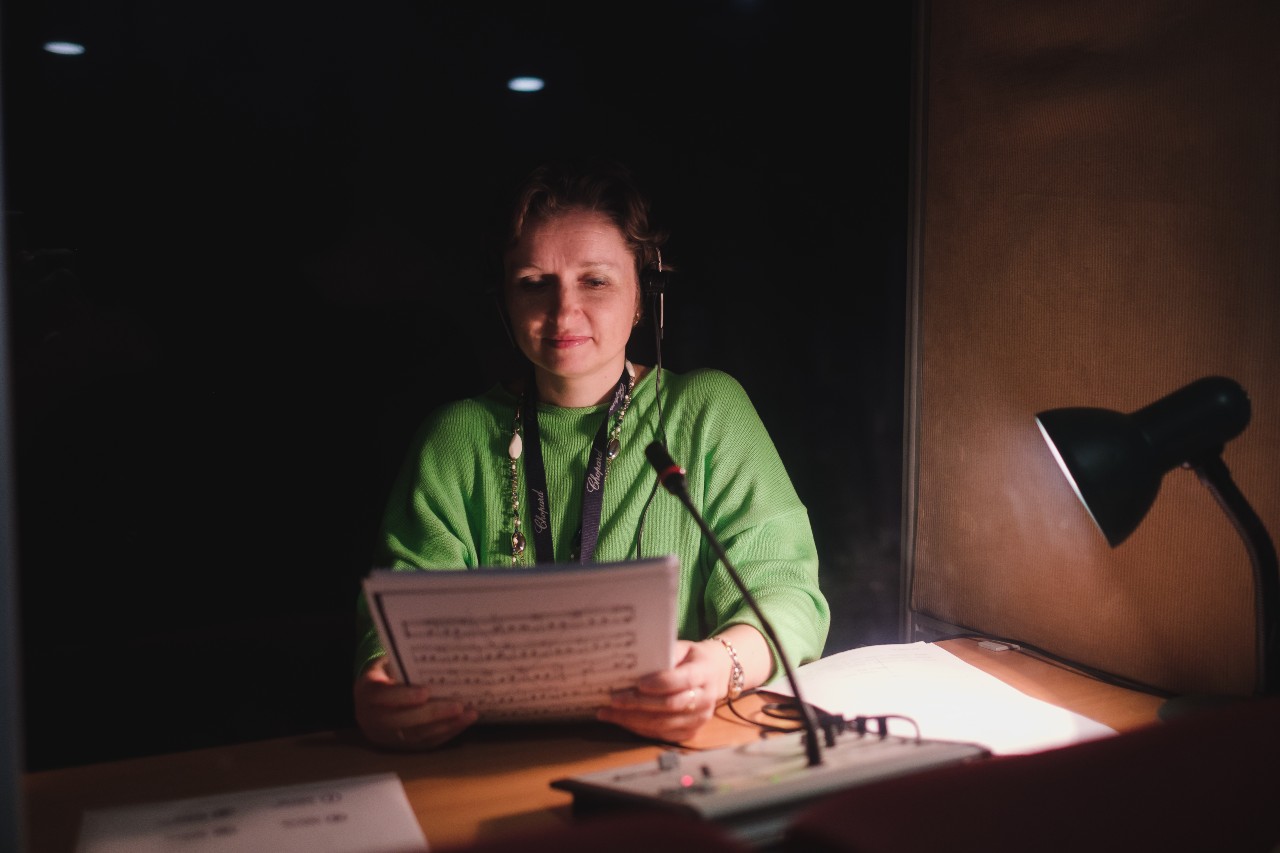 Тифлокомментатор Анастасия Лисиченко за работой Фото: предоставлено БФ «Искусство, наука и спорт»
А 1 февраля на портале “Особый взгляд” стартовал второй этап приема заявок на гранты на организацию тифлокомментирования. У нас три номинации: “Продолжение” — для театров, которые уже с нами работали, “Старт” — для новых театров из регионов, москвичи могут поучаствовать в программе “Столица”. Все это — денежные гранты, которые можно использовать на гонорары тифлокомментаторам, билеты, административные расходы. Также открыт конкурс на аппаратуру для тифлокомментирования. Мы понимаем, что организовать тифлокомментирование в нынешней эпидемиологической ситуации может быть затруднительно, поэтому фонд готов на дополнительные соглашения с театрами, смещение сроков отчетности или перераспределение средств».
В любом случае, как заметила незрячая Ольга Литягина, «по сути, тифлокомментирование можно сравнить с нашими глазами», так что будем надеяться, что оно приживется не только в самых продвинутых театрах, но и станет такой же здоровой нормой, как пандусы и доступная среда.
доступная среда кино люди с инвалидностью театр