
Translated material
Black lists of history
The lists of prohibitions are now not sent in the first departments, but published in garbage canals. But those who make them always lose
From the editorial office
Black lists of history. How the authorities are digging a hole for itself, and talents - moves to fans
Such an old shameful story: black lists, about which they spoke immediately after the events of January 23. Whoever their compilers studied - the Spanish jealousrs of faith or the Soviet experts in linguistics - the stupidity of the venture has long been confirmed by history. Everyone who made up such columns or columns, everyone who carefully brought new names and logs was defeated. The empires fell, the executioners were dispelled, states based on fear are cursed and forgotten.
So why again?
For the sake of petty readiness to take money - for cinema, performance, museum, project? The pillars of the state, they are the servants of the people, are still holding on simple logic: for budget money it is necessary to praise the budgetary. If we give you, so you give us? Something in this is irreparably backward, feudal. Doomed, that is. And grimly petty.
We can only guess who is nervous that I rushed to put pressure on the unhappy orders: to cut the sides from the TNT product, Shmykova’s page from the QIM website, not to give it, “these people are defaming their homeland for American money” - under the jubilant cries of garbage specialtherapists. Previously, the lists were sent to the first departments of the Soviet offices, now they hang in the clouds. Electronic.
We have one homeland. We should not explain to us that it is equal to the state. We will not believe it.
And do not be afraid. It's time to remember what Russian prose was holding when you went to the camps: do not believe, do not be afraid, do not ask. And to paraphrase the Leo of Tolstoy: they scare us, but we are not scared.
Department of Culture
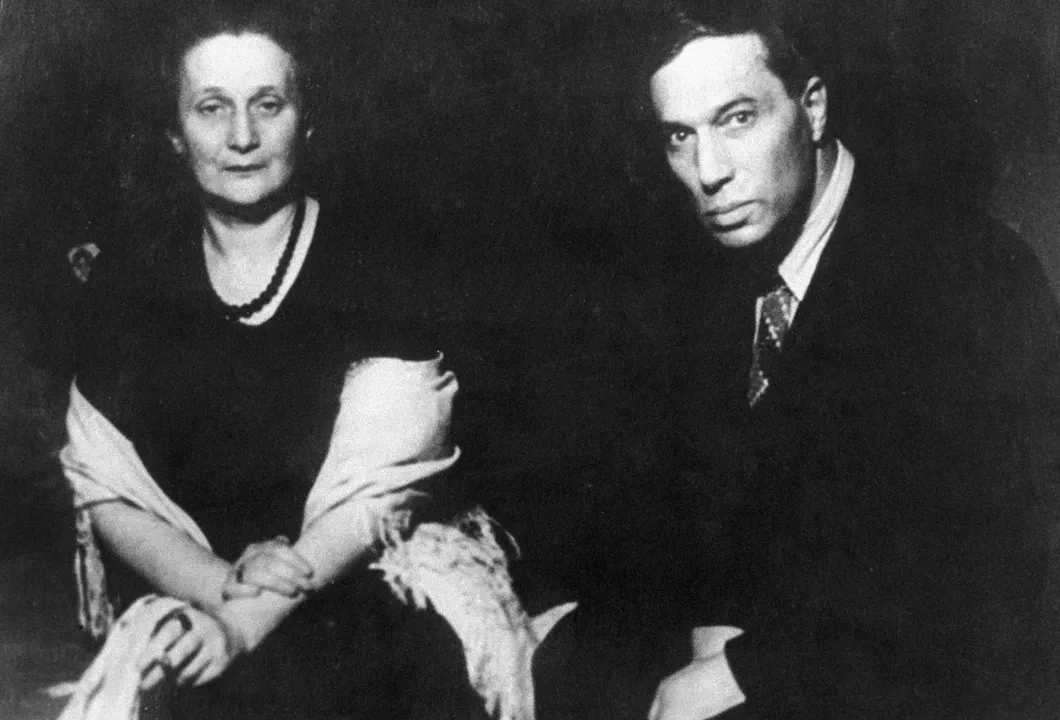
In October 1958, at meetings, where Pasternaka, who had just become the Nobel Prize laureate, demanded to send him from the country, no one stood openly for him. The memory of recent mass repressions was still too fresh, so
The most clean -minded preferred to affect the sick, go out of town or drink, but not to appear at the shameful court.
Or, if you still arrived, defiantly leave the audience to smoke, when the authorities, after the many hours of “five-minute hatred”, called everyone to a unanimous vote.
The habit of not only to have, but also publicly expressing their opinion on the wrong power was developed gradually.
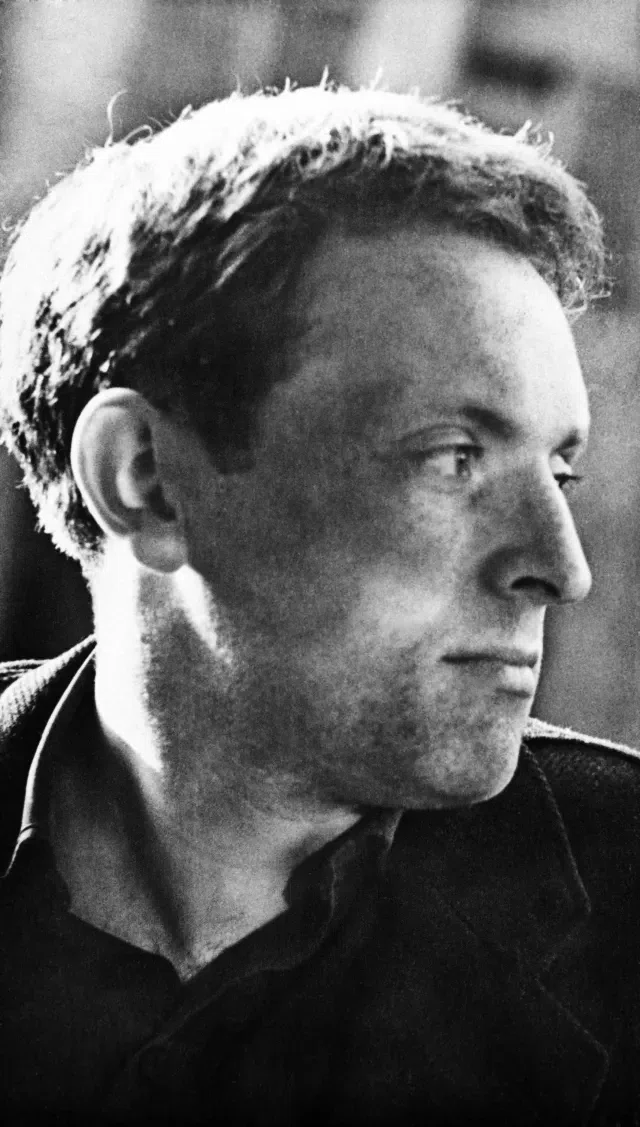
And already in the winter - in the spring of 1964, when the future Nobeliat Joseph Brodsky was judged for parasitism, the first letters of protest went. At first, only individual or signed by two or three sonorous surnames-from Korney and Lidia Chukovsky, from Paustovsky, Shostakovich, Marshak, Yevtushenko, and others. But the young St. Petersburg writers A. Bitov, A. Kushner, D. Bobyshev, G. Gorbovsky, E. Rhine, A. Gorodnitsky, whose names were not yet protected by glory, tried to intercede with the poet with the already collective “letter of 49”. And, as one of his initiators, J. Gordin recalls, “in fact, this letter began the movement of“ signatories ” - people who sign collective petitions in defense of victims of illegal processes.”
Behind Brodsky “they are busy as they didn’t bother for a single person of all eighteen million repressed!” - A. Akhmatova said with admiring amazement.
And the authorities, which did not expect such disobedience, apparently, at first was at a loss.
Having recovered two years later, when, after an indicatively cruel sentence in the case of Andrei Sinyavsky and Julia Daniel, letters of protest rushed already. And not only in most cases they were signed not by units, but by dozens of caring, but were addressed not only to the Central Committee, in the editorial office of Soviet newspapers, but immediately entered free circulation around the country, sounded in enemy voices, replicated by samizdat.
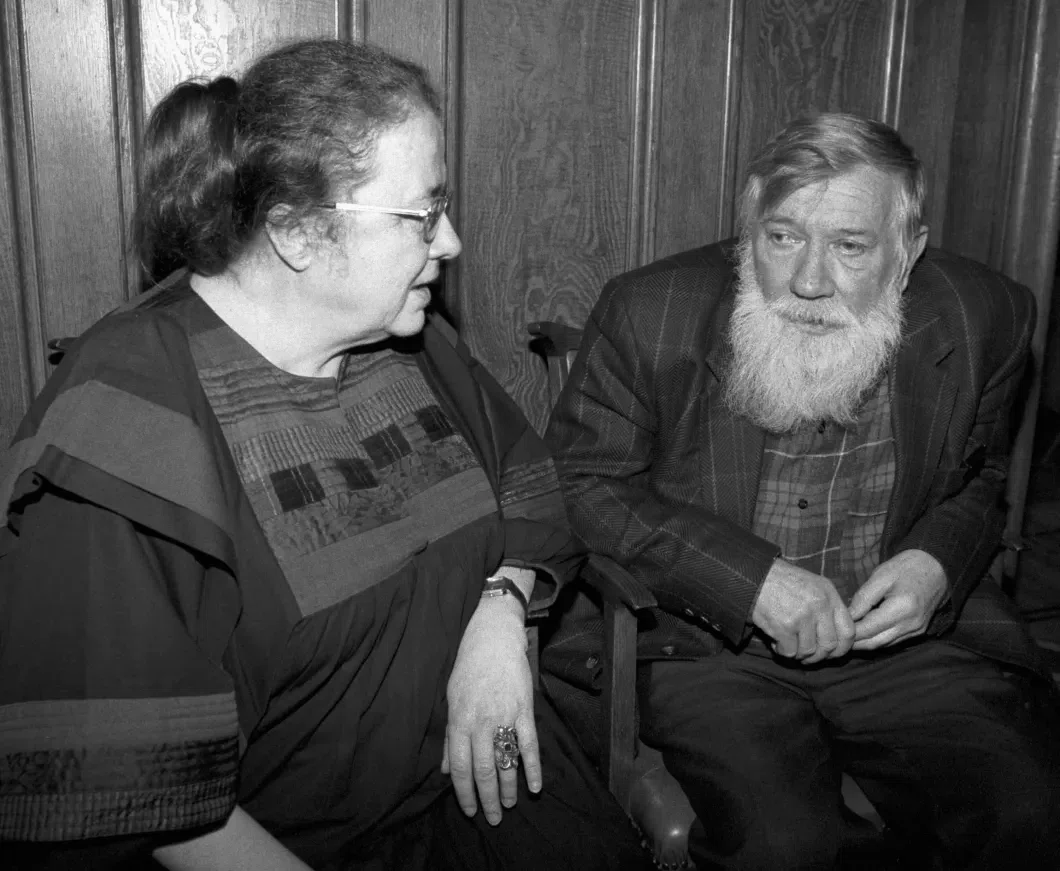
So it now went from time to time: both as a reaction to attempts to restore Stalinism, and as a response to the grass of A. Solzhenitsyn, other first dissidents.
And it turned out that the authorities, who were accustomed to strangle the trotter and one by one, are most afraid of this: firstly, solidarity, and secondly, publicity.
Walking the way she was used to: without publicizing, to knock out the “signatures” one at a time. Each of them had educational conversations: with someone in the Union of Writers, and with someone already in Lubyanka. And everyone, says Veniamin Kaverin, “was punished: some received a reprimand, others - a strict reprimand, the third (including me) was put“ in appearance ”, etc. I remember how we laughed at the reprimands of K. Chukovsky, V. Shklovsky and I. Erenburg.” However, we will continue the quote, “laughter, and many of the“ signatures ”were returned from the editorial offices of their work, the names ceased to be mentioned in the press, and for others, including me, for two years, a phone (although it was not turned off).”
Of course, someone managed to break immediately, either bowing to repentance, or having forever repulsed the hunt for civil gestures. And we will not blame anyone for inconsistency. Heroism is not necessarily included in the nature of the artist, and indeed any decent person, especially if the scattered set of books, the prohibition of the performance, exhibition, film, the ban on the profession, or ... L. Chukovskaya recalls how the indomitable A. Solzhenitsyn told the editor of the New World A. Twardovsky: “We have a huge difference.
I am a free shooter, I answer only to my work. You are responsible for many lives, for many manuscripts. You must compromise. ”
Nevertheless, the number of openly disagreed with the authorities grew at the peak, in 1968, having already reached thousands. To the writers, namely, they all began, scientists, techies, teachers were added, and the authorities were furious. The black lists of those who are forbidden to access to the public space were expanded, and who was not in them only now: from B. Akhmadulina and V. Aksenov to Yu. Levitansky, D. Samoilov, Yu. Kazakov, N. Matveeva ... Svylniki in many cases were followed by searches, from reprimands switched to the dismissal and exceptions of the most inconspicuous ones - from the most intact, from the party, from the party, from the party, from the party, from the party, from the party, from the party. From the creative unions, which at that time meant pushing either in poverty and underground or in emigration.
Having fallen into punitive ecstasy, the authorities began to clean the entire cultural field, so not only those who openly demonstrated their disloyalty, but all the free-thoughts, were already falling under the knife-already regardless of whether they signed something seditious or not. The next numbers of the "New World" were released with fragmented censorship and with a delay for many months. The non -trivial production of the Chekhov “Seagull” cost Anatoly Efros the posts of the chief director of the Lenkom, almost fired Yuri Lyubimov from the Taganka Theater, the film by Alexander Askoldov “Commissar” for a quarter century laid, “on the shelf”, not to mention dozens, possibly hundreds of bright projects that were frozen forever.
And what is the result? Stagnation, that's exactly what stagnation.
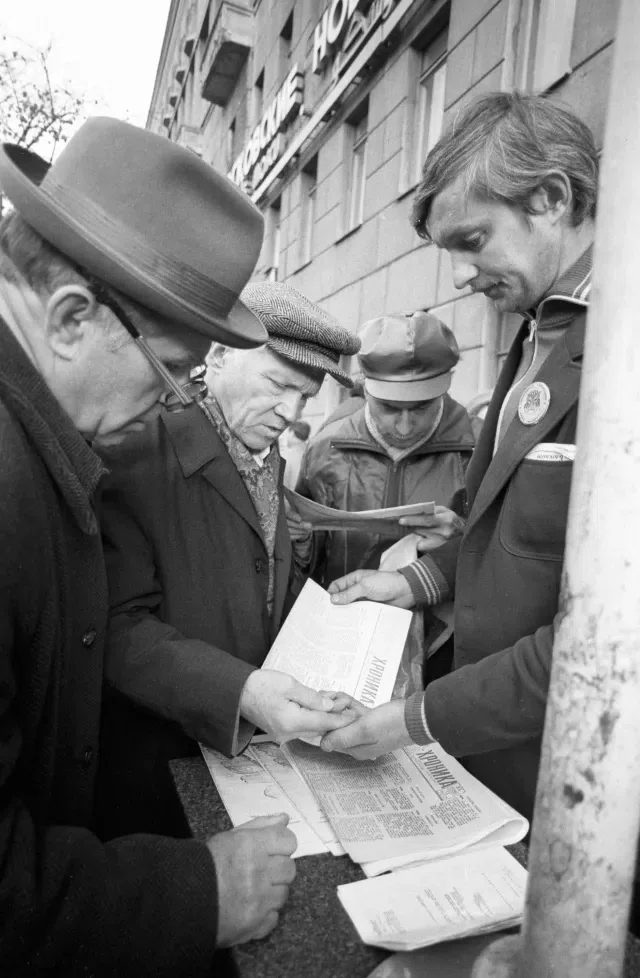
However, there is no one without good. Solidarity accustomed to mutual assistance, to the partnership, and in the same “new world” writers whose names could not be mentioned more, they allowed to write internal reviews, that is, they provided them with at least some earnings. Julius Daniel, finally released from the camp, printed his own translations under the pseudonym or under the names of his friends,
And those who loved the songs of Julia Kim had to remember his new name Yu. Mikhailov.
This is important. But even more importantly, the second, alternative culture arose from the public space, in the parallel to the officially recognized culture: samizdat and Magnitizdat, illegal exhibitions of artists, secret concerts and studio performances, and over the years, generation of janitors and watchmen at all, who created not noticing the official rules imposed by the authorities.
“We are so! - Recall everyone who raised his hand "with the exception of Pasternak, for the strangulation of all the talented and living, sang Alexander Galich. And we really remember these names disgraced ourselves. But it seems to me more necessary, with gratitude to recall those who did not be afraid and at least once in their lives felt free in a non -free country.
Sergey Chuprinin
Topic "Novaya Gazeta"
The “black lists” of the 80s led to the unprecedented heyday of underground music. So it will be now if the security forces take up protest artists
How the filmmakers and their films in the USSR crossed out
Artemy Troitsky: “I got into the next“ black list ”. When they intimidate their underpants, it is always funny "
Julia Aug: "Now my colleagues - Sasha Bortich, Jan Irteniev, Vyatya Shmykov, Maxim Vitorgan - intimidate, it is impossible to be silent about it." VIDEO