Translated material
Babi Kut
The life of the former model in the Ural village
- Do you hear how quietly around? In such silence, thoughts are cleansed, and, most importantly, parents and children begin to hear each other.
The path to the dream
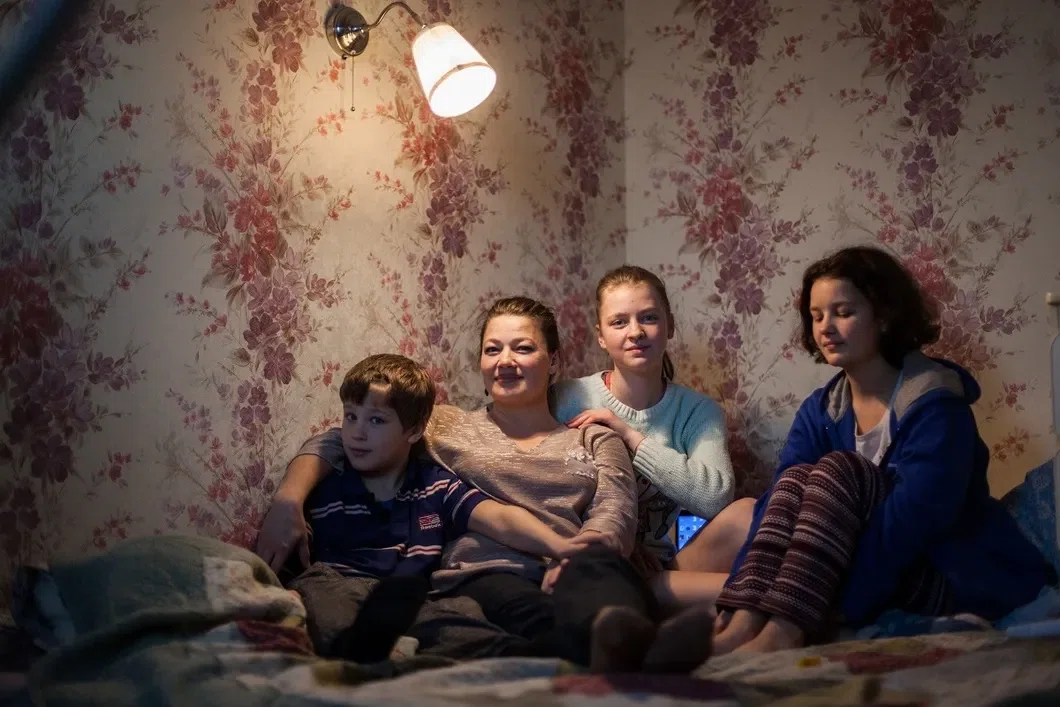
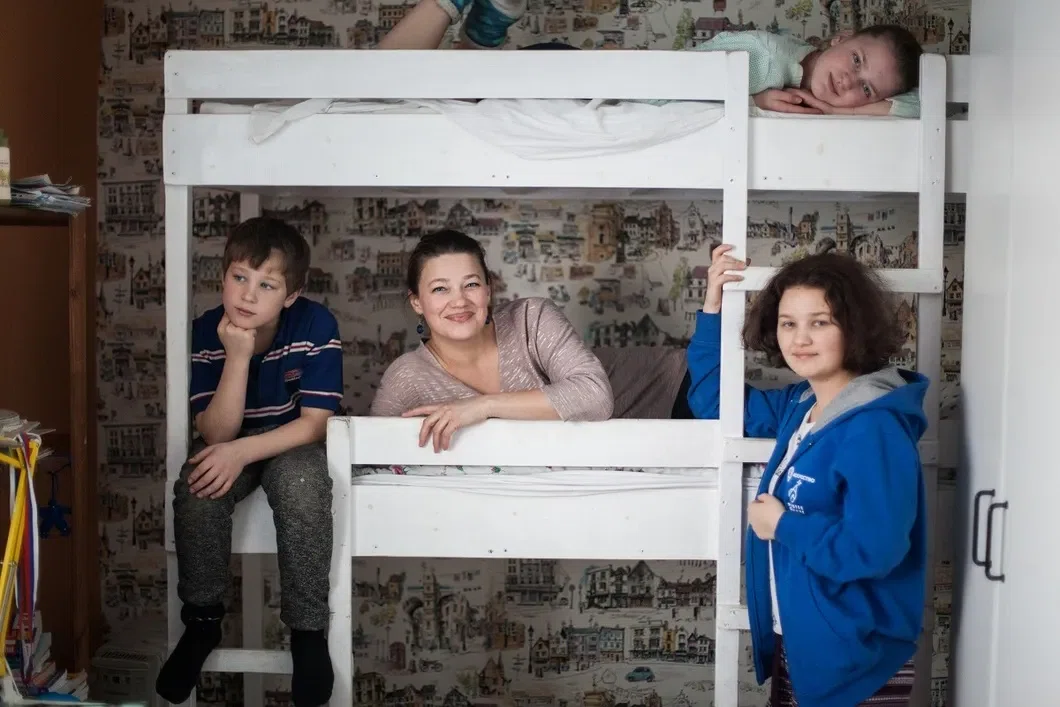
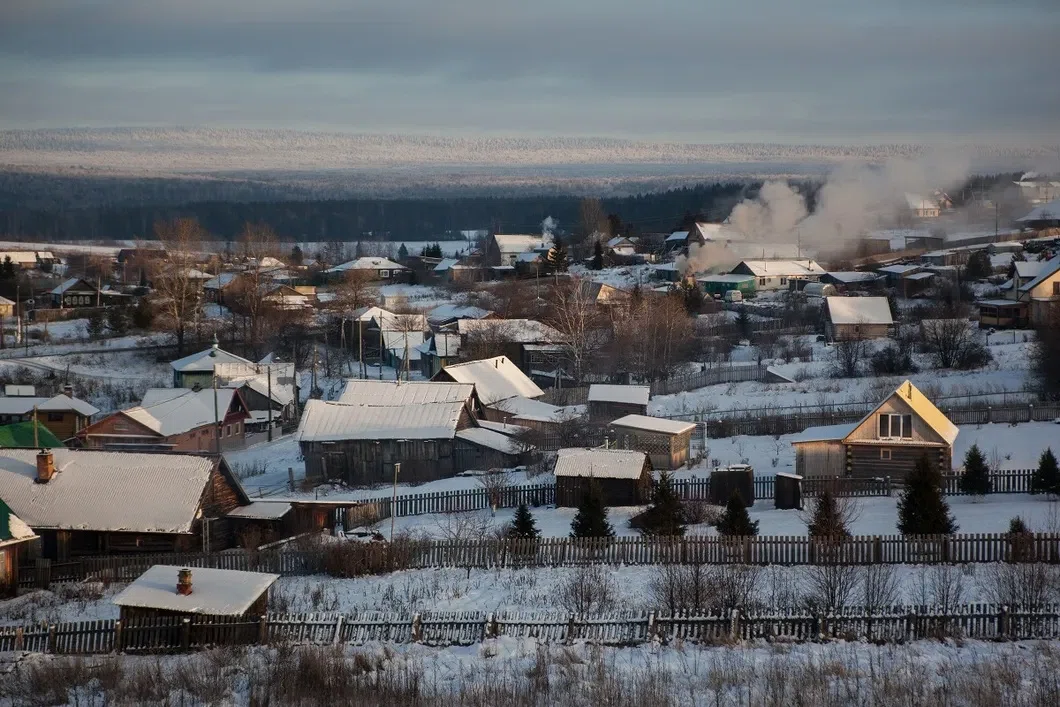
Seven years ago, Olga Simakova and her family moved from Yekaterinburg to the village of Chusovo Shalinsky district (this is 130 kilometers from the regional center). Olya lived in the capital of the Urals all her life, worked as a model, was fond of fashion, vegetarianism and qigong. And then her eldest daughter Nastya was born.
“Motherhood made me look at the world around,” Olga says. - I realized that I want my house, I want to heat the stove and remove the snow. And I began to dream of life in the village.
Meanwhile, Olga found the dumplings and, scratching the delicate hands of yesterday's model, wielding rude male instruments, began to weave her first baskets, breadwomen and cradle from the vine. After a couple of years, cradles for babies became its branded product, orders go from all over the country.
“I also began to engage in singing in the folk ensemble,” Olga recalls. - I was shocked by the capabilities of the human voice that perfectly revealed ancient songs.
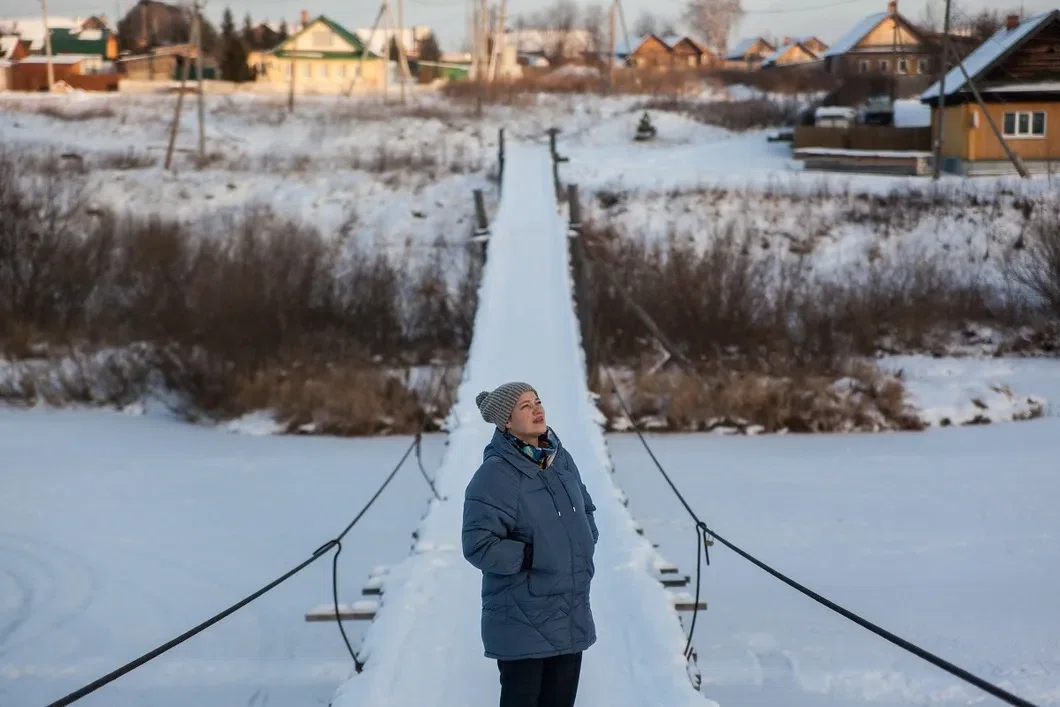
Olga began to be invited to the fairs of the Ural masters. Arriving at the Chusovaya Russia festival, she fell in love with the village of Chusovoye, located on both banks of the Chusova River and connected by a suspension bridge.
“In the evenings in the city I was preparing dinner, and we went somewhere to nature,” Olga continues. “But you won’t hit the children much, so they began to look after the village.” By that time, I gave birth to the youngest daughter to Vasilisa. Two months after birth, she began atypical dermatitis. She almost did not sleep for four months, and I - with her. And I thought: what am I doing wrong?
House with history
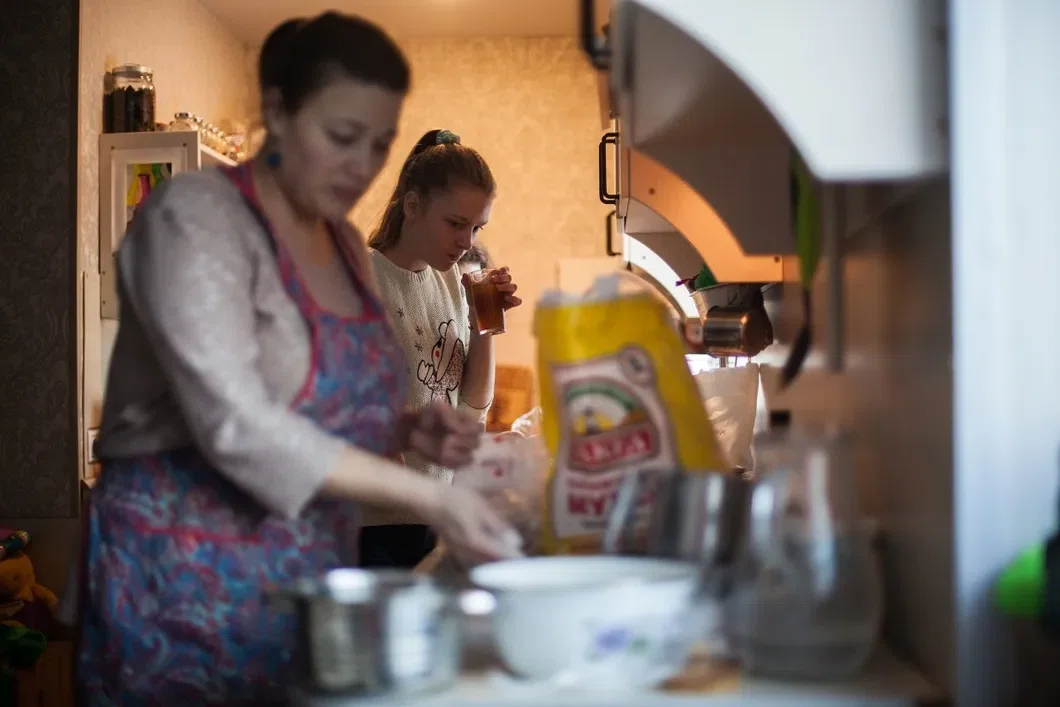
Olga speaks to me, and he kneads bread on the sourdough. It laughs, how great it is that journalists came to us. Like, the children, as they heard that the guests would be, the whole house was torn to a brilliance.
In the rural apartment, Simakov with four children has been living for three years. But they still initially moved to their house to the village.
“After the birth of Vasilisa, I began to look more active in looking for a house in the village,” says Olga. - An important condition was the absence of a railway, a large highway nearby. We once arrived in Chusovoye at Christmas. They dressed up and went to the house, and we are met as morons. I can't understand why? It turned out that they were carved here on other days. There is a unique tradition in the village - Filippov’s stumps, November 27. Young people gather in groups, they go home and sing a frightening carol "will not serve cakes, knock out the windows." Previously, carols were treated to dumplings, because the next day the post began, and now, as elsewhere, they give sweets.
For the first time, Olga saw her house in the summer when she came to live with her friends. The family walked around the village, stopped on the outskirts near one house, Olga looked out the window, and there it was so beautiful. After a couple of years, it was this house that I bought - for 350 thousand rubles.
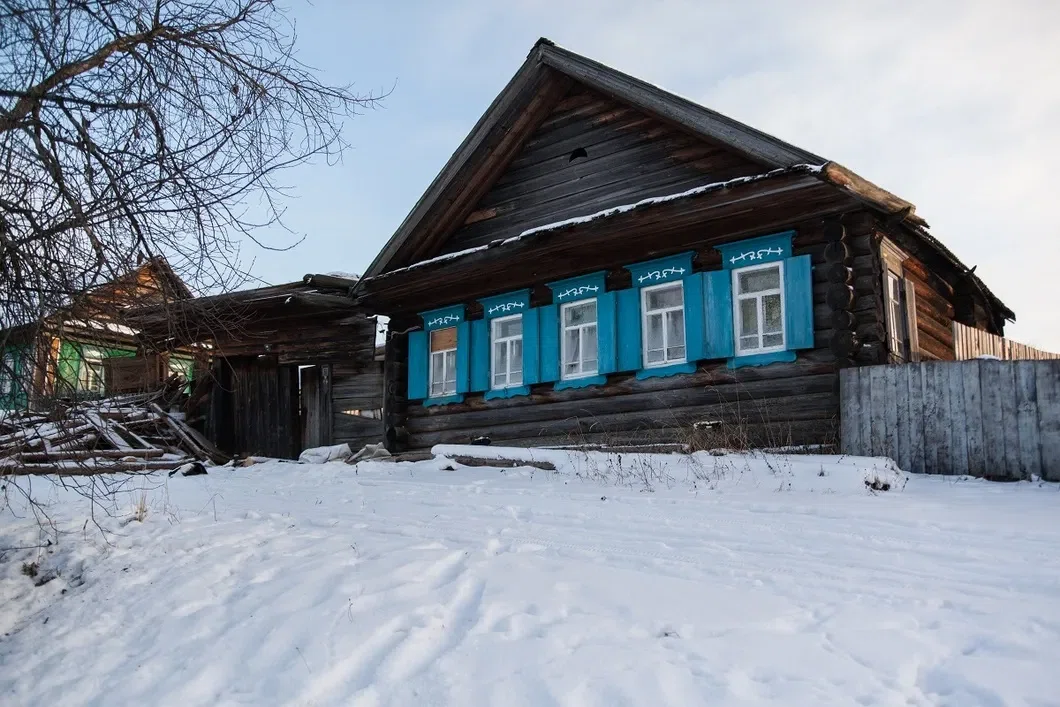
The house is more than 200 years. There is a chest, glued with a newspaper of 1874, on the yellowed pages - caricatures on the commander of Suvorov. In the center of the house is a large furnace, around which a room, a dining room and Babi Kut ( a tiny kitchen in which they are prepared on the stoves. - I. D. ), where access to men is closed. There are two iron rings in the ceiling - hang a cradle. In the crashes of the cradles woven by Olga, two of her younger sons were sleeping here: Stas and Savely.
More recently, a communal apartment in such a house cost 1-1.5 thousand a month. There is no gas pipeline here, you pay only for electricity. Recently added an account for garbage collection - about 200 rubles per month. In a rural apartment, another account is almost seven thousand a month, but this is also without gas, the dwelling is heated by wood titanium.
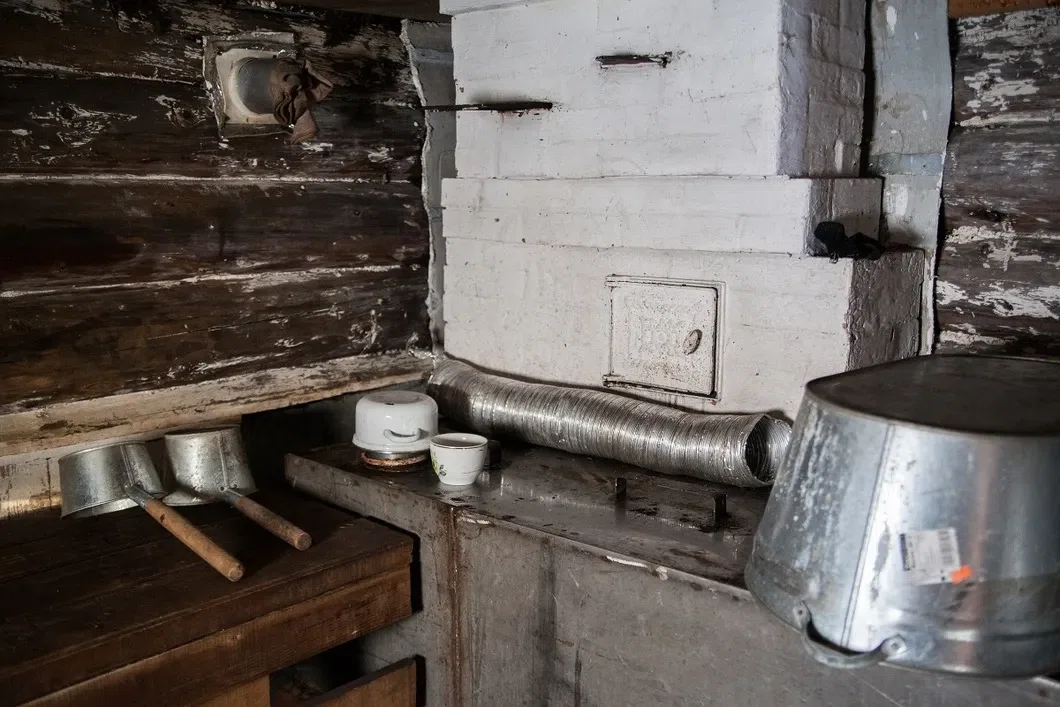
“When they bought a house, a fun life began,” the interlocutor laughs. - We had neither water nor toilet. Only electricity. We rolled the old bath, and before that we washed in a basin for six months, we dragged water from the column and warmed on the stove. They washed the linen in the basins, went to the river to rinse. Oh, how many linen on the river we have sailed. We surprised the people. And it was really easier for us to go to the river than so much water to train home. And then they drilled the well. Happiness! Water in the house is science fiction. They also made the sewer - the washing machine can be connected.
Here we learned that happiness is in simple things. All the benefits of civilization were appreciated in a new way.
Gornozavodskaya fashion
But then the family still moved to the apartment. Having complemented maternity capital, Olga bought for 700 thousand three -room rooms here, in Chusovo, in a two -story house, which have been preserved several of the village since Soviet times. In the courtyard of the house - an imitation of a border pillar, from which five village men who served in border worshipers gather on a professional holiday once a year.
The house is old, whitewashing in many places fell off, there is no castle on the door to the porch. Apartments in the entrance are not all locked up either. Mostly only at night.
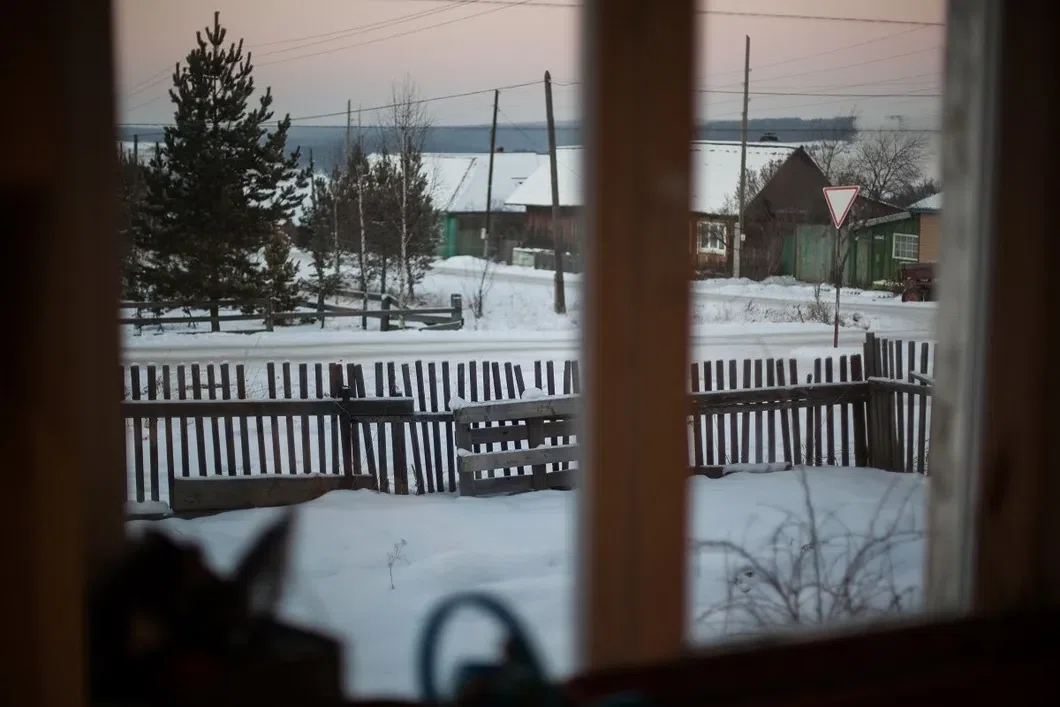
“Relations are formed with neighbors in every way,” the hostess admits. - When they lived in her house, the neighbor wrote a statement to the prosecutor’s office that I was a sectarian. Suspicion caused a love of folk songs and dislike of alcohol. But most of all she was outraged that I greet everyone and always smile. But how not to smile when there is such an incredible beauty around? You look around, and the joy of you is growing.
According to Olga, a special contingent lives in Chusovo - the descendants of the Old Believers. But the Old Believers were interesting people, they knew a lot, lived in faith. And the locals for the most part do not live by faith.
They have a rich past, and there is nothing to fill the current void - they drink.
Once in Chusovo, the Demidov plant was located ( Akinfiy Demidov launched the Shaitan iron plant in 1727.-I. D. ), so there was a factory man with his unique culture. He is no longer a peasant, but not a landowner. He knew how to do everything with his own hands, while he lived prosperously.
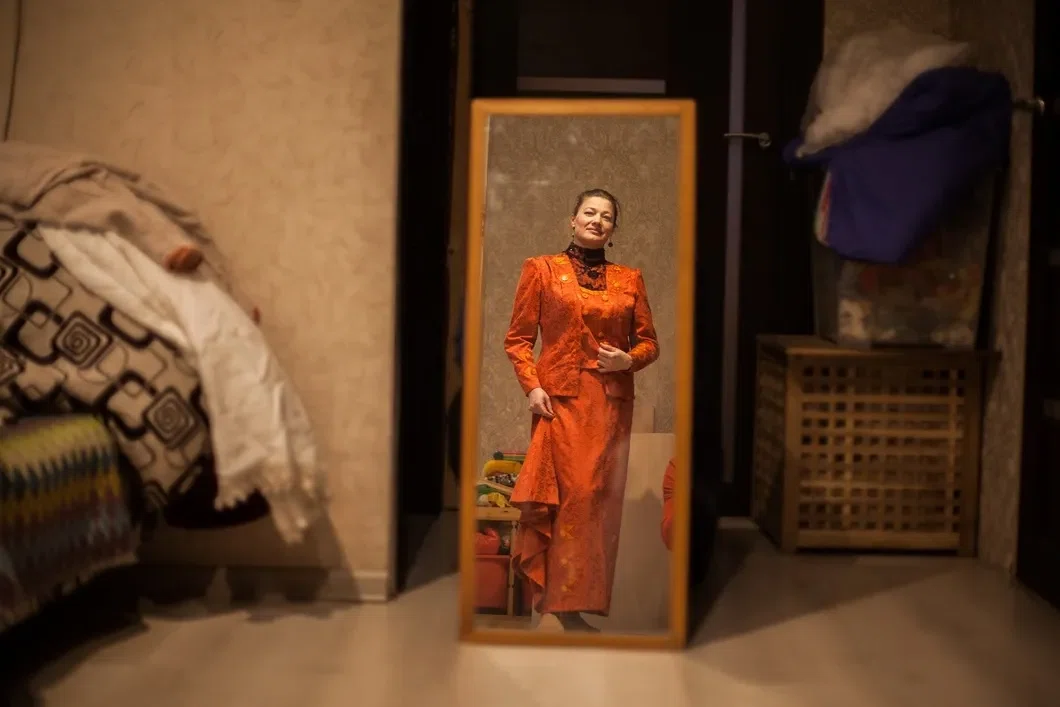
“We have a joint project with the editors of the Shalinsky Herald for mining costumes,” says the needlewoman. -The master-pryingman Irina Guselnikova helps to sew them, she led a sewing circle in the rural house of culture. We developed the project "Staroshaytan couturier." A few years ago, Bayanist Valery Semin came to us, saw our shirts and ordered himself the same. Then I saw him in her on TV when he performed in the Kremlin. Now three seamstresses are sewn, we embroider each product manually. Nastya, my daughter, also participates. People order our costumes and shirts, they like something real, individual. We take models from old paintings, costumes in local history museums of Shali, Chusova and old duck. This is a wonderful work, it brings joy.
Keeper of traditions
Olga admits that she made friends in the village with local grandmothers, and this friendship resulted in the creation of a folklore ensemble. I am ready to talk about each for a long time and enthusiastically. For example, Nadezhda Sarafanova is already in eighty, but she still masterfully plays a balalaika.
“Previously, there was the Chusovyanochka folk choir, 20-30 people sang in it, rattled throughout the region,” Olga recalls. - When I moved here, there were still ten people there, but they no longer sang traditional folk songs, but popular, such as Kadysheva, let’s say, pseudo -national songs. It was not interesting to me. But several women then came to me and said that we want to sing old songs, tired of this consumer goods.
Six women began to gather in the library at rehearsals. But in order to declare yourself at fairs or on stage, costumes were needed. They were checked, none of them could master the following amount: from 15 thousand and above. Somehow all this was drawn, and the dream of costumes continued to live.
“Let's look at tradition from the point of view of life,” our interlocutor says confidently. - I am a woman, first of all, I do not want to dress like my neighbor. And our dream has come true over time: now everyone has a hand -sewn suit in the style of mining fashion. Unfortunately, now my grandmothers are sitting at home due to pandemia. Occasionally we gather in my kitchen, sculpt dumplings and sing folk songs. Usually on such a day a neighbor calls shouts: "What are you driving there again?" Such a difficult path of preserving folk traditions, ”Olga laughs.
The birth of cheese
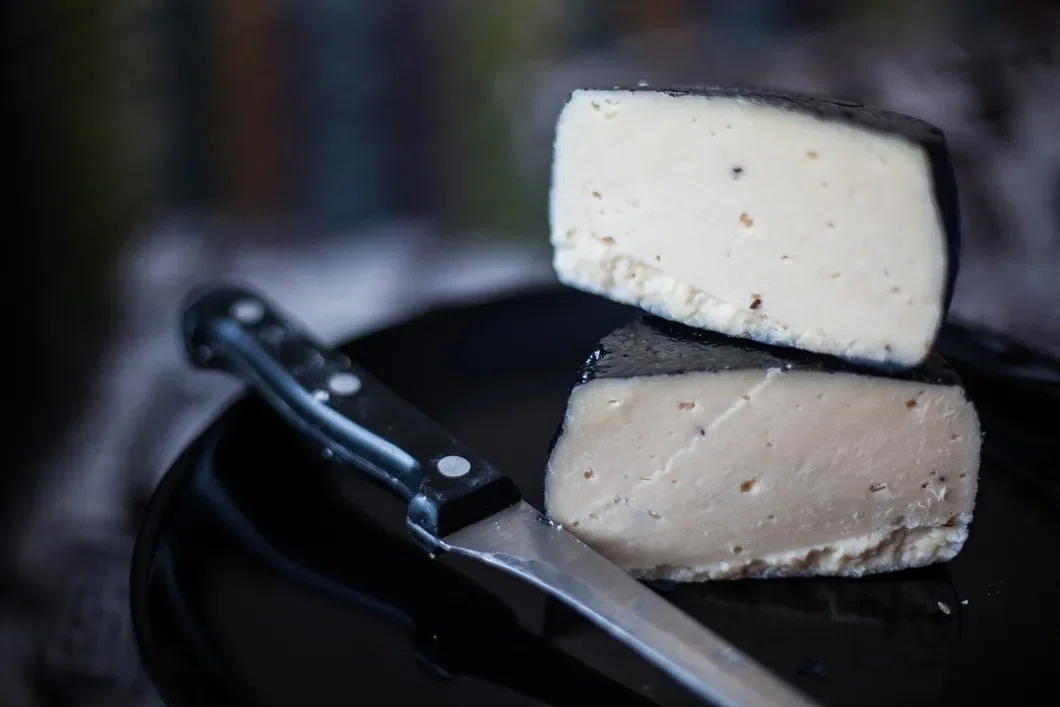
The cheerful Olga has recently been carried away by cheese. I wanted to go to Uglich, to the institute of cheese, but because of the pandemic is still studying remotely. Cheese cooks at home from farm milk.
“The birth of cheese is a miracle, a living organism is growing,” Olga shares the impression. - My son and I sometimes do not even breathe when we observe the process.
The family has not been buying store cheese since the mother traveled during her studies, she looked at the technologies for cooking cheeses in production. I heard there about the conversations that 90 percent of our manufacturers have equipment for adding vegetable fats, which significantly reduces the reduction in the process and increases the volume of the product at the output.
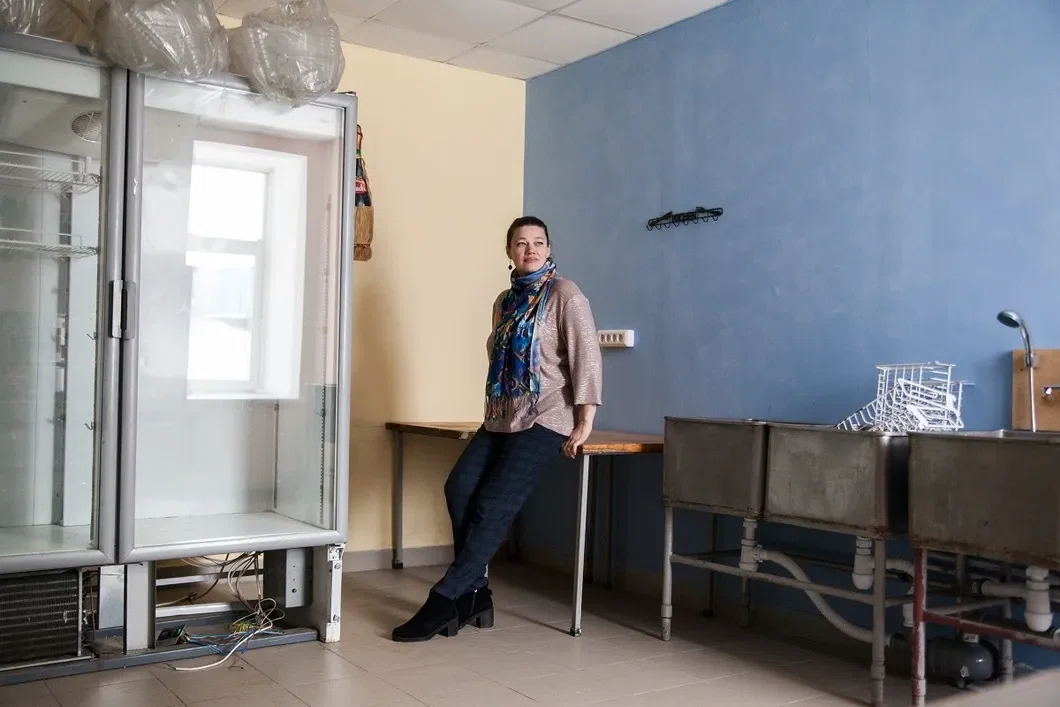
“In our case, European sanctions went for good,” she says. - Supply has been domesticated, in every fifth family, they probably make cheese with their own hands. I am sure that the cheese man will give the village new jobs. Now we are preparing a room and buying equipment. This is beneficial to the farmer. If you just give milk to the state, then this is 29 rubles per liter. It is easier to open a cheese man and cook cheese from high -quality fatty milk. If the farm increases income, then for cows you can improve the conditions.
The villagers
About seven hundred people are spelled out in Chusovo, but about half lives, the rest go here as to the country. When Olga and her children moved to the village, 55 people studied at a local school, now - 30.
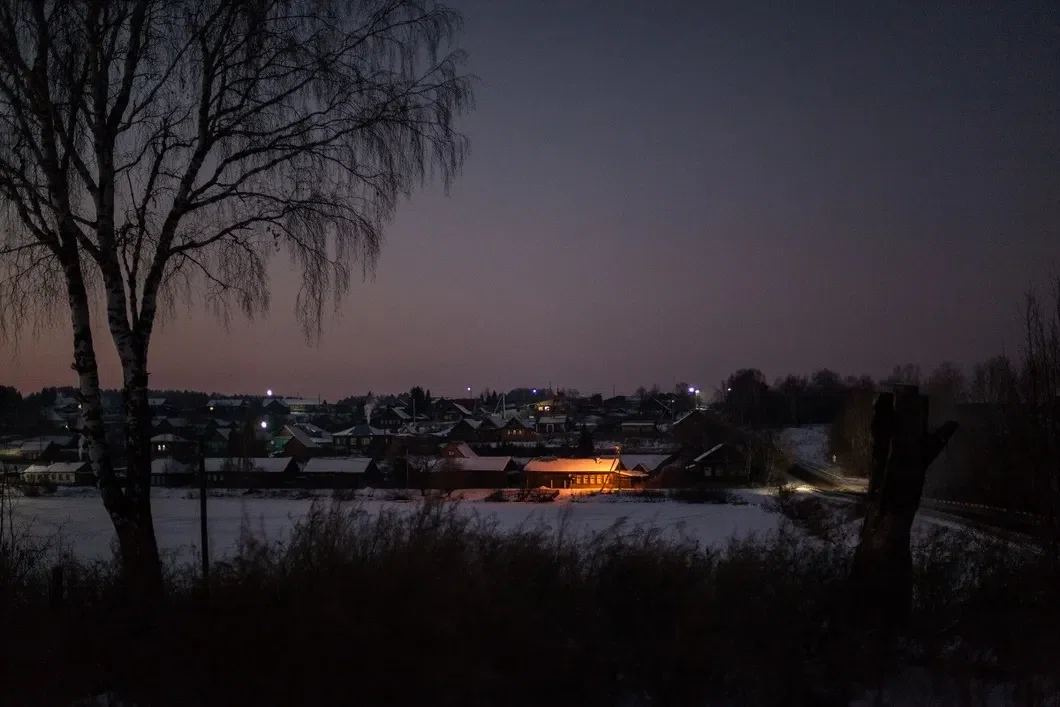
“The level of education is normal here,” says yesterday's city dweller. “But if someone disliked me, then this will definitely affect my child.” My eldest is now graduating from school in the city. There are 30 students in the class, but teachers answer every parent to all questions. And here I only hear: “There are seven people in the class! What should I break? "
Olga is sure that they and children will never become their own for the locals. Even in her ensemble, only one grandmother was born in Chusovo, the rest were visitors.
Natives are always worried that the "arrived" will take their jobs.
“At the same time, the locals do not want to do something for the development of the village,” the young woman is surprised. - They either treat me very well here or very bad. As a dangerous element. Firstly, when I moved here, people had two questions: why am I smiling all the time and where did I get the money from? They said that I escaped from the law. And there is no work in their understanding if I do not go anywhere from eight to five.
She recalls the story of her friend, in whom her husband dreamed of growing black Vietnamese pigs. He even bought them, but his wife simply shouted him: a black pig is an unusual animal for these places. He resisted a year, but in the end surrendered. Now he drinks like everyone else, and his wife is calm.
Olga admits that initially life in the village was not seen, but she is still glad that she decided to move. Mostrater mother thought that in the first year in Chusovo they would build their own house, always round. But her husband could not stand her too active, they divorced.
“I'm not a man, I can’t build anything,” Olga sighs. - I will wait until the sons grow up.