
Translated material
Investigation of "important stories" and "Medusa"
This Story is Also Available in English Geere
In May 2018, 35-year-old Natalia Goloborodko appealed to the Department for Control of Drugs of Drugs of the Internal Affairs Directorate in the Western Administrative District (CJSC) to "expose the salesman of prohibited substances." The police decided to conduct a “verification purchase”: Goloborodko offered to buy a substance from a dealer under the supervision of operatives. She agreed. The police found two witnesses, together they went to the house of the unemployed Nikolai Grigoryev - that same “salesman”. As soon as the deal took place, the investigators detained the seller. In the police department, Grigoryev seized money allegedly received from Goloborodko for the drug, and in his apartment, again in the presence of witnesses, they found MDMA, amphetamine and hash. Nikolai Grigoriev was accused of two episodes of drugs and one attempt on sales. At the preliminary investigation, he confessed everything.
But in court, Grigoryev did not plead guilty and explained that he had testified under the pressure of the police, and Goloborodko pronounced him. He said that he was familiar with her, but he did not sell amphetamine. The money that the police allegedly issued Goloborodko for the purchase of drugs, having previously rewritten the serial numbers of the bills, according to Grigoryev, the operatives threw him. Nicholas’s mother and sister said in court that "they did not assume that he was engaged in drugs." The only eyewitnesses of the crime were police officers, the witnesses and the purchaser Natalia Goloborodko. On August 1, 2019, the Kuntsevsky District Court found Nikolai Grigoriev guilty and appointed him 11 years in a maximum security colony.
Prior to the sentencing, Grigoriev was transported in a car carrier along with other under investigation. Among them, he recognized a dark -haired man - a witness who, during the same “verification purchase”, should have acted as an independent observer, control the actions of the police, and ensure that no one threw anything to the suspect. It turned out to be 38-year-old Mikhail Rakhmankin, at that time already twice convicted for the sale of drugs in large and significant size.
Grigoriev realized that he was a witness to his business. In the future, he sat with him in one investigative insulator and also expected the court.
As the investigation of “important stories” and “jellyfish” showed, the case of Grigoryev is a drop in the sea of falsifications of criminal cases on “narcotic” articles. We analyzed tens of thousands of sentences issued in Moscow, and found more than 140 “full -time” witnesses - familiar operatives, drug addicts or previously convicted people. Police officers used these people to fabricate criminal cases. Subsequently, despite the protests of the lawyers, the judges sent hundreds of defendants for these cases for jail for many years.
"I have to help plant innocent"
“When Grigoryev told me that he had met the understood in his case in the car, I began to punch all the names of the witnesses in the base of the Moscow City Court. And it turned out that the previously convicted Mikhail Rakhmankin himself is now under investigation for illegal sale of drugs on a large scale. Like the second understood. How can they be independent? " - says Grigoriev’s lawyer Andrei Tolstoy to reporters.
Mikhail Rakhmankin was not only convicted twice: a month before the detention of Grigoryev, he acted as a purchaser in another case. Now he is serving a sentence in the colony for the sale of drugs. According to Ekaterina Selivanova from the Fund for Protecting the Protection of Health and Social Justice named after Andrei Shkov, where the detained Mikhail Rakhmankin turned to the protection, the evidence of his guilt was the testimony of police officers and a drug buyer, detained the day before, as well as video from the metro camera. Rakhmankin and defense insisted that it was impossible to identify someone on the record, but in court one of the police officers said that he recognized Rakhmankin’s video, cheering the image with photocopy of his passport.
“I know that he turned to the Office of his own security [Moscow Central Internal Affairs Directorate], tried to cooperate with them, said that he had something to tell about the police department in the CJSC. He hoped that they would be able to somehow influence his business and would give him a shorter term. But this did not happen, he received 11 years, ”said Ekaterina Selivanova.
The second understood in the case - Dmitry Chuprin - also visited the buyer and understood in other cases in the "narcotic" articles, and after participating in the case of Grigoriev, he himself was detained by the same police officers. They found amphetamine in him in a hood: supposedly Chuprin himself “laid” him there “for the purpose of personal use”.
Another witness, Akop Khachatryan, at the trial, said that on the night when they detained Grigoryev, he was at a gas station in the Moscow region. There, police officers approached him and asked to go to the Simferopol highway to go with them in the forest belt along with the operatives and the suspect Grigoryev himself to look for “bookmarks” ( caches with drugs that merchants leave for customers . - Approx. Ed. ), Which he allegedly laid down for the purpose of marketing. Khachatryan did not refuse the police, although he actually went to a friend for his birthday. He told “important stories” that he agreed to become a witness “by virtue of education”, since “he studied at the Russian Academy of City Service” and for him “it was something akin to duty”. When asked if Khachatryan was already familiar with the police, he replied that he was not.
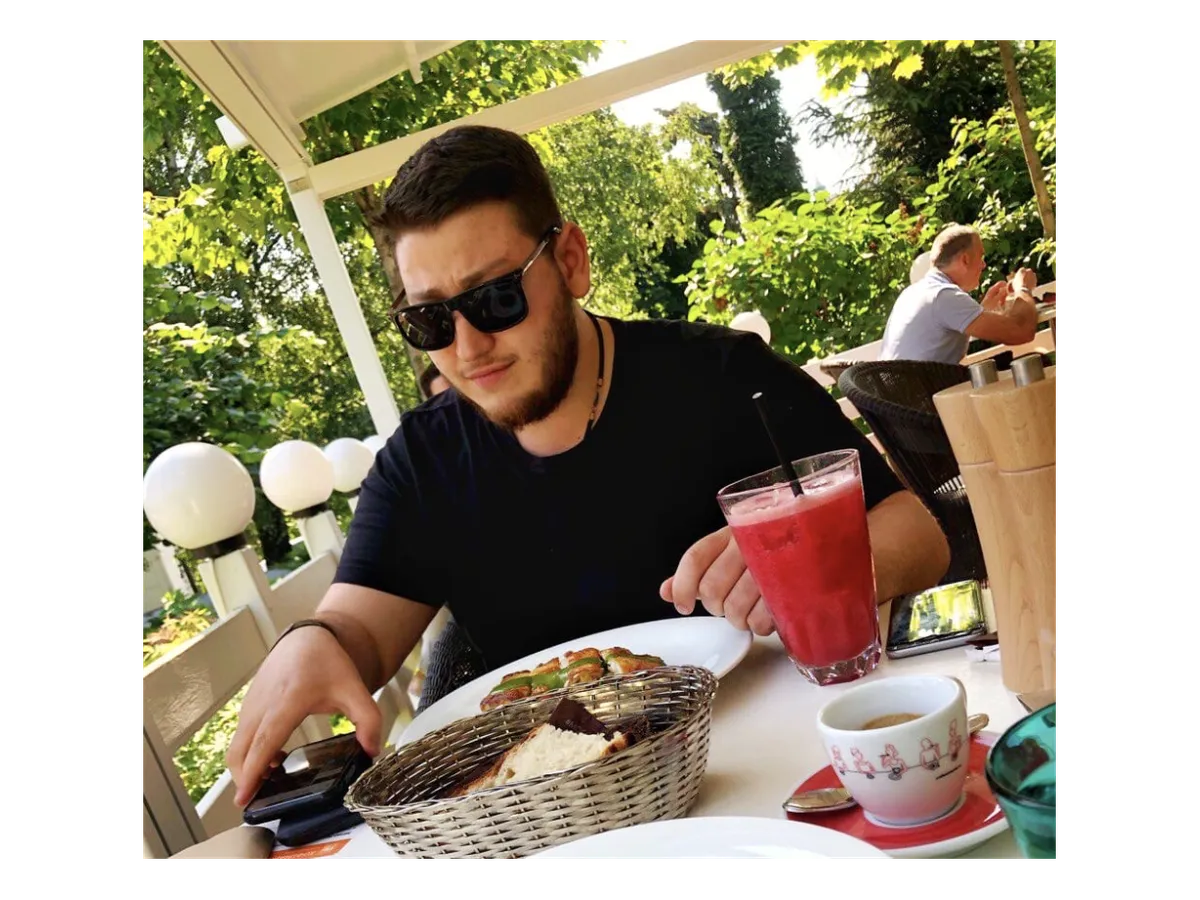
But, judging by the text of the sentence in another case, a week before the case at the gas station Khachatryan had already met with the same operatives. His testimony states that he passed by the ATC in a CJSC, where police officers turned to him and asked to stay with his witnesses during the search of the apartment and the personal search of the detainee. Khachatryan agreed. Six months later, he acted at least twice - the first and third of November 2018. The same operatives of the Internal Affairs Directorate of the Internal Affairs Directorate in CJSC worked on the matters with the participation of Khachatryan as a witness: Maxim Umetbaev, Yegor Farmanin, Denis Konovalov and Akbar Sergaliev. To the question of the journalists, how, after all, Khachatryan, working with the same police officers, could not know them, he did not answer.
The buyer from the case of Grigoryeva Natalia Goloborodko, whose voluntary statement supposedly all began, on the contrary, did not hide her acquaintance with police officers. According to the version, which she stated in a statement in the Moscow Military District’s Office, on May 19, 2018, at half past eight in the evening, Natalia was beaten near her house, and then two police officers dragged to the car, one of them was Yegor Pharmanin. In the car, they allowed her to make one call. Natalia called her friend - another operator, Maxim Umetbaeva. According to Goloborodko, he drove up to the place, talked with Farmanin for 10 minutes and took it to the Ministry of Internal Affairs in the Kuntsevo district. There they found amphetamine in her purse.
 Illustration: Natalia Yamshchikova
 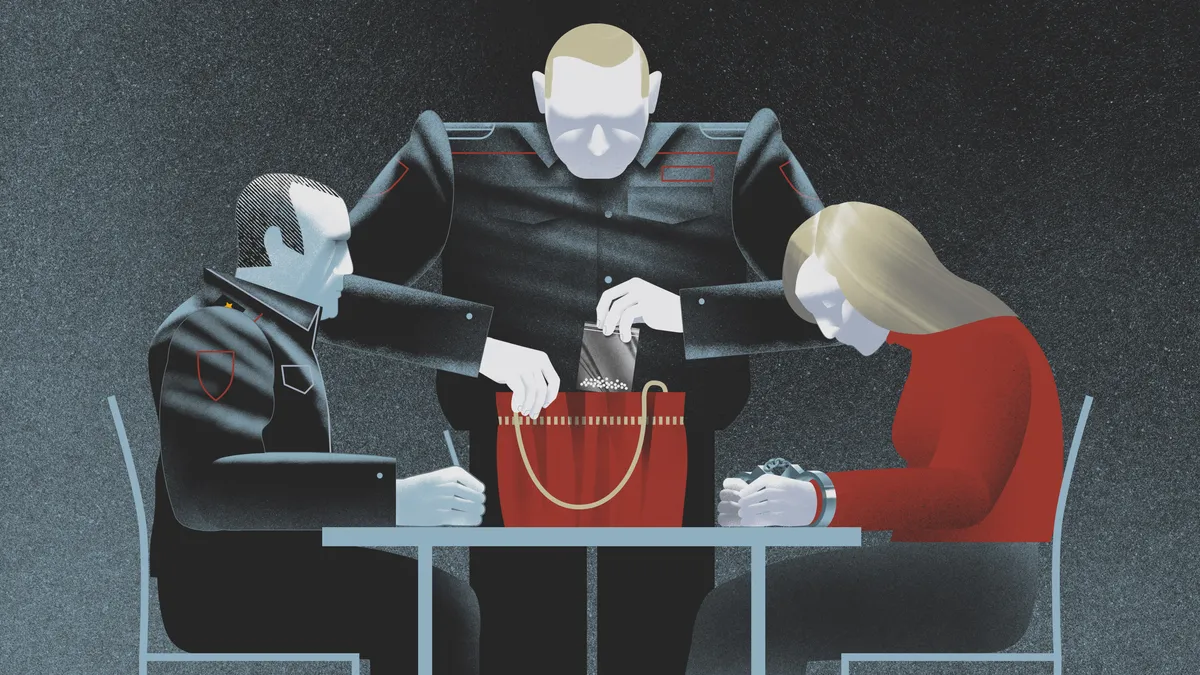 Illustration: Natalia Yamshchikova
“Employees of the criminal investigation department, taking advantage of the fact that the article and the threat of imprisonment hangs over me, began to incline me to provide them with assistance and collaborate with them. They told me directly that if I refuse, they would put me down, and if I agree, I will stay free. <...> I agreed. This was led by Umetbaev Maxim. He told me that I should testify against Nicholas Grigoryev, and also help in some other matter. I agreed, since I have a child, a minor son, ”said Goloborodko in a statement.
According to her, the police "fabricated all the materials against Grigoryev." “I understand that if I do not report on the criminal actions of employees of the Internal Affairs Directorate in CJSC, I will be forced to“ help ”to put the innocent in prisons,” said Goloborodko.
Already in the appeal, Grigoryev’s lawyer Andrei Tolstoy drawed the attention of the court that Goloborodko was a provocateur, and the witnesses Rakhmankin and Chuprin were informants of the operatives. “We were not even allowed to interrogate Rakhmankin in court. I suppose that he was more categorically configured and could say something wrong. The judge cynically declared to us in person: "Look for yourself where he is, and provide his turnout." I again climbed to the court’s website and saw that the same judge extended Rakhmankin the term of detention literally on the eve of our meeting. And now he offers us to look for it ourselves, ”says the lawyer.
Support those who are not afraid to tell the truth about the work of Russian courts and the police your donation will help us to write about violations of the law to support “important stories”The judge of the first instance Sergey Astakhov considered that "the opinion of the defense that the witnesses who were dependent on the police were involved in the personal inspection." And when the case of Grigoryev was considered in the court of appeal, the operative of Umetbaev and four more employees of the Internal Affairs Directorate in the CJSC were already removed from work-due to the prosecution In the falsification of the case of the journalist "Medusa" Ivan Golunov. As a result, Grigoryev’s appeal was acquitted by two episodes of three. Instead of 11 years, a maximum security colony that threatened him for the sale of drugs, Grigoryev was appointed six years and six months. Lawyer Andrei Tolstoy does not exclude that the court could revise the decision due to the loud case of Golunov.
"If I am exposing my understood, police officers will thank me"
On June 6, 2019, a year after the detention of Nikolai Grigoryev, employees of the Internal Affairs Directorate of CJSC Igor Lyakhovets and his former subordinates Maxim Umetbaev, Roman Feofanov, Denis Konovalov and Akbar Sergaliev detained Ivan Golunov journalist. In his backpack, and then drugs were thrown into the apartment. The witnesses who were present at operational-search measures (ORM) did not see any violations.
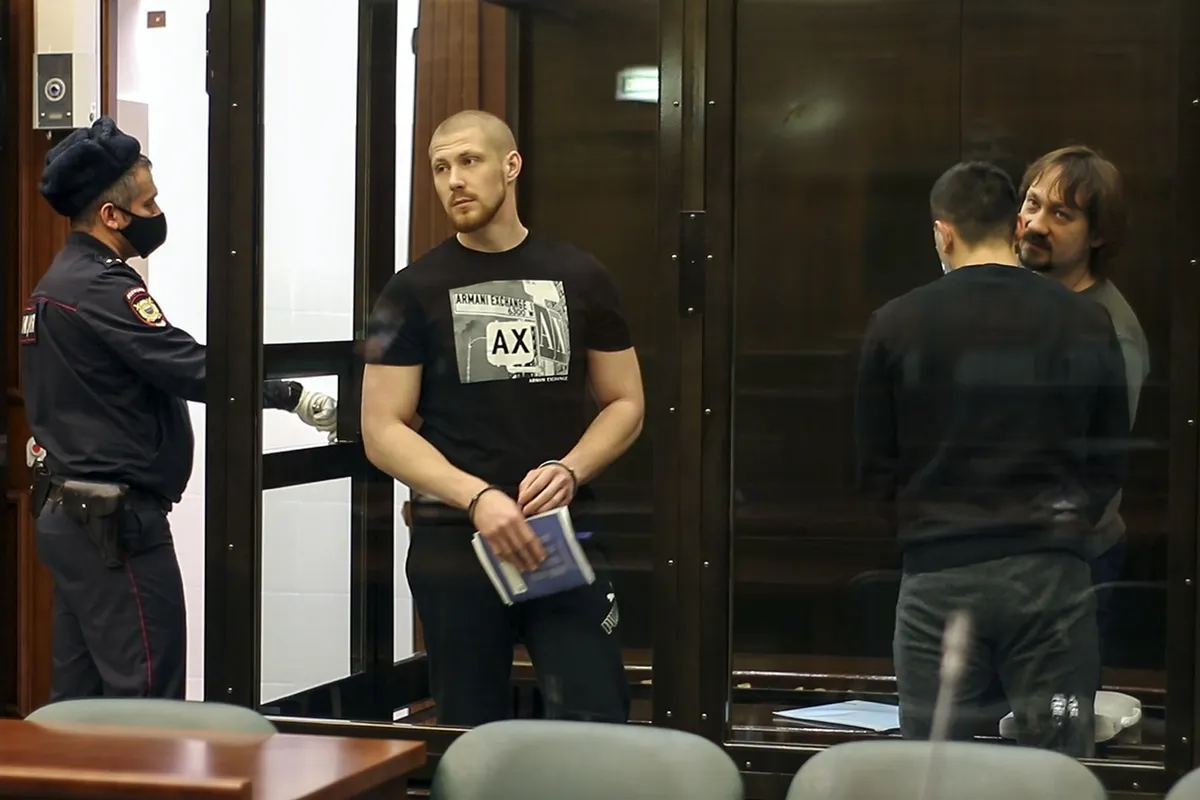
At the first interrogation of the witness, Sergei Kuznetsov, who watched the detention, said that he was “at the crime scene” by chance: he just came to take a walk in the center of Moscow. But in the following interrogations, Kuznetsov already gave other evidence. According to him, on June sixth, he was called an drug control officer Yegor Pharmanin, who used to work as a district police station at his place of residence, and asked him to be witnessed. “Yegor explained that if I am expected by understood and spend my time, police officers will“ thank me ”. The amount was definitely not specified. Further, for half an hour, one of the employees called me on my mobile, who said that I had to drive to the Metro station “Tsvetnoy Boulevard”, ”the protocol of the interrogation of Kuznetsov said. Already in court, Kuznetsov said that the police gave him “from one and a half to two thousand” rubles by taxi.
Sergey Kuznetsov is 25 years old. He grew up in a large family, works as a locksmith in Mosvodostok. According to him, he met the operative Farmanin five to six years ago. “I have a brother to whom an employee came from the commission on minors. In one of the visits, the employee was with Yegor [Pharmanin]. He came to check our family, since my brother and I were registered. Egor then worked in the Maryino police department. After that, Yegor called me several times and asked me to participate in the understood by other employees. There were times when police officers at their own expense called me a taxi. ”
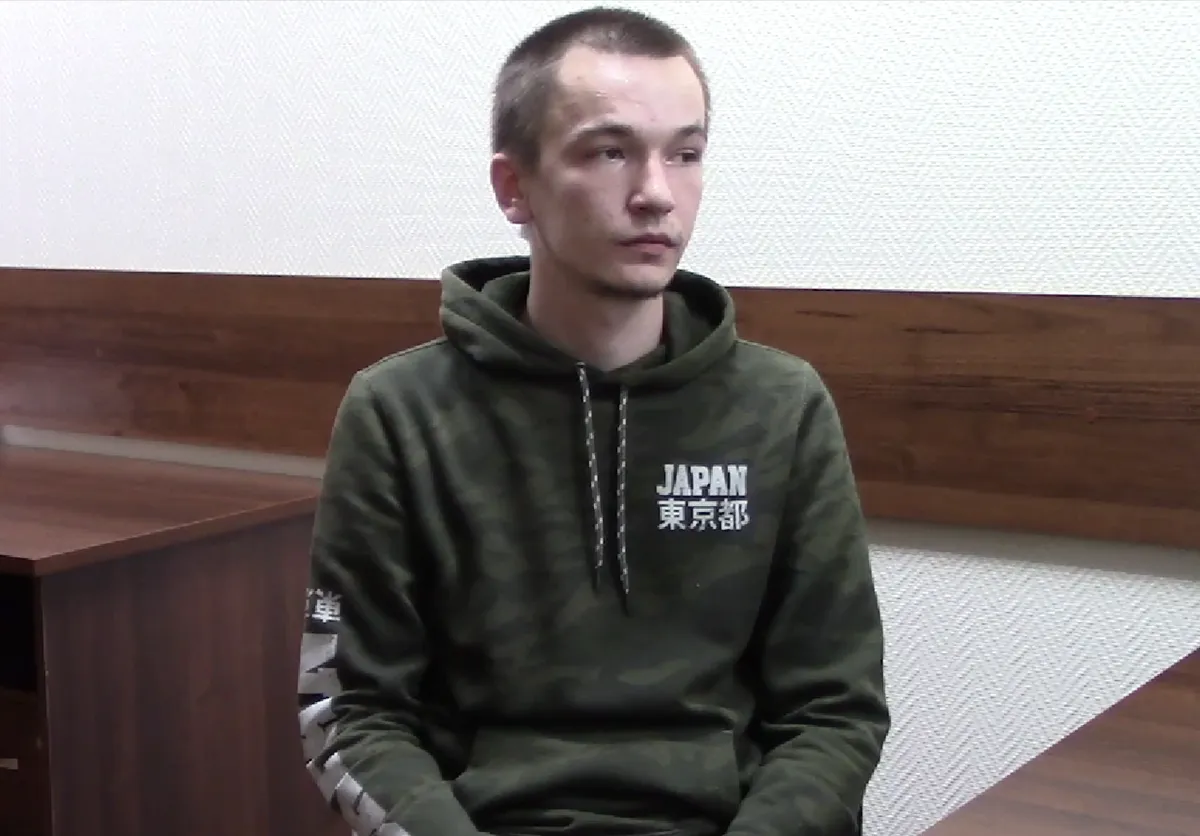
The operative Maxim Umetbaev subsequently also admitted during interrogation that Kuznetsov knew before. According to him, Kuznetsov took part in the affairs that Umetbaev and his colleagues engaged in.
Due to the detention of Ivan Golunov, a large-scale public campaign began: people went out with pickets to the building of the Ministry of Internal Affairs on Petrovka, journalists and activists demanded his liberation. The reporters of the Rain TV channel came home to the witness Kuznetsov, they asked if he was familiar with the operatives through the door. In response, he threatened to call the police outfit.
According to the case materials, after the visit of journalists, Sergei Kuznetsov tried to call the operative Farmanin four times. And immediately after that, for some reason, he was called up by the AKOP Khachatryan-the same one understood from the Grigoryev case, who answered the journalists with “important stories”, which was understood only from a sense of duty and not familiar with the police. When asked why he called Kuznetsov, Khachatryan said that “this is some kind of misunderstanding”, and asked him not to disturb him anymore. In applications that show how the phone number is recorded in other people, the Akop Khachatryan phone is indicated as “ACCOP GNA” ( probably the Main Delce Control Department at the Ministry of Internal Affairs . - Approx. Ed. ), “Black Armenian Kemerovo” and “Akop Opera”.
On June 11, 2019, five days after the arrest, Ivan Golunov was released. The head of the Ministry of Internal Affairs Vladimir Kolokoltsev said that the case against him was terminated. And already on June 20, when, during the annual direct line, Vladimir Putin asked the question of the case of a journalist, the president replied : “It is necessary to establish control over the activities of law enforcement agencies so that there are no offenses on their part. So that for the sake of reporting and for the sake of “gams” people do not put in prison. So that there are no such cases as with the journalist you mentioned. ”
It turns out that the only witnesses in the case of Ivan Golunov, as in the case of Nikolai Grigoryev, were operatives and dependent witnesses. Golunov discovered that the use of the so -called “full -time” witnesses is a common practice for the ATC in the CJSC.
Our investigation proves that the scale of this problem is not limited to one Department of Internal Affairs. The police do not care about the president’s direct decrees in almost every district of Moscow: they everywhere use those who are on them depending on people or simply familiar as witnesses.
How we were looking for "full -time" witnesses
In order to find suspicious witnesses, it was necessary to find their names in the texts of sentences or decisions, and then see if they are found in other matters. Most of the texts of sentences, rulings and decisions Moscow courts post in general access on the website of the Moscow City Court. Journalists of “important stories” unloaded 56,860 documents from there for all the time of the so -called narcotic articles of the Criminal Code: 228, 228.1, 228.2, 228.3, 228.4, 229, 229.1, 230, 231, 232, 233, 234.
The texts of sentences and decisions are usually given by witnesses, purchasers and police officers. Or at least the names of people and their role are called - if the matter was not considered in a special order ( if the defendant fully pleads guilty, he may submit an application for the consideration of the case in a special manner, that is, without studying evidence in court. - Approx. Ed. ). Also, in most cases, secretaries replace the names in the text on the name, FULL NAME1, FULL NAME2, etc. But not always.
142 “full -time” witnesses were discovered by journalists in the sentences of Moscow courts (sentences were issued according to “narcotic” articles)In those cases where the names are preserved, we removed them from the texts using programming and found the names and surnames that are found in documents on various matters. In our workshop, we told how to extract names from the texts using Python. Such cases suggest that a person somehow participated in different processes - it was possible to understand in what role. Open lists of judges, secretaries, lawyers, prosecutors and their assistants helped us immediately exclude them from the sample. The remaining names journalists of “important stories” and “Medus” were studied manually for three months: they read documents, wrote out dates, areas, circumstances, courts, police departments and their employees, investigators, prosecutors, lawyers and judges. And then they searched for these witnesses and studied their connections with police officers.
We managed to find 142 people who were attracted by the police as supposedly independent witnesses. In fact, these people were understood and purchasers several times, could be convicted of the same “narcotic” articles, be under investigation or suffer from drug addiction.
So that such witnesses are no longer involved in police officers to operational-search measures, in addition to this text we publish a complete list of all suspicious witnesses we found.
"Do you think how many times a minute are you breathing?"
The record number of “full -time” witnesses - 18 people - were connected with the Department of Internal Affairs in CJSC whose employees detained journalist Ivan Golunov, and before that, Nikolai Grigoryev. Immediately after the Golunov case, President Vladimir Putin removed the head of the Internal Affairs Directorate Andrei Puchkov, and five of his former subordinates are now being judged for exceeding official powers, a fabrication of evidence in the criminal case and illegal storage of drugs.
In second place-the Internal Affairs Directorate in the Eastern Administrative District (VAO): there 13 witnesses more than once took part in the operational-search events of the same employees or were convicted. Если разбираться, как и в каких делах привлекались эти понятые, окажется, что почти все они, как актерская труппа, по очереди работали на следственных мероприятиях вместе с сотрудниками УВД по ВАО. Например, Олег Кокорев, судя по текстам приговоров и апелляционных постановлений, четырежды был понятым, дважды — закупщиком и один раз был условно осужден на три года за приобретение и хранение наркотиков в крупном размере.
Кокорев минимум трижды пересекался с другими «штатными» понятыми в разных делах, которые вело УВД по ВАО. В одном деле — с Павлом Ильиным, который незадолго до этого сам получил год условно за незаконное приобретение и хранение наркотиков в значительном размере. В другом — сразу с двумя понятыми: Викторией Молокановой и Алексеем Хреновым. Последнего можно увидеть среди понятых в деле-рекордсмене: в нем мы обнаружили сразу четверых понятых, которым было уже не впервой принимать участие в оперативно-розыскных мероприятиях или они сами были осуждены по «наркотическим» статьям. Двое понятых из этого дела пересекались друг с другом еще как минимум в одном случае. Получается, что по меньшей мере семеро понятых оказались связаны друг с другом по четырем делам, которыми занимались одни и те же сотрудники полиции. Оперативник УВД по ВАО Евгений Матицын был задействован в трех из четырех этих дел, Алексей Мазин и Виталий Беликин — в двух. «Важным историям» не удалось с ними связаться.
Обвиняемые по этим четырем делам вскоре были осуждены московскими судьями на 8–12 лет лишения свободы.
До того как обязанность расследовать наркотические дела была передана УВД, этим занимались специальные службы по округам при московском Управлении ФСКН ( Федеральная служба Российской Федерации по контролю за оборотом наркотиков. Ведомство было расформировано в 2016 году, вместо него сейчас — Главное управление по контролю за оборотом наркотиков Министерства внутренних дел РФ. — Прим. ред. ). В Службе по ВАО УФСКН мы насчитали пятерых «штатных» понятых. Например, всё тот же Олег Кокорев участвовал в делах, которые расследовала и эта служба. Остальные четверо также пересекались друг с другом на разных делах.
Почти все понятые отказались говорить с журналистами. Узнав, о чем готовится материал, они, как правило, больше не отвечали. Некоторые коротко объясняли, что им «больше не хочется влезать в это». Но Илья Орел, который не меньше шести раз был понятым по просьбе сотрудников Службы по ВАО УФСКН и УВД по ВАО, все же согласился поговорить с журналистами.
В отличие от многих других понятых, у Ильи никогда не было судимости. Ему 30 лет, судя по его профилю во «ВКонтакте», он окончил Московский политехнический университет и работал там техником в протокольном отделе, состоял в молодежном политическом движении «Наши», созданном Администрацией президента России.
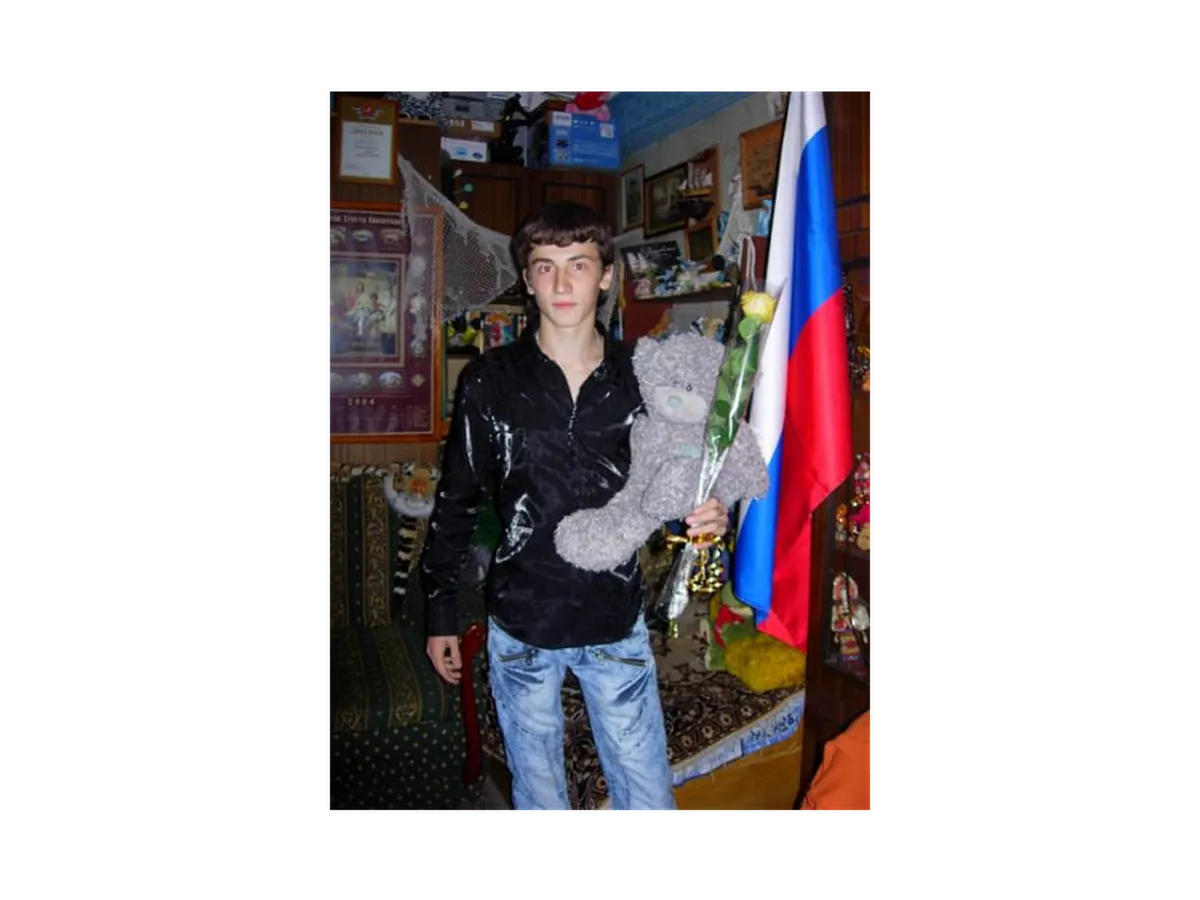
В двух делах, к которым привлекали Илью Орла, полностью совпал состав оперативников, прокурор и судья. Еще два дела с его участием, которые вели одни и те же оперативники, Перовский районный суд рассмотрел в один день. По словам самого Орла, понятым он был даже больше шести раз — и не только в «наркотических» делах, а еще, например, когда «задерживали человека в состоянии алкогольного опьянения»:
— Сколько раз вы были понятым?
— Я не считаю точно. А вы считаете, сколько раз вы в минуту дышите?
— Нет, но это не совсем одно и то же.
— В смысле не одно и то же? Какие-то жизненные дела, которые тебя ежедневно окутывают, — большая часть людей не считает их.
— То есть вы ежедневно выступаете понятым?
— Не то что ежедневно. Я не считаю эту цифру, не запариваюсь по этому поводу.
Также в разговоре с «Важными историями» Орел утверждал, что каждая встреча с сотрудниками полиции происходила случайно:
— Ну это разумно, когда ты живешь или у тебя какие-то дела рядом с отделением полиции.
— То есть вы просто живете рядом с отделением полиции и так получается?
— В каких-то моментах — да, в каких-то — по делам ездил. Я живу, учусь, работаю — у меня постоянно рядом отделение полиции.
По словам Ильи Орла, ни с кем из оперативников он лично не знаком. Для него «сотрудник полиции — это просто сотрудник полиции».
Если судить только по судебным документам, то еще чаще Орла в роли понятого в Москве и области выступал Якоб Черный. Семь раз он участвовал в ОРМ сотрудников УВД по Северо-Западному административному округу (СЗАО), Службы по СЗАО Управления ФСКН и Службы по СЗАО и городу Зеленограду Управления ФСКН. Всего у этих ведомств по СЗАО мы обнаружили 22 «штатных» понятых.
Подписывайтесь на рассылку «Важных историй»Узнайте первыми о наших расследованияхВ четырех случаях Якоб Черный «работал» в паре с понятым Алексеем Сухопаровым. Они вместе участвовали в одних и тех же оперативно-розыскных мероприятиях.
В 2016 году на одном из судебных заседаний по «наркотическому» делу Черный прямо говорил Бутырскому районному суду, что не раз был понятым, на это обращала внимание и защита. Но тогда судья посчитал, что «участие указанного свидетеля в качестве понятого при проведении других процессуальных действий с участием сотрудников ФСКН не может свидетельствовать о том, что он дал показания, не соответствующие фактическим обстоятельствам, а также о том, что является заинтересованным в итоге разрешения дела лицом». Подсудимого признали виновным и назначили ему 11 лет колонии.
Через год дело было возвращено кассацией в первую инстанцию и рассматривалось заново уже другим судьей. В этот раз в показаниях Черного говорилось , что «ранее сотрудники полиции Гайдуков В. В. и Горчаков Ф. Н. ему знакомы не были». Хотя, как следует из текстов приговоров, на тот момент он минимум трижды был понятым по их просьбе. Один из полицейских, Горчаков Ф. Н., даже давал показания о том, что «при досмотре закупщика участвовал знакомый ему понятой Черный Я. А., который проявляет разумную инициативу и оказывает безвозмездную помощь в изобличении лиц, сбывающих наркотики. Ранее Черный Я. А. участвовал в 2–3 подобных закупках». Эти противоречия в показаниях оперативника и понятого не смутили судью. Подсудимого все же приговорили к 10 годам и 9 месяцам лишения свободы. Через год Черный снова давал показания в роли понятого — уже по другому делу, но на заседании у того же судьи.
На момент публикации пресс-служба ГУ МВД России не ответила на запрос журналистов.
«И это всё слышит судья»
Как правило, адвокаты обращают внимание суда на подозрительных понятых. Это пытался сделать и адвокат Николая Григорьева Андрей Толстых: «Судья своим молчанием позволяет в следующий раз принести дело еще хуже. Я говорил на суде, что вопрос времени, когда это выльется в огромную проблему».
Не молчали и адвокаты в деле-рекордсмене по количеству «штатных» понятых, которым занимались сотрудники из УВД по ВАО. По этому делу в 2016 году пятеро обвиняемых в незаконном сбыте психотропных веществ организованной группой получили от 10 до 12 лет колонии каждый. При этом как минимум четверо свидетелей по делу уже привлекались сотрудниками УВД по ВАО в качестве понятых или были судимы по «наркотическим» статьям. Закупщик тоже был ранее судим и несколько раз сотрудничал с полицейскими на «проверочных закупках». Еще один понятой во время судебного заседания рассказал, что ничего не помнит, потому что был под влиянием наркотиков.
Все адвокаты пытались обратить на это внимание, рассказывает Виталий Сыч, защитник одного из подсудимых, Манучара Атаяна, который, по версии следствия, был организатором преступной группы.
Адвокат и бывший следователь ВиталийOwl
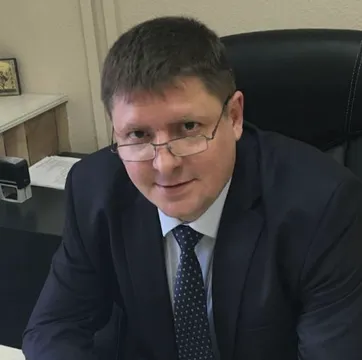 «В моей практике такие ситуации иногда доходили до абсурда. Человека спрашивали: „Ну как вы могли на этом осмотре присутствовать, если 10 минут назад вы в другом конце Москвы присутствовали на другом осмотре?“. И это всё слышит судья. Но кроме того, что это все озвучивается, ничего больше не происходит. Суд принимает таких свидетелей».
«Мы сообщали, что свидетели знакомы со следователем, что они могут зависеть от следователя по другим делам. Говорили судье, что понятые были уже у него на заседаниях по другим делам, — вспоминает Сыч. — Как правило, суд отвечал, что это не имеет отношения к делу. В моей практике такие ситуации иногда доходили до абсурда. Человека спрашивали: „Ну как вы могли на этом осмотре присутствовать, если 10 минут назад вы в другом конце Москвы присутствовали на другом осмотре?“. И это всё слышит судья. Но кроме того, что это все озвучивается, ничего больше не происходит. Суд принимает таких свидетелей».
Как правило, всякий раз, когда адвокаты указывают на то, что понятые находились в состоянии наркотического опьянения, работали по указанию оперативников или были задержаны ими накануне, судья объявляет, что мнение защиты ничем не подтверждено и поводов сомневаться в показаниях свидетелей нет. При этом сами судьи действительно нередко встречают одних и тех же понятых на своих заседаниях.
Даже в том небольшом объеме судебных документов, где в тексте сохранились фамилии понятых и закупщиков, мы обнаружили минимум 38 случаев, когда судьи видели понятых не впервые, но никак на это не реагировали.
Чаще всего (по данным судебных приговоров, не меньше 11 раз) принимал показания «штатных» понятых и выносил после этого обвинительный приговор судья Нагатинского районного суда Антон Филатов. Так, понятого Черкасова А. О. судья Филатов видел на заседании минимум трижды. В двух случаях Черкасов был понятым у одних и тех же оперативников ОМВД России по району Царицыно. В текстах приговоров была одна и та же формулировка: «вина подсудимого подтверждается <...> показаниями свидетеля Черкасова А. О., который о своем участии в качестве понятого <...>, дал показания аналогичные показаниям свидетеля [имя оперативного сотрудника]».
В этих же двух делах вместе с Черкасовым участвовала еще одна понятая — Дегтерева Е. С. В одном случае она, как и Черкасов, дала «показания аналогичные показаниям [имя оперативного сотрудника]».
В Симоновском районном суде сразу несколько судей могли видеть на своих заседаниях по разным делам одного и того же свидетеля: Алексей Гумбатов фигурировал по меньшей мере в шести «наркотических» делах в роли закупщика или понятого. Минимум по два раза его видели судьи Светлана Туманина и Наталия Репникова. Последняя известна в связи с решением заменить политику Алексею Навальному условный срок на реальный по «делу „Ив Роше“».
Уже в апелляции по одному из дел с участием Гумбатова защита в своем заявлении указывала, что не только Гумбатов, но и второй понятой, «неоднократно принимавшие участие в проводимых сотрудниками полиции оперативно-розыскных мероприятиях, незаконно участвовали в следственных действиях в качестве понятых». Суд решил, что достоверность показаний этих понятых и сотрудников полиции не вызывают сомнений, поскольку они «согласуются между собой».
Симоновский районный суд не ответил на запрос «Важных историй». В Нагатинском районном суде нам ответили, что «оценка сообщенным свидетелем сведениям дается судом в совокупности со всеми доказательствами по уголовному делу с учетом правил оценки доказательств, установленных УПК РФ».
 Иллюстрация: Наталья Ямщикова
«У тебя что, на районе наркоманы закончились?»
«Штатных» понятых в наркотических делах привлекают не только московские оперативники — это можно назвать общероссийской практикой. Например, в Самаре шестеро сотрудников полиции в течение двух лет массово фальсифицировали уголовные дела. В этом им помогали по меньшей мере 15 понятых, большинство из них — осужденные по тем же «наркотическим» статьям. Чтобы не получить еще один срок, они по просьбе сотрудников полиции подписывали любые протоколы.
Сейчас этих понятых судят вместе с оперативниками: их обвиняют в фальсификации уголовных дел, а полицейских — еще и в превышении должностных полномочий. Официально по этому делу пока что 17 потерпевших. Но, по словам адвоката правозащитной организации «Общественный вердикт» Дмитрия Егошина, на самом деле жертв может быть около сотни. Большинство потерпевших всё еще отбывает сроки в колониях, несколько человек уже умерли.
«Полицейские приглашали наркозависимых, которых они уже знали. Распределяли роли: ты будешь понятым, ты — тоже понятым, а ты будешь закупщиком. Потом задерживали гражданина, оформляли документы, везли на допрос. А дальше материалы поступали к следователю. И всё — дело сшито, — рассказывает Егошин. — Понятые говорили, что неоднократно задерживались этими сотрудниками полиции или жили на их участке. Они рассказывали на допросах: „Я человек зависимый от этого полицейского. Я боялся, что если я буду отказывать, то и в отношении меня будет дело“».
Многие адвокаты убеждены, что институт понятых в России — большая проблема. Его нужно менять, как и всю систему доказательств в делах с наркотиками.
«Дела же на коленке фабрикуются: допрос, экспертиза — и человек сел. Хотелось бы верить в то, что „[самарское] дело“ поможет как-то повлиять на этот вопрос», — надеется адвокат Дмитрий Егошин.
«Понятые требуются практически на каждом оперативном мероприятии, а найти их тоже не так легко, — говорит адвокат и бывший следователь Виталий Сыч. — И если честный сотрудник через месяц не предоставит ни одного раскрытого дела, то к нему придет начальник и напомнит про план: „У тебя что, на районе наркоманы закончились? У тебя он самый показательный, что ли, дружок? Ты сажай в УАЗик двух понятых, и пусть с тобой катаются. И ищи!“ Поэтому случаи превышения должностных полномочий тут сплошь и рядом. Оперативники, которые занимаются вопросом незаконного оборота наркотиков, задействуют своих понятых: тех, кто ранее задерживался, например. Как правило, привлекают наркозависимых людей, которые за малую дозу готовы рассказать, что везде были, всё видели. Как говорится: „Кто свидетель? Я свидетель!“».
С понятыми, которые находятся без труда и готовы подтвердить всё что угодно, сотрудникам полиции очень просто фальсифицировать уголовные дела, связанные с наркотиками, — это подтверждают многие адвокаты. Не в последнюю очередь благодаря покладистым «штатным» свидетелям «наркотические» статьи и становятся «народными»: по данным судебного департамента при Верховном суде России, за последние пять лет по ним были осуждены почти полмиллиона человек.
Мы рассказали только о том, как институт «штатных» понятых устроен в Москве. Но эта схема применяется по всей стране. Если вы журналист или активист и хотите найти «штатных» понятых в вашем регионе, пишите нам:
alesya.marohovskaya@istories.media (Алеся Мароховская)
ivan.golunov@meduza.io (Иван Голунов)
Редакторы: Александра Зеркалева, Роман Анин