
Translated material
Symbol of Spanish protest
As a condemned for insulting the royal family, Rapper Pablo Asel prompted thousands of people to take to the streets
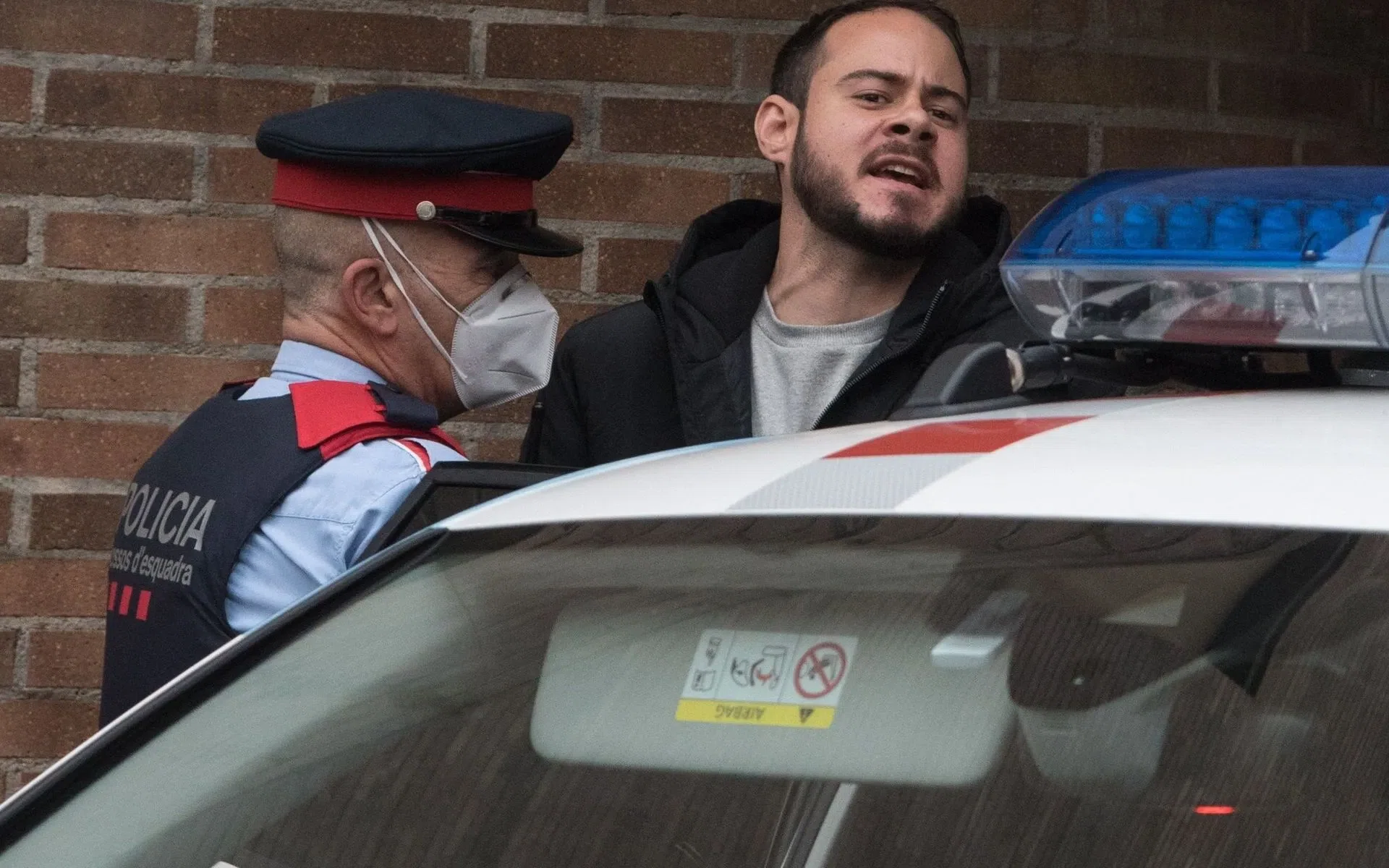
For several days in different cities of Spain, mass protests have been held with the requirements to free the Catalan rapper Pablo Asel, convicted of glorification of terrorism and insulting the royal family. Thousands of people protest on the streets throughout the country, some of them build barricades and set fire to garbage containers, the police reported on dozens of detainees. What prompted thousands of Spaniards to take the streets, and the outstanding figures of the country to speak out against the arrest of the rapper? I found out the "new".
The real name of the 32-year-old artist is Pablo Rivadulya Duro. He began to perform in 2005 and immediately became known for his radical texts. Already in 2014, he was condemned for two years to glorify terrorism in his musical works. However, then he was not sent to prison, since this was his first sentence and he was condemned conditionally.
Later, in 2017, the prosecutor's office again demanded to punish Asel for the glorification of terrorism and appoint him five years in prison. A year later, the rapper was sentenced to two years and nine months in prison and a fine of 30 thousand euros, and after consideration of the appeal, the court softened the verdict until nine months of imprisonment. Asel, after the publication, was convicted of more than 60 messages on Twitter and one song on Yetube, which also mentioned the monarch Juan Carlos I, who renounced the throne in 2014 in favor of his son. In addition, as the prosecution then claimed, Asel was insultingly expressed against the security forces. The criminal legislation of Spain provides for punishment in the form of a fine and imprisonment for insulting the crown and glorifying terrorism.
The execution of the verdict did not enter into force immediately - aslya, to begin with, it was necessary to present a court order. After the implementation of all legal procedures, the rapper was obliged to voluntarily surrender on February 12, 2021.
However, he did not. Asel considered that in his case the right to freedom of speech was violated. On February 16, he and his supporters - about 50 students - were barricaded at the University of the city of Leyid. In support of the rapper, many famous cultural figures spoke. In particular,
Among those who said the words of support, the holder of the Oscar Award actor Javier Bardem, singer Juan Manuel Serrat, film director Pedro Almodovar, screenwriter Fernando Trueba and others.
They and more than 200 other outstanding Spanish figures signed a petition in support of Asel, where they stated that the current Law of Spain poses a threat to all public figures, "who dare to openly criticize the actions of state institutions." Amnesty International said on Twitter that Asel's arrest was the terrible news for freedom of speech in Spain.
However, this did not save from the arrest of Asel - the police stormed the university where he was hiding, and arrested the Catalan rapper.
Mass protests broke out throughout Spain
After that, thousands of people took to Spanish streets, opposing the detention of Asel. On February 16, clashes occurred with the police in Barcelona, Valencia, Palma de Malorca, Girona and other cities of Spain. During the protest shares, 18 people were arrested that day, 55 people were injured, including 25 police officers. As the Spanish edition of La Vanguardia reported , the demonstrators built barricades in Barcelona, set fire to garbage containers and motorcycles and threw various objects into the security forces.
The protesters chanted: “Freedom Pablo Asel” and “Death to the Spanish regime”, several stores and the premises of one bank were defeated. In response, the police began to shoot at protesters of foam bullets.
The Spanish protests did not end there. On the night of February 18, numerous actions were also held in Spain against the arrest of the rapper - 19 people were detained in Madrid, more than 50 detainees in Spain.
In Barcelona, several hundred protesters went to the central square of the city, some of them burned garbage containers and threw stones at the security forces. In Girona, the protesters threw glass bottles and pyrotechnics towards the government representation. In Madrid, nine people were injured during protests. Eight more were injured in Barcelona and Leite. Barcelona authorities estimated the damage from protests in the city at 70 thousand euros.
Promises of the authorities: amending Spanish legislation
The Government of Spain, even before the arrest of Pablo Asel - February 8, spoke about the initiative, which provides for the possibility of amending the Criminal Code of the country.
The authorities proposed that for crimes related to freedom of speech, there is no punishment in the form of imprisonment.
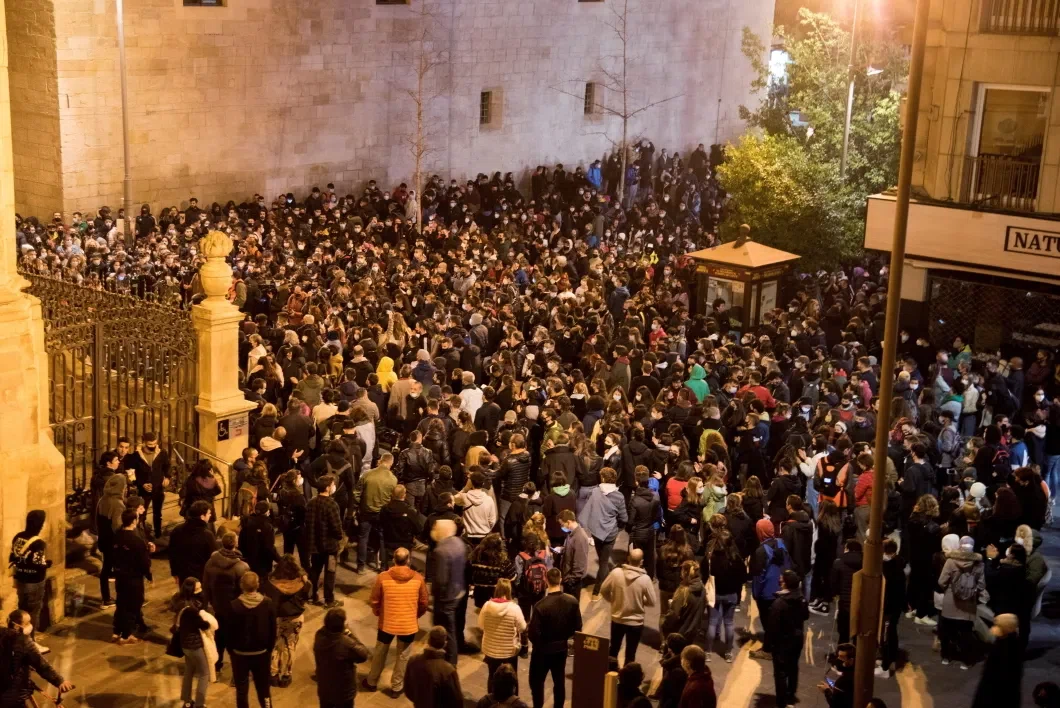
The Ministry of Justice, in particular, said that it is necessary to punish only for those actions that “clearly suggest the creation of a risk for public order or incitement to any aggressive behavior.” The ministry promised that they may include in the number of crimes for which imprisonment, violations associated with the insult of religious feelings, glorification of terrorism or insulting the crown will not be provided.
The detention was also condemned by the acting head of the Government of Catalonia Peres Aragones: he said that the Criminal Code "protects the crown more than other subjects."