
Translated material
Golden cells. Part two
The story of how Arkady Rotenberg became the main owner of the Crimean resorts
Project team, February 25, 2021
Taking the possession of the scandalous palace near Gelendzhik, the old friend of President Arkady Rotenberg served Vladimir Putin a considerable service. But his services are well paid by another real estate, which Rotenberg and his environment are received with the help of the state. Thanks to the sale of nationalized property, the structure of Rotenberg became the largest owner of leisure and rest on the coast of Crimea, at the same time receiving almost all profitable state contracts on the peninsula.
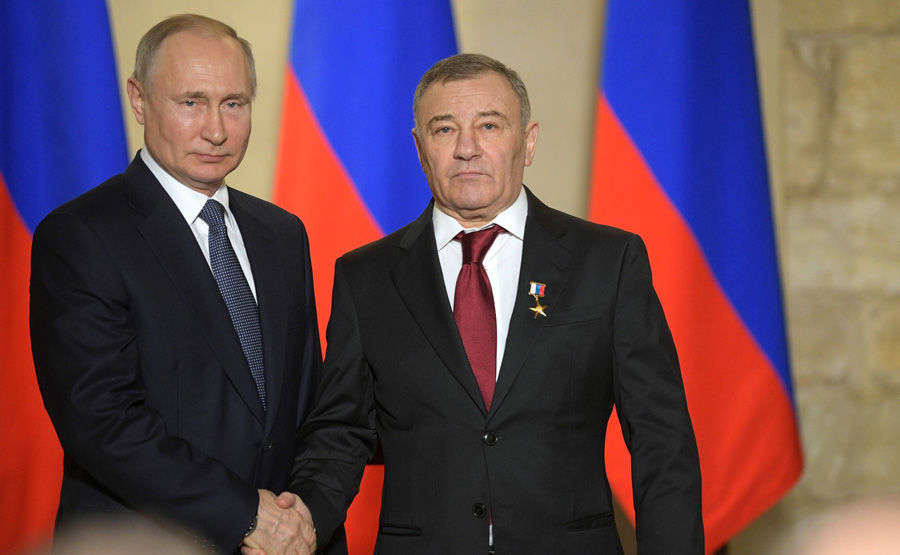
In March 2020, a childhood friend and sparring partner of the President of Judo Arkady Rotenberg received the title of Hero of Labor for "special merits in the construction of the Crimean bridge." But the bridge is not the only object that Rotenberg built in the Crimea at the expense of the state. And the medal is not the only reward. The associated companies and funds got the best lands on the coast and billions of assets in the Crimea, which is under sanctions.
The guys are an example
- We have hard estimates in which we fit. We do not ask for extra, additional funds, ”Rotenberg said about the Crimean construction sites in an interview with Nail Asker-Zade in September 2018. And he added that his company "Stroygazmontazh" and "Mostotrest" always fit into the deadlines.
In the case of the bridge, this is similar to the truth: a 19-kilometer transport crossing through the Kerch Strait, this is how the Crimean bridge is called according to the documents built in three and a half years, from March 2016 to December 2019 and cost a budget of 228 billion rubles, according to Vedomosti, with access roads-about 300 billion rubles; In 2014, it was assumed that the bridge would cost 247 billion rubles.
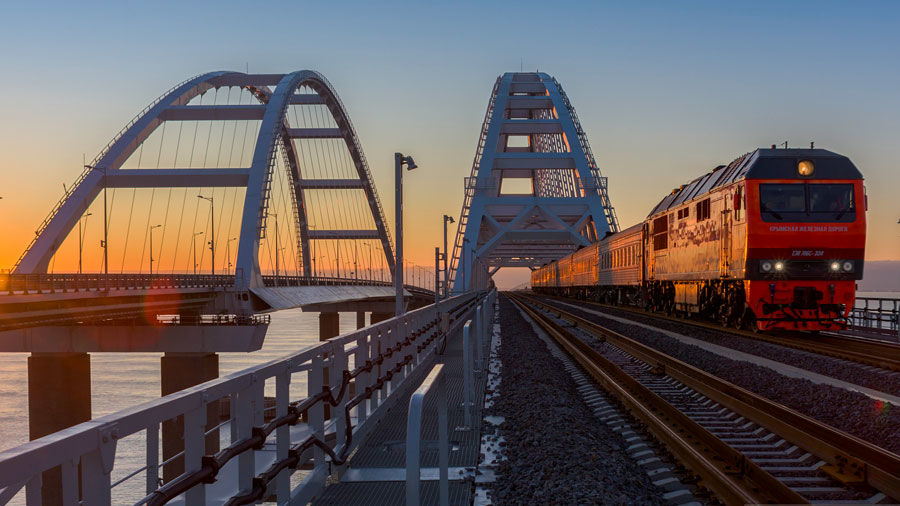
But the railway approaches to the bridge-the 18-kilometer branch of the railway tracks in the northern part of Crimea-went up from 6.5 to 22 billion rubles, in 2014 the work was previously estimated at 6.5 billion rubles; In 2017, the contract was concluded by 16.9 billion, subsequently its cost increased by almost 40% - to 22 billion. The last increase in estimates happened after Rotenberg sold Gazprom to Stroygazmontazh in November 2019.
How Rotenberg received a contract for the construction of the bridge ↓
The fact that Russia needs a bridge in the Crimea, in the Kremlin was spoke even before Putin signed a decree on the accession of the peninsula. At first, foreign investors showed interest in the project, but after imposing sanctions it became clear: it was necessary to build a bridge by ourselves, at the expense of the budget.
There were two applicants for the role of the general contractor, told about the choice of the contractor of the Crimean bridge the Forbes magazine, and both under the control of Putin’s old friends: SK Most, which was owned by Gennady Timchenko Holding, and Rotenberg Mostotrest. But Mostotrest shares turned on the exchange, and the company was afraid to fall under sanctions. Timchenko, on the contrary, was preparing for the “construction of the century”: his Stroytransgaz consulted with infrastructure experts and design institutes. But suddenly the desire fell: the terms were compressed, financing is limited, the geological and seismic conditions are difficult. “I'm afraid to take it and not to master,” Timchenko himself explained his refusal.
And then Rotenberg entered the game. “The president said-and we must do it,” the billionaire recalled in an interview with Nail Asker-Zade.
Another Rotenberg gold -bearing project in Crimea is the International Children's Center (former All -Union pioneer camp) Artek, consisting of nine separate camps. In 2014, he became one of the symbols of "the return of Crimea to his native harbor." The camps were frequent in the camp, deputies of the State Duma and celebrities, and the president himself. Budget billions poured around the river.
In the summer of 2015, the government entered into a contract for the Artek reconstruction for 2.3 billion rubles. For five years, its cost has increased 13 times, in most cases, the legislation allows increasing the cost of the contract by no more than 10%, reaching 30.5 billion rubles! - In December 2020, the contract was terminated by agreement of the parties, the cost of work performed at the time of termination was 25.3 billion rubles. The contractor of the work was the company "Stroygazmontazh" belonging to Rotenberg at that time.
International Children's Center "Artek"
- founded in 1925 in the village of Gurzuf near Yalta
- combines 9 separate camps, each has its own name
- accepts more than 40 thousand children a year
-The cost of the ticket is 65-80 thousand rubles
Photo: “Artek”, 1958. Source: Artekovetc.ru
Another Rotenberg contract with Artek - for the repair of four camps and dormitories for counselors - went up more than ten times - from 347 million to 4.7 billion.
In total, Stroygazmontazh concluded 36 contracts in Artek totaling almost 38.5 billion rubles - all contracts were concluded before the sale of Gazprom in November 2019.
What Rotenberg did in Artek - from the fence to PR:
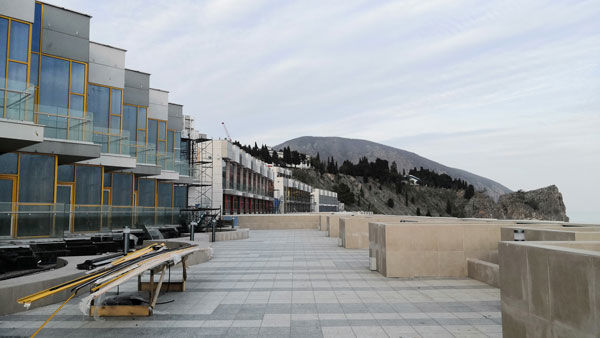
The new Sunny camp for 1 thousand places - 11.5 billion rubles, 620 thousand rubles per square meter - the camp area, according to the 3djobs.ru portal, where the presentation of the project is posted - almost 18 thousand square meters. M was promised to pass by by 2019, but have not been finished so far.
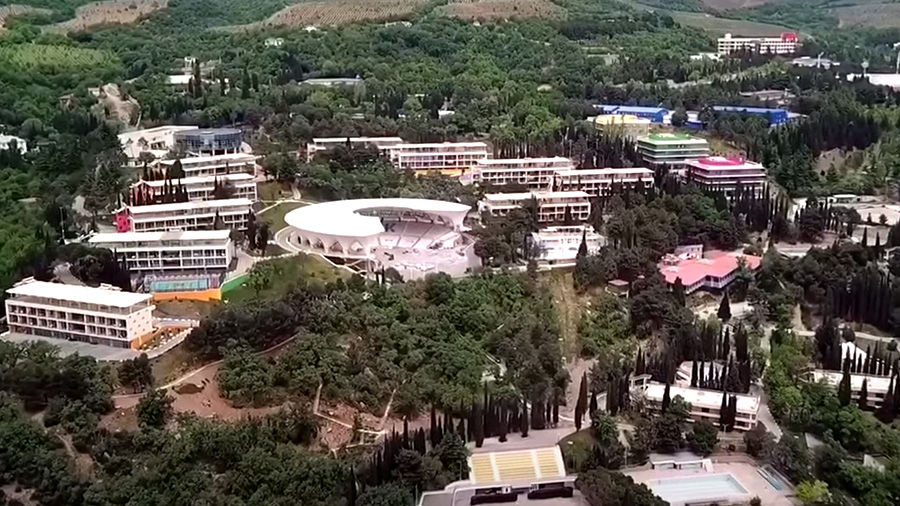
Reconstruction of nine Artek camps - 8.6 billion rubles.
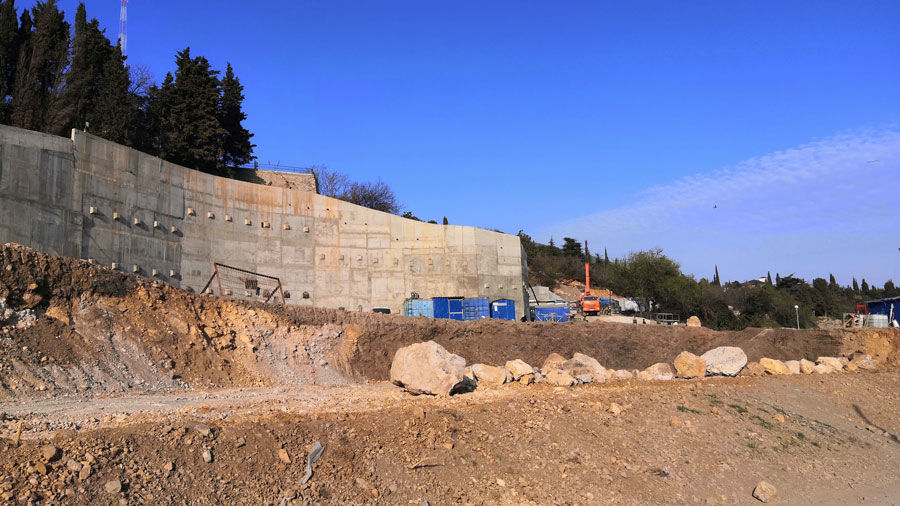
Coastal and anti -setting facilities - 3.2 billion rubles.
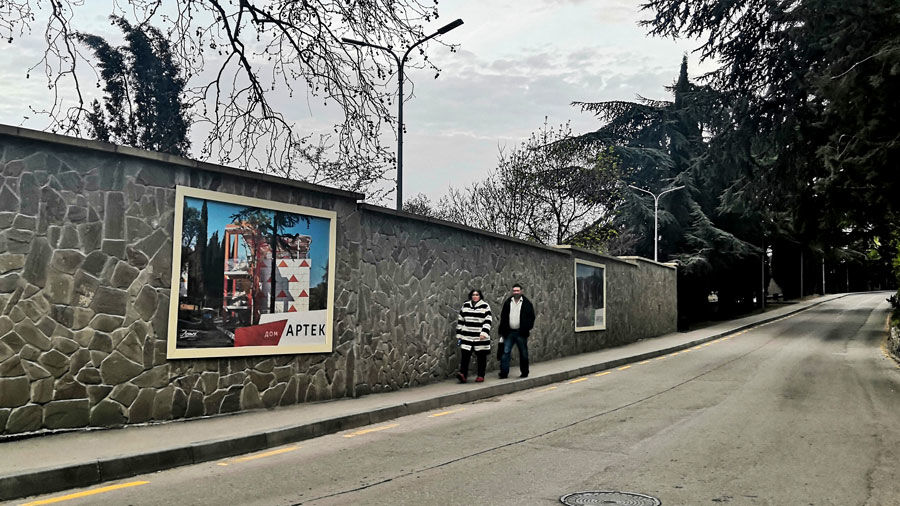
A three-meter fence around Artek is more than 3 billion rubles, of which: 273 million-a project: in 2017, Sheremetyevo Airport conducted auction to develop a project of a 14-kilometer fencing of the airport with video surveillance. The initial price of the lot is 1.9 million rubles; 1 billion - construction of 177 million rubles per kilometer of fence; 2 billion - technical means of security and a situational center.
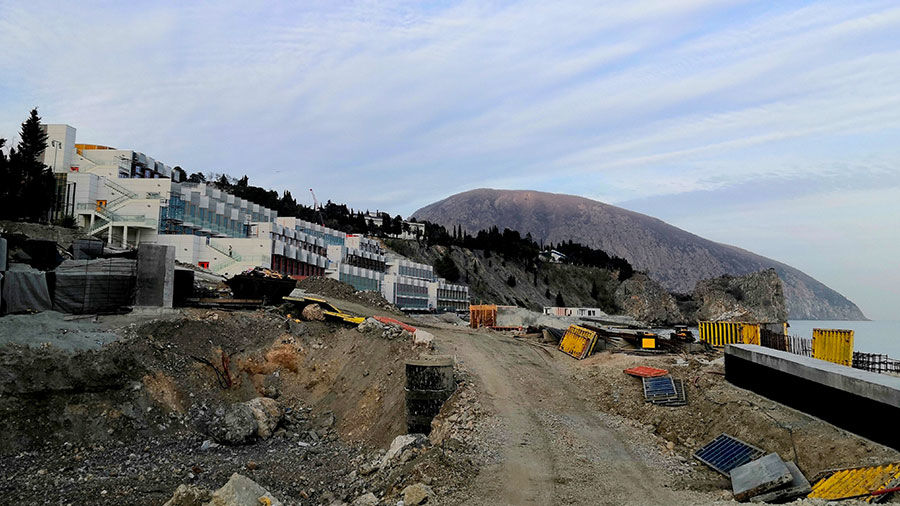
The road between the Cyparis and Azure camps is 408 million rubles, the distance between the camps is less than a kilometer. This is a regular road on the territory of the camp, its cost is only twice as lower than the cost of the Neva high-speed paid route between Moscow and St. Petersburg: a kilometer of the highway cost an average of 777 million rubles ..
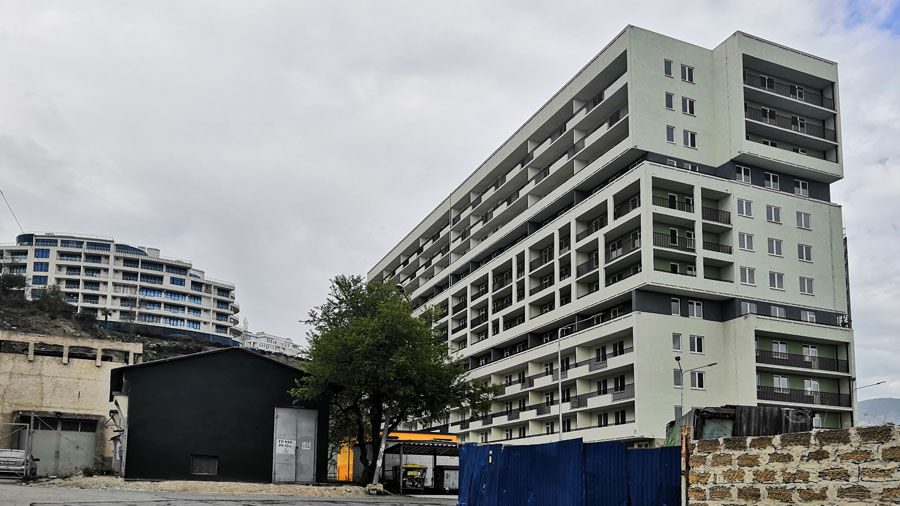
A residential building for 276 apartments for immigrants from the territory of Artek and employees - there are many people who are not related to the camp on the territory of Artek. The fact is that in Soviet times the camp arose not from scratch, but in the existing village of Gurzuf. Over the almost hundred years of his history, he expanded repeatedly, the last time in 2015, when transferring to federal ownership, 10 hectares were added to the camp. After that, everyone who was on its territory was decided to evict 1.1 billion rubles; The improvement of the courtyard and communication - 360 million rubles.
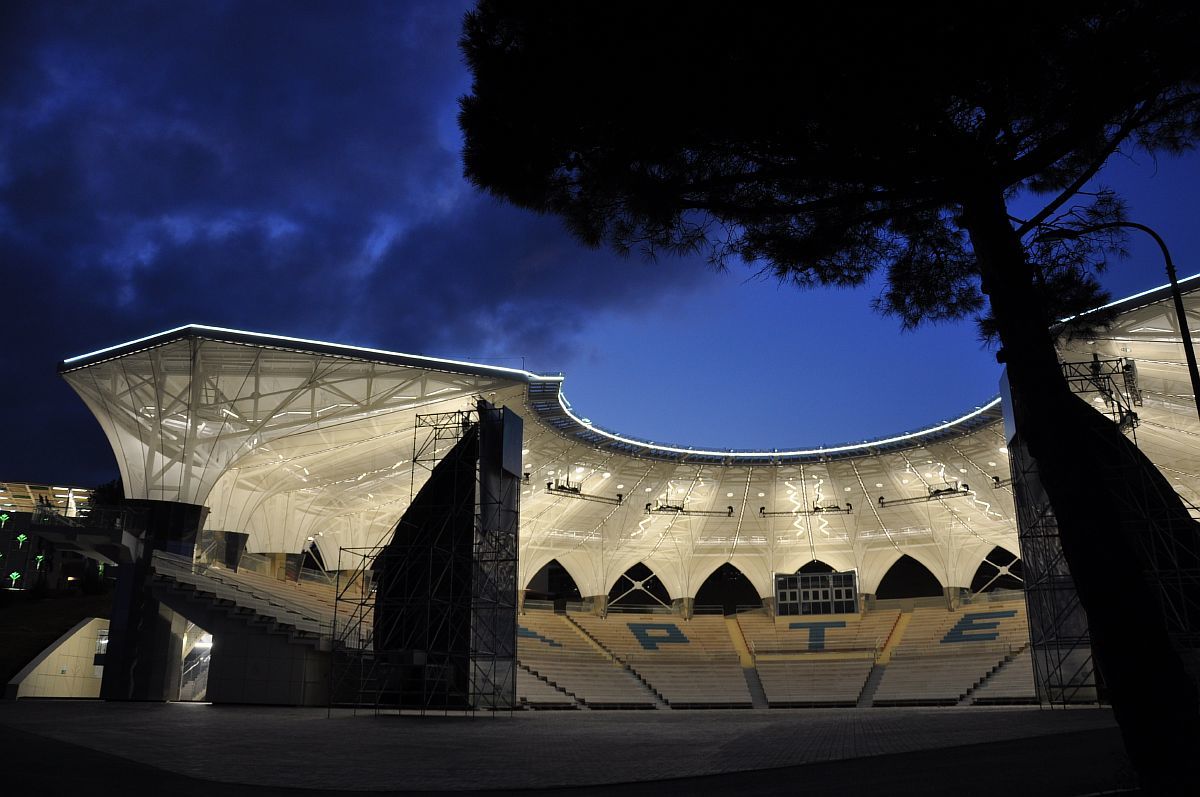
On the bonfire venue of the Lesnoy camp, it is part of Artek-the so-called Artek-Arena-1.5 billion rubles were allocated from the reserve fund of the government.
Rotenberg was engaged not only in construction, but also in the supply of furniture, household appliances, and household equipment to Artek. The total amount of supply contracts is more than 640 million rubles, Contractor Stroygazmontazh. And even PR: in 2015, the Red Square company received 40 million rubles for the media support of the 90th anniversary of the 90th anniversary.
What else Rotenberg companies are building at the state expense in Crimea ↓
- South sewage facilities in Sevastopol for 8.5 billion rubles will be built by the “Regional Construction Company” (RSK) Alexei Fomenko. Director of the RSK-Boris Sakun, business partner Arkady Rotenberg. Together with Rotenberg, Mostotrest until October 2020, Sakun was the founder of Transstroymechanization LLC. In addition to Sevastopol, the people of Rotenberg will build treatment facilities in Koktebel and Catsivivee.
- Yacht Marina in Balaclava. Parking for 600 ships for 7.2 billion budget rubles. In December 2018, the Stroygazmontazh company - then belonged to Rotenberg - is developing a Marina project, the cost of a contract is 343 million rubles
In total, Rotenberg's companies mastered the amount equal to approximately
1/4 federal target program
on the development of Crimea and Sevastopol of 1.3 trillion rubles
, we considered contracts for the construction of the Crimean bridge and approaches to it, the reconstruction of Artek, the construction of sewer treatment facilities and other Lords
Delightful
Grand Duke Peter Nikolaevich Romanov, still in his youth during service in the army, fell ill with tuberculosis. Doctors recommended the marine climate of France and Italy, but the family persuaded him to have an estate in the Crimean Misheror. The palace erected in two years received the name "Dulber" (translated from Arabic - "delightful").
By the end of the construction, it turned out that the prince has absolutely no money. The manager of the affairs of the Romanovs wrote to him: “... there are a lot of payments and requirements from all sides, <...>, under various pretexts, to dodge the payment. This, in my opinion, is very ugly for the court office, and even fails many, <...> who have their own calculations and are dependent on the working people who can arrange a scandal, and in the end all this will respond to you as the owner! ” . Among the customers of the architect Nikolai Krasnov, who, in addition to Dülber, built up many mansions on the coast, Romanov was the only one who had nothing to pay on accounts, writes the author of the book “State Duma of Crimea” Andrei Artamonov.
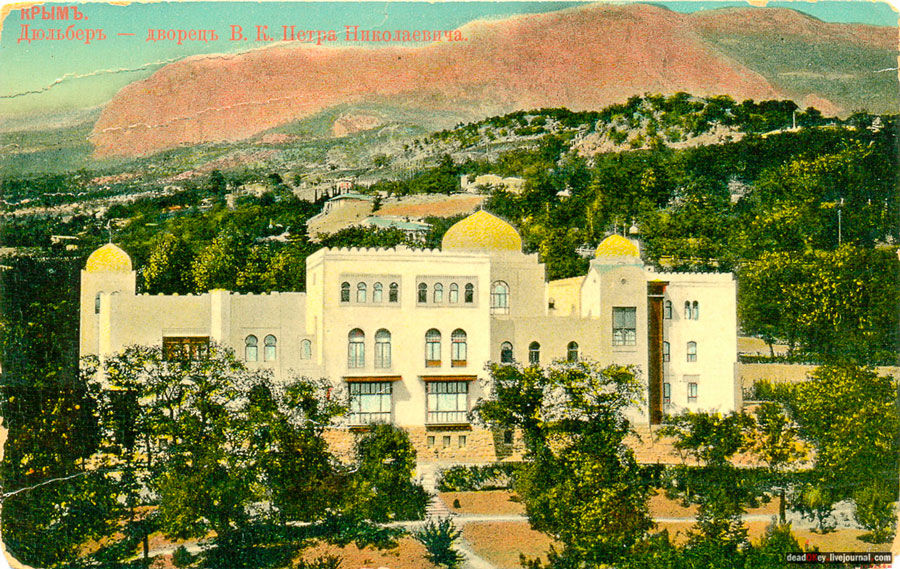
Romanov was offered to sell Dulber for 600 thousand rubles - this was in 1897, when the Russian Russian ruble was equated to 0.77 g of pure gold. For Dulber Peter Romanov would receive 462 kg of gold. But he preferred to part with the Znamenok estate in Peterhof, and helped the income from a personal brick factory in Terioki-now Zelenogorsk near St. Petersburg.
The neighbors chuckled at Peter Nikolaevich, who built a three -meter fence around Dulber - the only one on the coast, with observation turrets and loopholes. The fence did not save, but became a prison: in the civil war in Dulber kept those Romanovs whom the Bolsheviks caught in the Crimea.
In the 20s, the nationalized Dulber was turned into a sanatorium for the Soviet elite, under Ukraine-for the Verkhovna Rada. In 2014, he was “nationalized” again and four years later sold a new Russian nobility. After the accession of Crimea to Russia, local authorities announced the “nationalization” of the “ownerless” property of authorities and state structures, as well as assets of companies owned by Ukrainian oligarchs. In addition, the lists included the Krymavtotrans, Krymkhleb, Krymhenergo, Crimeanneftegaz, the Crimean -Troops -Operations and others - thousands of separate buildings and land plots. The owners have been suing their assets for many years.
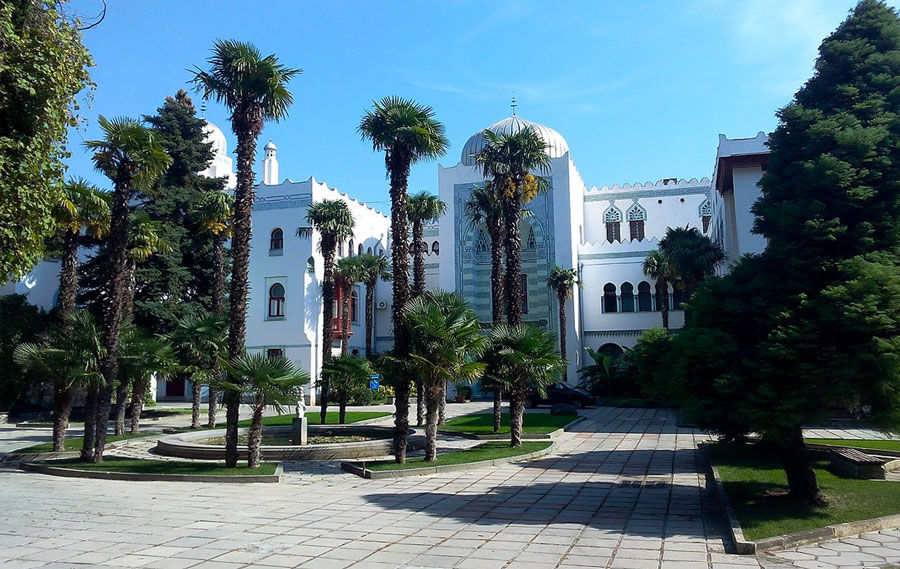
Dyulber left the hammer in 2018 for 702 million rubles - half the cost of the Artek fence. The auction participants were two Crimean companies, and both are associated with the structures of Rotenberg, in addition to the management company of infrastructure projects LLC, Sarych LLC from Sevastopol, where Igor Chernyshev, a former top manager of the Rotenberg forest spheres, participated in the auction. They did not bargain: the lot went to the face value of the “management company of infrastructure projects” (UKIP) with a charter capital of 10 thousand rubles registered in Simferopol. Two more companies appeared for the auction for the Dyulber sanatorium, but their applications were rejected. One of the failed participants in the auction-the “Nov business park” from Moscow-tried to challenge the decision to the FAS and even filed a court to the Crimea, but, barely began the trial, withdrew the lawsuit.
The founder of the UKIP at the time of the purchase was Vladimir Zaritsky, the ex-commander of the Russian missile forces, the president of the Officer Brotherhood reserve officers support fund. In January 2021, the Project phoned Zaritsky, a retired general immediately admitted that he was not engaged in business, in the company UKIP was only a nominal owner, and in Crimea he was only once. “I am a pensioner and do only veteran activities,” he explained. When asked who is the beneficiary of the company, the general replied: "I do not know."
However, the owner can be installed. A year after the sale of Dulber, he was rewritten to the closed tax fund of TERS. It is managed by the company “Fin-Partner” Criminal Code, which, in turn, owned by Center-M, previously affected the Rotenberg brothers and their partner Dmitry Kalantyrsky. And now 100% "Center-M" is in pledge in Mosoblbank, which in May 2014 actually belongs to Rotenberg.
UKIP, actually belonging to Rotenberg, bought three sanatoriums totaling 1.5 billion rubles
The cost of the Gostorgs amounted to 1.5 billion rubles or 23 million dollars at the rate on June 26, 2018 - the last day of submitting applications for the auction
The market value of all three sanatoriums in Ukraine was estimated at $ 59 million. 3.8 billion rubles for the rate on the day of sale; According to Alexander Liev, ex-Minister of Resorts and Tourism of Crimea
All three sanatoriums are today united by the Crimean Resorts brand and are actively working with the budget: vouchers are buying up regional administrations that send beneficiaries there.
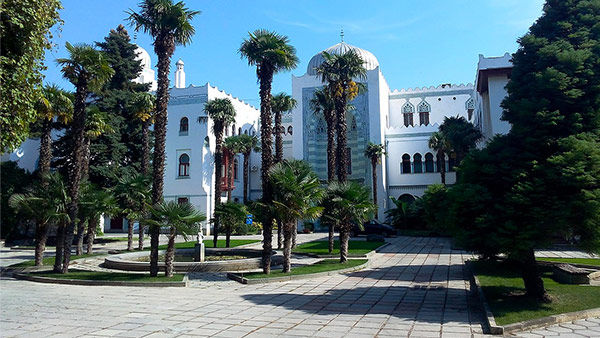
Sanatorium "Dulber"
Start of construction:
1897, restored after the war
Who belonged to Ukraine:
Verkhovna Rada Office
Capacity:
500 people
Land plot:
20 ha
Buildings:
182 buildings and structures, 52 thousand m²
Attractions:
Palace of Peter Romanova, Park, Own Beach - more than 200 m
The cost of vouchers*
Winter - from 3,000 rubles/day. Sloto - from 7100 rubles/day. Human - 1070 rubles/day.
State contracts in 2018-20
27 million rubles.
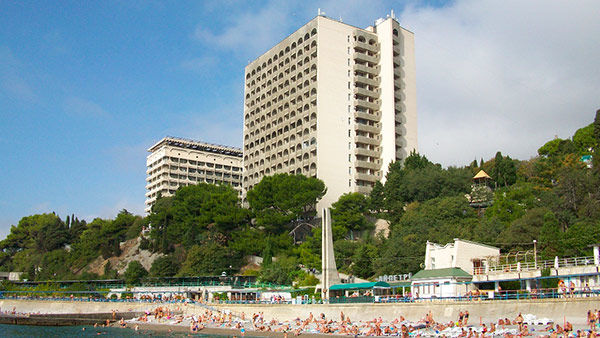
Sanatorium "Ai-Petri"
Start of construction:
1923
Who belonged to Ukraine:
"Ukrprofzdravnitsa"
Capacity:
700 people
Land plot:
5.7 ha
Buildings:
19 buildings, 26 thousand m²
Attractions:
park, own beach with a length of 350 m
The cost of vouchers*
Winter - from 2400 rubles/day. Sloto - from 7600 rubles/day. Human - 1070 rubles/day.
State contracts in 2018-20
68 million rubles.
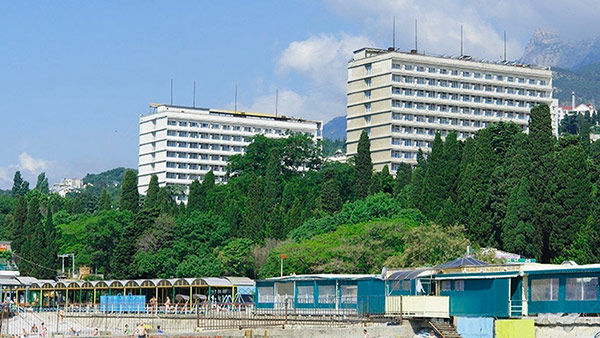
Sanatorium "MISHOR"
Start of construction:
The beginning of the 70s
Who belonged to Ukraine:
"Ukrprofzdravnitsa"
Capacity:
1000 people
Land plot:
3.2 ha
Buildings:
24 buildings, 36 thousand m²
Attractions:
MISHORY Park with relict plants, beach
The cost of vouchers*
Winter - from 1080 rubles/day. Sloto - from 4100 rubles/day. Human - 1070 rubles/day.
State contracts in 2018-20
154 million rubles.
* Proposals received when trying to book a ticket on official sites of sanatoriums, prices for beneficiaries according to the 2020 contracts.
Investigation is expensive, but it's worth it
Having made a monthly donation to the “project”, you will help us make even more important and high -profile investigations. So you will support all investigative journalism in Russia!
Support "Project"
The connection of times
At the end of 2018, the same “Management Company of Infrastructure Projects” redeemed from the state the shares of the Crimean operator of fixed and cellular communications “Krymtelecom” - the second participant in the auction was the same Sevastopol company Sarych, which competed with UKIP in tenders for the sanatorium. And again, there was actually no bidding: the lot went at the starting price.
Krymtelecom is the assets of the Ukrainian mobile operator “Kyivstar” nationalized in 2014 - together with the Russian Vimpelcom, is part of the Veon and Ukrtelecom group - the main Ukrainian fixed communications operator. Now he, along with K-TELECE, provides the so-called “technical roaming” in Crimea for subscribers of Russian cellular networks. Since the “big four” - “Beeline”, “Megafon”, MTS - MTS was the first Russian operator to “entered” the peninsula before the Ukrainian cellular companies turned off their communications in the Crimea. However, formally, the license plate of the “Crimean” MTS belongs to the Krasnodar Territory. And Tele2 does not have their own towers on the peninsula-they do not work in the Crimea because of the sanctions, tourists who come to rest pay for calls, SMS and mobile Internet at the tariffs of national roaming-several more rubles per minute are added to the standard value of calls, and the Internet is stagnated. This increases expenses to several hundred rubles a day - each operator has its own tariffs and promotional roaming offers in the Crimea, the correspondent of Project checked.
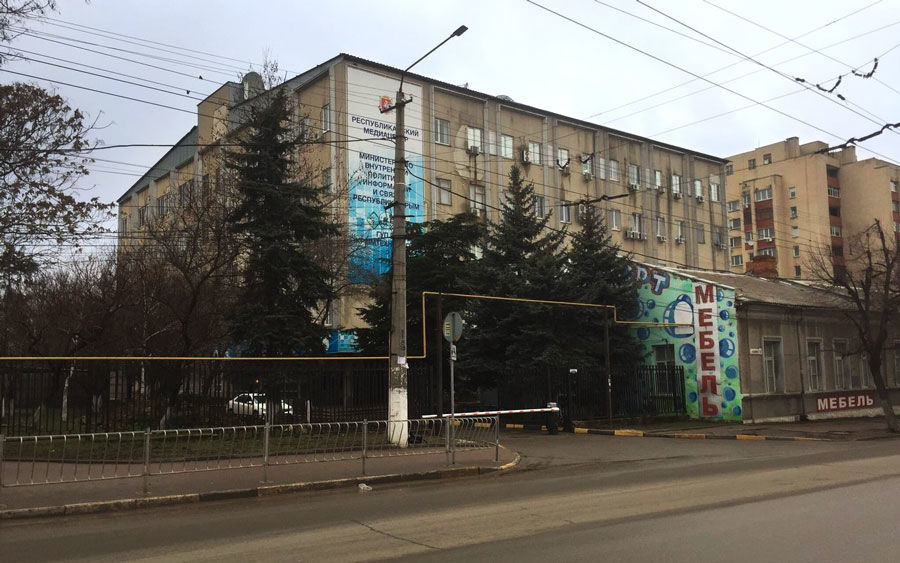
Technical roaming made the Crimean operators the most successful in the country: in 2016, the profitability of K-Telecom was five times higher than MTS, according to Vedomosti. Later, due to numerous complaints of market players, state regulation intervened, and since then the revenue of K-Telecom and Krymelecom has been invariably dropped-in the same way-in In 2019, Krymtelecom showed a net loss of 307 million rubles.
However, the investor could not be interested in the telecommunication business itself, but again real estate and land: Krymtelecom owns 105 thousand square meters. meters of premises and 21.5 hectares of land throughout the Crimea. Including the boarding house in the village of Peschanoy on the west coast. Another important asset is almost 2 thousand km of cable sewage.
In April 2020, the IT-Invest company, the former Balaklava-Invest, owners of IT-Invest, are hidden behind the Aquilon.-Route investment fund, which was all connected with the Rotenberg by the UK Fin-Partner, the director of Arsen Sidakov, the part-time part-time was headed The Petersburg Judo Club “Javara-Neva” bought another asset very dubious from the point of view of business in the Crimea-the state-owned enterprise “Crimetechnology”. Созданная в 2014 году на базе национализированного имущества компания занимается поддержкой портала о событиях «Крымской весны» и разработкой сайтов и сервисов для местных органов власти. В течение двух лет, предшествующих выкупу, она показывала убытки, а основным источником ее доходов были госконтракты — общая сумма госконтрактов «Крымтехнологий» с 2015 по 2020 год — около 100 млн рублей.
Однако фирме со штатом в девять человек принадлежат 87 земельных участков , общей площадью 20 га, в том числе в приморских городах Ялта, Алушта и Евпатория, а также в центре Симферополя. И более 300 отдельных зданий и помещений общей площадью 77 тыс. кв. м — в том числе офисные и исторические здания в центрах крымских городов. Вся эта масса недвижимости была продана за 496 млн рублей — по 6,5 тыс. рублей за квадратный метр площади, не считая земли.
Аркадий Ротенберг, по подсчетам «Проекта», стал крупнейшим владельцем объектов досуга и отдыха на побережье Крыма
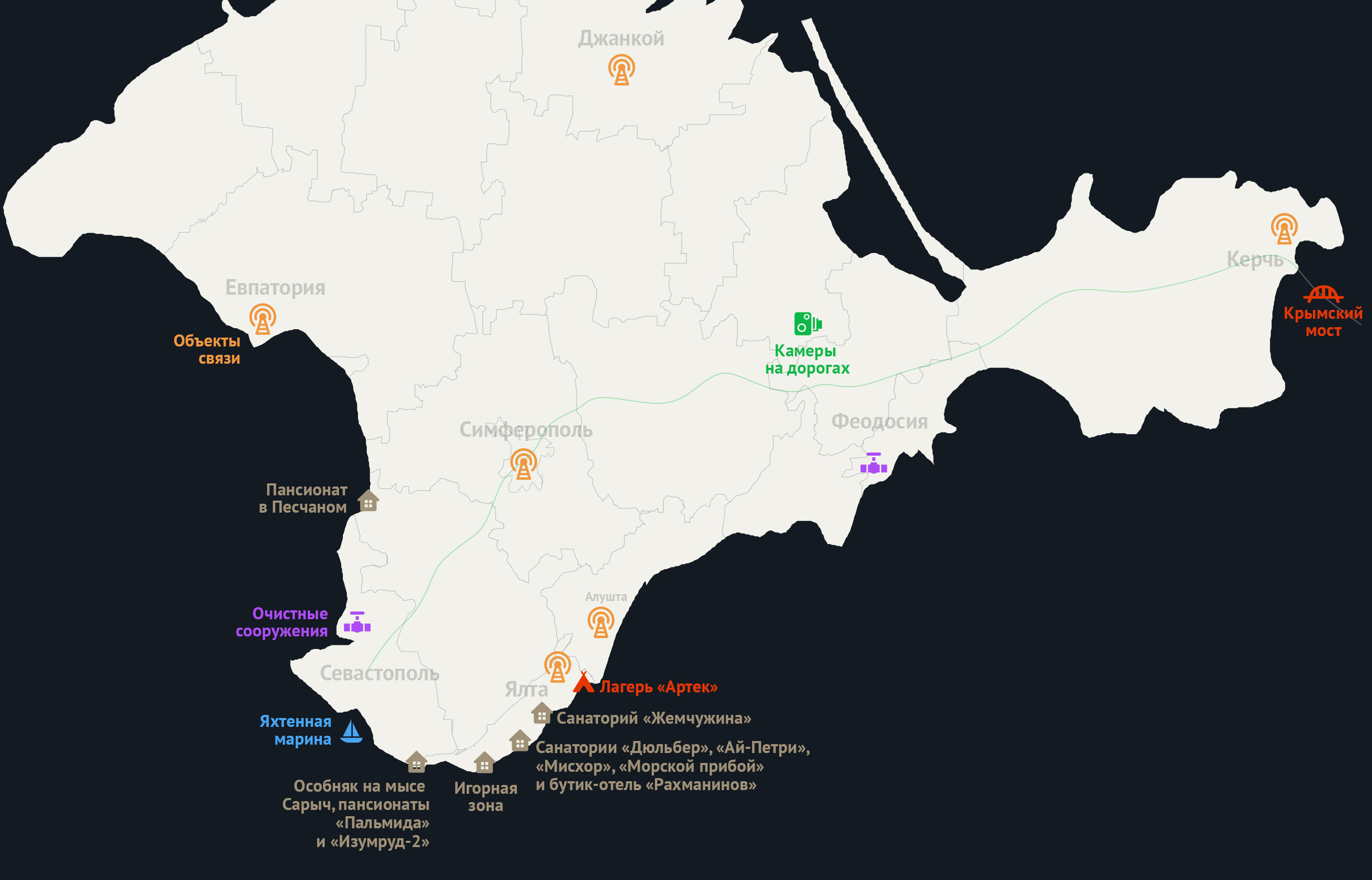
Ротенберг получил , мы считали объекты, которые Ротенберг либо выкупил, либо собирается перестраивать по инвестконтрактам, включая — санаторий «Жемчужина», где будет отель за 1,2 млрд; игорную зону за 3 млрд; два участка на мысе Сарыч, где строится роскошный особняк:
10 санаториев и баз отдыха
Это около 80 га земли на побережье , из них 42 га — в собственности, остальные — выделены по инвестконтрактам
Его компаниям принадлежат:
178 земельных участков
площадью 83 га
761 здание и помещение
общей площадью 282,5 тыс кв. m
Только кадастровая стоимость недвижимости составляет
более 5,5 млрд рублей
Камера для Ротенберга
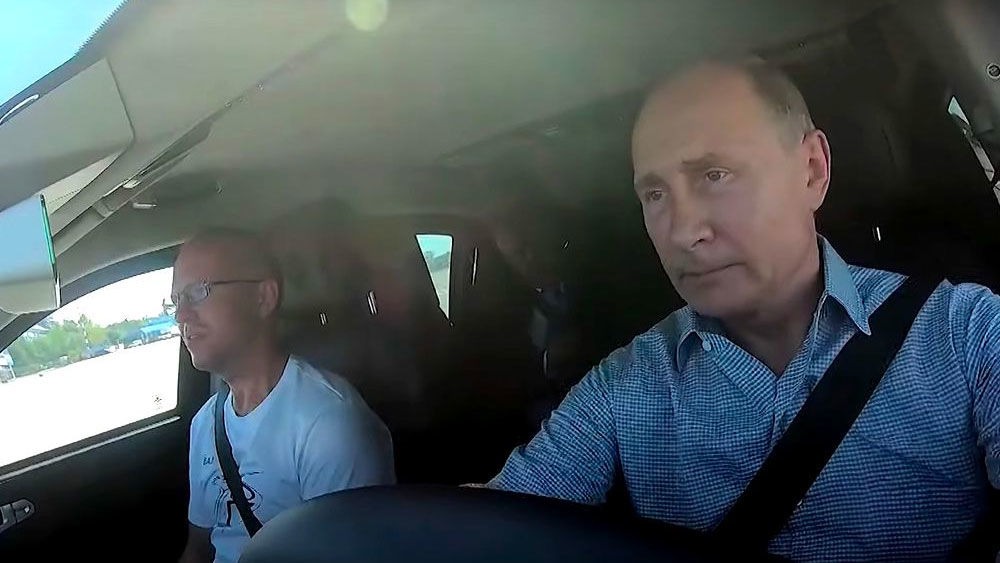
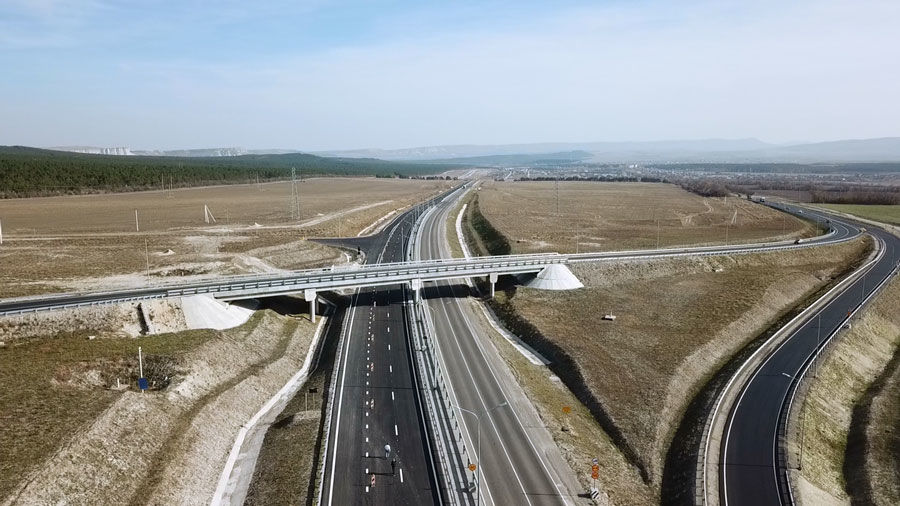
— Впечатляет. Другой уровень, другой мир, — сказал Путин, проехавшись в августе 2019 года по свежепостроенной крымской трассе «Таврида».
Такого на полуострове и правда не было: четыре полосы, многоуровневые развязки, ни одного населенного пункта на 250 км пути от Крымского моста до самого Севастополя. Одно огорчает: предельная скорость — 90 км/час.
Стационарных камер, фиксирующих превышение скорости, на трассе пока мало, но есть «треноги» — мобильные камеры автоматической фиксации нарушений ПДД. Путин фактически запретил их в 2019 году, и перед его приездом с дорог Крыма «треноги» исчезают. Но едва президент улетает, появляются снова , наблюдала корреспондент «Проекта» в Крыму. Всерьез с ними никто не борется: «треноги» приносят весомую долю выручки владельцам камер. Эти владельцы — тоже люди Ротенбергов, и местные власти связаны с ними кабальными концессиями.
Компании-операторы камер «Безопасные дороги Крыма» и «Безопасные дороги Севастополя» принадлежат ООО «ИК Югпроект» Натальи и Андрея Минаевых, бывших сотрудников структур компании «Машинтер» Евгения Ройтмана. Ранее СМИ называли Ройтмана «человеком Ротенберга» в телекоммуникациях. Скупщик крымских санаториев генерал Зарицкий, согласно официальной биографии, тоже работал у Ройтмана . После передачи крымских активов паевым фондам Ротенбергов Зарицкий стал номинальным владельцем двух компаний «Машинтера»: ему отошли доли в компаниях «РТГК» и «РТГК-Центр».
В Севастополе компания «Безопасные дороги Севастополя» установила более 100 автоматических камер и десятки паркоматов.Общая сумма инвестиций — 900 млн рублей. За это городской бюджет за 12 лет выплатит концессионеру почти 6 млрд рублей — в пять раз больше вложенного. На остальном полуострове условия похожи: 155 камер за 4,5 млрд рублей.
В бюджеты регионов ни копейки от штрафов не попадает, поскольку все собранное на дорогах уходит в счет обязательных платежей за обслуживание камер. Например, в 2017 году в Севастополе было собрано 273 млн штрафов — и все они ушли «Безопасным дорогам» , заявлял депутат Госдумы от Севастополя Дмитрий Белик. А в 2019 году собранного по «письмам счастья» не хватило: оператор судился с городом за недоплаченные 27 млн рублей.
Причина недобора в том, что к стационарным камерам местные водители быстро привыкли, транзитного потока нет, а число туристов оказалось меньше расчетного. Кроме того, из-за бюрократических проблем в Севастополе так и не заработали платные парковки , рассказали «Проекту» в офисе «Безопасных дорог Севастополя»
Обитаемый остров
— Мне нравится в Ялте, погулять можно. Здесь в Крыму есть такой остров — Сарыч — видимо, Ротенберг оговорился, в Крыму нет острова, но есть мыс с таким названием», — ответил Ротенберг на вопрос Наили Аскер-Заде о любимых местах отдыха на полуострове.
До недавнего времени на побережье Сарыча — самой южной точки Крымского полуострова — был лишь реликтовый можжевеловый лес, где отдыхали с палатками любители «дикого» отдыха — корреспондент «Проекта» сама не раз отдыхала там летом. В советские времена эту часть побережья не успели застроить капитально, а может, помешала близость «горбачевской дачи „Заря“» , той самой, где во время августовского путча 1991 года находился президент СССР Михаил Горбачев. Здесь были лишь пара десятков летних домиков, а в двухтысячных на берегу вырос коттеджный поселок. Лес и пляж оставались общедоступными.
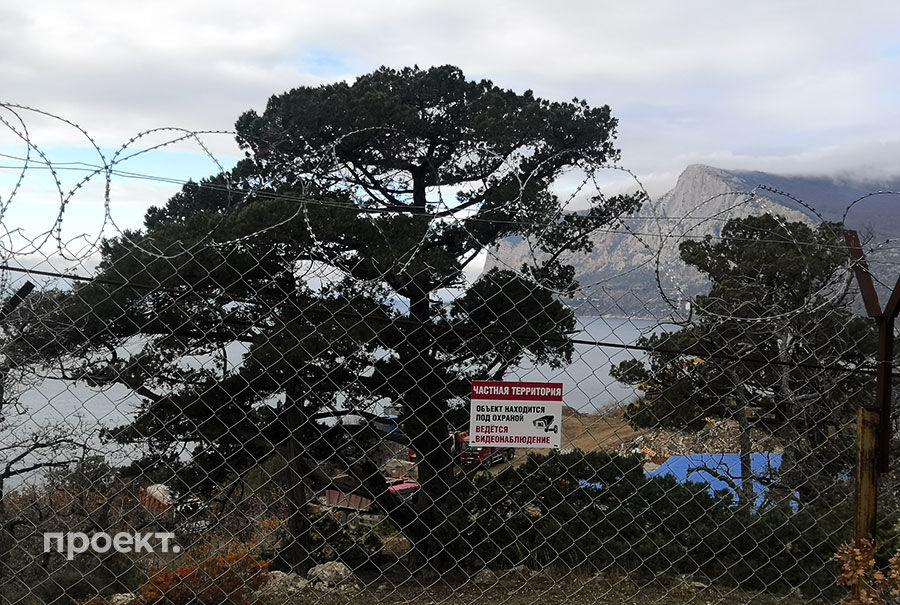
Теперь спуститься к морю на Сарыче почти невозможно, дороги преграждают шлагбаумы. Полеты дронов над побережьем запрещены. У самый трассы Севастополь-Ялта стоят таблички «Частная территория». Ниже по склону — забор с колючей проволокой, подходы к нему тщательно охраняются . Подходы к участку со стороны берега контролирует припаркованный на лесной грунтовке автомобиль с тонированными стеклами. За корреспондентом «Проекта», фотографирующей стройку со склона, с другой стороны забора неотступно следил человек, он же появился на парковке у трассы как раз в тот момент, когда она отъезжала.
За забором строится роскошный особняк в четыре-пять этажей . Точную этажность определить сложно — у здания есть цокольный этаж и мансарда. Судя по спутниковым снимкам, площадь одного этажа — около 1500 кв. м (общая площадь здания может достигать 6-7 тыс. кв. м). Рядом на участке — два многоэтажных дома для технического персонала. Чуть в стороне — стройгородок для рабочих.
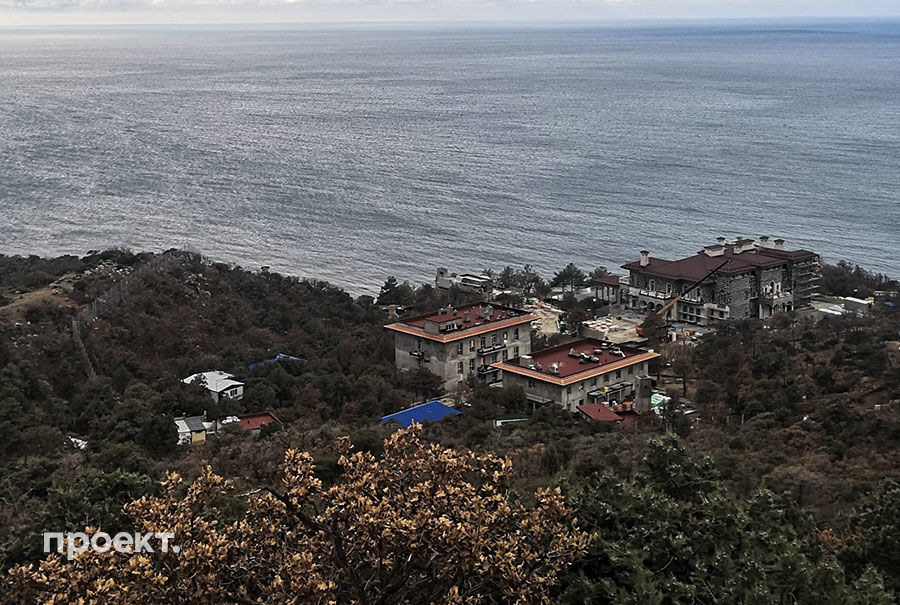
По оценкам риелторов, специализирующихся на элитной недвижимости в Крыму, только земля под особняком может стоить $35 млн — около 2,5 млрд рублей. Оценить строение до окончания работ невозможно — все зависит от материалов внутренней отделки, а подобные по площади и месторасположению объекты на открытом рынке в Крыму ранее не продавались , заверили «Проект» в нескольких агентствах недвижимости.
Хозяином особняка местные жители считают Аркадия Ротенберга, и на это есть основания. Две компании — ООО «Магит-Д» и ООО «Сарыч», владеющие 12,5 га можжевелового леса и пляжа , а также строениями, расположенными на участках, примыкающих к дворцу, — общая кадастровая стоимость — 324 млн рублей, принадлежат закрытым инвестфондам «Северная Эгида — функциональный» и «Альбиорикс» , по данным СПАРК. Обоими фондами управляет ООО «Северная Эгида» бизнесвумен Софии Ногинской, контролирующей активы семьи Ротенбергов , о чем писалось, например, РБК и «Ведомости».
* * *
В июне 2020 года в районе Ялты была замечена роскошная 62-метровая яхта Rahil. По документам она принадлежит питерскому бизнесмену, совладельцу компании «Зеленый город» Григорию Баевскому , согласно данным морского регистра судоходства РФ. Но реальным владельцем судна профильное издание SuperYachtFan считает Аркадия Ротенберга.
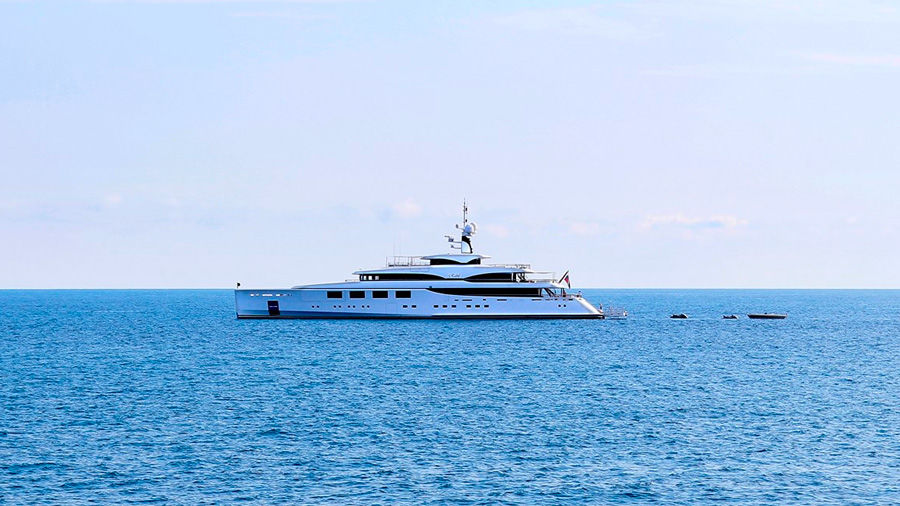
Яхта построена в 2011 году в Италии по заказу британского миллиардера Грэма де Зилля — первое имя судна Amnesia. Но еще до спуска на воду ее продали, и новый владелец дал яхте имя Nataly — так звали вторую жену Аркадия Ротенберга. После развода с Натальей владелец переименовал судно в Rahil. С 2014 года яхта находится под санкциями и не покидает Черное море из-за опасности ареста.
Четверть Крыма — за «дворец».
Подкаст о том, как друг Путина Аркадий Ротенберг стал главным владельцем крымских курортов
Подкасты «Проекта» : Castbox , Яндекс.Музыка , Apple Music , SoundCloud , Google Podcasts