
Translated material
Caution, the bread goes!
Why virgin land remains the most ambiguous and contradictory Soviet project
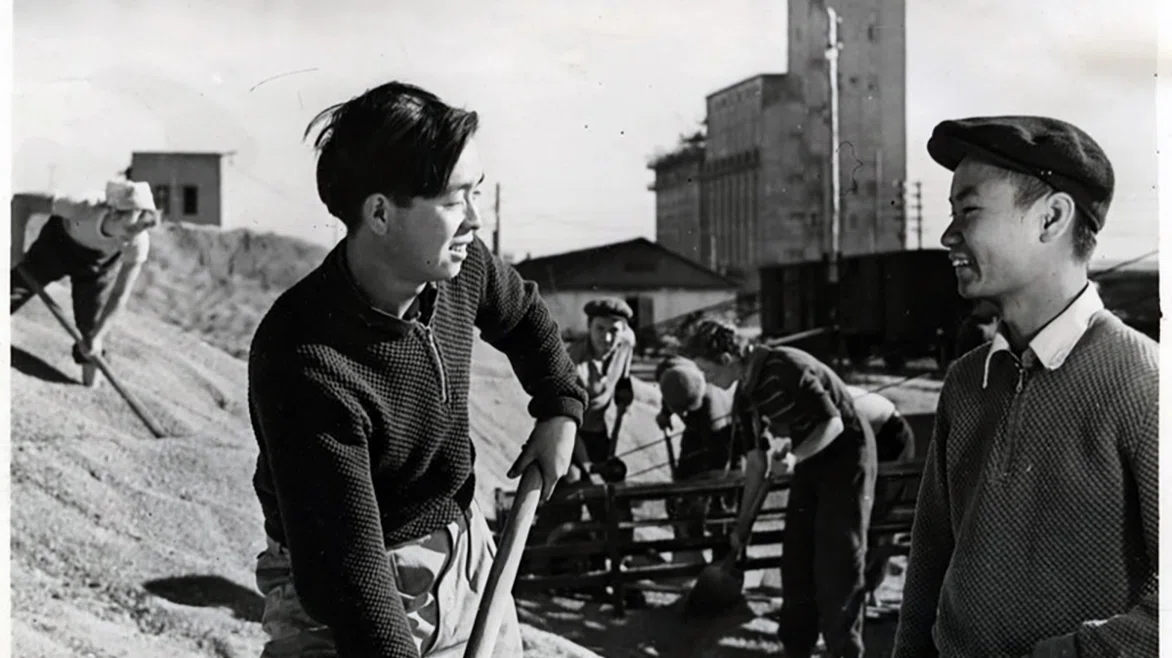
The development of virgin lands was one of the largest projects of the USSR. The post -war food deficit and Khrushchev’s pressure for the sake of uniting the country around a great idea provided the Soviet republics with bread. However, this program remains controversial. Some believe that virgin lands reserved kilometers of the dead land, went to the detriment of the interests of the peoples, and was a unprofitable project. Others are sure that there were only advantages: together with bread on the virgin lands, new villages and cities grew, the fertile potential of basement lands was realized.
To figure out what this project was in reality, what a heritage was and how virgin lands were mastered at all, the correspondent of Novye went to the former virgin land of the USSR in Kazakhstan.
Echelons on the steppe
On March 27, 1954, the Council of Ministers of the USSR and the Central Committee of the CPSU adopted a decree "On an increase in grain production by mastering virgin and reservoir lands." The program covered 42.5 million hectares of the steppes of the Volga, Siberia, the Urals, the Far East and Kazakhstan.
More than half of this territory accounted for Kazakhstani steppes - 25 million hectares. Later, the northern regions of the republic, where the most active development of virgin lands went into the virgin land. This education appeared on December 26, 1960. It was part of the Kazakh SSR, but was subordinate directly to Moscow with the capital in Tselinograd ( now Astana. - Ed. ).
The development of virgin lands began in the spring of 1954 with the creation of state farms ( state agricultural enterprise in the USSR. - Ed. ).
It took place without preparation and in the absence of infrastructure. Elementary no roads, granaries. The first virgins lived in leaky tents, sheds and barracks. In winter, they were overcome by Burans, and in the summer - steppe dry storms, dust storms and heat.
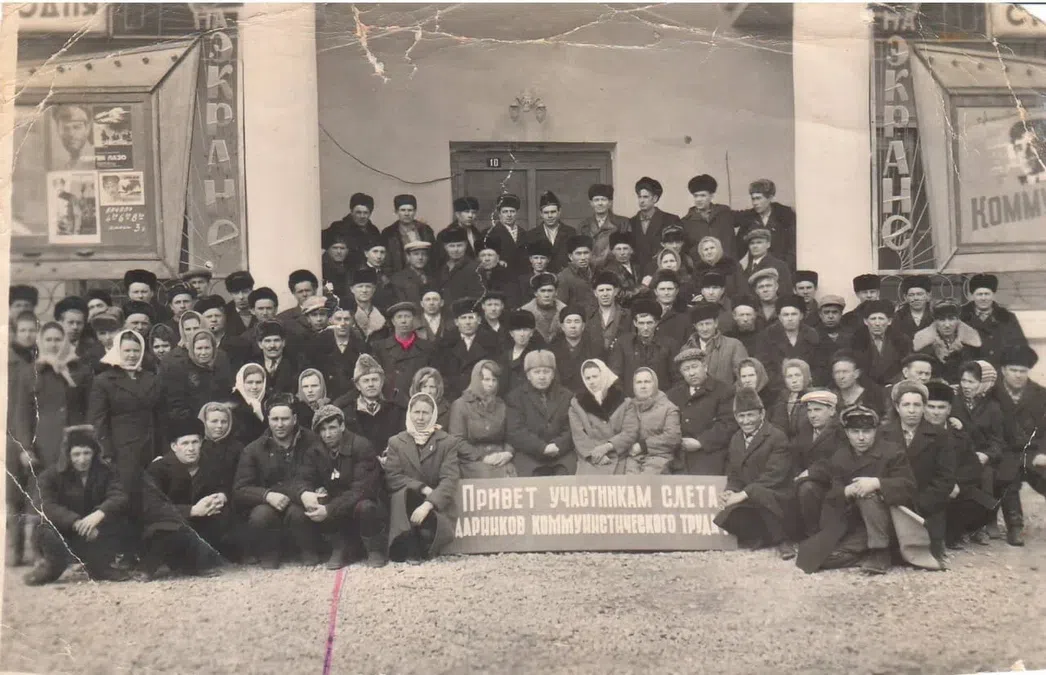
In the first years of the program, hundreds of thousands of people came to the Kazakhstani virgin soil, who mastered tens of millions of hectares of new lands.
We drove echelons. At railway stations, Komsomol members were met with flowers, songs and gratitude. These were new Soviet heroes.
- We drove fun, laughed to the loss of the pulse. There was a great enthusiasm. I wanted to swell more lands in order to then collect large yields and feed the family and the whole starving country with them, ”says Nikolai Barabanov, a resident of Kostanaya with the mood.
After wounding at the front and labor in the rear during the Great Patriotic War, Nikolai returned to Semipalatinsk, from where he quickly left due to nuclear tests at the training ground. The man decided that living next to experimental sites is unsafe, and moved his family to Kerch. But it was restless: often the children were blown up on the German combat grenades and mines left in the ground. Nikolai was afraid for his son.
- The son dragged grenades home. To protect him, it was necessary to leave, ”Nikolai recalls. - They just announced the virgin lands, I thought: I will grow my family there, I will help the state - and went to Kazakhstan. There were many of us in the train, Muscovites and Crimeans. We arrived at the state farm of the Ordzhonikidzevsky Kustanay region, the future village was called Crimean. It was in 1955.
Custanai is covered
In 1954, the Kostanay region ( previously Kustanai. - Ed. ) Had 6105 hectares of lands suitable for a plow, of which less than a quarter were sown. In the following years, the region becomes one of the largest grain regions of the USSR. The rise of virgin lands made more than 5 million hectares of land fertile, which gave the state 4.4 billion pounds of bread. The production of grain in the region increased by 5 times, sale - by 6.5 times.
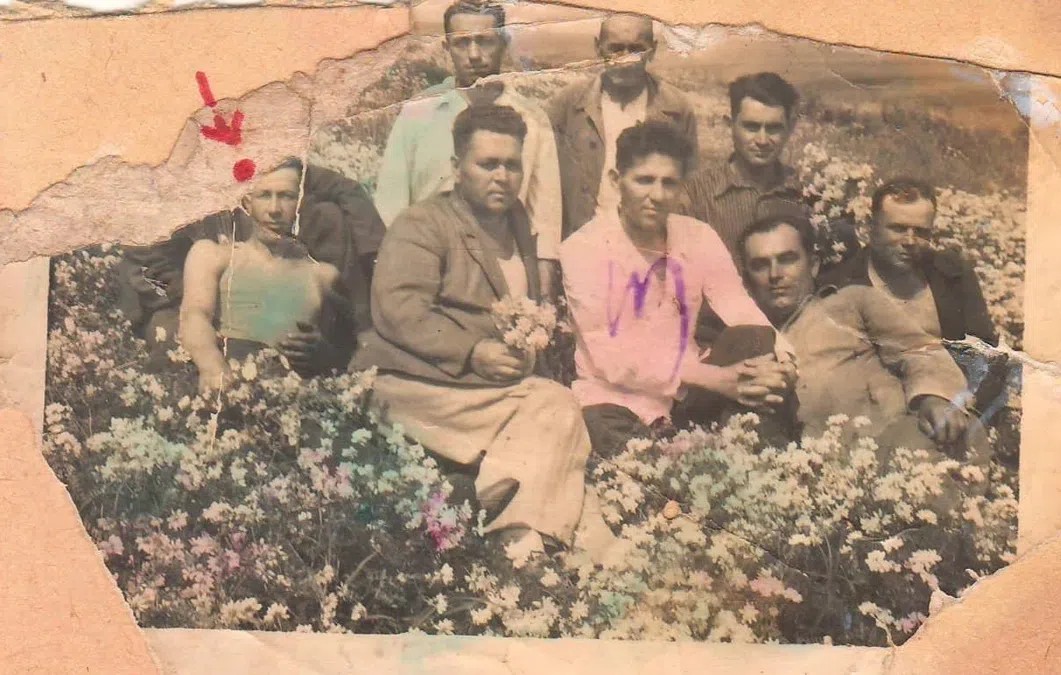
Only from 1954 to 1957, more than 150 thousand people of 40 nationalities moved to the Kustanayshchina. Over 100 new state farms and settlements with schools and cultural facilities were built. Next, new cities, railways and highways appeared, water supply networks and power lines. But Soviet life in the steppe began with tents and sheds.
“We lived in the stable,” Nikolai recalls. - There were 300 of us. In the evenings they gathered in a small trailer and sang songs. The harmonica, guitar played, the girls were vocal. But such gatherings rarely happened. We worked for days, very tired and lacking.
At the state farm, Nikolai got a job as a tractor driver.
The virgin land was so strong that the tractor, dragging the plow, constantly went with overload. The tracks could not withstand the volume of work and were torn.
They worked in shifts. The working day began at 6 in the morning and ended at 8 am the next day. The pace was taken by drums. The crops turned out to be rich.
“Until 1970, excellent crops were harvested - 18–20 tons of grain per hectare,” says Nikolai. - Different varieties of wheat were raised. They even left grain for food. Proud of work. They were proud that the USSR sold wheat to other states that did not have such beauty. Our team was friendly. If people saw that someone was not torn, they shared the last bread. We were friends. We are Bulgarians, Ukrainians, Russians, Kazakhs.
Barabanov with pleasure recalls how twilight lay over arable land. The majestic spaces of the steppe at the edge of the horizon cover the starry sky. Nikolai went to dry grass, silently looked at the large stars and felt the calm and even breath of the earth hot during the day. At dawn, he stopped the tractor in front of the bright rising sun and read poems about the dormant reeds and summer dawn to his son.
- In the morning there was a dawn: red, funny. The sun came out - before that beautiful! And how many birds were singing! .. Lark, Karatorgay - you hear! There were flocks of wild ducks and geese. Pasha Earth with a tractor - and I see a nest. One nest, two, three. In order not to smell, he put the nests in a cap, and then left in the field. I'm going further - a marf. Eats grass. He dug a new mink somewhere-he jumped on a plowing into an old house. He will stay with us, look around and runs away, ”the man says warmly.
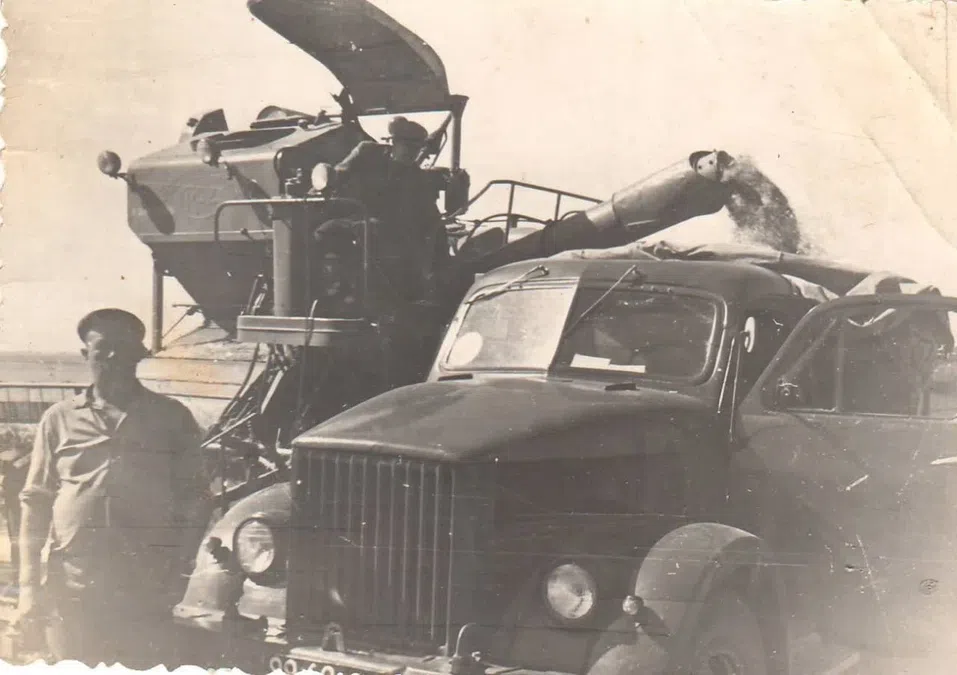
In late autumn and winter, when the steppe was in deep snow, Nikolai Barabanov worked as a dump truck driver. In the first years of virgin lands, he carried potatoes from Bashkiria for the villagers, and later - building materials, wheels, carts, transport. For success in the work, I received the Order of Honor. The party awarded him with new shoes, felt boots, a half -fur and a pea jacket.
The village of Crimean quickly grew up. Residential buildings for Tselinnikov, a school, a house of culture appeared. In the central estate ( the managerial center of the state farm in the USSR. - Ed. ) Was a school for high school students. Behind the village, surrounded by greenery, the herds of cows mumbled.
“I didn’t hear the livestock breeders were left without pastures because of the virgin lands,” my interlocutor shares. - It is not true that after us there was a dead land. It depended on fertilizers, weather, crop, agronomists. The virgin lands had no minuses. So I take the grain, eat a white bun and hand over bread to the state. This became possible in a starving country in just two years. Zeleeen provided the homeland with bread bins. If somewhere in the union is a crop failure, hunger, suddenly war-everyone was sure: we will give bread. We were one country with a single people.
Virginar Nicholas ended in 1984. At that time, the USSR experienced disornse crop failures due to depletion of the soil. With the collapse of the country, the state farms, where Barabanov worked from dawn to dawn 30 years, were abandoned and forgotten.
Zuresh
- When they made up projects, they opened the land almost under the villages. There should be pastures around the village. You will leave the house in the village - and arable land behind the hard path. Soil erosion occurred. A lot of land was launched on a plow, and then abandoned. Engineers are to blame for this, but they all came to us with good. There was more good, ”says Zauresh Shamambaeva, a metropolitan resident.
Zauresh dreamed of higher education. Before the development of virgin lands in Akmola ( the first name of the capital of Kazakhstan. - Ed. ), Which resembled a small village with roads full of mud, there were only technical schools. It was universities with Tselina in the city, and the first was the Akmola agricultural institute.
“I wanted to get an education and profession,” Zauresh recalls. - After the Kazakh school, my sister and I entered the agricultural institute. Teachers and rector were visitors. We were shown maps of the areas with agricultural facilities, and it turned out that we would be approximately such. Akmola at that time became Tselinograd, and a large construction began. Our family had a cow. Then Khrushchev arrived and ordered to remove cattle from the streets.
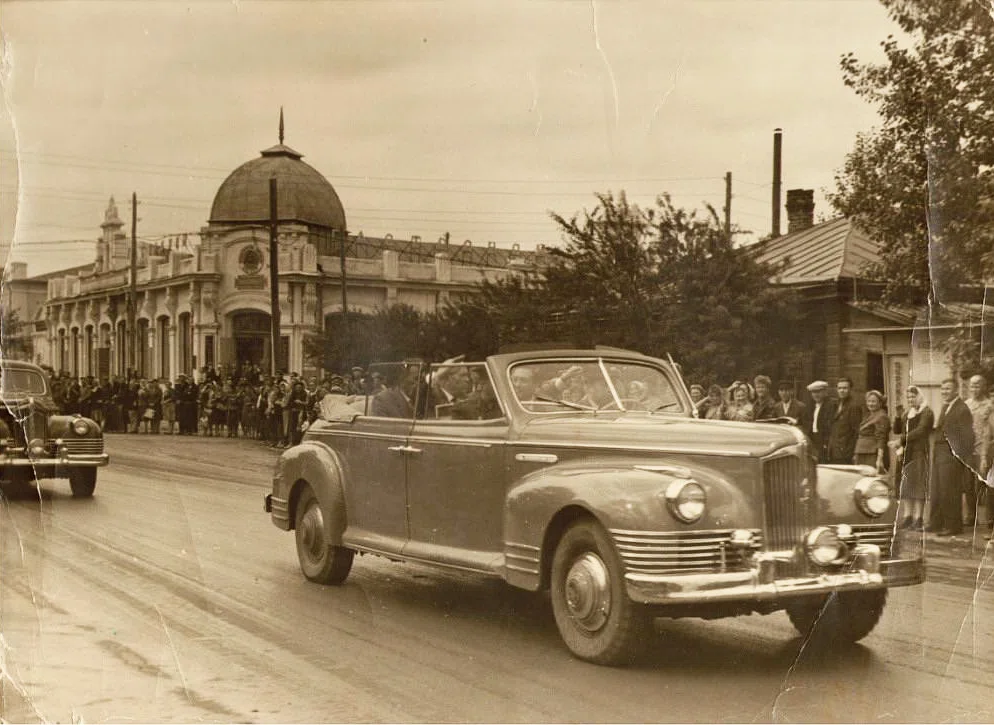
With the foundation of the virgin land in the city, a large street of the world appeared. The theater and the palace of Tselinnikov grew up. Tselinograd was covered with asphalt and built up residential buildings.
The connection with the Russian culture among the Kazakhs became constant.
They knew the Russian language, studied at schools at the Russian -speaking intelligentsia exiled during the years of repression in Kazakhstan and watched the performances of the theater from Moscow.
- Repressed in Algeria ( Akmola camp of wives of traitors of the Motherland . - Ed. ) Jewish ballerinas from Leningrad taught us dancing. Our parents constantly went to the theater. Pugacheva, Kobzon, Leshchenko - they all went through the palace of the virgin lands, ”says my interlocutor.
With the new name, the city has become even more multinational and multicultural. There were about 100 nationalities: Russians deported by Stalin Chechens, Ingush, Azerbaijanis, Jews, Ukrainians, Germans and others.
“The Kazakhs did not conflict with anyone and were hospitable,” recalls Zauresh. - My dad gave part of the land to Ingush Magomed. Belarusians and Jews lived nearby. We were all friends. Send mixed marriages. But there were virgins, who left the virgin lands due to disappointments: did not suit the work, the Motherland called to her.
In addition to the level of formation and production of bread, a large flow of migration from the republics increased the level of crime. Together with personnel, SSR soldiers and prisoners rode in the Kazakh SSR: they were promised lifting and housing. At the same time, the Kazakhs practically did not hold leading positions. Typically, the managers were appointed visiting leaders. The Russian language in Soviet Kazakhstan was promoted by Kazakh.
“It was like this: if you know the Russian language, you will be a man,” Zauresh will get in. - On the virgin lands were visiting Russian -speaking leaders who put their managers. These were good educated people.
Zauresh worked in the secret department for many years, made cards for agricultural lines of the Pavlodar region. She worked at the project institute in Tselinograd. She went to state farms to refer to agricultural facilities and boundaries of the local and transferred it to menzal maps.
- They joked that there are technologies that show objects from space, and the coordinates of elevators should be known to the whole world. I replied that this was such a job, there is nothing to be done, they pay money for this, ”the pensioner recalls laughing.
Zauresh had to work on cleaning. She threw wheat with a shovel into the bins. In winter, the car with difficulty walked along the icy virgin soil: the frozen ground was hung with shovels. To contain strong dusty storms, Zauresh, along with others, landed strips of wood plantings. Then they threw this business, and the ground devastated by the wind remained indistinguishable.
Remembering the Soviet time and the virgin land, which determined her fate, the woman talks about excellent ordinary people, with whom it was good, and about the smell of bread:
- Now the bread does not smell like then, and it tastes not the same. Maybe I ate. Thanks to the virgin lands!
Life from scratch
“Those who did not know hunger are talking about the minuses of virgin lands,” Valentina Chernenok, a resident of the capital of Kazakhstan, sighs. -My parents lost two daughters due to hunger in Russia and the Holodomor in Ukraine. The Soviet leadership needed to feed the country, and Kazakhstan has large natural wealth.
Valentina was born in the Bryansk region. Thanks to the teacher in the initial village school and father, who constantly worked in agriculture, she dreamed of becoming a teacher and an agronomist. The choice of professions was small, and in 1954 Valentina entered the Belarusian agricultural cadre.
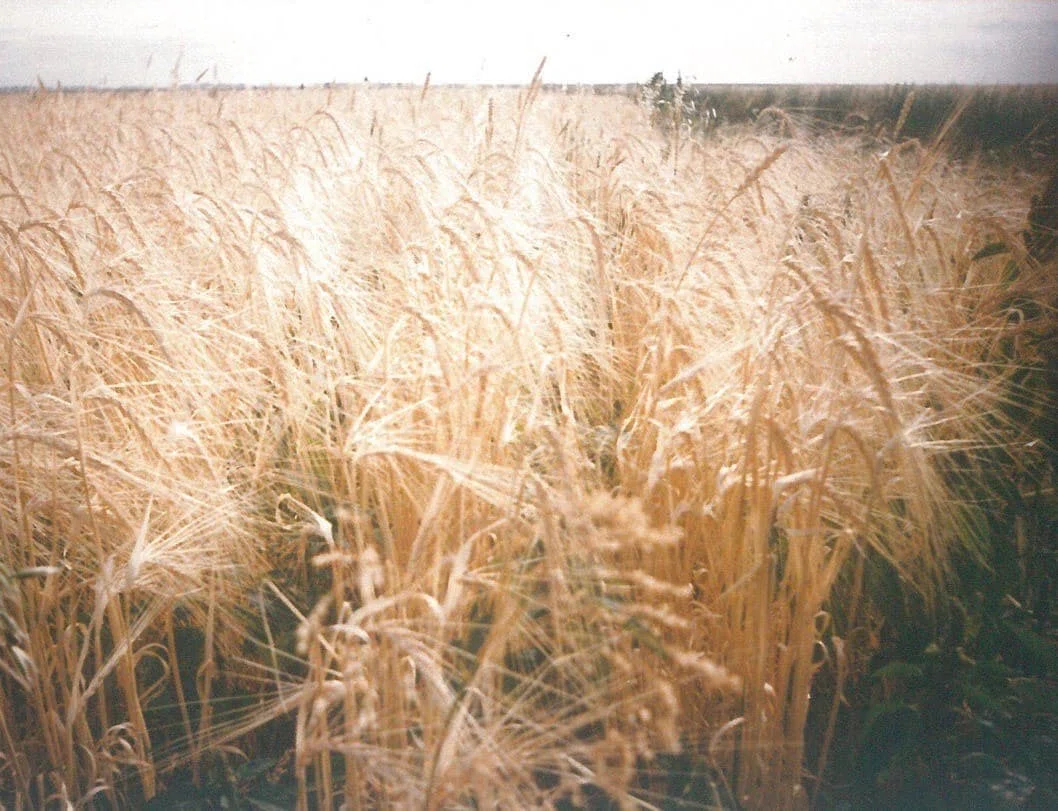
In the third year, students were sent to practice in the virgin soil in the Kazakh SSR. They worked at currents ( a platform for grinding grain. - R. Kh. ), Assistants on a tractor and a combine. They planted crops and harvested.
“We were driving a bit from Belarus in a carriage for the transportation of livestock,” the woman recalls. - There was a crossbar in the car so that we would not fall out. Inside, neither seats nor sun loungers are only hay. And they drove like this for three weeks. Upon arrival at the place, neither a stake nor the yard was found. The emptiness was. Steppe.
Life on the virgin lands was outlandish.
For six months, students lonely huddled in a holey tent. Peremnipotal rains rang over the steppe, which were blurred by the smacked huts.
There was a pot -bellied car for the work of the cooks, and behind it the endless naked steppe stretched. For lunch and dinner, they ate pasta with a combin. To diversify the diet, caught marmots and cooked meat. The imported drinking water was muddy white, as if sour milk was added to it.
“There were no conditions,” says Valentina. - But neither groans, nor insults, nor complaints - we did not complain. They understood that it was necessary to raise life, build it, how the Turksib was built ( a railway from Siberia to Central Asia . - R. Kh. ). Later, new villages and cities appeared in the steppe.
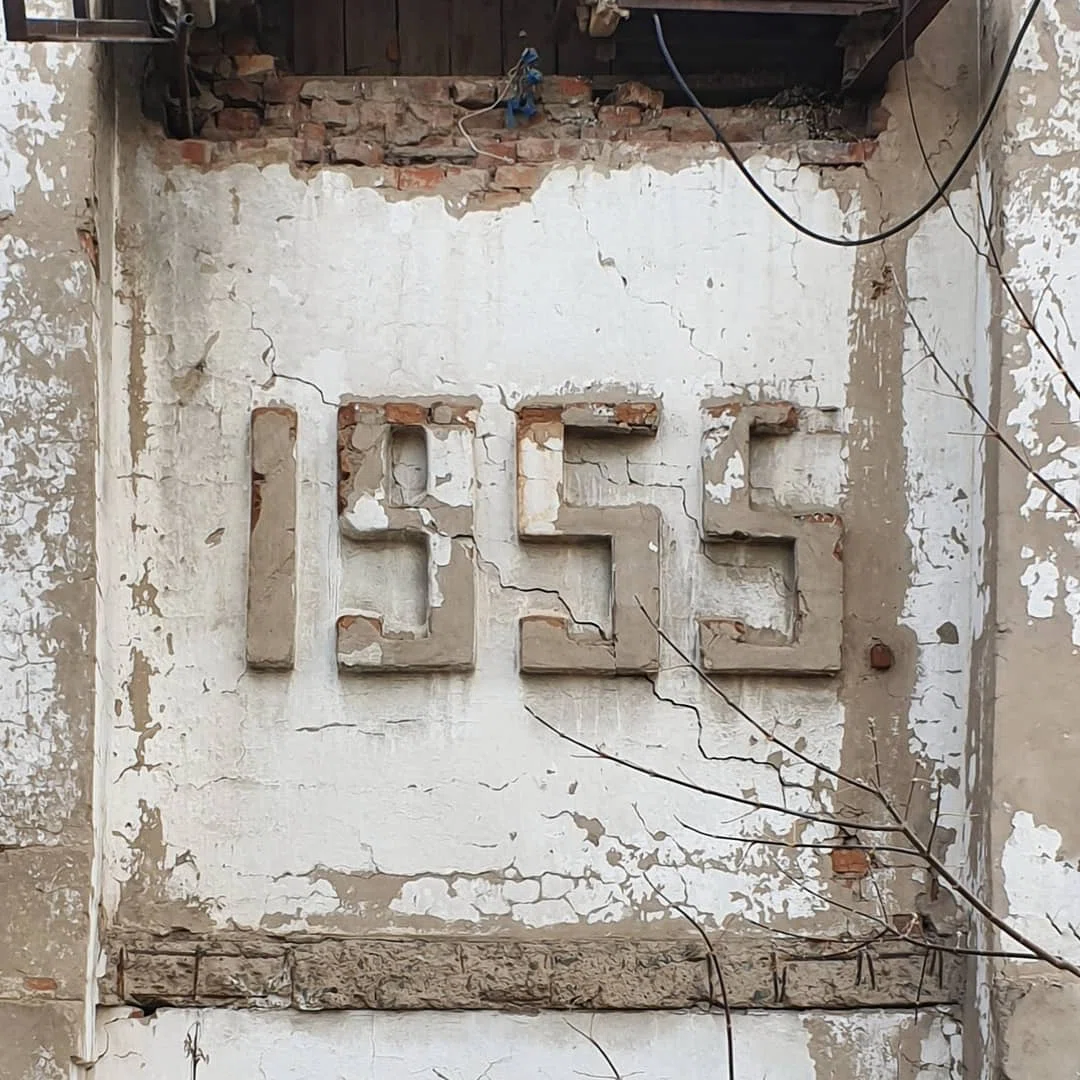
Practice ended in autumn harvesting. After the agricultural order Valentina, I went to the Peremoga state farm, where the swampy forests and there are no vastness of virgin lands. Having worked there for some time, on the advice of her father returned to Kazakhstan: for Tselina - the future.
“Upon returning, I was surprised to see the first electric light bulb on the virgin lands,” the woman smiles. - Civilization moved here. The best of the best went to the virgin lands.
At the central estate of the Kursk state farm, Akmola region Valentina found out that she was appointed agronomist, and Kursk is in the group of backward state farms. The work was difficult and intense.
“It was 1959,” recalls Valentina. - In Kursk, I was appointed an agronomist and settled in the hut. We loaded Zila with grain with cast -iron scoops. They finished in the morning, climbed into the truck, buried in this grain and rode so to Tobolsk so as not to freeze. Then I became the main agronomist. I really wanted to take shape to the fields, restore order there. Zeleeen was something unknown and interesting. Every day I opened a new one for myself. The steppe is immense.
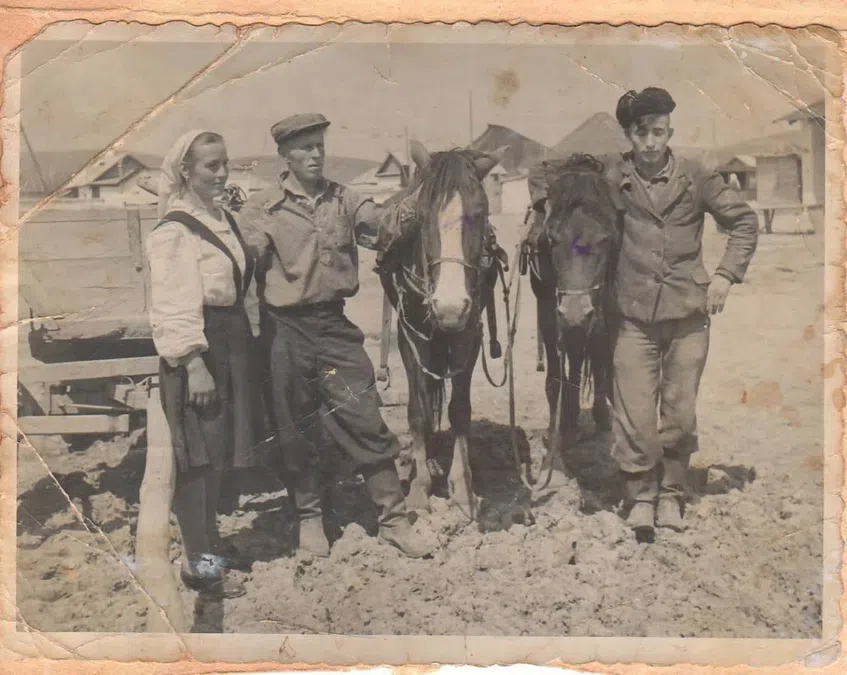
The state farm had an area of 33 thousand hectares, 29 thousand of them were agricultural vehicles. They grew wheat, oats, corn, barley, sunflower. Valentina rejected seed -breeding crops. The dump soil processing began, which was introduced to combat erosion. But many workers did not understand the device of agricultural machinery. Chernok showed the collective farmers a plowing gun and taught them to manage them on a tractor. She was responsible for the workshop and supply of the state farm, in charge of the young staff. The 15-year-old graduates of the Federal Penitentiary Service ( the school of factory training in the USSR.-R. Kh. ), Who were sent to the virgin soil with machine operators, Valentina replaced her mother: next to her the guys found comfort. The state farm began to give excellent crops.
“Success depended on efforts,” says my interlocutor. - It cannot be said that they plowed the whole earth without leaving the pastures: there were the largest farms of the USSR. But dusty storms caused great harm to the ecosystem. They fought with this problem gradually. First, forest belts were sown, then they introduced the soil -protective technology of agricultural processing. The development of any solid land begins with the work of soil scientists. They analyze the suitability of the soil for crops. They did it on the virgin lands, but then
The earth was open faster than soil scientists managed to do their work - the state was in a hurry with the solution of the bread issue. As a result, about two million hectares of land have become wrong.
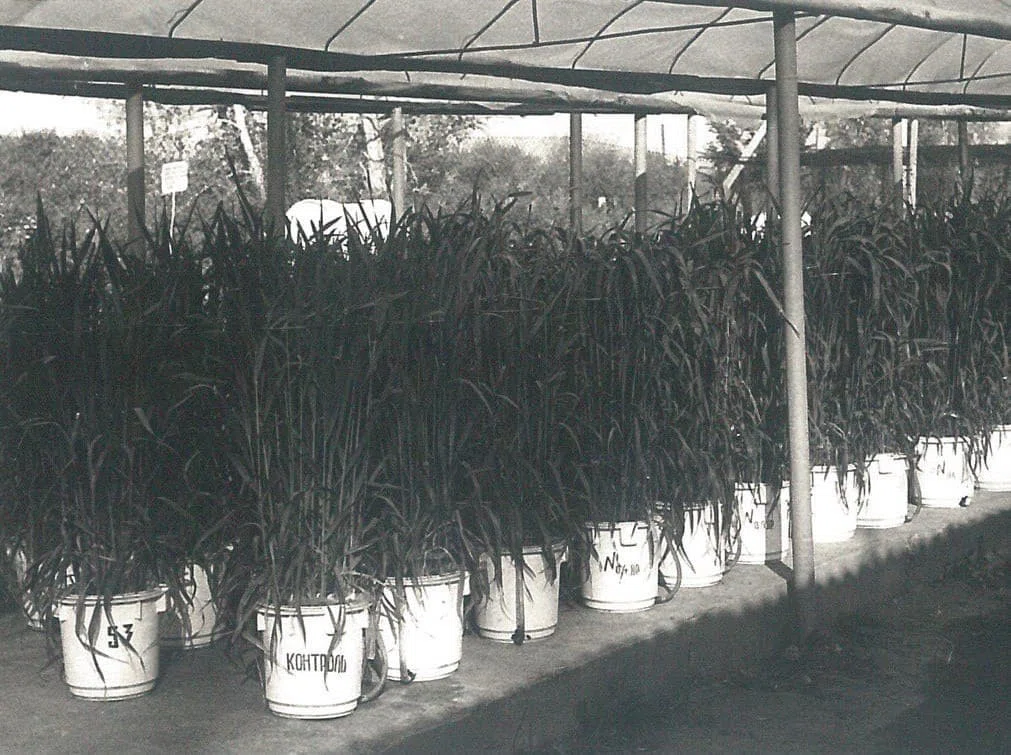
For successful work at the Valentine state farm, he was elected a member of the Presidium of Kraisovprof, a deputy of the regional executive committee. In 1962, she was transferred to the deputy administration of agriculture, in 1963 he became the main agronomist of the virgin regional regional department.
Having a dozen state awards, more than 200 scientific papers, Valentine today - Doctor of Agricultural Sciences, works at the Kazakh Agricultural Technical University. She teaches students agrochemical disciplines, often recalling the virgin lands.
- I surrender to work in full. Has not been on vacation since 1987: all science and projects. I was lucky to do what I love. In agronomy, I wanted to get to the bottom of the truth. I have achieved good crops on the virgin lands and the best hospitals. I am offended when biased things speak of virgin lands. It hurts to see how the memory of her seem to disappear. Zelevine is my whole life, ”Valentine quietly summarizes.
Abay on Lenin Street
For two hundred years, the fortress of Akmola turned into a city, received the status of the capital and changed several names. В последний раз это случилось в 2019 году, когда Астана вдруг стала Нур-Султаном. Жители не приняли это решение сверху, но давно привыкли к большой стройке, на которую государство тратит миллиарды и которая убивает исторический город.
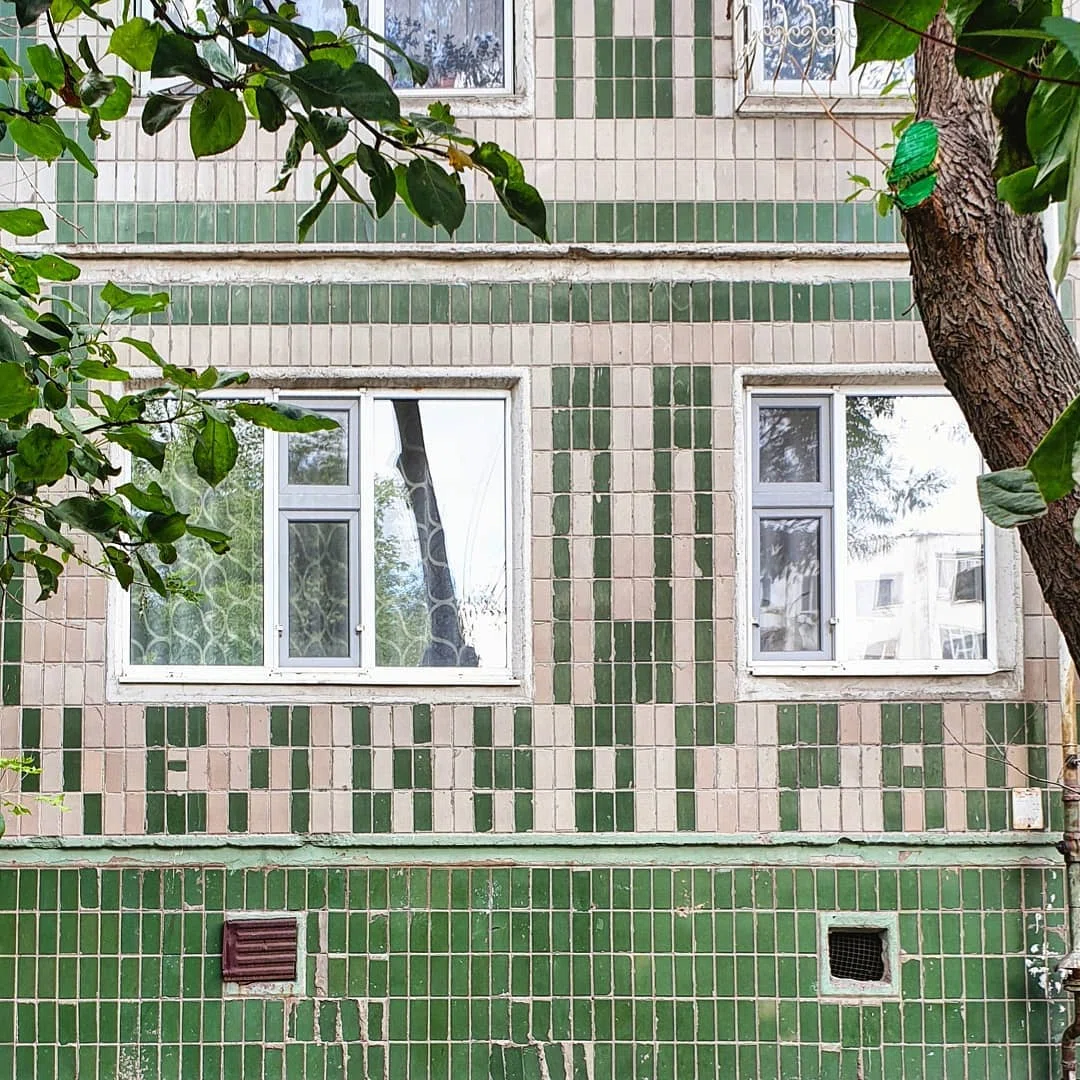
— Это можно как-то оправдать переносом столицы, — считает Темиртас Искаков, местный житель. — В каком-то смысле город стал лучше, и уровень жизни повысился. Но ключевые исторические точки нужно сохранять.
Мы идем по бывшему проспекту Целинников. В советское время здесь был въезд в город, монумент целинникам с постаментом, на котором возвышался колесный трактор К-701 ( «Кировец». — Р. Х. ).
Сегодня «Кировец» работает в селе Родина, а на проспекте, который получил название «проспект Республики», многое изменилось. Здесь выстроили новые здания, рядом появилось посольство России. Жилые дома облицевали, но с фасадов считываются элементы советской архитектуры.
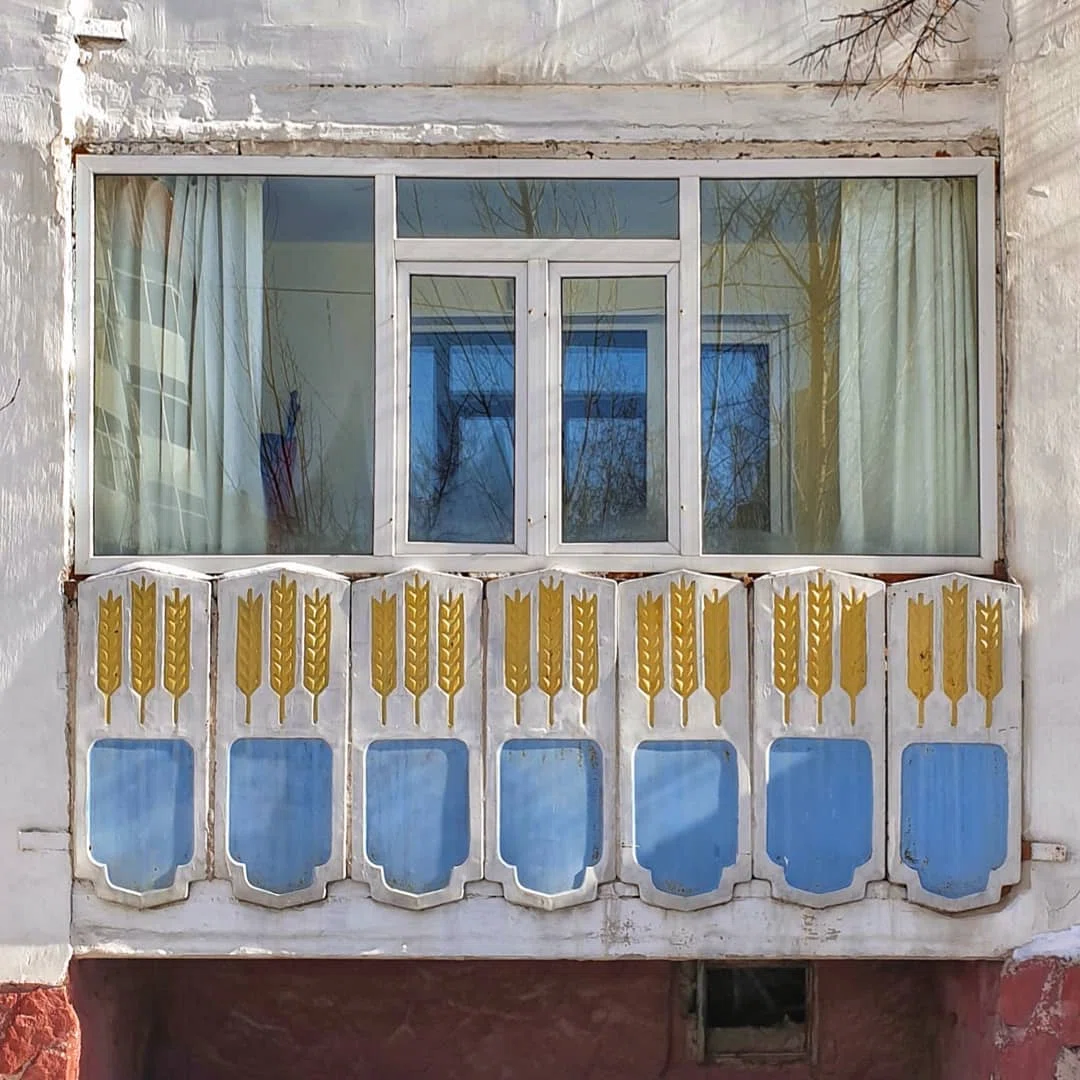
— Эти девятиэтажки были воротами в город, — показывает Темиртас. — Это место остается важным узлом. Если посмотреть на дом сверху, можно увидеть стилизацию под колос пшеницы.
Мой гид Темиртас, архитектор и активист, популяризирует историю Астаны через свой проект Fading.TSE . Он знает каждый двор столицы и выступает за сохранение исчезающего города и природных объектов.
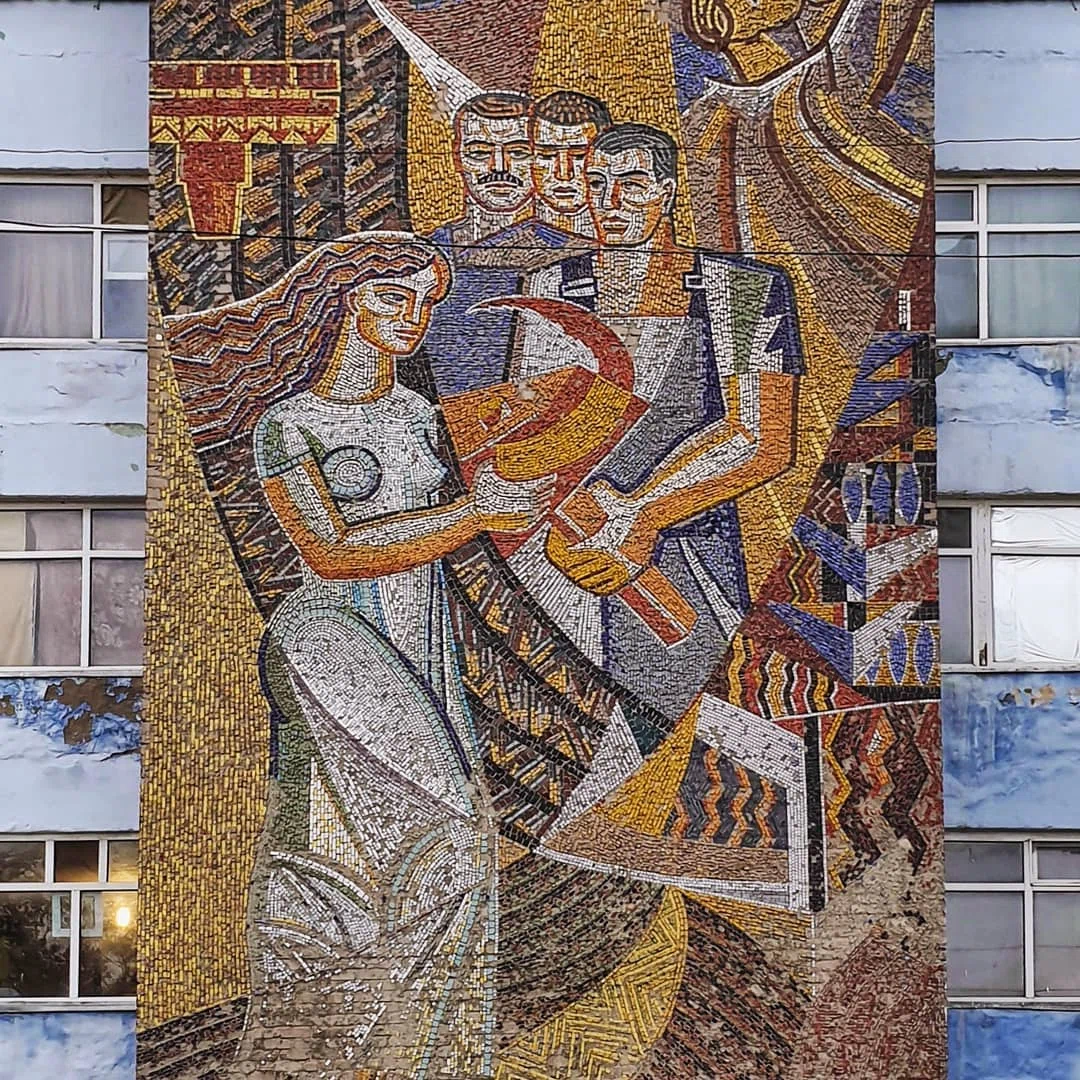
— Этот художник приехал на целину: кроме рабочих, на стройку отправляли художников, — увлеченно рассказывает архитектор. — Я называю эту работу «Целиноградские Адам и Ева». Мы видим на фасаде мужчину, женщину, детей, линии электропередач, колосья — мечту об обетованной земле. Люди — словно атланты, покорившие непаханую степь. Эти образы служили советской пропаганде.
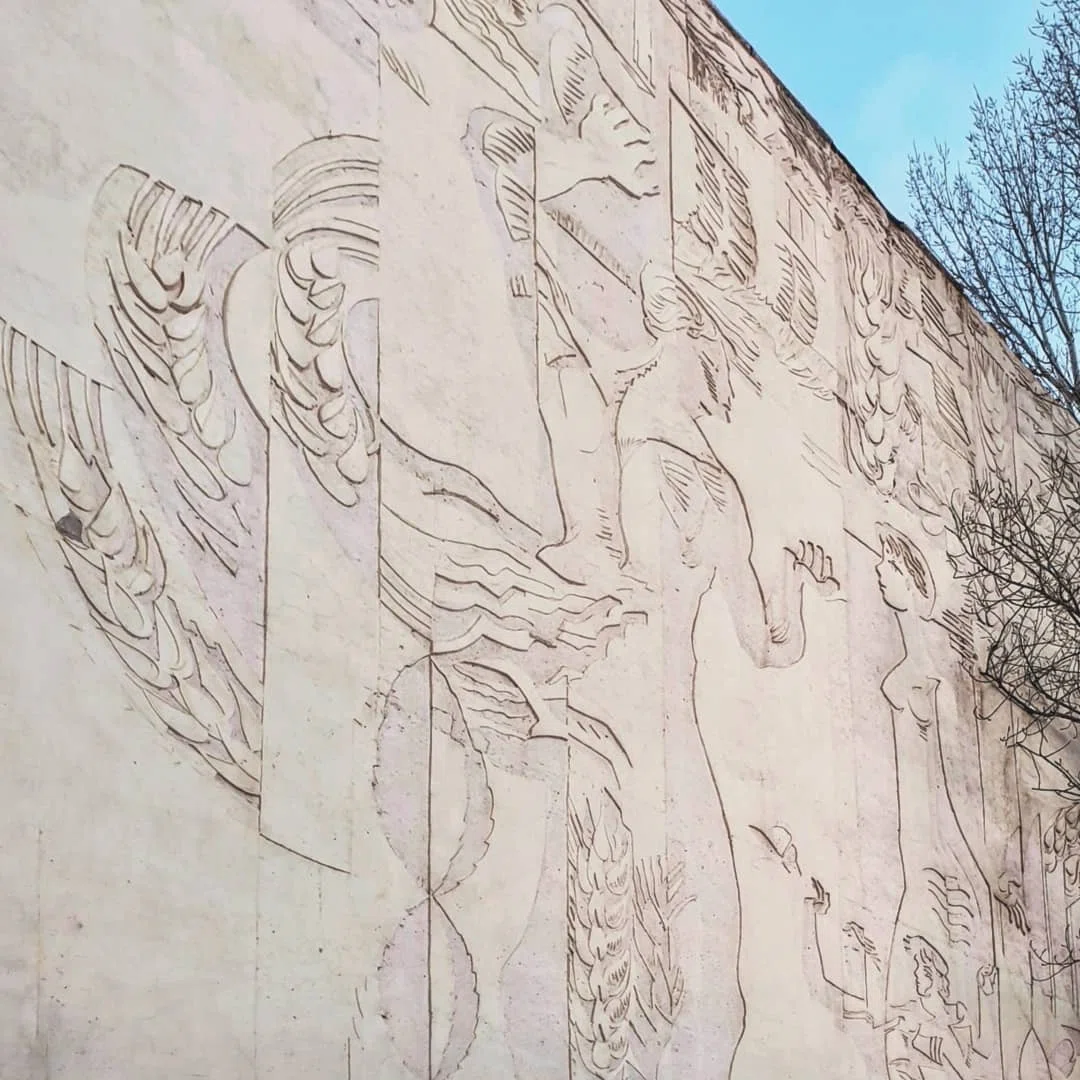
We move on. Темиртас говорит, что ждет, когда с домов вдоль проспекта сдерут нелепый керамогранит, чтобы горожане узнали, какой была главная улица Целинограда: людям будет с чем сравнить.
Проходим бывшее кафе «Фламинго», бывшие советские рестораны «Космос» и «Золотая Нива». Раньше целинники играли здесь свадьбы. Сейчас это рестораны сетей фастфуда. За ними — пустые неуютные «коробки». Ныряем во двор.
Темиртас показывает на колосья пшеницы, которые органично встроены в общую картину фасада хрущевок. В обычный день я бы этого не заметил, а жаль: детали составляют идейную архитектуру Целинограда.
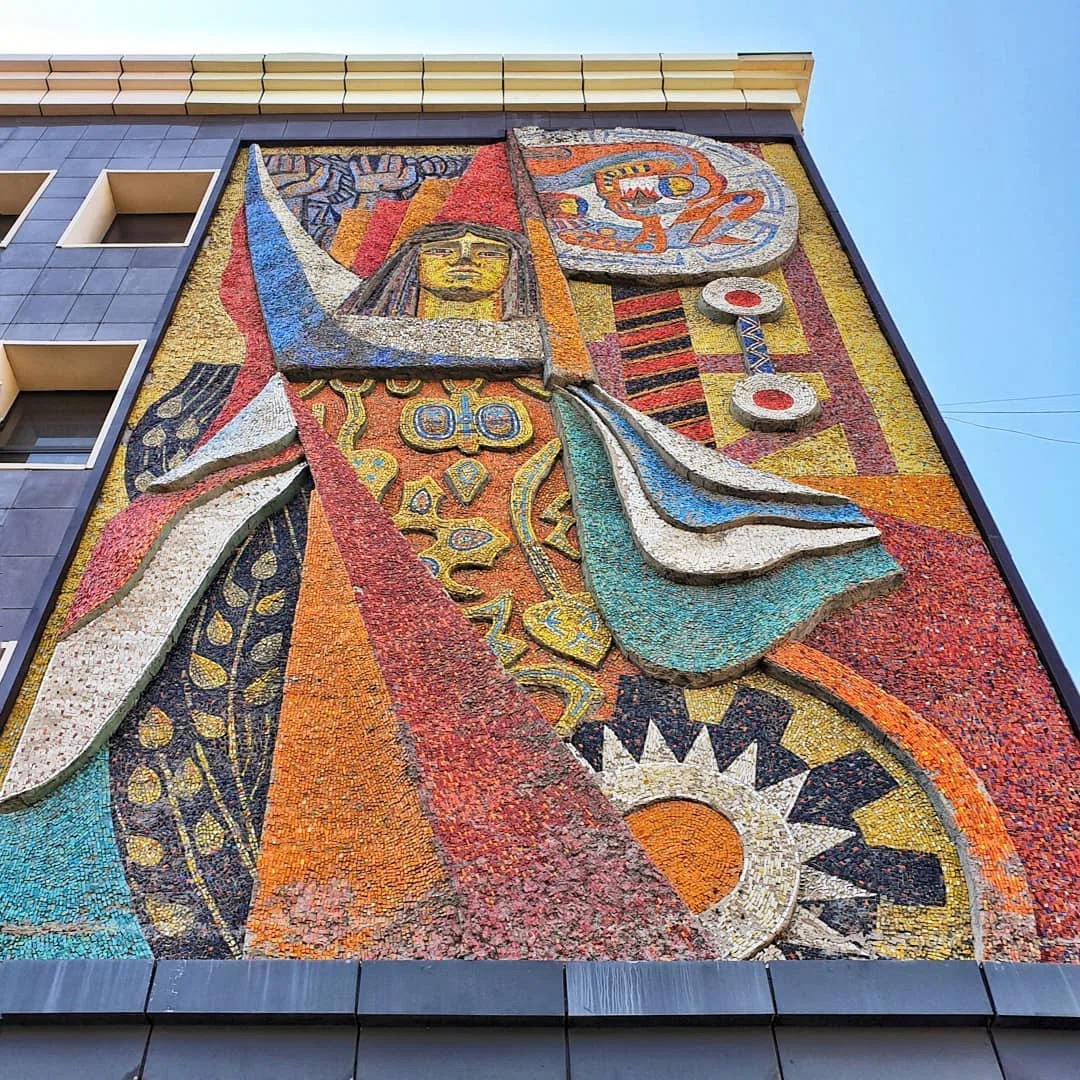
Мы идем к старой городской площади Ленина. Изучаем купеческие усадьбы, футуристические советские мозаики, бывшие социалистические клубы, сталинские дома. Это противоположно помпезным бездушным новостроям Левого берега ( современная часть города. — Р. Х. ).
Оказываемся на бывшей площади Ленина. Раньше здесь была городская администрация, нулевой километр, Дом советов, центр старого города.
Бывшее здание проектного института «Целингипросельхоз» возвышалось над Астаной и служило ориентиром для жителей, в первые годы после переноса столицы здесь заседал парламент.
Напротив здания — памятник казахскому поэту Абаю. Он стоит на постаменте, который занимал бронзовый Ленин: советского вождя сменил кажущийся оторванным из-за высокой подставки памятник классику казахской литературы.
— Это навязанный и сакрализованный символ, — уверен Темиртас. Таким же был Ленин в СССР. Теперь вместо него на нас свысока смотрит Абай. Улица Ленина была переименована в проспект Абая в 1997 году. Людям нужно оставить старый центр, чтобы они могли чувствовать здесь историю. Важно сохранить старые работы. Мы можем по-разному относиться к советской истории. Но уничтожение архитектуры и искусства — мозаик, росписей, зданий — грозит тем, что пространства для обсуждения той же целины не останется. История забудется, через 30–40 лет снова придут люди, чтобы как попало вспахать землю.
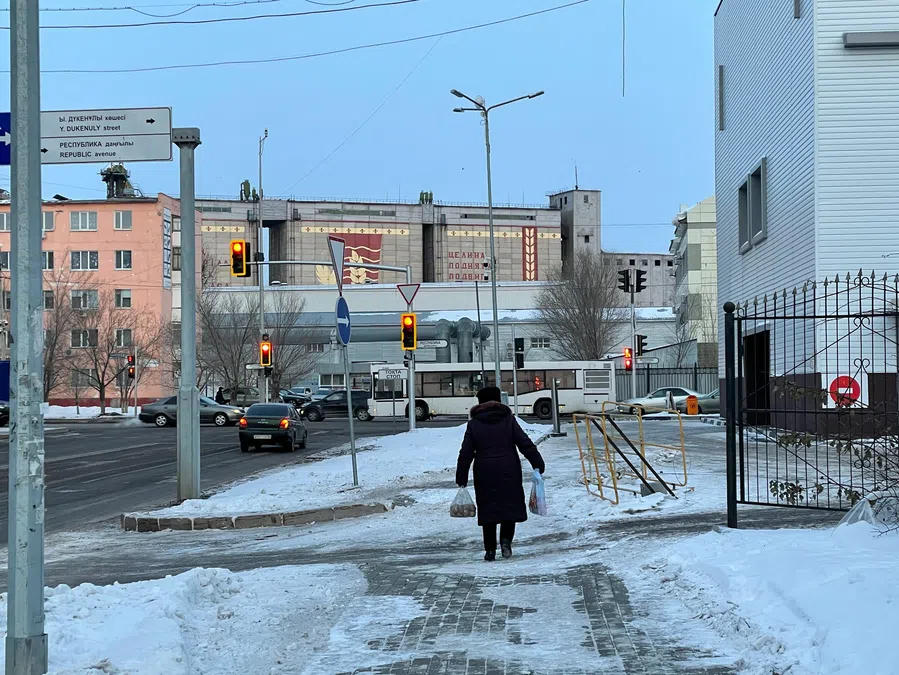
We move on. Серое небо превратилось в бледно-синий студень. Подул сильный вечерний ветер. Впереди главный памятник целины — заброшенный железобетонный элеватор-гигант, который был самым высоким зданием Целинограда конца 50-х. Рядом с ним — пристроенный брат-близнец. На грязно-сером корпусе — надпись: «Целина поднята — подвиг продолжается».
Сегодня благодаря целине Казахстан остается одним из крупнейших производителей пшеницы в мире.
Memory card
— Важно сохранить память о целине, — считает Ерлан Баренов. — Мы получили ее от старшего поколения победителей и хотим оставить детям.
Ерлан — бизнесмен-энтузиаст. Он коллекционирует советские антикварные предметы и занимается восстановлением ретроавтомобилей. В автокомплексе Ерлана на окраине Астаны работает около 60 человек. Они собирают советские грузовики по частям, которые находят по всему бывшему СССР. Делают это из любви к технике и для сохранения памяти. Потом ретроавтомобили участвуют в съемках фильмов, автопробегах и выставках о целине.
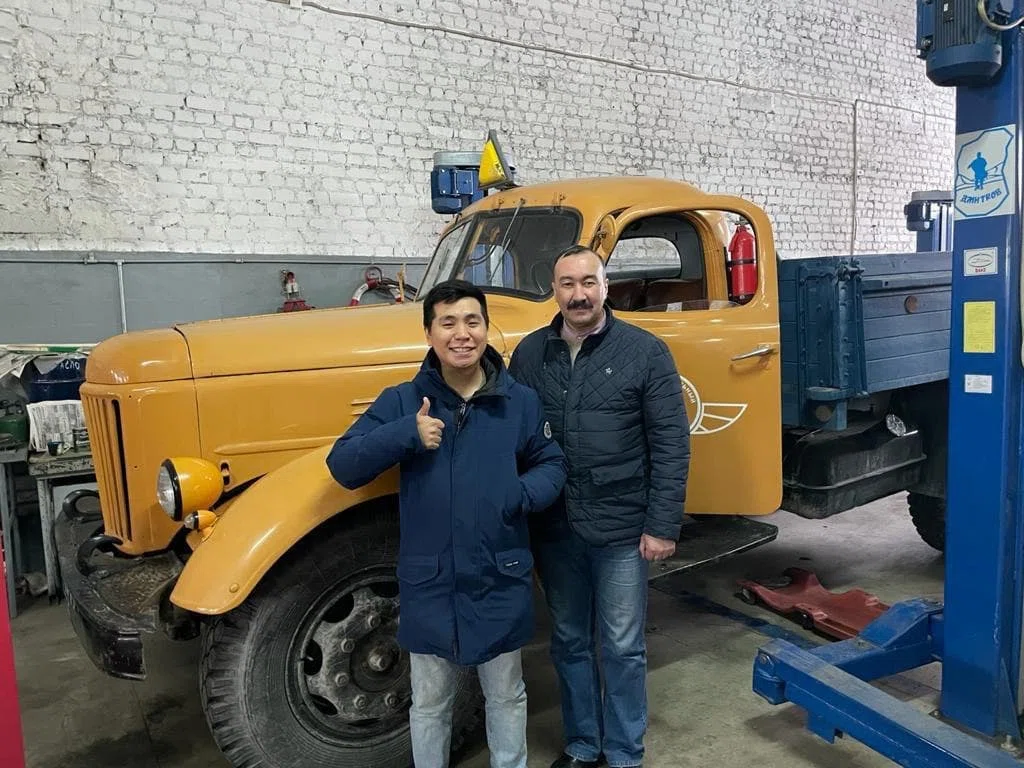
— Некоторые люди еще живы той большой идеей, — делится мой собеседник. — Стараются это сохранить. Отдают даром или продают части автомобилей и старые советские вещи. Еще мы многое находим сами. Восстанавливаем.
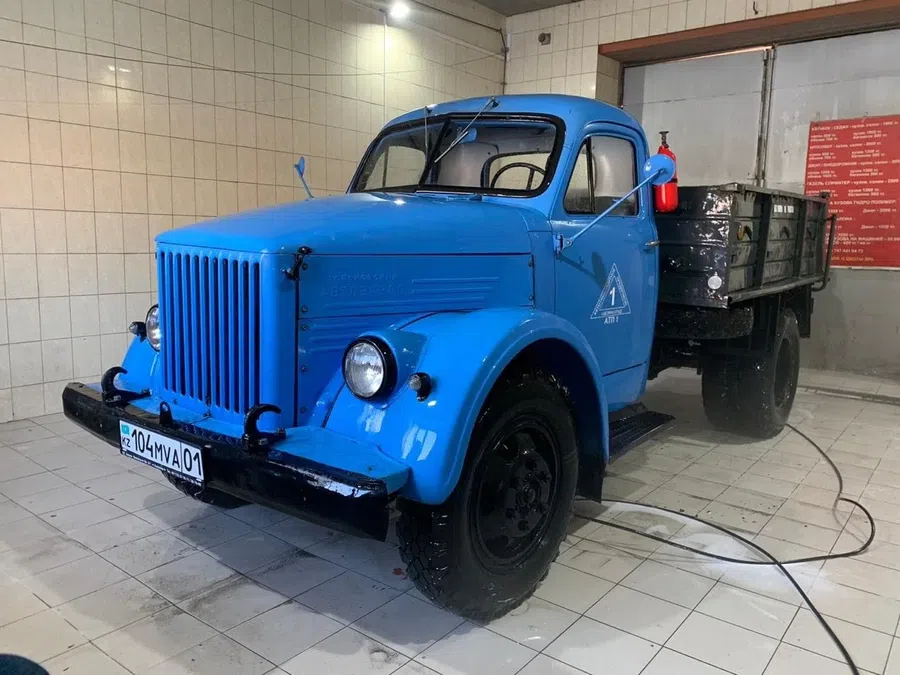
Из цеха автокомплекса, где нас встречал грохот рабочих выкриков и гул оборудования, а провожали гостеприимные улыбки мастеров, мы выходим во двор, и там нас ожидает синий грузовик. Это советский самосвал ГАЗ-93, который выпускался в СССР с 1948 по 1976 год, работал на целине и был собран командой «Автодела» ( автокомплекс Ерлана. — Р. Х. ). Забираемся в кабину «газончика».
Ерлан заводит грузовик, мотор начинает по-стариковски кряхтеть, трогаемся. В кабине тесно, панель ГАЗа скудна: спидометр «без наворотов», переключатель поворотников, руль-баранка, маленький бардачок и длинный форменный рычаг коробки передач. Когда Ерлан тянет за него, грузовик начинает давиться механической отрыжкой.
— На этом месте человек работал с 8 утра до 8 вечера, — объясняет Ерлан. — В этом автомобиле минимум комфорта. Люди были с большой мотивацией, в то время это называлось настроем. Все они старались перевыполнить план на благо Родины.
Дорога внизу укрыта белым, мы поднимаемся на шоссе. ГАЗ урчит, словно танк. Перекрикивая мотор, Ерлан рассказывает о том, как, будучи первоклассником, переворачивал валки зерна в поле вместе со школьниками, студентами и рабочими. Целина касалась всех жителей, но мальчишек больше впечатляло старшее поколение.
— Они привыкли жить в режиме самоотдачи, — рассказывает Ерлан. — Сначала пять лет войны, через 8–9 лет — целина, нужно было поднимать страну. Это были железные люди. У самой целины были огромные плюсы, но минусы тоже были большие.
На шоссе оживленно. Замечаю долгие восхищенные взгляды водителей, по-ребячьи улыбающихся раритетной машине.
— Благодаря целине случилось культурное обогащение населения и интернациональное воспитание, — рассуждает Ерлан. — Казахстанские ребята ощущали себя более свободными, и мировоззрение было шире. Мы знали, кто такие армяне, азербайджанцы, грузины и другие, потому что мы жили вместе. Мы — поколение целинников, которое получило здесь хорошее образование. Это человеческий фактор, который перевешивает минусы целины.
К минусам Ерлан относит упадок животноводства и приезд на целину преступных элементов, которые воровали и грабили.
Впереди, уже за городом, появляется огороженный объект автокомплекса Ерлана. ГАЗ сбавляет ход: въезжаем на территорию. Оставляем самосвал и идем по хрусткому снегу к заржавевшим автобусам, к военным, пожарным и рабочим автомобилям, которые завалены плотными сугробами. Скоро они будут восстановлены, как уже были собраны здесь остальные ретроавтомобили.
Готовая техника находится в ангаре. Рассказывая об автомобилях, Ерлан вспоминает СССР как сверхдержаву:
— Мы выезжаем в автопробеги, и люди в городах принимают эти автомобили на ура. У них положительные эмоции, потому что они вспоминают то достойное стабильное время, когда, по их мнению, все было надежно и ответственно.
«Целина — неоднозначное явление»
Галья Алпыспаева — доктор исторических наук, профессор Казахского агротехнического университета имени Сакена Сейфуллина — согласилась ответить на наши вопросы о целине.
— Можно сказать, что идея Хрущева о целине преобладала над здравым смыслом?
— Идея целины вполне вписывалась в концепцию развития СССР, которая была в середине 1950 годов. Освоение целины — это многоаспектное явление, и просто так нельзя сказать, плохой была эта программа или хорошей.
Когда принималось решение, единого мнения о целине не было. Ученые были против распашки залежи, потому что целина была научно необоснованным проектом. Это самое печальное.
Идея о распашке земли на Востоке была не новой. Впервые о ней заговорили в XIX веке. Потом в 1920-е и 1930-е годы. Но это случилось лишь в 1950-е годы при Хрущеве, и ученые считают, что целина была нужна этому руководству, чтобы в том числе объединить страну вокруг грандиозной задачи и отвлечь население от социальных проблем.
Кстати, сестра Хрущева была в ссылке в Казахстане. Она писала брату, что здесь много земли для пшеницы, овощных культур. Видимо, это запало в голову будущему секретарю ЦК.
— Почему целина была научно необоснованным проектом?
— По своей сути целина была большой экономической реформой экстенсивного характера. При таком подходе нужно было предварительно изучить составы почв, определить, какие сорта пшеницы выращивать. Это начали делать в Казахстане только в 1961 году, и специалисты рекомендовали необходимые технологии для обработки земли только через пять лет после начала самой целины. То есть с 1954 года здесь работали с землей так, словно это черноземная полоса России, хотя у нас совершенно другая почва. Это негативно сказалось на нашей экосистеме и животноводстве.
Поголовье скота резко уменьшилось из-за ликвидации пастбищ. На февральско-мартовском пленуме 1954 года были определены конкретные цифры по освоению целины. Предполагалось распахать 13,2 млн гектаров (6,3 млн гектаров в Казахстане) залежных земель СССР, а распахали 42 млн, из которых 25 млн гектаров пришлось на республику. Причина — в советском подходе, который утвердился в 1920–1930 годы, — это перевыполнение плана.
К осени 1954 года из-за стараний чиновников на местах положенное количество земли уже было вспахано, и министр сельского хозяйства поручил ввести в хозяйственный оборот новые миллионы гектаров.
В начале 1960 годов Павлодарскую область охватили страшные пыльные бури. Они появились во всех целинных областях.
Бури вредили здоровью людей и животных, засыпали реки и озера, разрушили экосистему. В степи много водных объектов было, но вспахали русла, и они исчезли. Также пропали некоторые виды животных и рыб. Кроме ветровых эрозий случались водные.
Кроме того, некоторые совхозы строились прямо на территориях заповедников. Беда была в том, что руководители хозяйств не несли ответственности за это, потому что в то время не было правовой базы по экологии.
— Почему все было так губительно и непродуманно?
— Пятидесятые годы — это расцвет советской командно-административной системы. Все распоряжения, указы шли сверху. Люди не имели самостоятельности. Например, пока наверху не примут бумагу о сборе урожая, он не начнется, даже если зерно созрело и пора бы его убрать. Когда руководство спускало план, его исполнители должны были во что бы то ни стало выполнить нормы. В таких условиях вопросы экологии не учитывались: нужно было показать цифру и отчитаться по ней. Проблема была в самой системе, которая отторгала разумные решения.
Но, конечно, дать однозначную оценку целине невозможно. Если судить о программе как об общесоюзной реформе, то экономически она была неэффективной. С каждого вложенного рубля целина давала стране всего 13 копеек.Коллеги-ученые подсчитали, что если бы на землях, которые имелись в сельхозобороте Союза до программы, увеличили урожайность на один центнер, страна получила бы такое же количество зерна, какое дала целина.
К тому же предполагалось, что один гектар земли будет давать 16–18 центнеров зерна, но такие высокие показатели были лишь в первые годы программы. Потом земля истощилась, и с гектара целины собирали в среднем по 6–8 центнеров пшеницы.
К урожаям страна не была готова.
В некоторых хозяйствах пропадало до 50% зерна, потому что не хватало рабочих, чтобы убрать, техники, чтобы свозить, и зернохранилищ, чтобы сохранить хлеб.
Однако если рассуждать о целине с позиции нашей республики, то этот проект был больше благом, несмотря на ухудшение экологии и упадок животноводства. Целина для Казахстана — это огромные инвестиции, новые специалисты и 596 новых совхозов со школами и социально-культурными объектами. Это серьезное развитие инфраструктуры и строительной индустрии, создание производственной базы, процессы урбанизации. Здесь появились сильные университеты, очень повысился уровень образования населения.
В каждый совхоз, даже самый далекий, вела шоссейная дорога, и там было электричество, когда не все в городах СССР знали, что такое лампочка.
Наша столица стала по-настоящему городом лишь в годы целины. Здесь была создана строительная инфраструктура, сформировались экономика и социокультурное пространство. Это был очень прогрессивный проект. Планировали создать образцовый советский город. Наконец, благодаря целине мы имеем свой хлеб, который едим и продаем. Это хлеб высокого качества.
Многие историки, когда ругают целину, говорят о демографических изменениях в Северном Казахстане, которые были не в пользу коренного населения. Дело в том, что в 1961–1962 годах республика оказалась в демографической яме. Тогда удельный вес казахов из-за наплыва двух миллионов целинников составлял лишь 29%. Это обострило языковую проблему. Сфера применения казахского языка сократилась. Стали закрываться казахские школы и печатные издания. То, что после развала СССР большая часть казахов из северных областей не говорили достаточно хорошо на родном языке, — тоже последствия целины. Эта проблема тянется оттуда.
Также в годы целины в Казахстане выросла преступность. Например, местное население говорило, что до целины никто не закрывал дом на замок, а потом это пошло. Проблема была в том, что на освоение земель ехало очень много людей, и в этой массе хватало бывших заключенных. Они пользовались возможностями, которые давала целина. Однако к 1970-м годам уровень преступности спал и стал средним по СССР. Но большинство приезжих на целину состояло из идейных романтиков, которые ехали поднимать страну.
Советский период — это очень противоречивая эпоха. Нельзя очернять ее, но говорить, что все было хорошо, тоже неправильно. С обывательской точки зрения целина — романтика. Люди получали здесь большую поддержку государства, работали, строили свою жизнь
— По моим ощущениям и наблюдениям, память о целине в Казахстане как будто исчезает. Насколько это правдивое ощущение и если да, почему это происходит?
— Эта проблема есть, и она стоит остро. Когда мы стираем культурное пространство города (например, столицы) или городской культурный слой, мы не просто стираем память, мы отбиваем туристический потенциал. Западные туристы приезжают в город, просят показать им советский Целиноград. Это интереснее новостроек. This is a story. Но мы оббили здания китайской плиткой, поменяли облик города, снесли некоторые дома и стерли исторический культурный слой.