
Translated material
In the Dark Kingdom
The year has just begun, and the main novel of the year seems to have already come out
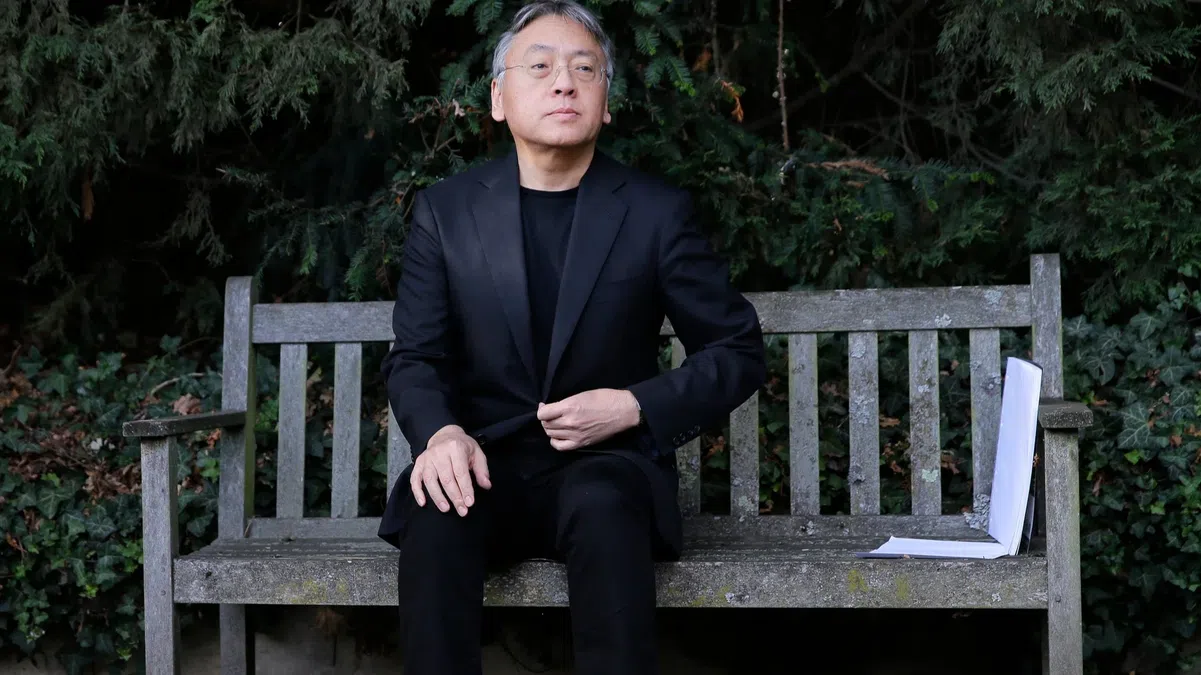
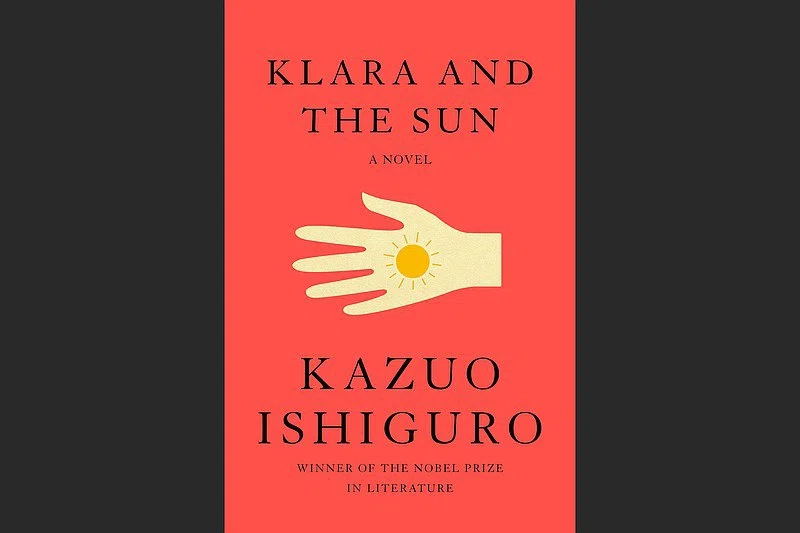
This is Clara and the Sun, Cazuo Ishiguro, the first book of the Englishman after the Buried Giant (2015) and the award of the Nobel Prize (2017) to him. According to the official wording, because he "showed what abyss is hidden under our deceptive sense of communication with the world."
At the Clara plan, she was addressed to children, but Niomi, an adult daughter of the writer, having familiarized himself with the sketches, told his father that the little ones were scared, and he, fortunately for them, cut it off. Yes, Ishiguro does not allow anyone to work unfinished by the closest relatives; He avoids any influences from the outside, and, for example, a couple of years ago, when his neighbor in the highest league of British literature, Yen Mcueen, appeared, where Android also acts, he simply did not begin to read a “car like me”.
Androids in Mcueen and Ishiguro turned out to be very different. Adam from the "machines" of the athletic handsome Arab appearance, a fighter for moral absentants. Clara is miniature, fragile, similar, the girl Josie remarks, to the Frenchwoman, and her aspiration is more modest: to serve the fourteen -year -old Josie Artificial Friend, an artificial girlfriend (when translating into Russian abbreviation, AF will sound with a shade of Freidism, ID).
About why some adolescents in the gloomy society of the novel need Androide friends, and some are not needed, we are silent, so as not to reveal the plot.
After all, he, the plot, consists here both of a series of events, and from a string of riddles, tossed by the author to you, reading, and your subsequent insights: "Ah here it is."
The action takes place in America of the near future, the story is conducted on behalf of Clara, and some details of everyday life (but not for us) are in the order of things, and some (on the contrary, usual for us), she understands the crouch. In a word, the narrative was built on the model of the most popular book by Ishiguro “Do not let me go”: Katie was a clone, Clara Robot.
Stop, a robot is really. She has a sharp eye and the gift of the speaker, she sprinkles with bright comparisons and metaphors, experiences anxiety, fear, relief, she despair, hopes, believes; All these qualities of an artificial companion are useless. Only one, default ability, love Josie, take risks, sacrifice for her, looks introduced from the outside and, although completely realized throughout the text (Josie is sick, Clara makes every effort to cure it), was realized exactly from under the stick; It is unlikely that Ishiguro planned this, but what is, that is.
With much more organic warmth than about Josie, Clara speaks of his product Rose: they sat together in the window of the sales salon, darkened in the evenings, then bought a rose, and they broke up forever. Well, about the Sun, a common “C”, Clara speaks not with warmth even with enthusiasm, adoration. The sun is the source of her energy, it recharges from its rays, and, much wider, a direct source of movement as a whole. Opposite the windows settled a homeless person and a dog, both stopped moving for a long time, died, and barely the sun illuminated them, resurrected, and a miraculous, marvelous, marvelous.
Compared to the Sun, people in the perception of Clara are very faded, mechanistic creatures, the designation "robot" is better suited to them.
The episode is perfectly written, where Clara sees her faces crawl from people among the crowd, exposing the blind surface of the primed canvas. The world around is generally subject to oddities, not reminiscent of “do not let me go”, but about the “buried giant”, its unsteady, frozen reality. In the meadows, in the hayloft near the house of the owners of Clara, fragments of the sales salon are found, as if the scraps of mobile bays for the theater on tour. Sometimes, without a clear occasion, the reality visible to Clara is crushed into many rectangles-boxies, in each piece of image, but the scale of the pictures will fail, and some partially duplicate each other; We observe something similar if the computer game hangs. Everything is actually a game, simulation, training, preparation of the heroine for something that awaits the facet of life, books, you finally guess. And inside there are truly only two, Clara and the sun.
Boris Kuzminsky, especially for "New"
Kazuo Ishiguro. Klara and The Sun. London, Faber & Faber Ltd.; New York, Alfred A. Knopf, 2021.
The release of the novel "Clara and the Sun" Inspiria ("Eksmo") in Russian is planned in April 2021