
Translated material
Wind phone
In Japan there is a telephone booth from which no one can get through. Thousands of people come to her - to talk with the dead
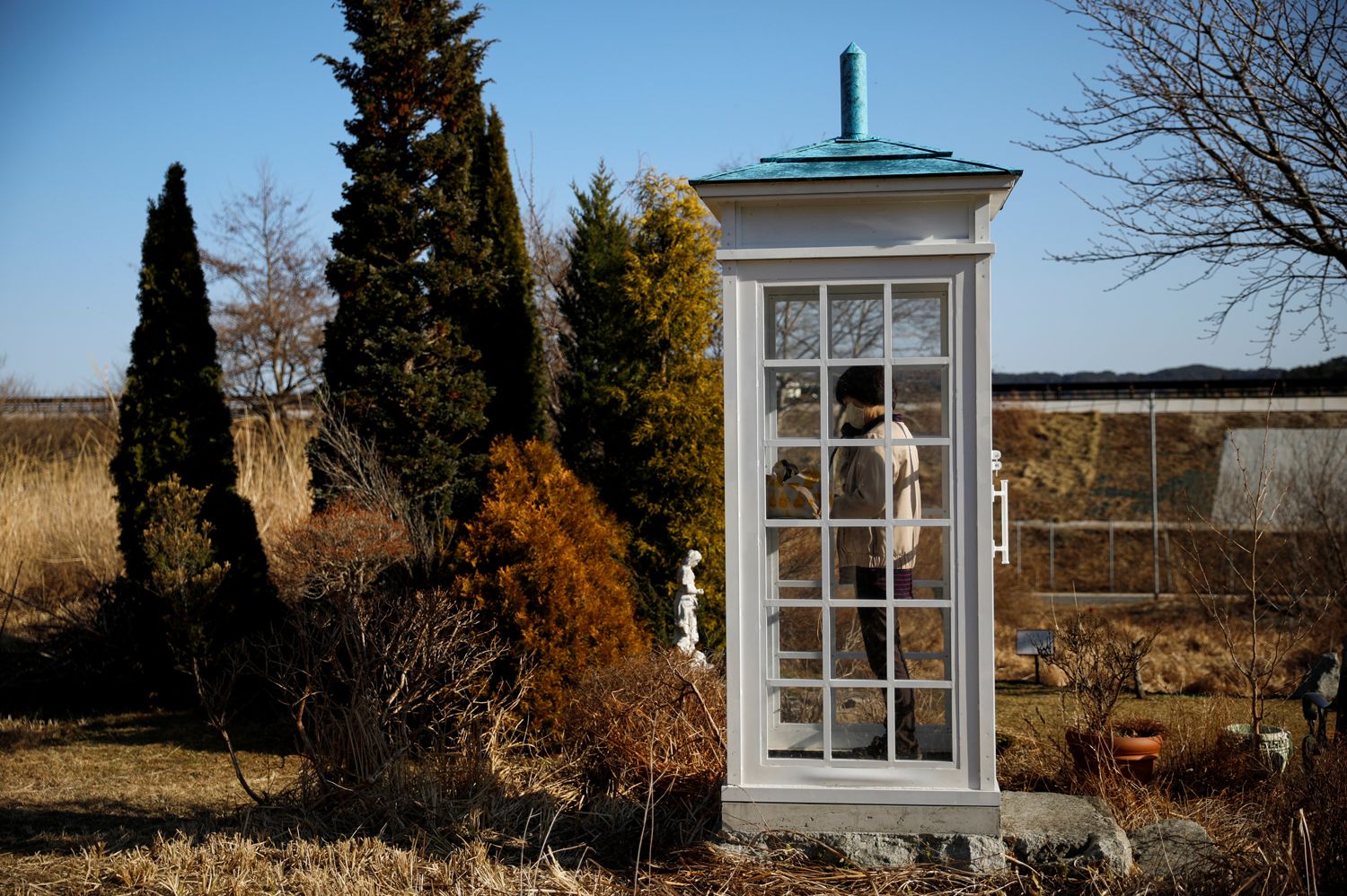
More than ten years ago, an unusual telephone booth appeared in the Japanese village of Otsuti. It is impossible to really get out of it to anyone: it is not connected to the telephone line. Nevertheless, people from all over Japan come to her - to call the dead loved ones. Where did the telephone booth come from, and what they are talking about in it, REUTERS says .
On the hill, in the garden of the Japanese village of Otsuti, 500 kilometers northeast of Tokyo, there is a white telephone booth. Those who survived in March 2011 come here during the strongest earthquake in the history of Japan. It entailed the tsunami, the flooding of several cities (the village of Otsuti was also affected) and the disaster at the Fukushima-1 nuclear power plant. 15.8 thousand people died, another 2.5 thousand are considered missing. The survivors call them.
The booth is not connected to the telephone line. But still, she helps people keep in touch with the dead relatives and comforts them a little.
The 67-year-old Kadzuyi Sasaki carefully dials his wife Mivako's mobile number. He tells how, after an earthquake, he was looking for her for days, visiting the centers of evacuation and temporary morgues, and at night he returned to the ruins of their house. “Everything happened so suddenly. Even now I can’t forget it, ”sobs Kadzuyi. “I sent you a message about where I am, but you never read it.”
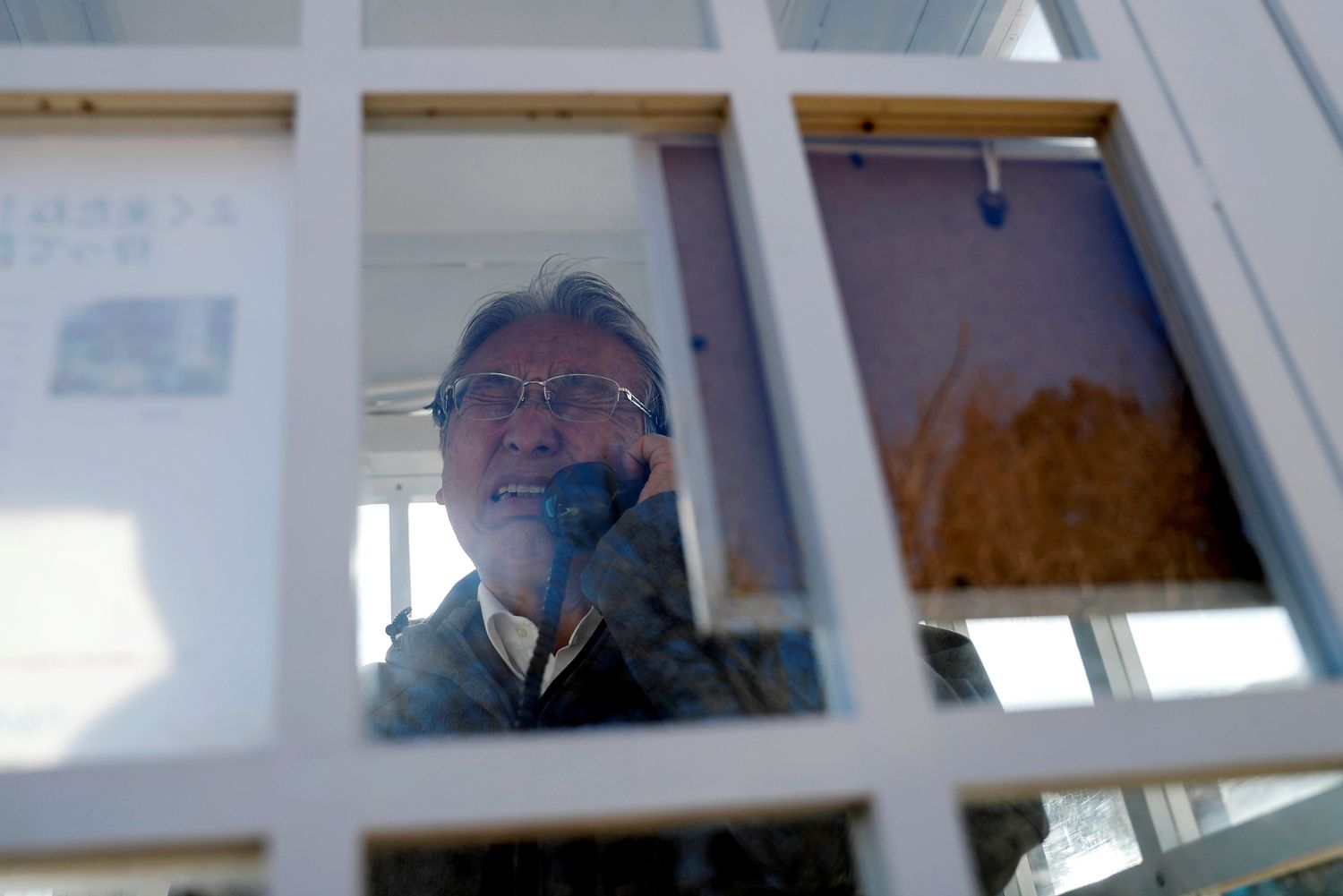
Mivako, he knew and loved almost his whole life. They met at school. Then Kadzuyi admitted to her in his feelings, but the couple began to meet only after 10 years. They have four children. Kadzuyi says that soon the youngest son will finish the house, and he will move to him. “I am so glad that we met, thank you,” Kadzuyi and his wife say goodbye while the wind howls. - We do everything that we can. To the soon! ”
Okava learned about a telephone booth on a hill 76-year-old Satiko from friends. She says Titiro, with whom she lived in marriage for 44 years, which is lonely. And he asks him to look after his family. Sometimes, Satiko admits, it seems to her that she hears her husband's voice on the other end of the wire. “This becomes a little easier for me,” says Satiko.
She often takes two grandchildren with her. “Grandfather, 10 years have passed, and soon I will study in high school,” one of them, 12-year-old Diana, tells the phone. - Now a new virus kills a lot of people, and therefore we wear masks. But we are all right. ”
The telephone booth was installed by the 76-year-old Itara Sasaki, the owner of the garden. This happened to the earthquake when his cousin died of oncological disease. “Many people did not have the opportunity to say goodbye,” says Itaru. “There are families who would like to say something at the end if they knew that they would not have to talk again.”
In a booth, he reflected on the death of a relative. “My thoughts could not be passed on a regular telephone line,” says Itaru. “I wanted the wind to report them.”
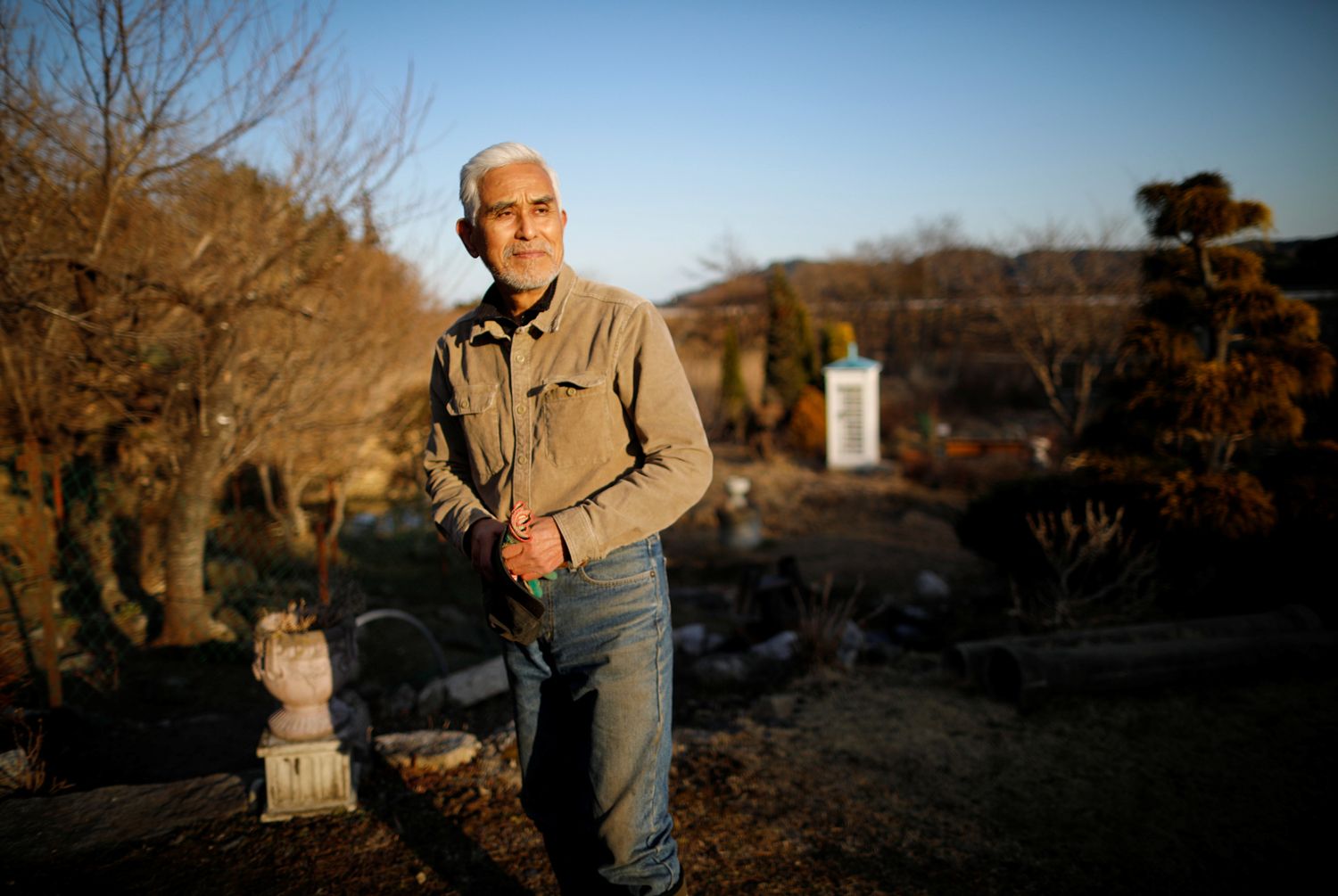
Thousands of people from all over Japan come to the phone. Among them are not only surviving during the earthquake and tsunami, but also those who have lost their loved ones as a result of illness or suicide. They call the booth on the hill "Wind Phone."
According to Itar, a few months ago people from the UK and Poland turned to him, who want to install the same phones for those who have lost their loved ones during the Pandemia of Coronavirus. “Like the natural disaster, the pandemic arose suddenly. And when death occurs suddenly, the grief of the family is much greater, ”says Itaru.
Christina Safonova retold