
Translated material
"The roof continued to flow, and mold grow."

This Story is Also Available in English Geere
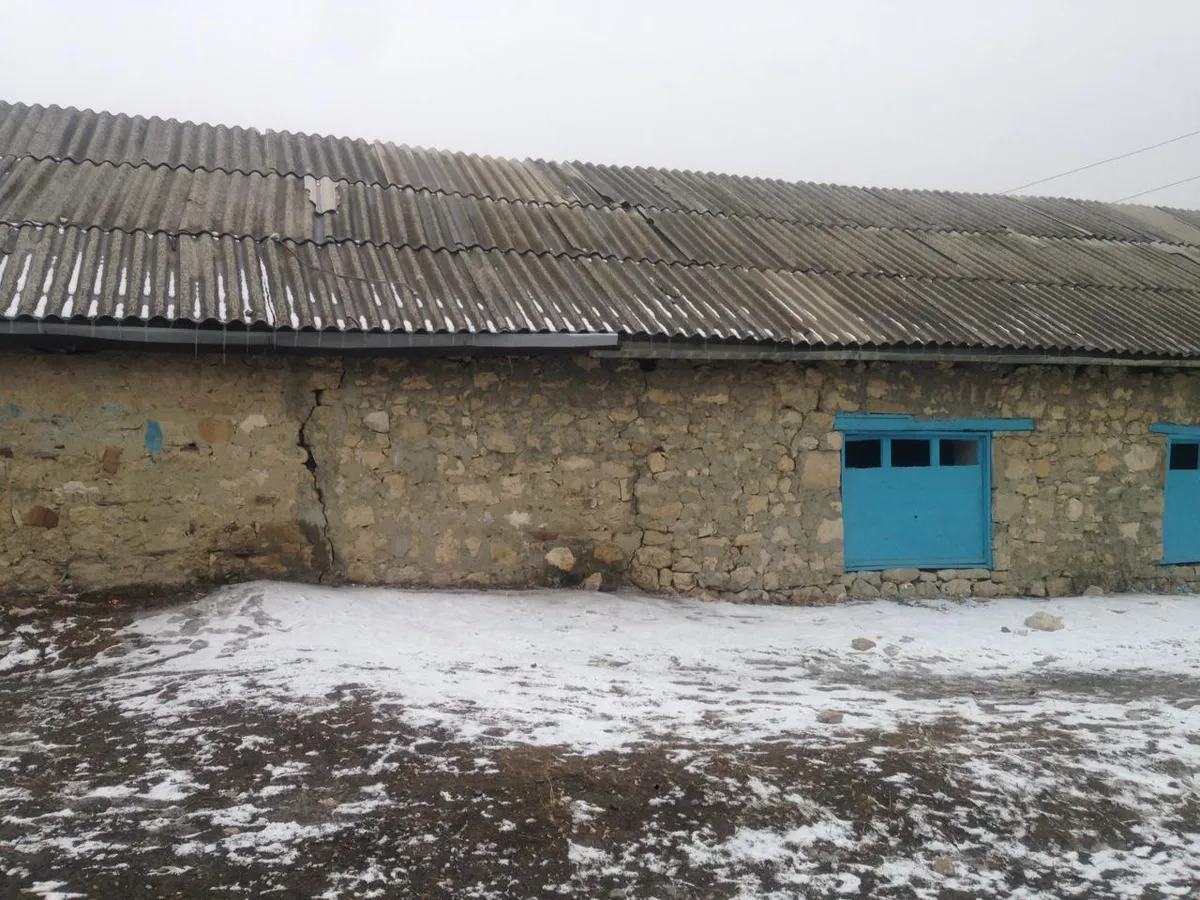
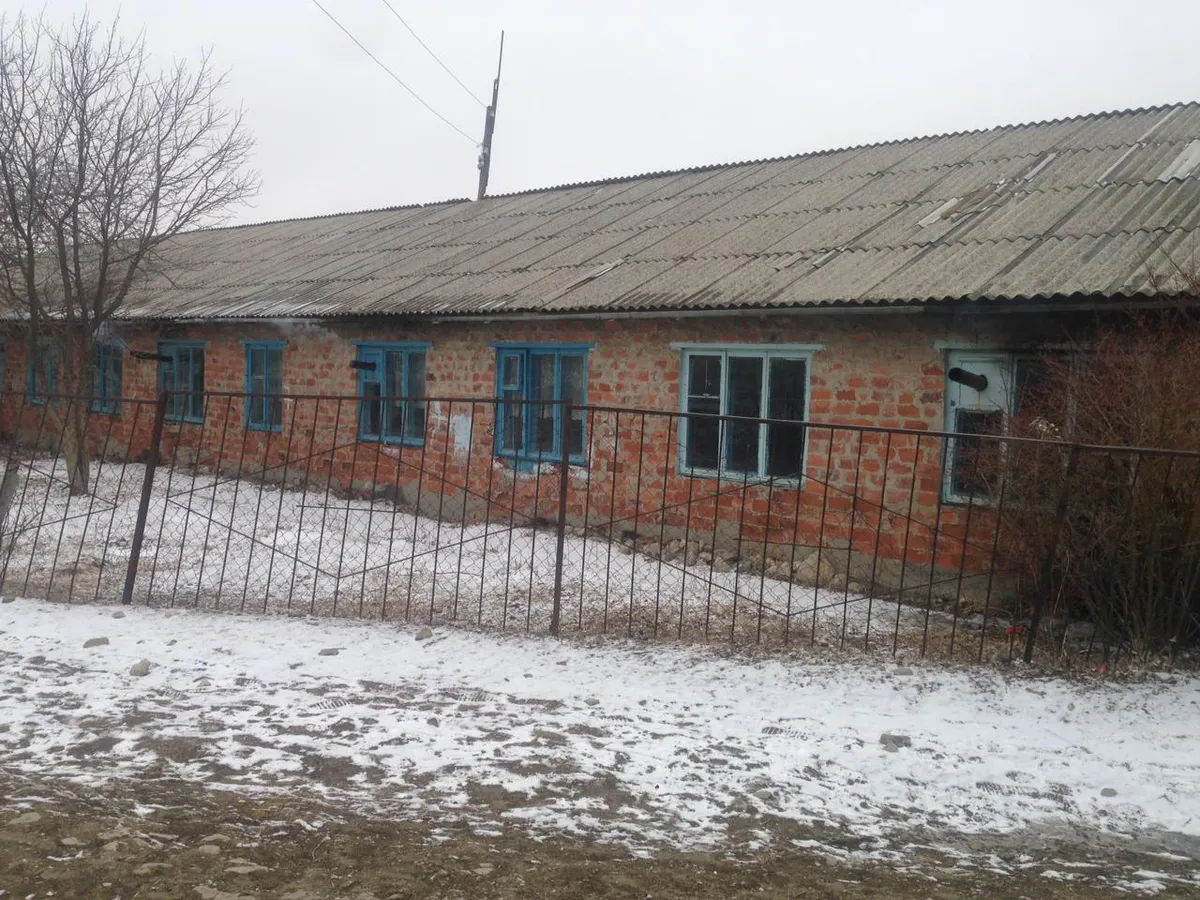
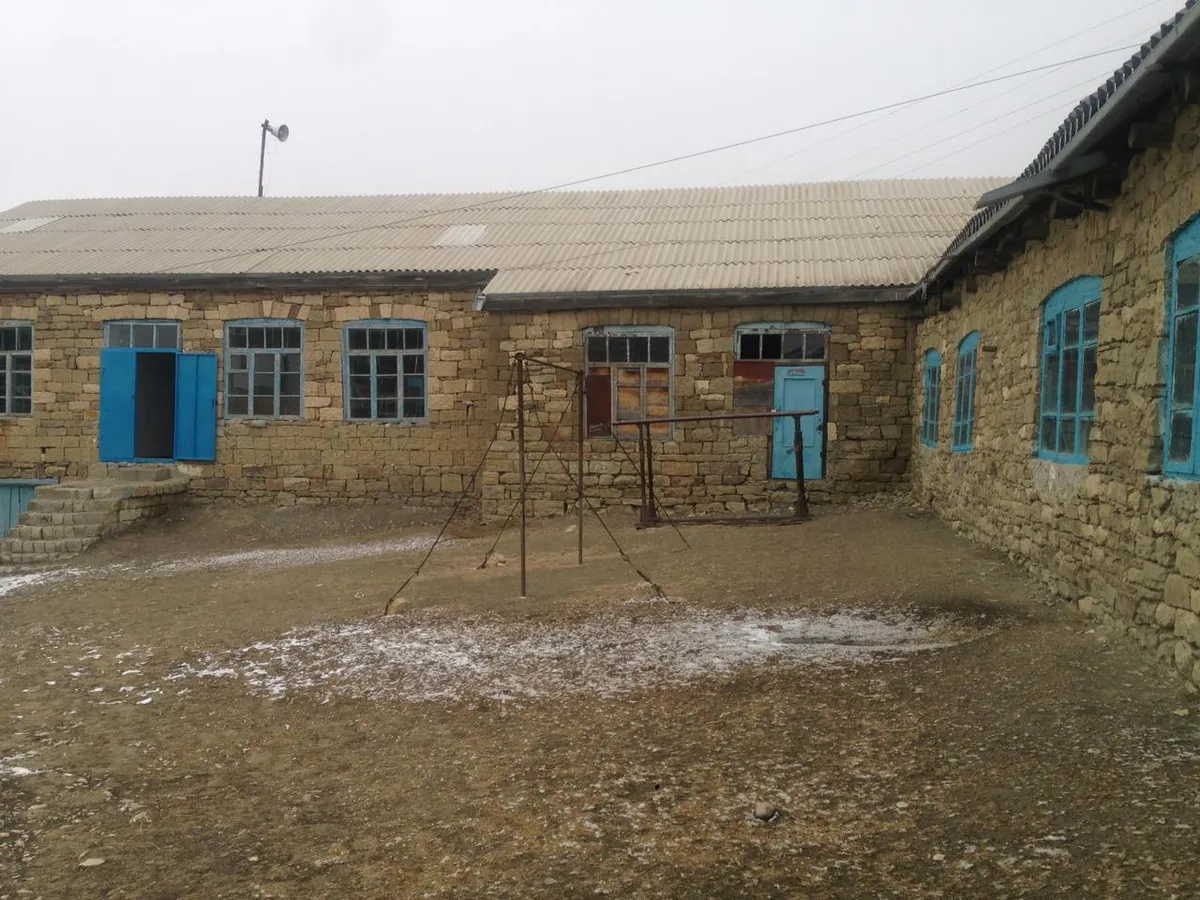
Alil Magomedov is the director of the school in the village of Vikhli in the Kulinsky district of Dagestan. One of the buildings of this school was built back in 1928. Now the building is recognized as emergency and is not subject to repair. Other buildings are also in poor condition: plaster was crumbling, in the summer of 2019 a significant part of one of the walls collapsed, the supporting beam of the ceiling in the office broke.
“Back in 1980, they began to build [a new] school, did not work, then again, and the last time in 2009,” says Magomedov. - According to the last project of the school, [in it] 340 training sections and 50 places for a boarding school were expected. They built the foundation, walls, the gym. But the contractor died, the company ruined, and for more than ten years did nothing. I have not contacted any authorities. Now they say that it does not meet the new requirements. They will build again again. ”
The construction is promised to start this year. In the meantime, the director, along with teachers, constantly repair the old buildings: “There are entrances, exits, window openings - everything is outdated. It is not subject to overhaul, only demolition. I repair the ceiling, they allocate money for this. But you need another floor, walls ... Such a lot of money! There are no them. "
There is no central heating at school, so you have to use stoves. “In each room, I drown stoves and stoves, I brought the pipes so that it was safe. This is all on its own - who else will do, ”says Alil. But, despite his efforts, all problems cannot be solved. “The doors [at school] should open out. And with us they open inside, and it is impossible to fix it. Because of this, fines are from the sanitary and epidemiological station, then from firefighters. Fines are applied to the director. It turns out that I am guilty. We have to pay. "
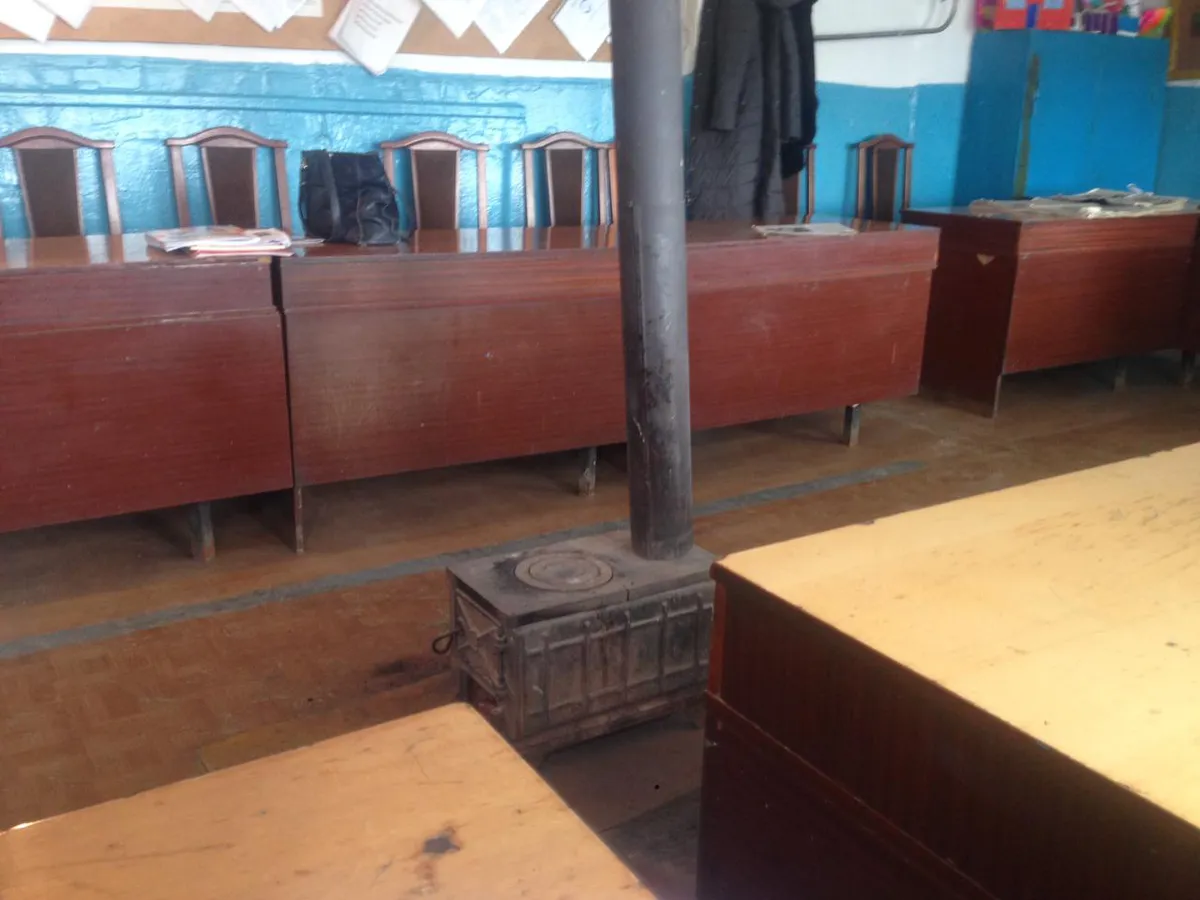 Bourgeoisie in the teacher's photo: Archive of the Vikhlinsky School
  The pipes of the bourgeois are brought to the window: the Archive of the Virhlin school support those who talk about problems in the Russian regions your donation will allow us to continue to engage in important social topics support “important stories”
Previously, students from neighboring villages went to the Vikhlinsky school, because only there it was possible to finish 11 classes, living in a boarding school. Now there is no boarding school at school, children from neighboring villages do not come. They graduate nine classes in local rural schools, and then leave to enter colleges: they do not have the opportunity to get full general education near the house.
Dagestan is one of the most problematic regions of Russia to equip schools. It is there that there are more than a third of all emergency school buildings in the country. Every fourteenth educational building of Dagestan is subject to demolition, but the rest is not much better in the rest. In 35 % of buildings, overhaul is needed, more than half work without water supply and sewage.
"Quality standards"
In February 2019, in a message to the Federal Assembly, Vladimir Putin said that almost 200 thousand Russian children go to schools, “where there is no normal heating, water supply and sewage,” and demanded to “completely solve” the problem in two years.
According to the Ministry of Education, at the end of 2019, more than six thousand school buildings did not even have basic amenities. In every ninth school building there was no sewage system, in every eleventh - central heating, 11 % of the structures needed overhaul. ( Statistics are not assembled in schools, but by educational buildings, because in different buildings of the same school there can be different conditions. - Approx. Ed. ).
Each year, school principals submit information about the material and technical equipment of their subordinate buildings. Data from all schools is collected in a common table for each region and throughout Russia and published on the website of the Ministry of Education. For calculations, we used data on state educational institutions.
According to the director of the Institute for the Development of Education (IRO) of the Higher School of Economics, Irina Abankina, the level of equipping schools is important, as well as the level of education: “The school sets the standards of quality of life, and, in general, it should at least half a step ahead of those standards that are common in the city or village. The child spends a lot of time at school. It is necessary to give him the opportunity to live in civilized conditions: to eat right, privately go to the toilet with doors, as this is an intimate business. But when the toilet [looks] as a latrine, it is simply unacceptable. ”
In ten Russian regions, more than 20 % of buildings are not at all equipped with sewage. In Tyu, Dagestan, Yakutia, the Trans -Baikal Territory and Kalmykia of such buildings more than half. In the best case, septic tanks are used ( individual treatment plants. - Approx. Ed. ), In the worst - cesspools on the street. The most problematic region is Tuva: only 37 % of the educational buildings of the republic have a sewage system.
More than six thousand school buildings of Russia work without central heating. A quarter of these buildings is located in Dagestan, Irkutsk region and Bashkiria. In percentage, things are the worst of all in Kalmykia: there are few schools in the republic, but only half of the training buildings are equipped with central heating.
More than seven thousand school structures in Russia need overhaul. In Sevastopol, North Ossetia and the Magadan region, more than half of training buildings work without overhaul.
The rules for filling out a reporting statistical form for schools says that in the “Equipment Central Heating” section, the number of buildings equipped with any type of heating, except for the stove. According to statistics, it turns out that, for example, in Kalmykia, half of the school buildings are heated by stoves. However, according to Rospotrebnadzor Kalmykia, only one school in the region in 2019 was on furnace heating. As Tatyana Meretsalova explained the associate professor of the HSE Education Institute, such a discrepancy in the data may have two reasons:
Specialists who fill in statistical forms in schools may not know all the subtleties of filling, so they do not indicate among the central heating those buildings that are heated, for example, by individual boilers;
The regions do not want to spoil the indicators and report that they have many schools with stove heating, so in their statistics they can veil this. For example, the school has a stove, and in the documents it is called a boiler.
"The rotten floor closed a piece of new linoleum"
Many problems in material equipment of schools simply cannot be measured in numbers. Mold and fungus on the walls, rotten floors, flowing roofs and collapsing desks are not reflected in statistical forms.
Elena Gorshkova-mother of students of the fourth and eighth grades of the 22nd school of the city of Novocherkassk, Rostov region. The primary school where her youngest son is studying is in the building of the former kindergarten. Two years ago, the class was in terrible condition: linoleum on the floor spread, under it the rotten sheets of chipboard were visible. In the next wing, the entire wall was eaten by a fungus, a roof flowed, in some offices it was cold, teachers had to use electric heaters, which created a risk of fire. In the high school building where Elena's daughter is studying, in one of the offices, a foam plate and a large piece of plaster fell from the ceiling. No one was injured, one student hit the tangent. After this incident, Elena, along with other parents, began to actively achieve a solution to problems. “We used to be silent, because we were told:“ In a year, two in two will be overhaul. Let's tolerate. ” But I hear these promises for seven years, ”says Gorshkova.
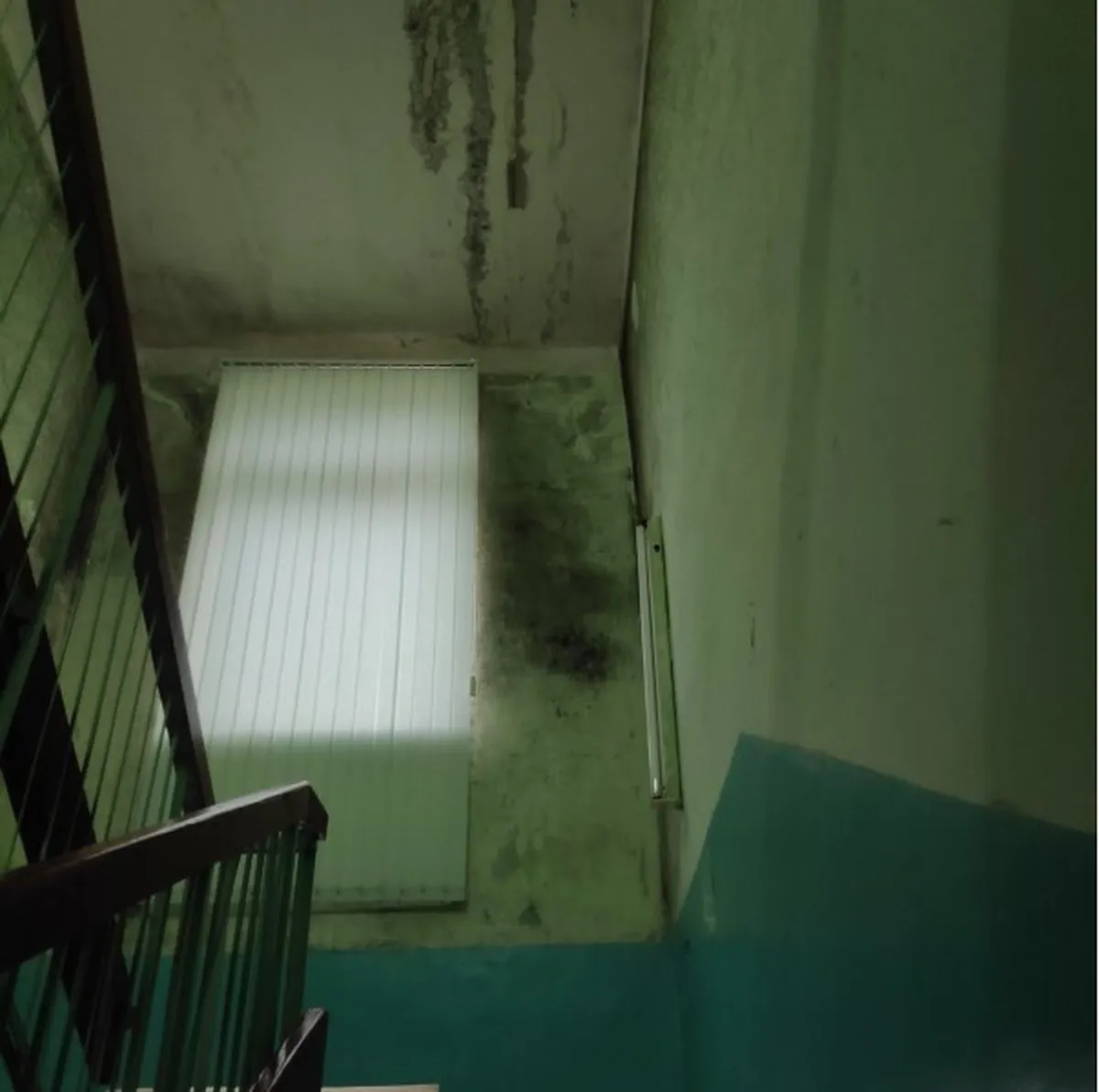
In the spring of 2019, parents achieved a meeting with the head of the city education department regarding major repairs. “She gave a whole lecture on forty minutes. She began with the success of education in the city, told how difficult everything in the budget works. Examples cited that the bulb or crane broke can be replaced only through the competition [public procurement], ”Elena recalls. - I understand that there is not much depending on the director in the city, maybe there is no money, but we proposed to send complaints to the region or to the federal level. The head of the department said that it makes no sense to write, because the paper will still go down to her and “except for the problems of the city, there will be nothing from it”. ”
After a meeting with the official, parents still sent complaints to Rospotrebnadzor and the Presidential Department. “After the complaint, some work was really carried out. For example, the rotten floor was closed with a piece of new linoleum, the fungus [with the walls] by the forces of the parents scraped out, but the overhaul of the building did not begin, the roof continued to leak, the children are freezing, and mold grow, ”says Elena.
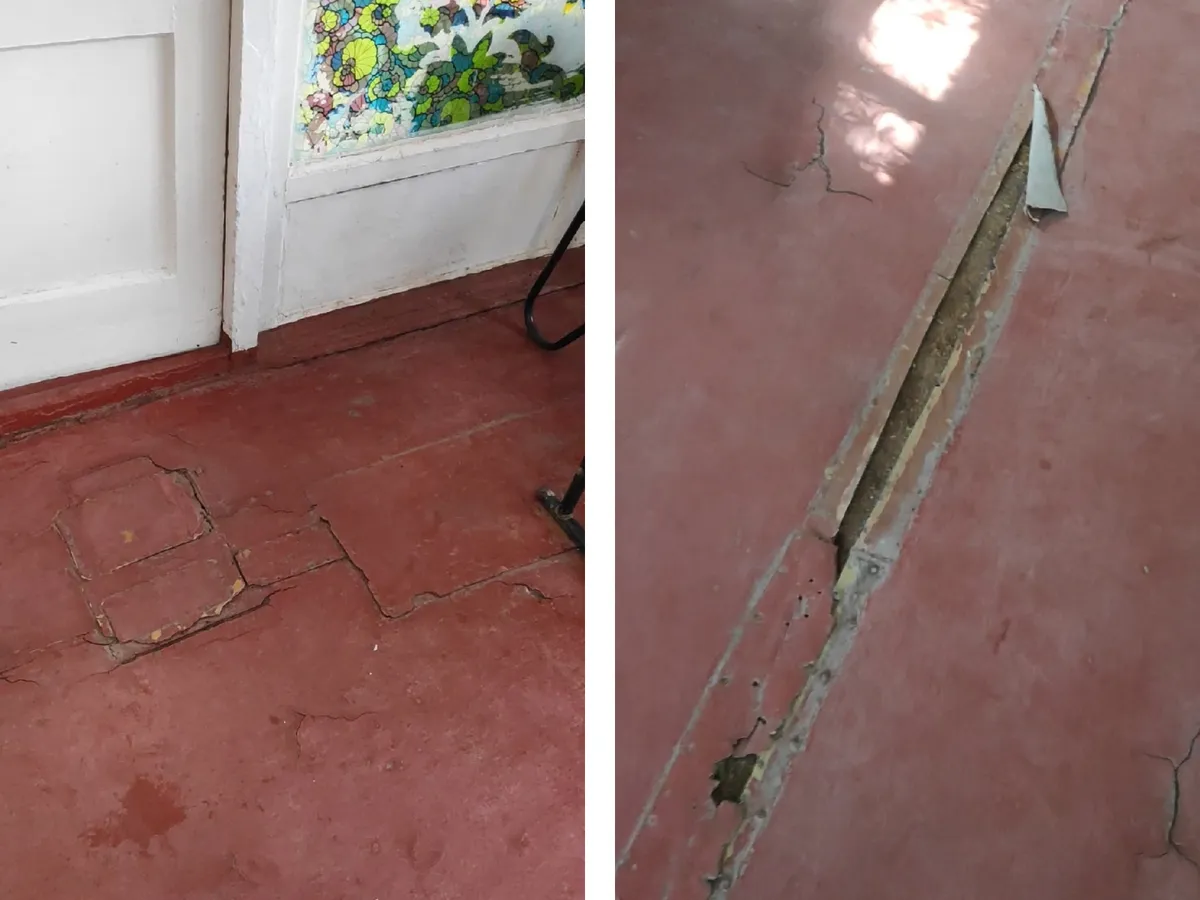 Rotten linoleum in classophoto: Elena Gorshkova
 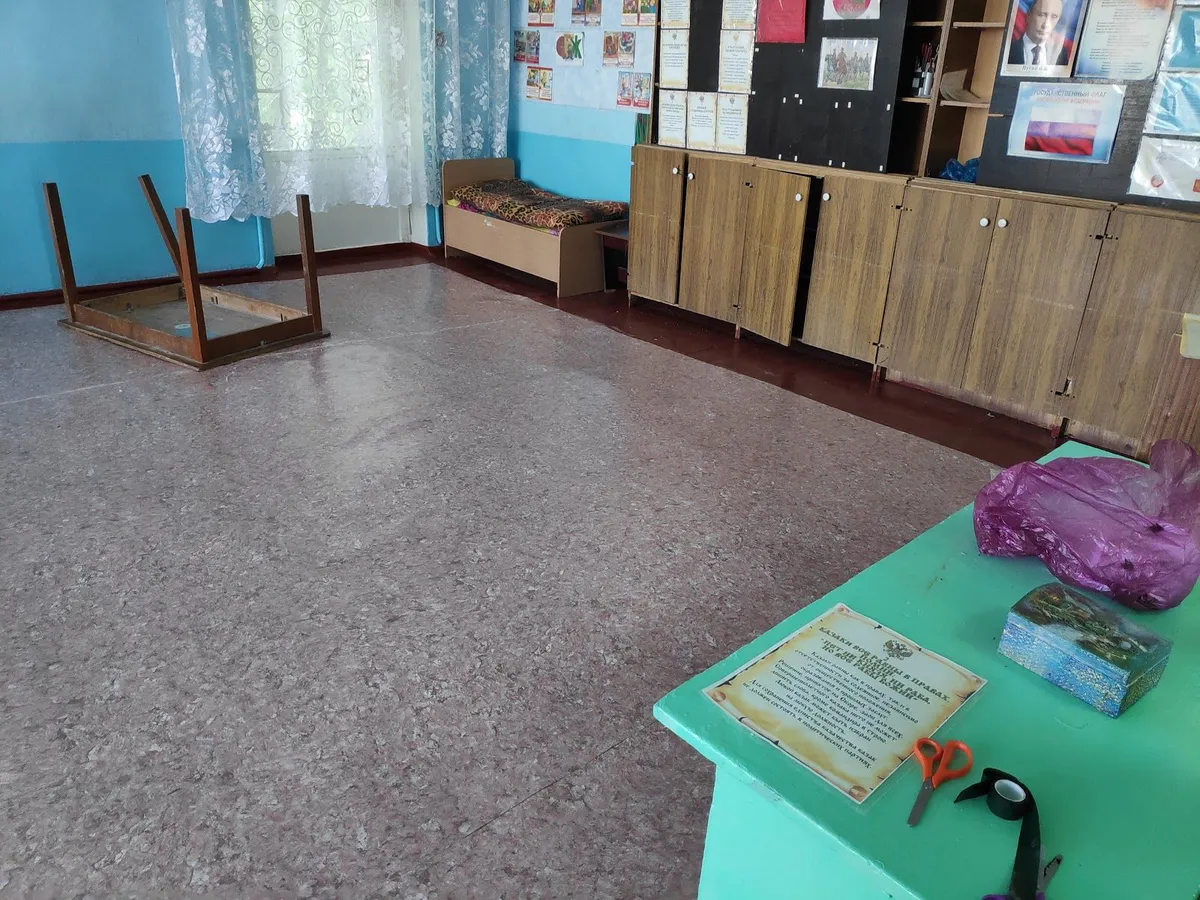 After the complaints of parents, a piece of new linoleumaphot was laid on top: Elena Gorshkova subscribe to learn more about the problems of financing state institutions, know the first about important stories
In the summer of 2020, the parents of students of the 22nd school shot a video on the conditions in which their children study, the Interregional Tsagon Union “The Alliance of Teachers” drew attention to the story. In response on the website of the administration of Novocherkassk, news was released with the words: “The texture presented in the video is stated incorrectly. The problems that took place took place at different times and the school leadership reacted in a timely manner and took measures to solve them. ” A few days later, the parents came to school again and shot another video . “We visited everywhere, in closed offices, where it was impossible to get before. We went throughout the school and saw all these horrors - I just did not notice them before. Cracks on the building from the foundation to the roof. And the mold is there, no one has yet begun to clean it, ”recalls Elena Gorshkova.
As a result, parents were still able to achieve a joint meeting with the school principal and the city administration. “We came with one deputy, and the head of the education department called the other two deputies to help,” says Gorshkova. - It was all before the elections, and they arranged a showdown among themselves. It didn’t work out for something to agree. The management of parents promised that they would hold a major overhaul of the school in 2023, although last year they talked about the 2022th. ”
"We do not know how much more to live"
Most problems in small -complex rural schools ( the small -complex is called a school in which up to 30–40 students study, sometimes less. Such schools are located in small settlements. There are few teachers in small schools, so they often conduct lessons for several classes. - Ed. ). Many of them were built in the first half of the 20th century and since then were almost not repaired - it is unprofitable to spend money on a school in which there are few students.
Amenities in urban and rural schoolchildren in a branch of a school in the villageFeoktistova
 “On the one hand, it is clear that if the school has no prospects, then it makes no sense to spend money. But, on the other hand, we do not know how much more to live. And to study in such horror is naturally not very convenient. ”
Tatyana Feoktistova - a teacher in a branch of a school in the village of the Nizhny Novgorod region, earlier she worked as the head of this branch. 33 children study at the Egorovsky school, an educational institution is considered a small -complex. According to Elena, because of this school, they never allocated money for major repairs. “We have a dilapidated building, 1957. It would be necessary to change the windows and heating. I wrote annually in the education department, asked to allocate money, but they did not give our school. On the one hand, it is clear that if the school has no prospects ( because families leave the villages and students are becoming less and less. - Approx. Ed. ), Then it makes no sense to spend money. But, on the other hand, we do not know how much more to live. And to study in such horror is naturally not very convenient. ”
In recent years, the country in the country, which are not equipped with sewage, water supply or central heating, has declined. But this happened mainly not due to the update or overhaul, but due to the closure of worn buildings. For example, in 2018, the number of buildings in which there was no sewer decreased by 1426. At the same time, the number of buildings in which there is a sewer has increased by only 467. This means that at least 959 buildings without sewage were closed and are no longer used for schools.
Every year the number of rural schools is reducedAccording to the statistics of the Ministry of Education, every year the number of training buildings in Russian villages is reduced by almost a thousand. New schools in the villages do not appear, because it is unprofitable for state contractors to build them. “They wanted to attract investors in the construction of schools, to public-private partnership. Large experts and VEB, VTB, Sberbank, and the Enlightenment publishing house considered options. They understand: for this to pay off, schools should be 800-1200 seats. There must be expensive projects, where there will be additional classes, demand for additional education, advanced training. Small rural schools are not interesting to them, ”explains IRO Director IRO Irina Abankina.
"The students and teachers built a warm toilet in the old dining room building"
Every year before the start of classes, each school undergoes the so -called reception. Experts from the Ministry of Internal Affairs, the Ministry of Emergencies, from the sanitary and epidemiological station check whether the school is ready to accept students. If there are violations, experts issue instructions and appoint the terms in which they need to be fulfilled. Additional money for the execution of orders is not allocated to schools.
The former head of the school branch in Egorov, Tatyana Feoktistova, says that due to the lack of state funds, many instructions of the teachers and students performed on their own. “There should be a fence at every school - we turned to the [local] entrepreneur, he allocated lumber, and we, together with the students, installed a fence during a labor camp. The first warm toilet, students and teachers also built themselves in the old dining room building. It was in 2009 or 2010, when they introduced the demand for [at school] there was a warm toilet. The director said: “Let's build”. They disassembled the building, poured the foundation, built, ”recalls Tatyana.
Director of the Institute for Education Development of the Higher School of Higher Education IrinaAbankina
 “Teachers repairs a lot themselves. So it should not be, but what to do: either to lose their work, or to mobilize their strength. ”
By law, the school cannot attract children, parents and teachers to work and collect money from parents for repairs, but often this is the only opportunity to do something, explains Irina Abankina, director of the Institute for Education Development. “Often they write such instructions for which the school had no money and never will be. The director of the alternative: either the school will not be opened, or he will sign an obligation, during what period he will be able to cope with the shortcomings. Then they will open the school, but he will go to outline the thresholds of [officials] or ask his parents to ask for money. If the problem still does not solve, the director will come a fine. And two instructions are already the risk of getting to the review of the license [at the school] through the court. Teachers repairs a lot themselves. So it should not be, but what to do: either to lose their work, or to mobilize their strength. ”
"There would be a program for toilets, everything would move faster"
The school in the village of Lyaskel in Karelia is not inferior to urban in the level of educational equipment: interactive sensory boards hang in the classes, there are computers, and the gym is well equipped. But instead of toilets - holes in the floor, and instead of sewage - a cesspool. The reason for this inconsistency in various sources of financing. “Educational equipment is funds from the federal budget. And the content of the building is the powers of the local founder, and how things are with the local budget, everyone knows, ”says Olga Kuzmenko, director of the school.
The building in which the school is currently operating in 1975, then the cesspool was considered as a temporary option. It was hoped that the local paper plant would carry out sewers in the entire village. But in the 1990s, the plant went bankrupt, and the school cesspool has been used for 45 years.
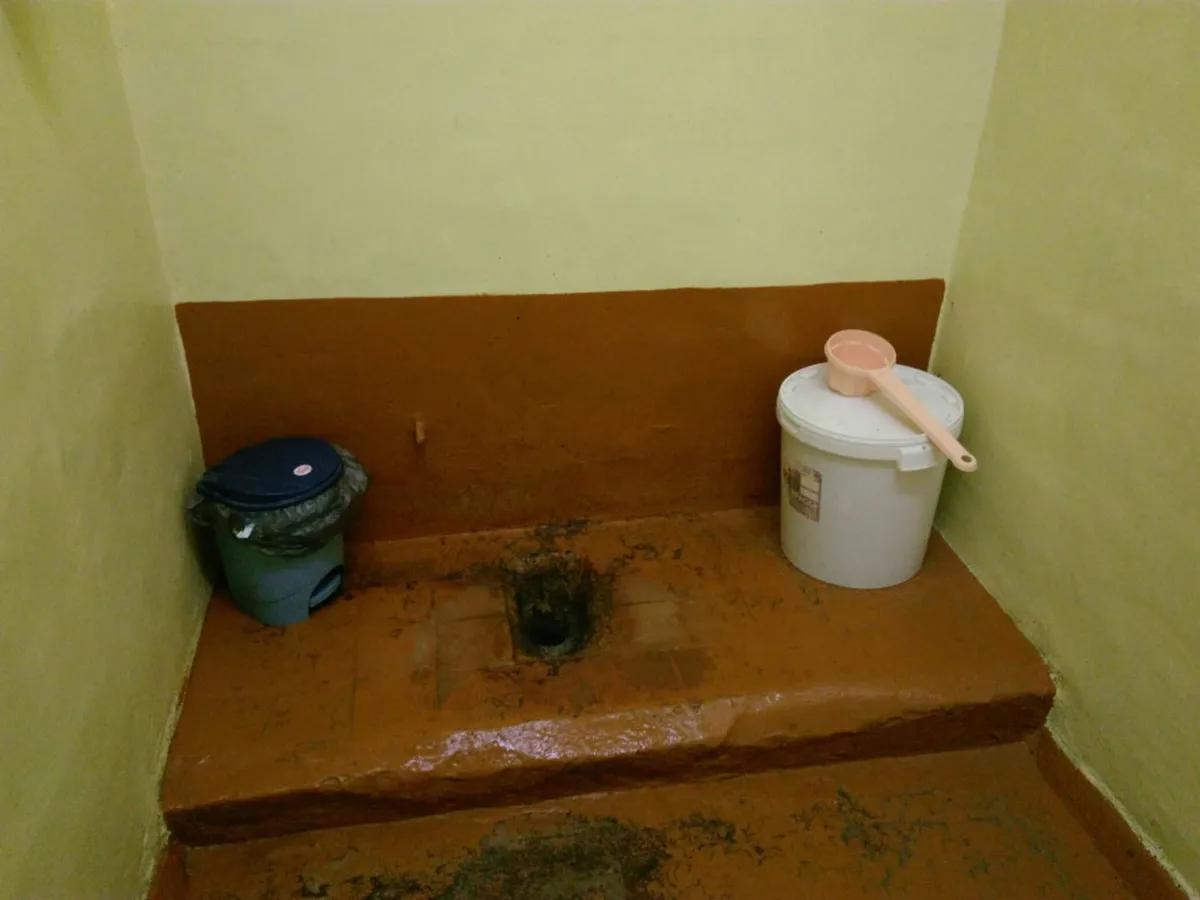 Toilets in the Lyaskel school, the Republic of Kareliyafoto: the network edition "Petrozavodsk Speaks"
 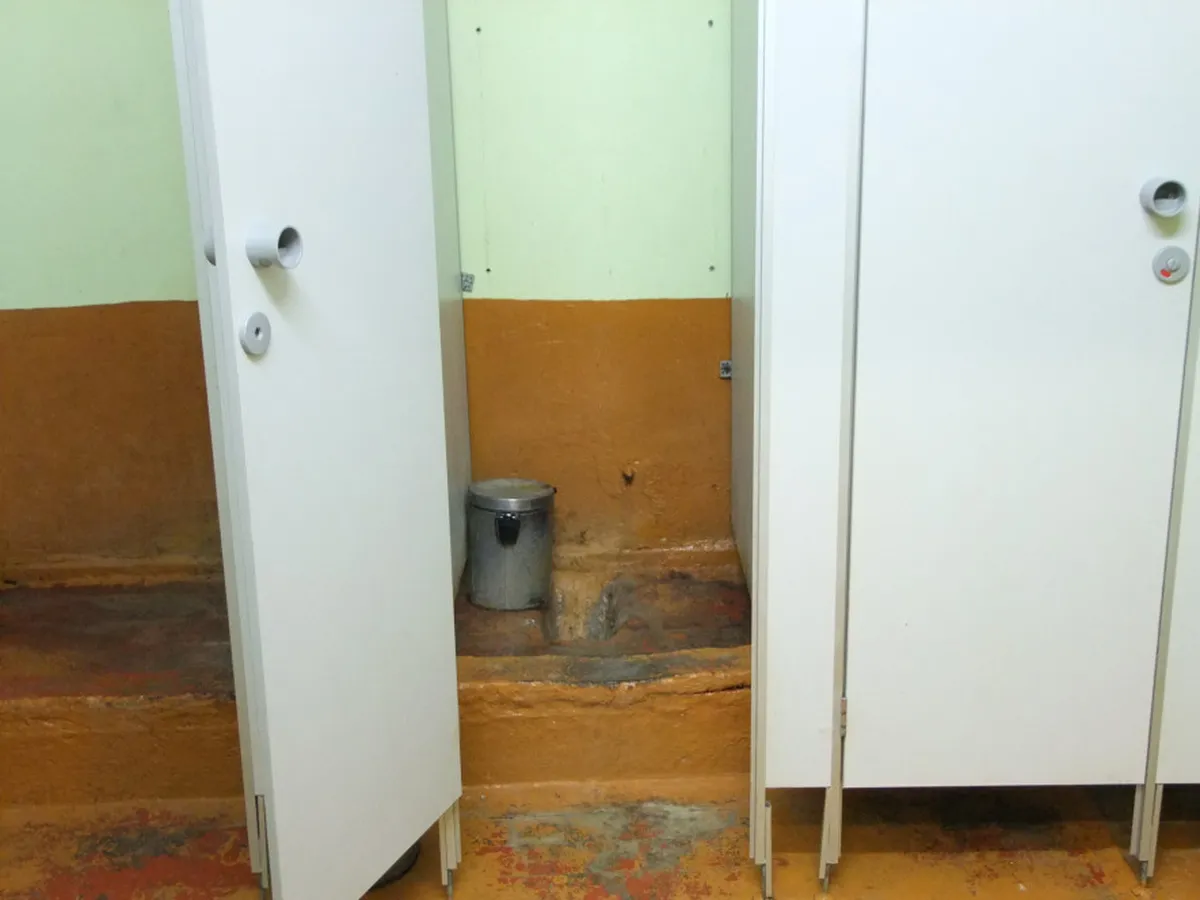 Photo: network edition "Petrozavodsk Speaks"
“The pit should regularly be cleaned, but its walls have become unusable. The liquid part seeps through the cracks, the hard sediment settles and cokes. It is not possible to pump everything completely, so the smell takes place, ”says Olga Kuzmenko. - I have been working as a school principal for 28 years, I managed to do a lot, but this problem cannot be solved. We drew the attention of everyone and the whole to the problem: both the deputies of the Legislative Assembly, and the head of the district, and the Ministry of Education. Parents raised the problem in the media. They knocked on all the doors, but, unfortunately, it was not possible to reach out. ”
Irina Abankina from the Higher School of Economics explains so why new computers for a school is easier to get it than to provide it with sewage: “We have a federal digitalization program, and the pace is very good. Программы работают на результат, директора сами распоряжаются средствами и реализуют всё шаг за шагом. Была бы программа по теплым туалетам, думаю, тоже быстрее бы всё двигалось».
Закон об образовании вообще гарантирует школам административную и финансовую автономию. Но на практике директора не могут самостоятельно распределять деньги на ремонт. «В регулярные расходы это не входит, а когда идет так называемая иная целевая субсидия, у нее жестко определены цели, — говорит Ирина Абанкина. — У региона были деньги на учебное оборудование — пожалуйста. Это они могут сделать в рамках программы цифровизации, а канализация к этому не относится. За нее отвечает муниципалитет, образование не имеет к этому никакого отношения. А по линии ЖКХ никаких денег не было, по линии муниципалитета тоже денег не было. Поэтому у директора нет возможности [установить канализацию, отопление или провести ремонт]. При такой системе директора становятся заложниками недофинансирования школ и бесправия в распоряжении ресурсами».
Весной 2020 года ученики школы в Ляскеле сняли видео для школьного телевидения о том, в каких условиях они учатся. Показали современный спортзал, учебный класс с сенсорной доской, а потом туалеты — дырки в полу, запах из которых, по словам учеников, ощущается даже в коридоре.
«Когда уже дети обратили внимание на проблему, это возымело больший эффект. Начали обсуждать решение не только на уровне республики, но и на федеральном уровне, — рассказывает директор школы. — Хотелось бы, чтобы наша проблема решалась вместе с проблемой канализации всего поселка. Мы живем в жемчужине Северного Приладожья, но просто утопаем в нечистотах».
Редакторы: Алеся Мароховская, Александра Зеркалева