
Translated material
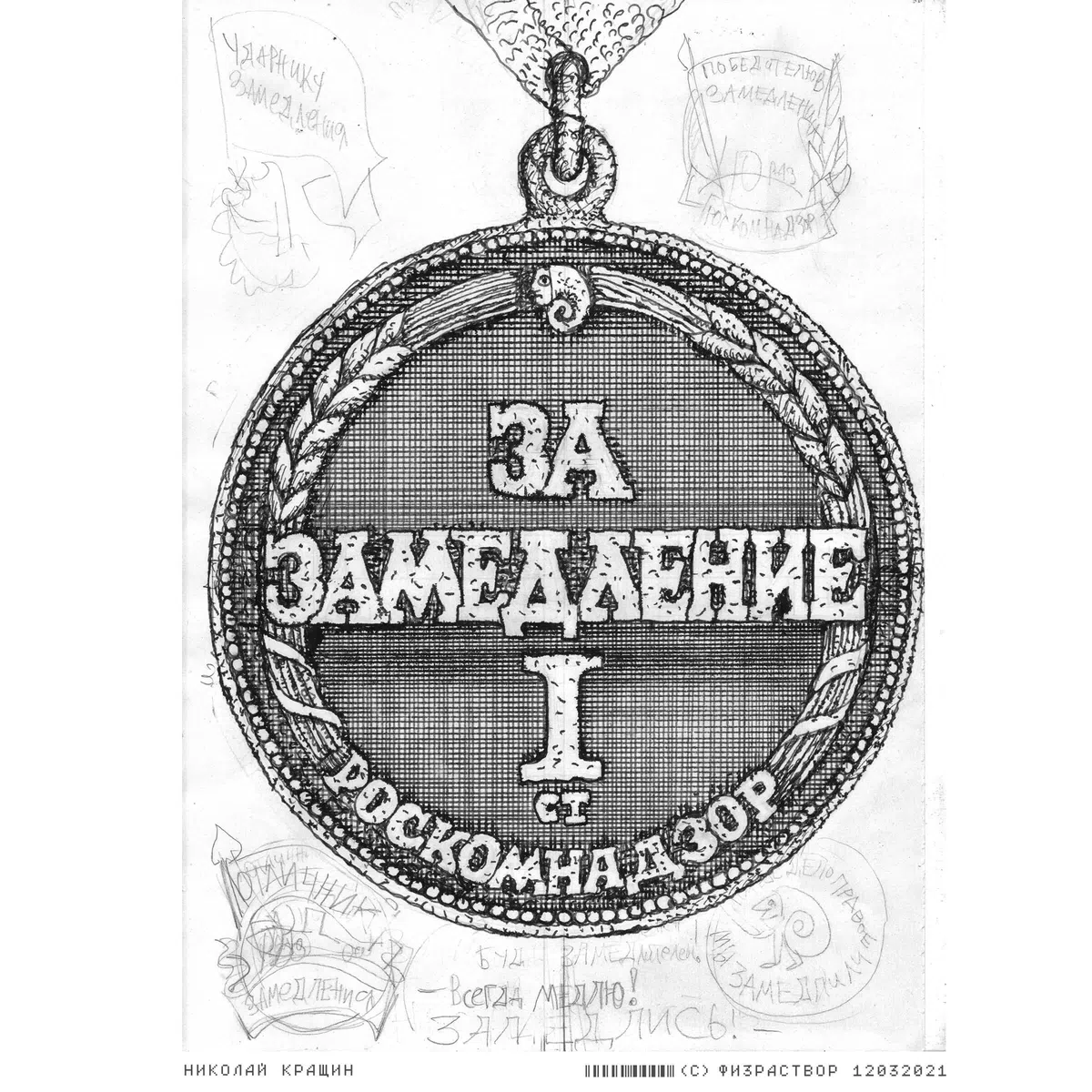
Medal for slowing down
"New" announces a vote for the most obscurantist bill of recent months. The authors will be awarded nominal medals - “For slowing down” I, II and III degree
Law on educational activities
Who introduced : members of the Federation Council Andrei Klimov ("United Russia"), Elena Afanasyeva (LDPR), State Duma deputies Vasily Piskarev and Andrey Alshevsky ("United Russia")
Current status : adopted in the third reading
The State Duma adopted a law introducing the concept of “educational activity” and putting it under the control of the government. Any activity that goes beyond the scope of educational programs of educational institutions should now be agreed with the Ministry of Education, while the very procedure for such control will be approved by the government. The initiators of the law call it the goal of “counteracting the spread of illegal information and anti -Russian propaganda” among students and schoolchildren. Despite the criticism of cultural figures , independent educational projects and the Accounts Chamber , the law should enter into force on June 1, 2021.
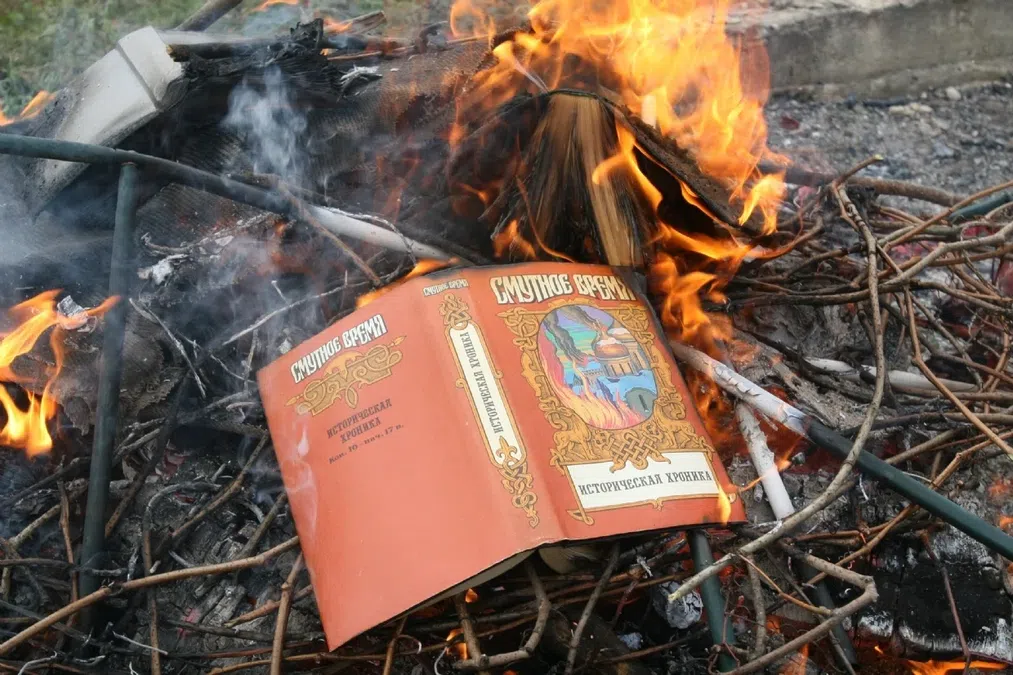
Criminal liability for insulting veterans
Who introduced : State Duma deputy Irina Yarovaya ("United Russia")
Current status : adopted in the third reading
After the lawsuit of Alexei Navalny, Ignat Artemenko, who took off in support of amendments to the Constitution, the Vice Speaker of the State Duma, Irina Yarovka, proposed to tighten the criminal liability for statements about the war participants. Now the “humiliation of the dignity of a veteran” on the Internet will be equated with the rehabilitation of Nazism. They will punish criminals by deprivation of liberty up to five years, a fine of up to 5 million rubles or mandatory work. Yekaterinburg journalist Dmitry Korzev asks a rhetorical question: what will happen if two veterans offend each other?
The bill exempting officials and security forces from liability for corruption under the "without circumstances"
Who has introduced : the Ministry of Justice
Current status : adopted in the first reading
In the first reading, the State Duma adopted a bill according to which officials and security officials can be recognized as innocent in the commission of corruption - under the circumstances "unenviable from them." Unenfable circumstances are defined as “extraordinary and unauthorized circumstances, which under these conditions could not be expected or avoided”, in particular, natural disasters, epidemics, strikes, terrorist acts.
The bill on the introduction of criminal punishment for "fakes on rising prices for products"
Who introduced : State Duma deputy Anatoly Elected ("United Russia")
Current Status : Initiative
The deputy calls his initiative the “issue of national security” and proposes to punish for the distribution of “inaccurate information about the increase in food prices” of individuals - fines in the amount of 200 to 500 thousand rubles or deprivation of liberty up to three years, and legal entities - fines from 500 to 800 thousand rubles.
The Law on Blocking Sites for "Censorship against the Russian Media"
Who introduced : State Duma deputies Alexander Khinshtein , Sergey Boyarsky and others (United Russia)
Current Status : came into effect
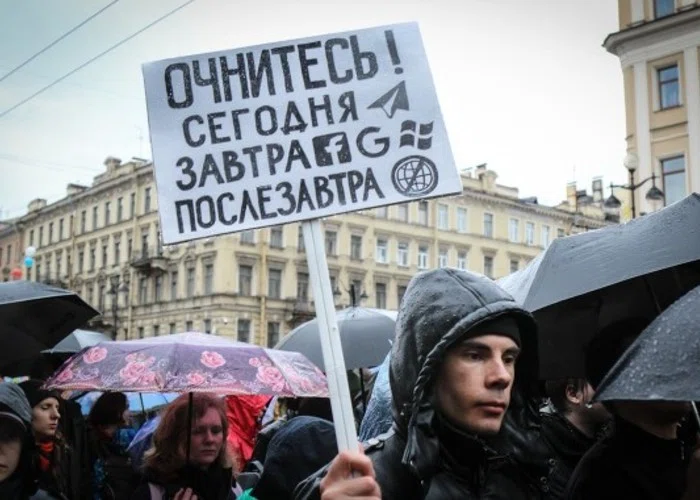
The law proposes to deal with censorship on the Internet using sites blocking. Such a paradoxical solution is formally aimed at protecting the “interests of the Russian media” and is focused on pressure on Western social networks (Twitter, Facebook, YouTube). In an interview with the Parliamentary Newspaper, deputy Khinshtein said: “We have adopted the law on countering the Internet censor, thanks to which we can carry out partial or complete blocking of social networks for violations, as well as final owners of companies.”
The law on toughening the punishment for "declining to use drugs" on the Internet
Who introduced : State Duma deputies Vasily Piskarev , Andrey Alshevsky , Andrey Isaev , Natalya Poklonskaya (United Russia)
Current Status : came into effect
A group of deputies amended Part 2 of Art. 230 of the Criminal Code, which prescribes punishment for “declining” to use drugs and psychotropic substances. Now “declension” will be possible through the Internet, the law provides for punishment in the form of imprisonment for a term of 5 to 10 years. Human rights activists and lawyers are afraid that due to wide formulations, not only persons who use drugs, but also journalists who raise the problems of drug use, may be at risk.
A bill prohibiting the public demonstration of people of Nazi criminals
Who introduced : State Duma deputies Elena Yampolskaya , Vasily Piskarev , Peter Tolstoy ("United Russia")
Current status : adopted in the first reading
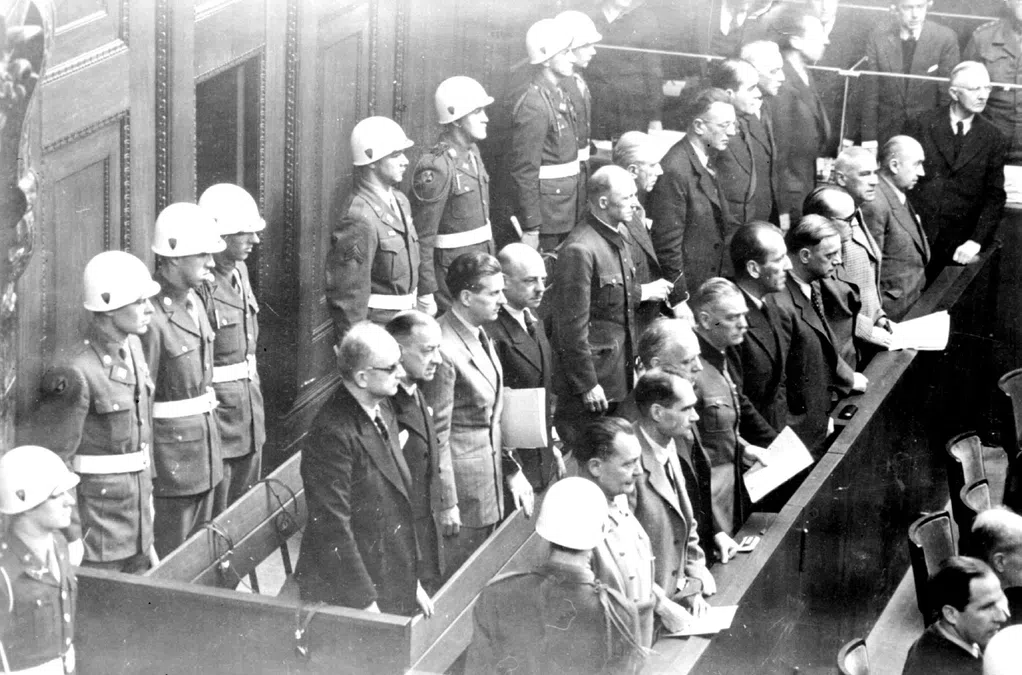
In the first reading, the State Duma adopted a bill that will prohibit portraying Nazi criminals. An exception may be cases when a negative image of the depicted is formed. According to the author of the bill, Elena Yampolskaya, he is directed against clothes with Nazi symbols-“so that there is no temptation to print stamps and walk in T-shirts with a portrait of Hitler, if it seems to someone“ by joke ”, as the chairman of the Culture Duma Committee expressed. However, again, the formulation of the bill is so wide that documentary cinema, historical literature and school textbooks can be banned. If the law is nevertheless adopted, then for its violation to individuals may face a fine of up to 2 thousand rubles or an arrest of up to 15 days, and legal and officials - a fine of up to 50 thousand rubles.
Arina Gunddyreva - especially for "New"