
Translated material
The tanker that could
Why is the blocking of the Suez Canal not like an accident
UPDATE
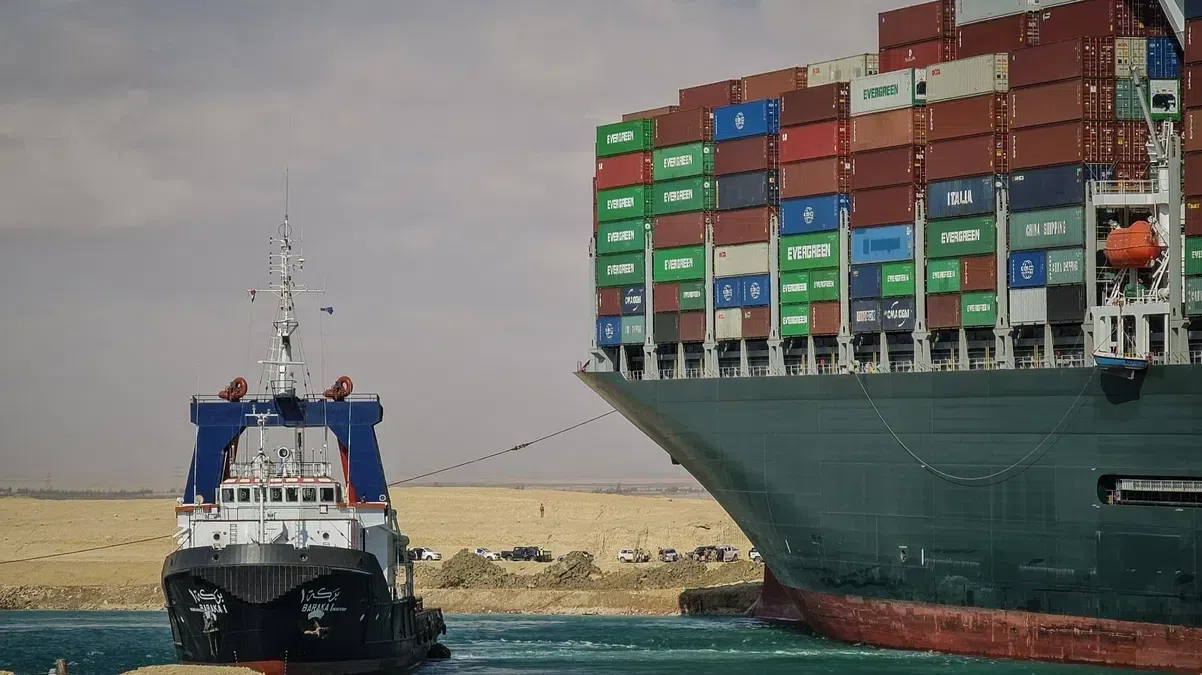
On the night of March 29, the Ever Given container ship was removed from the shallow in the Suez Canal. This was reported by the transport company Inchcape on its Twitter. According to the company, this happened at 04:30 local time: “Now the ship is under guard. More information about the following steps will be published when they become known. ”
On the night of Tuesday, on Wednesday, March 24, the 400-meter Ever Given containers owned by the Japanese company Shoei Kisen KK and the Evergreen Marine Taiwanese transport company sat down and completely blocked traffic along the Suez Canal. About 10% of oil produced in the world, that is, about a quarter of the global volume of “traded oil” produced in the world, is transported through the channel. Simply put - every fourth barrel, bought abroad with oil importers, passes through SUEC (mainly to Europe from the Gulf countries).
World trade in general suffers damage: after all, through SUEC, 30% of all container transportation in the world is carried out, in particular from Southeast Asia to European countries. In general, 12% of all world trade is tied to the SUEC.
Every day of downtime of the Suez Canal is undercominal goods in the amount of $ 9.6 billion.
Thus, as of Saturday, at the South entrance to the SUEC, for 4 days, goods have accumulated by almost $ 40 billion in SUEC.
If the SUEC cannot be unlocked in the near future, transportation can be redirected along two other routes: around Africa, which will lengthen the delivery time by more than 2 weeks, and along the northern sea route, which will reduce delivery time from 45 to 31 days. But unlike the path around Africa, transit navigation on “pure water” in sowmorpay is possible only within a few months - from July to October, the rest of the time to pass the vessels it is necessary to use the icebreaker fleet.
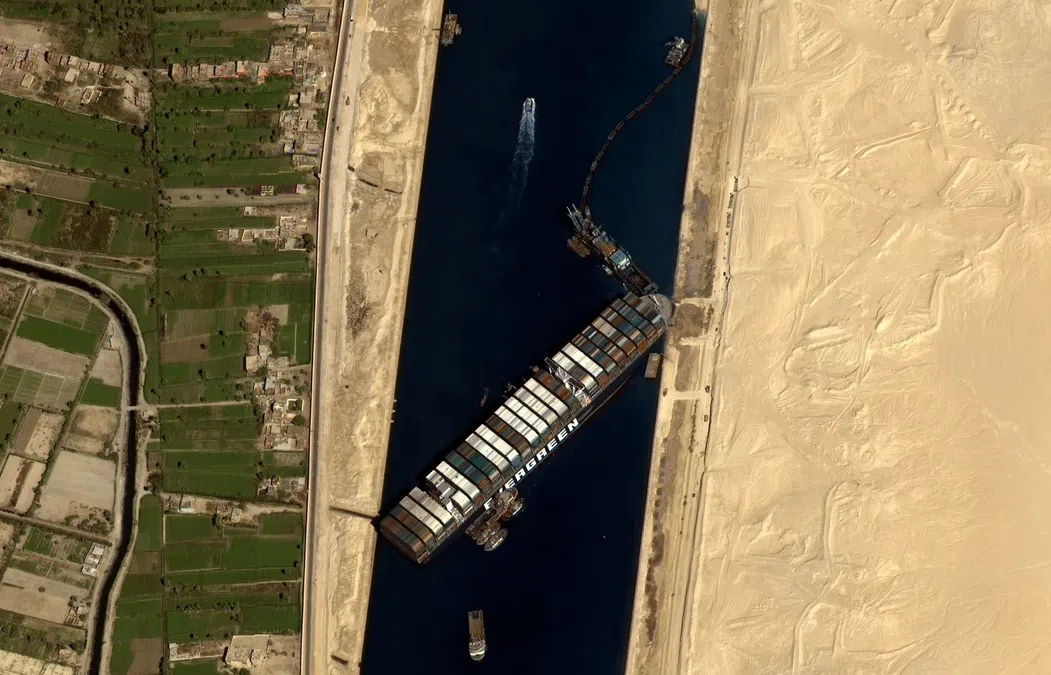
In general, right now it will not work to switch to the Northern Sea Route, although the attention of carriers to the Russian transit route will probably grow. There is no reason to say that the blocking of Suez is our work. But using the circumstances in your favor is simply necessary.
Now let's talk about who in reality the operation to block one of two (let's not forget about the Panama Canal) of the world transport routes could be beneficial. Because if we are dealing with an ordinary combination of circumstances or the mistake of the captain, then there is nothing to talk about.
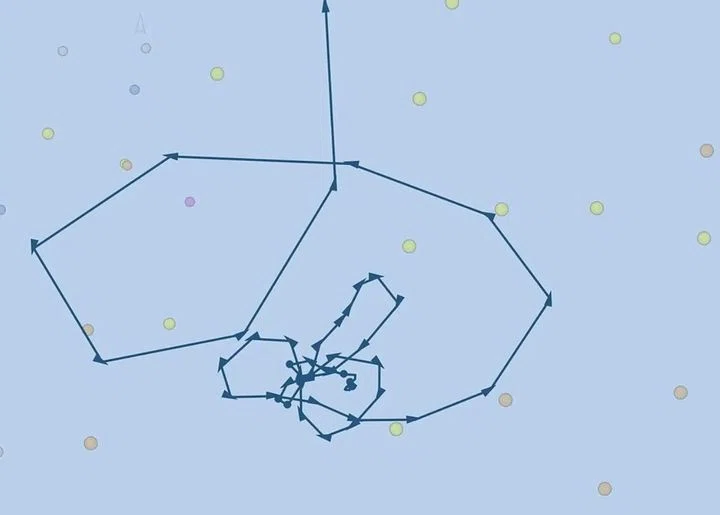
In favor of the version of the artificial nature of the incident with Ever Given, the clearly phallic character of the symbol, which “drew” on the container locomotive movement, before entering the Suez Canal, also speaks. On the other hand, the vessels traditionally make different maneuvers at the entrance to the channel. But it turns out very clearly. And if so, then all questions to the captain. According to the official version, which adheres to the leadership of the Suez Canal, a strong wind and dusting storm were the cause of the incident.
The whole question is that the “blockage” of Suez clearly falls into the scheme of the March shares on the “man -made” impact on the oil market.
Firstly, no further than March 8, when oil tried unsuccessfully to break through the level of $ 70/barrel (and this is a very difficult level for passing, which the oil "bears" protect very much; it is worth the oil to pass it, as it is almost guaranteed to rush to $ 74–75 per barrel, and there is not far from $ 80), Husita using the trotted unmanned vehicle They attacked one of the oil storages in the Saudi port of Ras-Tanur, one of the world's largest ports for shipment of oil.
The wreckage of one of the ballistic missiles launched by the Hussites fell into a residential array in the city of Daram, the place of mass residence of Saudi Aramco employees, the world's largest oil company. In total, according to the Khusitov’s statement, on this day they released 8 ballistic missiles and 14 drones with explosives in Saudi Arabia on objects in Saudi Arabia. But the Khusitov attack, on the one hand, did not cause any damage to the oil infrastructure of Saudi Arabia, and on the other hand, it did not help oil to overcome the barrier of $ 70 per barrel. The price of oil eventually even began to fall.
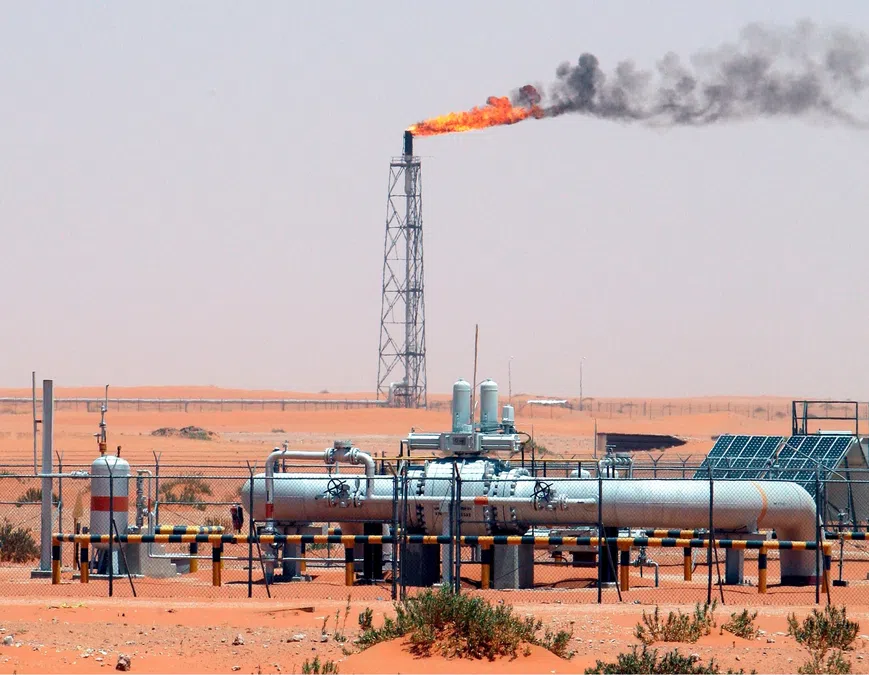
The next air attack by Khusitov on the Saudi oil industry occurred on March 19 - exactly the day after oil fell from $ 68 to $ 63, i.e. 8%. Result: March 19, the cost of oil added a whole dollar.
But by March 23, the price of oil fell to $ 60. It is here-again at an important level for the oil market-Ever Given and blocks the Suez Canal. The very next day, March 24, the cost of oil bounces to $ 64.40. But already on March 25, it falls back to $ 62.
Here it is all about the huge superno -number of oil reserves accumulated in Europe and the United States during the pandemic, due to which a deficiency that arose in the oil market is covered without any problems.
And also in the fact that in the second half of March Chinese oil imports were very sharply reduced: “independent” Chinese oil refineries, considering the cost of oil in the region of $ 65 too high, switched to the reserves accumulated by China and ultra -minute oil prices.
But back to the Husit war for high oil prices. As you recall, the landing of the Ever Given did not help the price of oil too much, and ... On March 24–25, the Husites again attacked the Saudi oil facilities, using 18 filled with explosives and amazing one of the distribution of oil products in Jazan. After a fire at the station, the cost of oil took off from $ 62 to $ 64.5 per barrel. For fidelity, the leader of the Khusitov made a statement that attacks on Saudi oil and military facilities will intensify in the near future.
In conclusion, it is worth noting that the Yemenskoy Husites are actively supported by Iran-the main regional rival of Saudi Arabia, which, due to the USA posed by the US, has very much reduced oil exports. For Iran, especially taking into account the presidential elections, which will take place in September of this year, “every dollar on the account”, which means that the cost of oil is very important. Again, the residual Iranian export, which is purely east of China and India (Europe and the USA do not buy Iranian oil due to the embargo) and is semi-underground, will not suffer from the downtime of Suez.