
Translated material
Good -natured - for Putin. Cordiality and responsiveness as regime supports
Most psychological research calls the adversary people friendly, kind and responsive. But it is precisely people who consider themselves to be such, seven times more often than others vote for Vladimir Putin and four times more likely to approve his policy
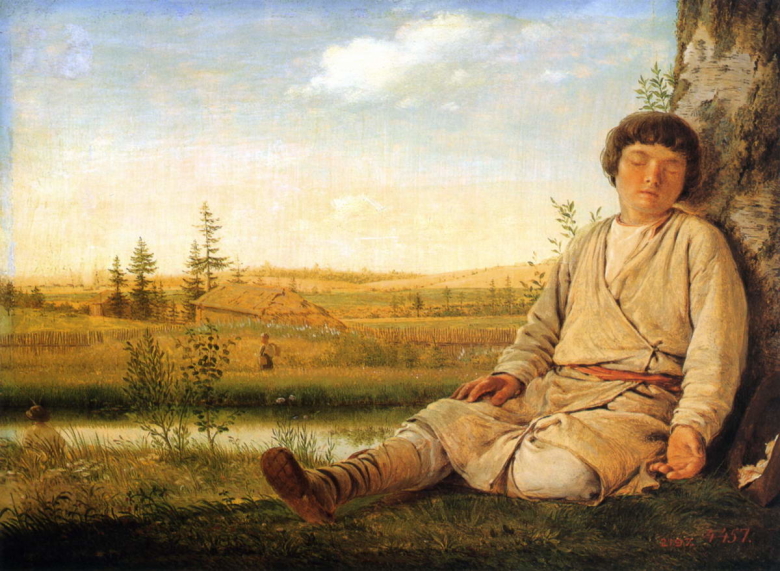
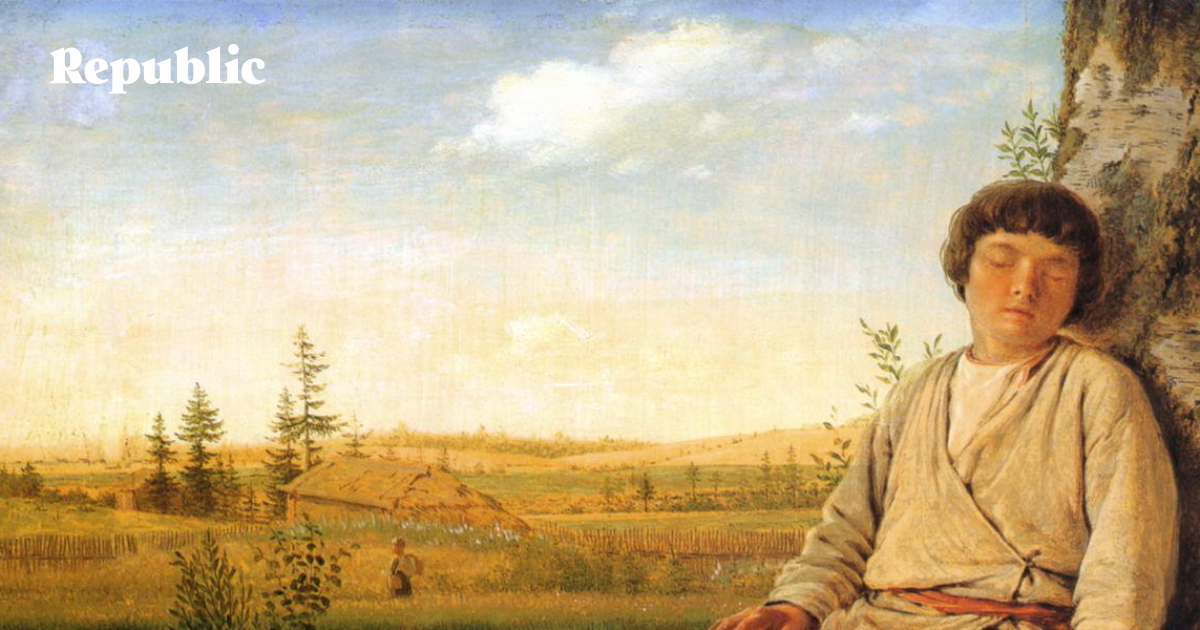
Alexey Venice. Sleeping shepherd. 1823-1826
Vladimir Putin is a popular person. And he is a dictator. And there is no contradiction in this, American political scientists Sam Green and Graham Robertson write in his new book “Who is Power here? Citizens, the state and the struggle for Russia ” (released in the second half of April at Corpus ).
The President of Russia is managing a giant coercion machine created to oversee and control. But paying attention only to suppression and violence, we get an incomplete and inaccurate picture of Russian politics. Usually we believe that dictators rule contrary to the masses who, if possible, would love to drive them out of the post. But in Russia the situation is different.
The book of Green and Robertson is based on dozens of interviews with ordinary citizens in Russia, the results of numerous hundreds of questions, analysis of social networks and data on the composition and activity of protest groups. As a result, the authors write, they have a history of Russian politics, "which is quite different from the one that you may be used to hearing."
The section “Surrounding Authorities” , which we publish with the courteous permission of the publishing house, shows why Vladimir Putin enjoys such high support among citizens who consider themselves “flexible”, “responsive” and “kind -hearted”.
Subscribe to read the whole
Make a subscription Redefine.media to read Republic
Subscribe [you can pay for a Russian or foreign card. The subscription is extended automatically. You can unsubscribe at any time.]
Where are the money subscribers going