Date
Author
Source

Preserved copy
Translated material
Good technologies of human rights
Medusa studied the composition of the Moscow PMC, from where they kicked Marina Litvinovich, and found a company of friends related to the security business there
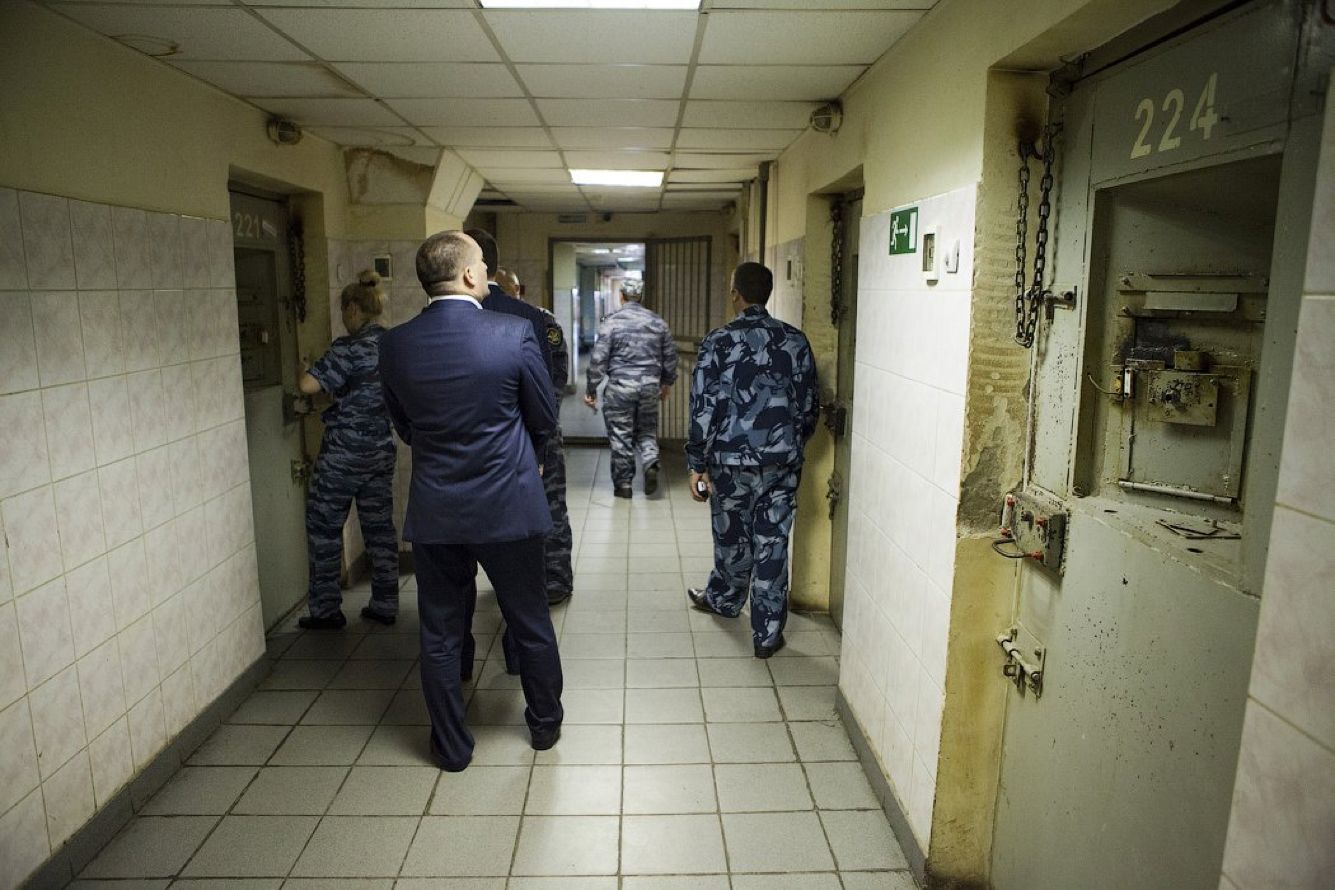
On Tuesday, April 6, the Council of the Public Chamber of Russia terminated the powers of the active member of the Public Supervisory Commission (PMC) of Moscow, the well -known human rights activist Marina Litvinovich: she was accused of "repeated violation of the Ethics Code." The Medusa specialists Maxim Solopov and Ivan Kolunov found out who controls the metropolitan PMC - and what about the Moscow District of Mitino, the trade union of the guards and the presidential administration.
The profile commission of the Public Chamber considered the exclusion of Marina Litvinovich on April 2, giving the relevant recommendation to the Council of the Chamber, and the Moscow PMC, where Litvinovich worked, voted (22 out of 32) for its exclusion from the commission on March 5. At the same time, the question of the exclusion of the human rights activist was submitted to the commission, Deputy Chairman of the Moscow PMC Nikolai Zuev.
“This happens for the first time in the history of our commission, when a denunciation is written by one human rights activist on another human rights activist. This is a completely impossible situation if it was about real human rights activists, ”Litvinovich said about this to Rosbalt. She was accused of violating the Law on the PMC: allegedly in an interview with Rain, she disclosed these investigations against Lyubov Sobol, the associate of the opposition Alexei Navalny.
Marina Litvinovich herself is sure that the law did not violate and did not disclose any information, informing reporters only about the investigative actions against sable - about the night interrogation and that shoes and a protective mask were taken from sable. “I informed citizens about what is happening in Lyubov Sobol - my work as a member of the PMC is this,” Litvinovich insists.
Prior to this, as a member of the PMC, Marina Litvinovich told reporters about the conditions of maintenance of the former governor Sergei Furgal and the accused of the journalist Ivan Safronov accused of the Stateismman; She talked about the problems of Sakharovo arrested in the specialist, where the detainees were brought at rallies on January 31, 2021. In addition, at the end of March, Litvinovich visited Boris Spiegel, the head of the pharmaceutical company, who was arrested for a bribe, and handed over his answers to the questions of journalists.
The Medusa interlocutors in the leadership of the Moscow PMC do not want to publicly comment on this story, referring to the restrictions imposed by the internal ethics Code. But they assure that Zuev simply “executed the regulations”: according to their approval, complaints about violations by Litvinovich were repeatedly received the commission.
At a meeting of the profile commission of the Public Chamber, the chairman of the Moscow PPC Georgy Volkov said that the PMC “turned a blind eye” to Litvinovich’s appeals for quite a long time, but the constant “Polit of the PMC Institute” forced the members of the commission to send to the Public Chamber an idea of the early termination of its powers.
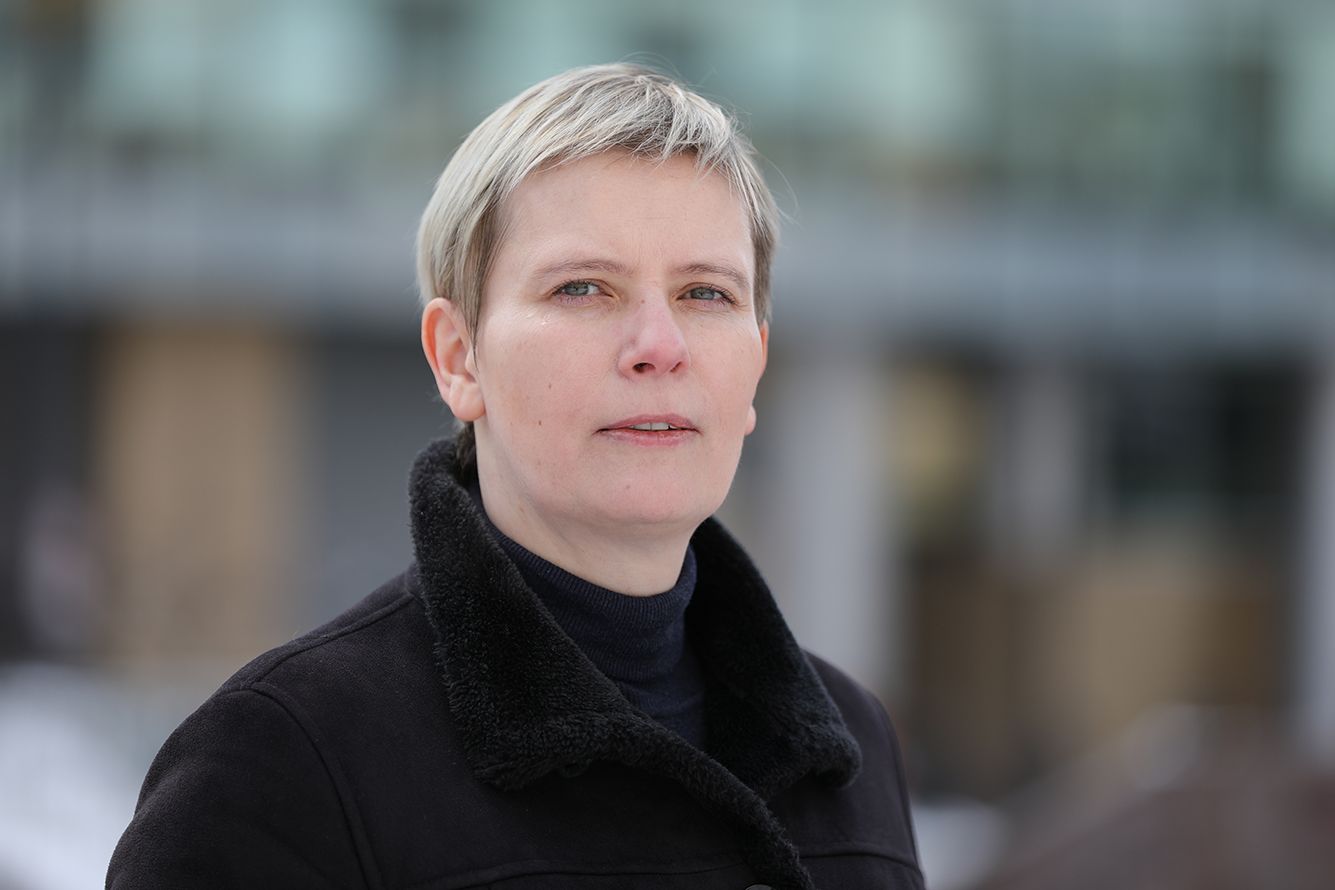
Litvinovich told Kommersant that she received the first formal warning from the leadership of the Moscow PMC in January 2021 - after she advised the lawyer to the family of the accused in the Stateizer of the Elderly Scientist: "I contacted a lawyer from the human rights " team 29 " , passed his contacts to the son of this scientist." However, a relative of the arrested found other defenders - and wrote a complaint against Litvinovich, accusing her of imposing a certain defender.
After the second warning - about the “disclosure of the investigation data” regarding the Sobol case - the Moscow PMC had reasons to raise the question of the exclusion of Litvinovich.
The law , on the basis of which the PMC act, was adopted in 2008. The commissions were created for "public control over the provision of human rights in places of forced content" and "assistance to persons in places of forced content."
As conceived by the authors of the document, the commission should be formed from candidates from human rights organizations; In the selection of candidates, the Council of the Public Chamber earlier focused on the opinion of a special expert council, the co -author of the Law, the former chairman of the Moscow State Republic, Soviet dissident and Russian human rights activist Valery Borschev told Medusa. But gradually, instead of well -known human rights activists, more and more people from law enforcement agencies - former employees of the Federal Penitentiary Service, investigative bodies or members of public organizations of security forces appeared in the commissions.
In 2013, he lost his post by the chairman of the Moscow PMC and Borschev himself, who participated in the creation of this public institution. Instead, the former leader of the organization “Officers of Russia” Anton Tsvetkov was elected. Proponents of Tsvetkov dominated the Moscow Commission of the following two convocations, but since 2019 all the key posts in it have taken a close-knit team of few well-known young activists. These are people who are well acquainted with each other in other projects - and related to the Moscow district of Mitino.
"Good technology" from Mitino
The Chairman of the Moscow PPC , 38-year-old Georgy Volkov on social networks loves to share his photos on a motorcycle, with a Kalashnikov automatic machine or with sports shells.
Volkov was born in the city of Stepnogorsk in the north of Kazakhstan, but he lived all a conscious life in Moscow, in the Mitino area. In a conversation with Medusa, he said that he had been engaged in business since the age of 19: first the repair and sale of computers, then other areas in the IT field, as well as investments in the securities market and trading. From the database "Spark-Interfax" it follows that since 2002 Volkov has also been an individual entrepreneur; He closed the last IP in 2015.
In 2009, Volkov, together with a house neighbor in Mitino, 28-year-old Dmitry River, established the law company MDA-Group, and a year later, a private security company Megapolis. By 2017, the SCO and the law firm were liquidated as ceasing actual activities. Volkov told Medusa that at the time of the creation of MDA-Groups and Chop, he, together with the companions, developed a business related to the installation of alarms and security systems of residential buildings-for this it was planned to use a private security company with a license for security activities.
And in December 2015, Volkov registered in his apartment on Pyatnitsky Highway an organization with the complex name “Fund for supporting information technologies and the implementation of technologies, programs for the moral, ethical, sports and patriotic development of the population“ Good Technologies ”, becoming its only founder and president. The fund’s website described its main goals: propaganda of sports and a healthy lifestyle, as well as “prevention and treatment of game and computer dependence”.
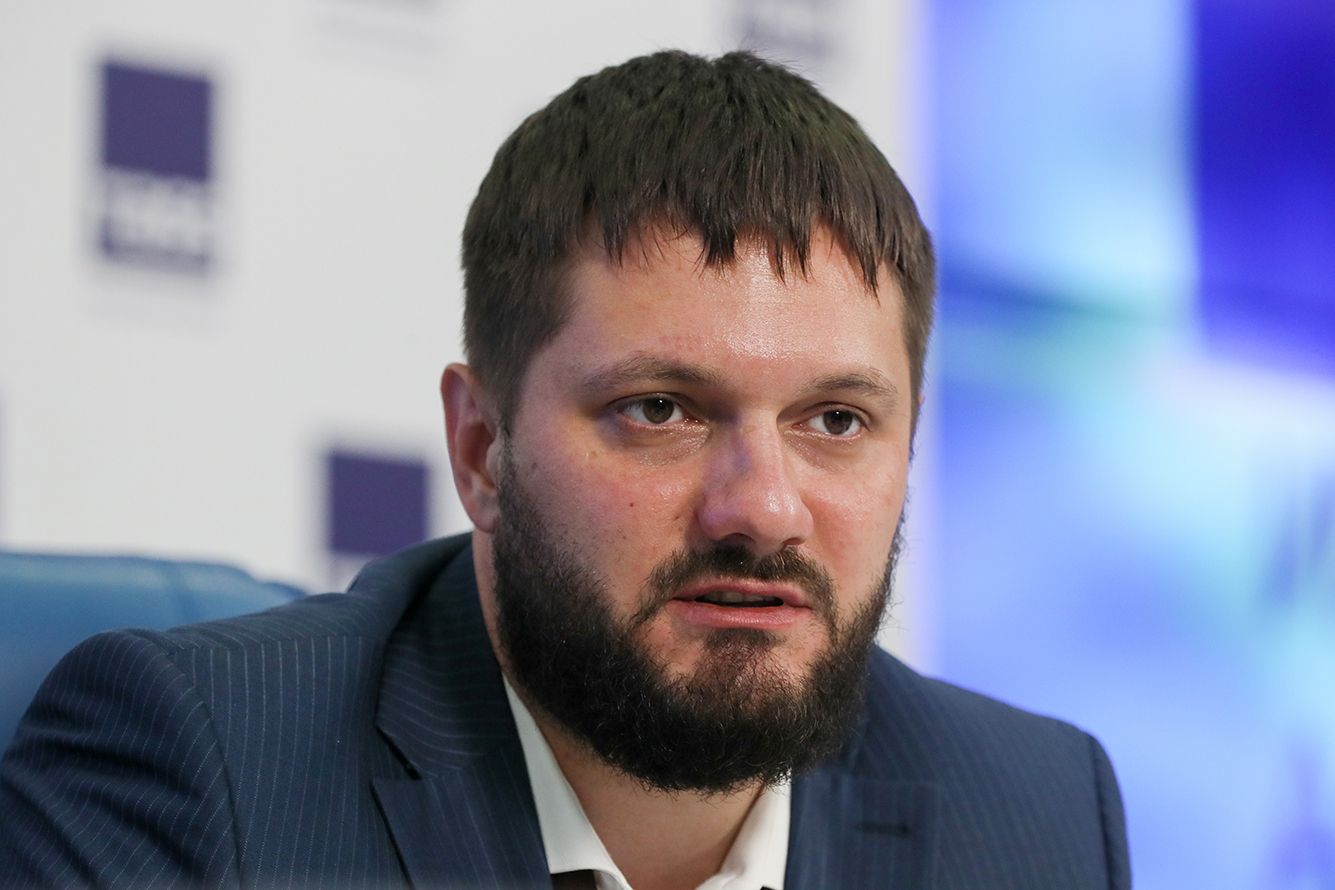
Volkov explains that since the mid-2000s he spent personal money on the support of the needy elderly in the North-Western Administrative District of Moscow, including in the Mitino area. Social activity carried away the young businessman, and he decided to establish the fund, “to make it more convenient to interact” with local officials. “In the end, it turned out that this was actually not necessary,” says Volkov.
At least three current member of the Moscow PMS are associated with its fund, and a few more with the Mitino district, in which Volkov grew up.
The commissions are met by the former vice-president of “good technology” Damir ENEAEV and a resident of Mitino Vadim Boronin (and his brother Boronin Evgeny is also a former employee of “good technologies”-a former member of the Moscow Region). The employee of “Good Technology” was also the deputy chairman of the Moscow ONK Moscow, 29-year-old Bogdan Ebert , who in 2017 participated in the election of municipal deputies of the Mitino district. Then another deputy Volkov participated in the same elections-29-year-old Nikolai Zuev ; The same person who initiated the exclusion of Marina Litvinovich from the PMC.
In the questionnaire of the candidate for deputies Zuev, he indicated that he was working as a security guard in Temiks, and in the PMC he was nominated by the regional public organization of assistance in difficult life situations and disabled people, the correspondent of Novaya Gazeta, a member of the Moscow ONK Elena Masyuk, claimed . The same organization is prescribed by another deputy chairman of the Moscow PMS (there are three of them) - Kirill Manoshin , and he is also connected with the Mitino district. Together with Volkov, Manoshin enters the Public Council at the Internal Affairs Directorate in the North-Western Administrative District of Moscow and oversees the police department in the Mitino district.
The responsible secretary of the Moscow PMC Alexei Melnikov is also associated with the Mitino district. A graduate of the Mitinsky school No. 1943, in the past, a student activist of the Moscow Aviation Institute, at some point he took up a business to create and promote sites and, among other things, administered the public “Overhand in Mitino” in VKontakte (during the elections to the Moscow City Duma in 2019, Melnikov was nominated as a non-partisan candidate with the support of the Communist Party for the sixth one-mandate the district was defeated by the member of the "Yabloko" Evgeny Bunimovich).
Despite the obvious connections, Volkov at the same time assures that I already met most of these people in the PMC: “[for example, Bogdan] Ebert, I knew from sports. He is a great person, an athlete, helps children with disabilities. Some recommended each other. I supported those who wanted to engage in social activities. ”
Volkov recalls that after the creation of “good technologies”, a friend came to him with a request to find out the fate of a person in jail. In social networks, Volkov was signed by several public figures, including a resident of Mitino Pavel Pyatnitsky, a former functionary of the LDPR and a member of the Moscow ONK. It was then that Volkov learned about the existence of the PMC; With his question, he turned to the closest comrade Pyatnitsky in the commission - Mikhail Senkevich.
Senkevich-a parishioner actively preaching in places of imprisonment of the Church of Christian-Penetestes. He himself spent 17 years in places of imprisonment. Volkov asked Senkevich to help a person who was in a pre -trial detention center. “So I began to help Senkevich as a volunteer-with a transport, some other technical things,” Volkov says Medusa.
In 2016, Volkov himself submitted documents to the next composition of the Moscow PMC. His acquaintances claim that he was the most effective member of the commission of the previous convocation in the number of visits to the places of detention. PM colleagues note that Volkov often went to the pre -trial detention center with Pyatnitsky.
Pyatnitsky himself at that time turned out to be the hero of several loud stories. His colleague in the Moscow PMC, a new journalist Elena Masyuk published a series of articles in which Pyatnitsky accused of taking money from relatives of prisoners to improve the conditions of their maintenance in jail. However, in the end, Pyatnitsky left the PMC not because of these publications, but because he was detained for shooting from traumatic weapons in the center of Moscow.
Now Pyatnitsky is a popular blogger, it advertises its legal center on social networks. The service of a criminal lawyer from Pavel Pyatnitsky will cost 150 thousand rubles a month. On his website, Pyatnitsky indicates that "continues to maintain working relations with his former colleagues both in the Moscow PPC and in other subjects."
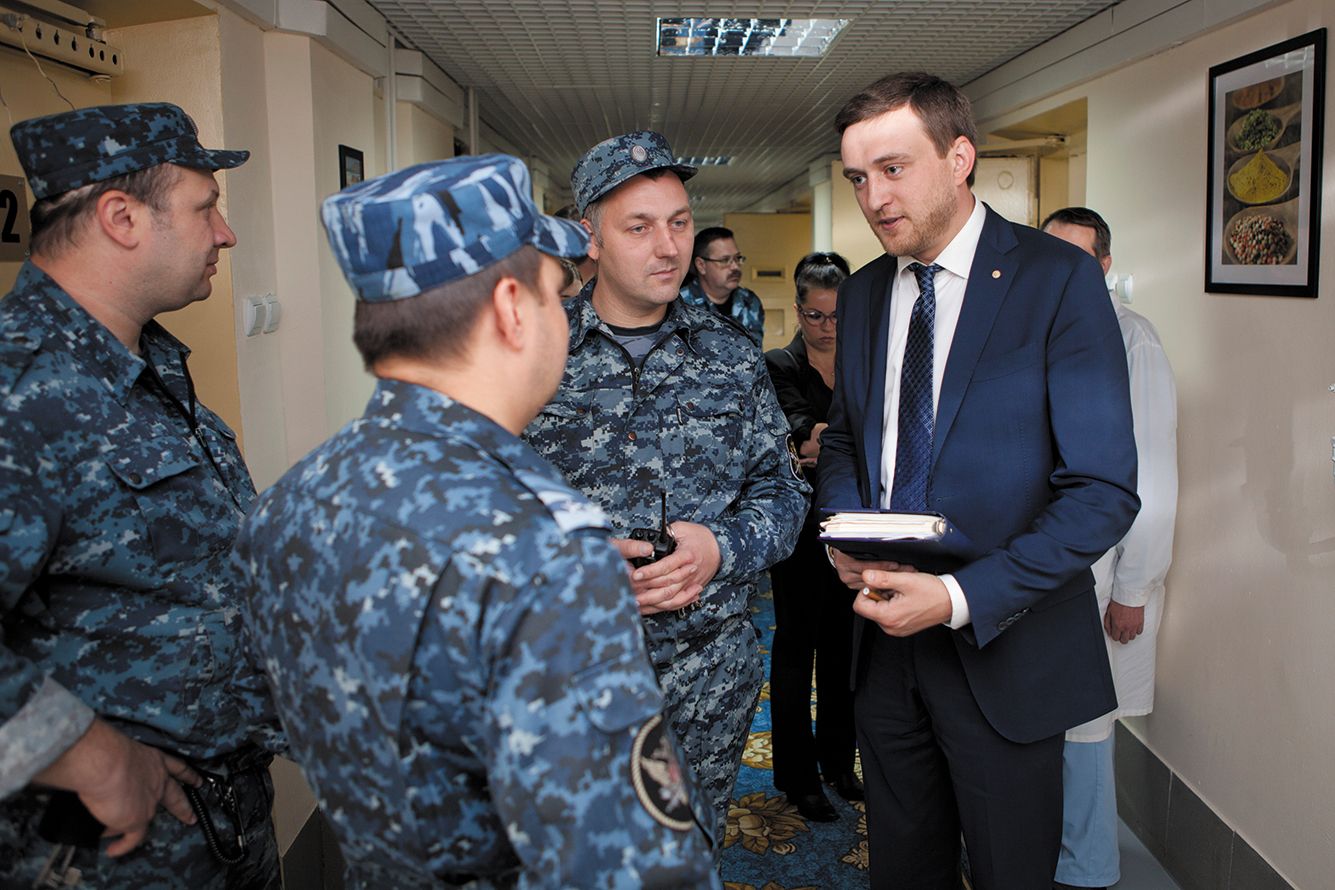
Volkov claims that Pyatnitsky was not related to the entrepreneurial activity and even left his own business in partners, paying more attention to public work. He explains his interest in the PMC by the fact that in addition to moral satisfaction, membership in the commission brings useful connections. In particular, now he is closely cooperating with the Commissioner for the Protection of Entrepreneurs' Rights in Moscow Tatyana Mineeva - and, for example, the PMC Secretary Alexei Melnikov (also associated with Mitino) declared plans to nominate the State Duma in a single -mandate district.
In conversations with Medusa, friends and associates of Volkov in the ONC contrast themselves with “media human rights activists” and assure that their activities are “not always noticeable” simply because they avoid public statements (supposedly at the request of the prisoners) and do not focus on “famous and political prisoners”. In fact, it is they who more actively visit the places of imprisonment, write complaints to the prosecutor’s office and the Investigative Committee, seeking to improve the conditions of detention of prisoners, and his colleagues insist.
“Volkov very harshly seeks from the police and the Federal Penitentiary Service of the PMC, but in order to act from the standpoint of force, one must observe the Law“ On Public Control ”[regulating the work of the PMC],” assures the member of the Moscow PMC close to Volkov. He denies that Volkov or someone else in the commission lobbying the interests of the security forces, claiming that Volkov "is just trying to defend the PMC from the attacks of the security forces."
At the same time, all the leaders of the Moscow PMC - Volkov, Zuev, Ebert, Manoshin, Melnikov were mentioned as participants in the coordination council of the non -state security sphere (KS NSB), an informal association of employees of private security enterprises and security services.
Elite near Moscow
One of the leaders of the NSB KS Dmitry Galochkin has long been closely related to the system of public observation commissions and is already included in the third composition of the Moscow PMS. And on the website of the “Keepers of Russia” movement in the section “Activists”, you can find photos of the Deputy Chairman of the PMC Zuev and its secretary Melnikov with the badges of this organization.
In the “Ideology” tab on the site of the Galochkin movement - five declarative quotes of Vladimir Putin; For example: "Russia will always be a country of opportunities." Among the software texts - material with the heading "Enemies of Putin - the enemies of Russia."
The chairman of the PMC Volkov has been cooperating with the NSB CSB for at least five years. Initially-as a representative of the non-profit organization “support of the nation” Mikhail Senkevich (the same parishioner of the Church of Christian-Pyatyyniki), who heads the Council of NSB for the social adaptation of citizens. Senkevich began his activities in the PMC with Galochkin in the Tula region: in 2010 they became part of the local PMC, and already in 2013 they got into the Moscow commission.
In the same 2013, the Coordination Council of the non -state security sphere appeared - on the initiative of Galochkin and the then head of the Mosgorduma Commission (now - Senator from Moscow) Inna Svyatenko. The purpose of the association was called coordination between numerous associations within the security industry. And the first chairman of the Constitutional Court of the NSB was the former director of the FSB of Russia Nikolai Kovalev.
In addition to Galochkin and Svyenko, the leadership of the Association was also the head of the Security Council Committee Viktor Ozerov, Senator Franz Klintsevich, deputies Andrei Lugovoi and Dmitry Sablin. With the latter, Galochkin has been familiar for many years, his acquaintance claims in a conversation with Medusa.
Galochkin actively participated in the activities of the ultra -conservative movement of Sablin “Antimaydan”, but he earned a special location of the security forces when, with the help of the resources of the NSB, he helped organize dozens of volunteers to participate in the operation of the Crimea (Galochkin was awarded the medal of the Ministry of Defense “For the Return of Crimea”).
In the 1990s, Galochkin began his career in the security service of the Most group Vladimir Gusinsky, one of the leaders of which was the former head of the fifth department of the KGB, Philip Bobkov. At the beginning of the zero, Galochkin became one of the creators of the Elite security organization, which selected and taught bodyguards for businessmen and quick response groups to protect commercial facilities. According to a friend of Galochkin, the fighters for the "elite" were the wards of the current head of the Kikboxing Federation of Russia Vadim Ukrainian from Dedovsk near Moscow. On the website of this organization, Galochkin was mentioned as a member of the Board of Trustees.
According to Galochkin, the "elite" arose as the "Association of employees of the security industry." In the early 2000s, after the completion of the ownership in Russia, the security services of many oligarchs and large corporations were actually disbanded, and their employees, including Galochkin himself, had to look for a new job. Later, a whole non -state security union grew out of the “elite”, which even consisted of the Federation of Independent Trade Unions of Russia, headed by Mikhail Shmakov.
All members of the Moscow PMC, with whom Medusa talked, recalled the procedure for choosing the chairman in the current composition of the PMC. It was Galochkin who took over the functions of the chairman at the first meeting on this issue and demanded that the honorary chairman of the PMC Andrei Babushkin leave the premises.
As a result, two main candidates competed on the vote for the post of chairman: George Volkov and journalist Eva Merkacheva. Each member of the commission could vote for several candidates, the wolves gathered more than all votes. В разговоре с «Медузой» Галочкин настаивал, что влияния на исход голосования он оказать не мог, «просто надо было кому-то призвать всех к порядку».
И сам Галочкин, и члены команды Волкова настаивают, что друг с другом познакомились уже в московской ОНК. «У Галочкина характерная манера всех знакомых тут же записывать в свою команду», — так объяснил постоянные упоминания членов ОНК в качестве участников КС НСБ один из знакомых Волкова.
Сам Галочкин соратников Волкова называет людьми, которые от него не зависят: «Это просто активные ребята. Надеюсь, они не перегорят быстро. Проблема в том, что у нас общественная деятельность поддерживается либо грантами с Запада, за которыми стоят с протянутой рукой некоторые правозащитники, либо через какие-то бюрократические государственные структуры, не доходя до тех, кому такая поддержка нужна. В итоге реальное гражданское общество представляет собой именно отраслевые и бизнес-ассоциации».
Под контролем АП
Знакомый Галочкина убежден, что ОНК тот заинтересовался не по собственной инициативе — к этому его привлек заместитель секретаря Общественной палаты Владислав Гриб, один из создателей влиятельной Ассоциации юристов России.
Галочкин и Гриб знакомы по меньшей мере с 2007 года — тогда Галочкин вошел в редакционный совет журнала «Человек и закон», принадлежащего издательской группе «Юрист» Гриба. В тот же период партнер Галочкина по охранному бизнесу Виктор Шендрик возглавил ЗАО «Открытый рынок строительных инвестиций» (ОРСИ), совладельцем которой через ООО «Журнал „Человек и закон“» стал Гриб.
Как писал «Коммерсант», компания ОРСИ управляла активами разорившихся строителей и пыталась создать биржу по продаже долгов девелоперов. Фирма получила широкую известность после того, как в феврале 2009 года получила в управление ООО «РИГрупп» — обанкротившуюся девелоперскую компанию Жанны Буллок, жены бывшего министра финансов Московской области Алексея Кузнецова, осужденного на 14 лет лишения свободы за хищение, растрату и легализацию 14 миллиардов рублей из областного бюджета. Совладельцами ОРСИ в разное время были «СМП-банк» Аркадия Ротенберга и топ-менеджер «Ростеха» Михаил Шелков.
В 2012 году администрация президента — Общественную палату в тот период курировал заместитель руководителя управления внутренней политики Радий Хабиров — поручила Грибу контроль над формированием наблюдательных комиссий, утверждает знакомый Галочкина. По его словам, именно Гриб занялся согласованием списков членов ОНК в администрации президента, когда возглавил специально созданную рабочую группу по формированию ОНК. В 2013-м в состав ОНК Москвы попал и Галочкин.
Согласно формальной процедуре, списки ОНК утверждает совет Общественной палаты. Но совет всегда опирался на рекомендации соответствующей рабочей группы, а позже — постоянной комиссии по взаимодействию с ОНК, считают члены комиссии. Формально и совет палаты, и руководители профильных комиссий утверждаются голосованием всех членов палаты. Но часть состава палаты своим указом формирует президент, а еще часть выдвигают общественные палаты регионов.
В итоге согласованием всех кандидатур занимаются профильные структуры в администрации президента, утверждают собеседники «Медузы». Эти же чиновники согласовывают и списки членов ОНК с учетом мнения силовиков из ФСИН и ФСБ, настаивает источник «Медузы», участвовавший в переговорах о формировании одного из предыдущих составов ОНК.
До 2015 года Общественную палату курировало управление внутренней политики АП, затем — управление общественных проектов. Для чиновников управления внутренней политики основным направлением работы было взаимодействие с региональными властями, а для управления общественных проектов — организация крупных официальных мероприятий и работа с «Общероссийским народным фронтом». Работа с правозащитниками традиционно мало интересует чиновников из АП, но беспокоит ответственных руководителей силовых ведомств.
Гриб умеет находить взаимопонимание с силовиками, утверждает собеседник «Медузы». Сейчас он вице-президент Федеральной палаты адвокатов России и член общественных советов ряда заинтересованных во взаимодействии с ОНК ведомств: ФСБ, Минюста (которому подчиняется ФСИН) и управделами президента.
С 2017 года Гриб перешел на пост заместителя секретаря Общественной палаты, но нынешнюю комиссию по взаимодействию с ОНК в Общественной палате возглавляет Александр Воронцов — бывший работник прокуратуры Тульской области и руководитель регионального отделения Ассоциации юристов России. Воронцов же руководил тульской ОНК, когда в ней состояли москвичи Сенкевич и Галочкин. Первый заместитель Воронцова — бывший сотрудник КГБ, эксперт по частным военным компаниям и член президиума все того же КС НСБ Михаил Аничкин.
Сам Гриб комментировать проблемы ОНК не стал, сославшись на то, что с 2014 года не имеет отношения к формированию комиссии. В общественных советах при силовых ведомствах Гриб, по его словам, скорее представляет интересы адвокатского сообщества.
Собеседник «Медузы» в Совете по правам человека (СПЧ) считает, что из-за общественного резонанса исключение Литвинович из ОНК согласовали на самом высоком из возможных уровне — с руководителем управления общественных проектов АП Сергеем Новиковым. Решающую роль для АП в таких вопросах играет мнение представителей ФСИН и ФСБ, уверяет собеседник «Медузы», участвовавший ранее в отборе кандидатов в ОНК.
При прежнем директоре ФСИН Корниенко за работу ведомства с правозащитниками отвечал его сослуживец по фельдъегерской службе — Валерий Максименко. Он был арестован по уголовному делу , сопровождением которого занимаются сотрудники управления «М» ФСБ (курирует работу полиции, ФСИН, прокуратуры и судов). В этом же управлении некогда работал и новый директор ФСИН Александр Калашников. Сейчас обязанности Максименко делегированы бывшему начальнику воронежского института ФСИН России Валерию Балану, начинавшему карьеру в системе исполнения наказаний Ленинграда и Петербурга.
Впрочем, еще один собеседник «Медузы», знакомый с работой администрации президента по взаимодействию с Общественной палатой, настаивает, что никакого согласования списков ОНК в администрации президента и силовиками просто не может быть. «Их тысячи», — аргументирует он свою позицию. Закон позволяет сформировать ОНК численностью до 40 человек в каждом из 89 российских регионов. Однако в большинстве из них желающих работать в комиссиях гораздо меньше.
А еще на эту тему у нас есть подкаст — с правозащитницей Мариной Литвинович. Недавно ее исключили из московской ОНК
6 апреля Совет Общественной палаты России решил, что член московской ОНК раскрыла тайну следствия по делу Любови Соболь. Сама Литвинович считает, что ее исключение связано с тем, что ею не довольно ФСБ.
 |
Авторы: Максим Солопов и Иван Голунов
Редакторы: Валерий Игуменов и Татьяна Лысова