
Translated material
The heart of the homeland
Monologue of the oldest cardiac surgeon in Russia about happiness
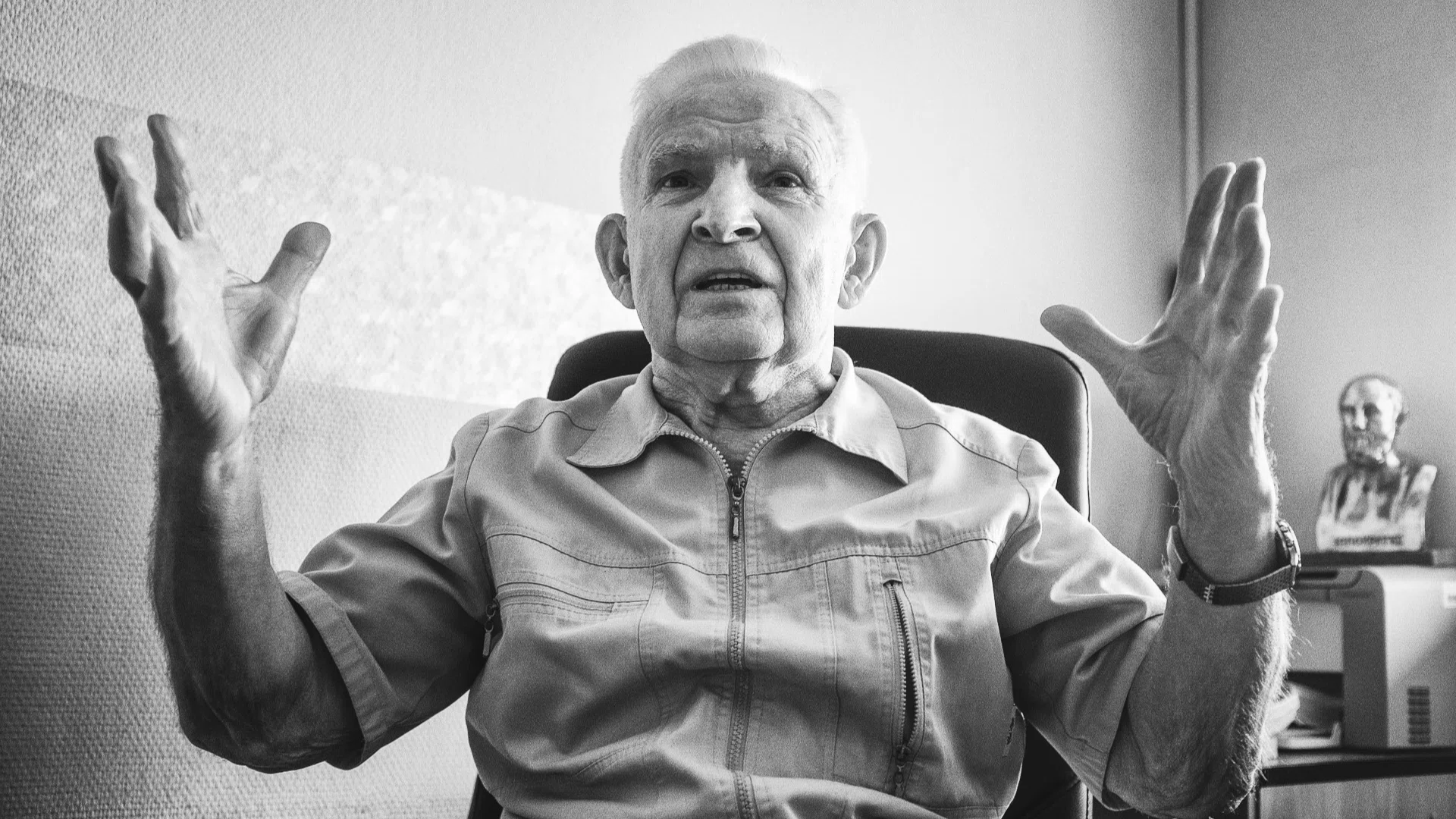
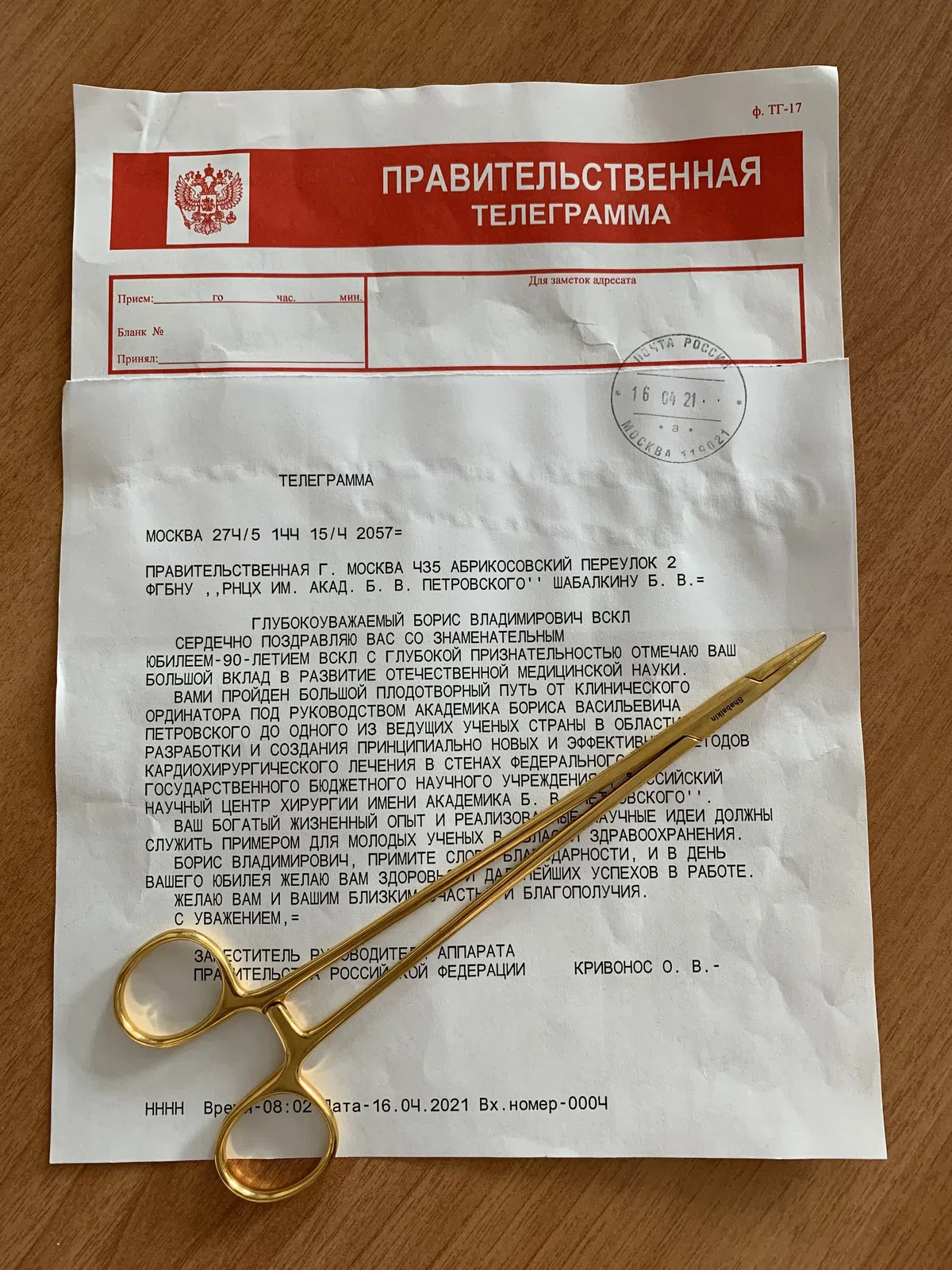
Today, 90 years have been the oldest cardiac surgeon of the country, professor, doctor of medical sciences Boris Vladimirovich Shabalkin. Dr. Shabalkin was the first in the Soviet Union to be engaged in surgery of coronary heart disease, personally knew all the luminaries of domestic medicine and still, by the way, works in the Russian Scientific Center for Surgery named after academician B.V. Petrovsky, who was his teacher and mentor. Boris Vladimirovich Bodr, happy, ironic, advises patients and doctors, and even the guards of the center consider him something like a deity. In the monologue of Dr. Shabalkin, which we recorded on the eve of his anniversary, he talks about fate, nobility, vodka ... Well, of course, about the Russian heart.
- I was born in Moscow in 1931. A small family is dad and mom, I was with their son. They absolutely had nothing to do with medicine. The simplest workers. Father worked on Metrostroy when they built the very first line - Sokolnichesky. And mom is in every way. She worked both in the hairdresser, and when the war began, in the dining room of the People's Commissariat.
And I was a boy, and I had a large courtyard between four wooden two-story wings-on the 3rd Meshchanskaya, now she is Schepkin Street. The people lived there the most different. For example, I had a comrade, he had a father and mother, there were some very famous engineers. We all drove football together, beat glass on the first floors. They played hockey. But not in the puck, there were no goals then. The ball is rag. Real balls for Russian hockey were hard to get. So some rags were wrapped, and the skates were tied with ropes to the felt boots. Beautiful life.
In the tenth grade, I began to somehow wonder where to go. I thought - either to medicine, or to the agricultural institute. That is, I had some kind of craving to be closer to nature. But in order to know what it is, then there was nothing, no opportunity - not circles, nothing like that. Since we were not a very wealthy family, my mother told me when I was already matured for medicine:
“Borka, where are you going?! Doctor! You will constantly walk in darned pants! ”
She was a simple woman and knew the price of life.
Nevertheless, I went and entered the first medical institute. He had never been an excellent student, but then, probably, it was easier to act at all. Although here we went with a friend, and he did not. True, he did not really want to, he was such a guy’s sports, stood a goalkeeper well and then went well along the sports line. And then he hesitated. I tell him: let's go, Kolka, let's go to the medical one. He says: well, let's go. He did not care. And I acted.
Probably, I did not immediately want to become a surgeon. There were eleven people in the group and few people went to surgery. We went to therapists, to anatomy. And in the fourth and fifth year I began to go to the Sklifosovsky Institute for duty. I was assigned to one doctor - when he is on duty, then I went. At first he put me an assistant - to help, look at the operations. And then he began to give me the simplest things - well, there is appendicitis. I have not had a diploma yet.
There was some kind of simple and beautiful idea in all this: to help a person. The disease is very bad. And I understood: you can help.
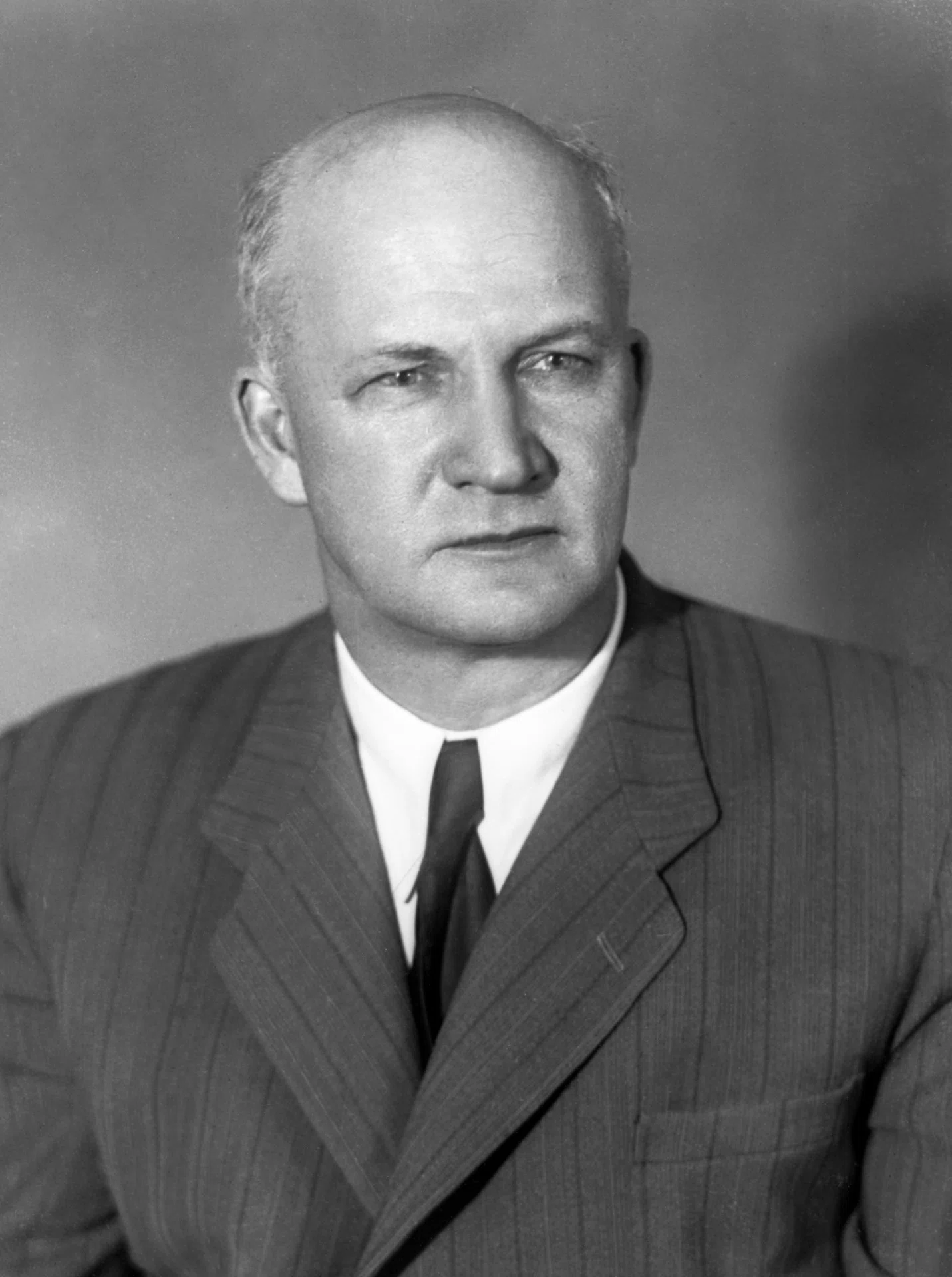
And help beautifully. I remember, for example, as Professor Myasnikov ( Alexander Leonidovich Myasnikov, Soviet therapist, academician, author of works on the problems of cardiovascular pathology, liver diseases and infectious diseases, the creator of the school of therapists. - Ed. ) Made bypasses. These were gorgeous bypasses. A lot of assistants and residents - women gathered around him. And they were all beautiful! Seriously. Here he goes, such a very spectacular man, an unbuttoned robe. He enters the ward, casts all the patients with a wide gaze, goes to the bed, sits down, throws his foot on his foot, takes a slightly thrown out pose and argues. And all the girls, of course, are shaking. And we admire. I don’t remember, a professor or these very girls.
Well, that is, I had wonderful teachers. For example, Academician Petrovsky ( Boris Vasilievich Petrovsky is a surgeon, scientist, clinician, Minister of Health of the USSR, director of the All -Union Scientific Center for AMN surgery, Laureate of the Lenin and State Prizes . - Ed. ). In 1956, I graduated from the first honey, and Petrovsky just came there to the department of hospital surgery. And I got to him in residency. By that time, he was already an academician and had the right to make an academic group aimed at solving some important problem. And I, as a young doctor, got into this group. First as a resident. The rate was 60 or 65 rubles. And a year and a half later I was transferred to the post of senior laboratory assistant, and there was already seven rubles more there.
With this, my life began in this center, which is now called the "Russian Scientific Center for Surgery named after Academician Petrovsky." Since then I have been working only here. In America, they say this is bad when a person sits in one place so much. And I don’t know, I don’t regret it, because this institute has become a second home for me. We spent a very large part of the time here, especially at the very beginning, when the development of cardiac surgery began. It was something.
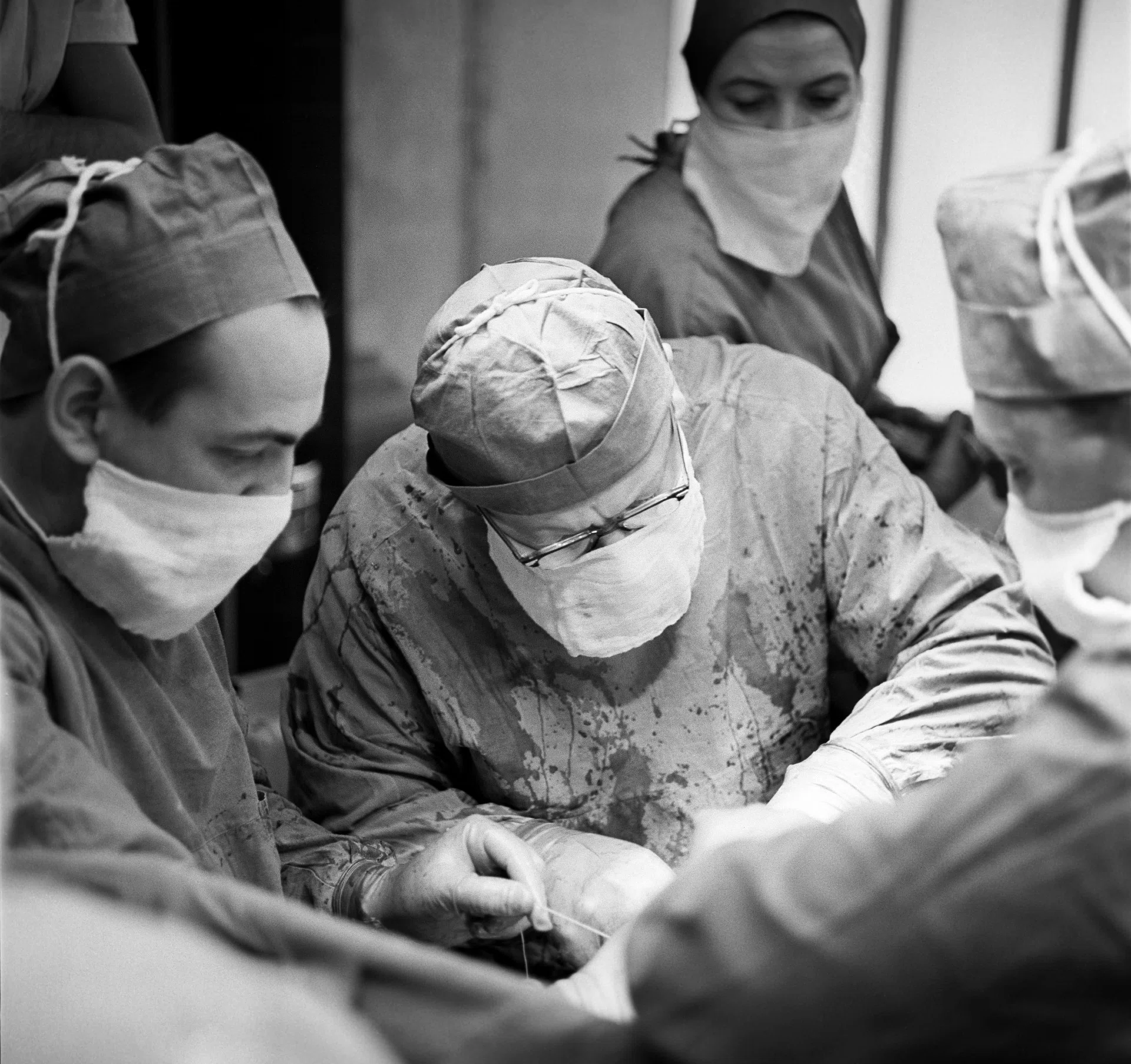
In those years, there were only some separate attempts, attempts to engage in surgical heart treatment. The most common operation was then the mitral commissurotomy. They made an incision on the side, the surgeon inserted a finger into the heart through the atrium and a valve, grown as a result of rheumatism, expanding his finger right with this. The hole was small there, but it was necessary to open it as it were. And sometimes - with efforts, because calcinosis was formed on the valves, everything became directly stone, and it was difficult. Nevertheless, there were such operations.
Life, of course, demanded something new. In the world, the development of cardiac surgery began. Artificial blood circulation appeared, that is, under certain conditions, the heart was stopped, and the body's life was supported by this artificial peripheral blood circulation. Now we could repair, repaire our hearts with more complex operations, especially in children's surgery, when congenital malformations, defects, and multiple lesions were found. All this required cardiac arrest for a fairly long period of time.
There was a lot of happiness, there were many mistakes. But it was the period of development of the unknown. The time of the appearance of stars. Meshalkin. Bakulev. Amosov. Vishnevsky. Kupriyanov.
Do you understand? Here are portraits to put them - and before everyone you can kneel down. Seriously. And I lived at this time. The time of experiments.
We sat, on duty in dogs on which we set up experiments on artificial circulation. And by the morning the dog was sure to die. You come to the clinic - and catch up with you: how so?! You missed! And then it turned out that they did not tolerate artificial blood circulation at all.
Nevertheless, everything was new, everything was interesting. Everyone was young, in charge, could work day and night. They argued. They tried to get ahead of each other. How did we reason? You come to your heart as a specialist and forget that it is an organ of love, an organ of some passions. You just see that this is a sick heart. With him, a person cannot truly experience either passions or happiness. He is just sick. Especially if this is a child. Everyone goes to play football, but he cannot, because he is suffocating. And so you come to him and understand: you need to make sure that he can also play, love, sing, have fun or, conversely, like everyone else, to experience misfortune - God forbid, so that there are fewer. Life. Full life. That's why we did all this. Thank you, heart, that you know how to love so much!
As a young man, of course, I wanted to be able to be able to then as much as possible. Do operations in connection with complex heart defects, which include many components. And I was lucky in this sense. Probably helped a case that plays a large role in the fate of each person. Our employee, Dr. Knyazev, worked as a doctor in New York, in the Soviet representative office at the UN. And so he returned from a business trip home. Boris Vasilievich Petrovsky was then already the Minister of Health, and he suggested that I go to America. My family and I consulted, decided and decided to go for three years.
At this time, surgery of coronary heart disease began in America. The first, as they say, attempts. I really wanted to see all the operations that they do there. I went to the New York Hospital. I was allowed to attend operations. And when the term of my business trip was already ending, I contacted Petrovsky and asked him to allow me to study the issue deeper. He compiled a program in which hospitals to go. And this program was approved. I drove a few clinics for six months, studied coronarography, that is, an X -ray pattern of coronary arteries, which allows you to understand how, where and what is affected.
The Americans turned out to be very interesting guys. Normal are such ordinary people. One surgeon invited me to visit me and began to sing praises to our healthcare.
It turns out that he and his wife traveled and were in Moscow. Something grabbed him here with his stomach, and he did not know what to do. He was called an ambulance, ten minutes later she arrived. They took him to the hospital, allowed his wife to go with him. He lay down for a couple of days, he was cured and discharged, they didn’t even take the money. He said with such love about this that even after that I loved his homeland even more.
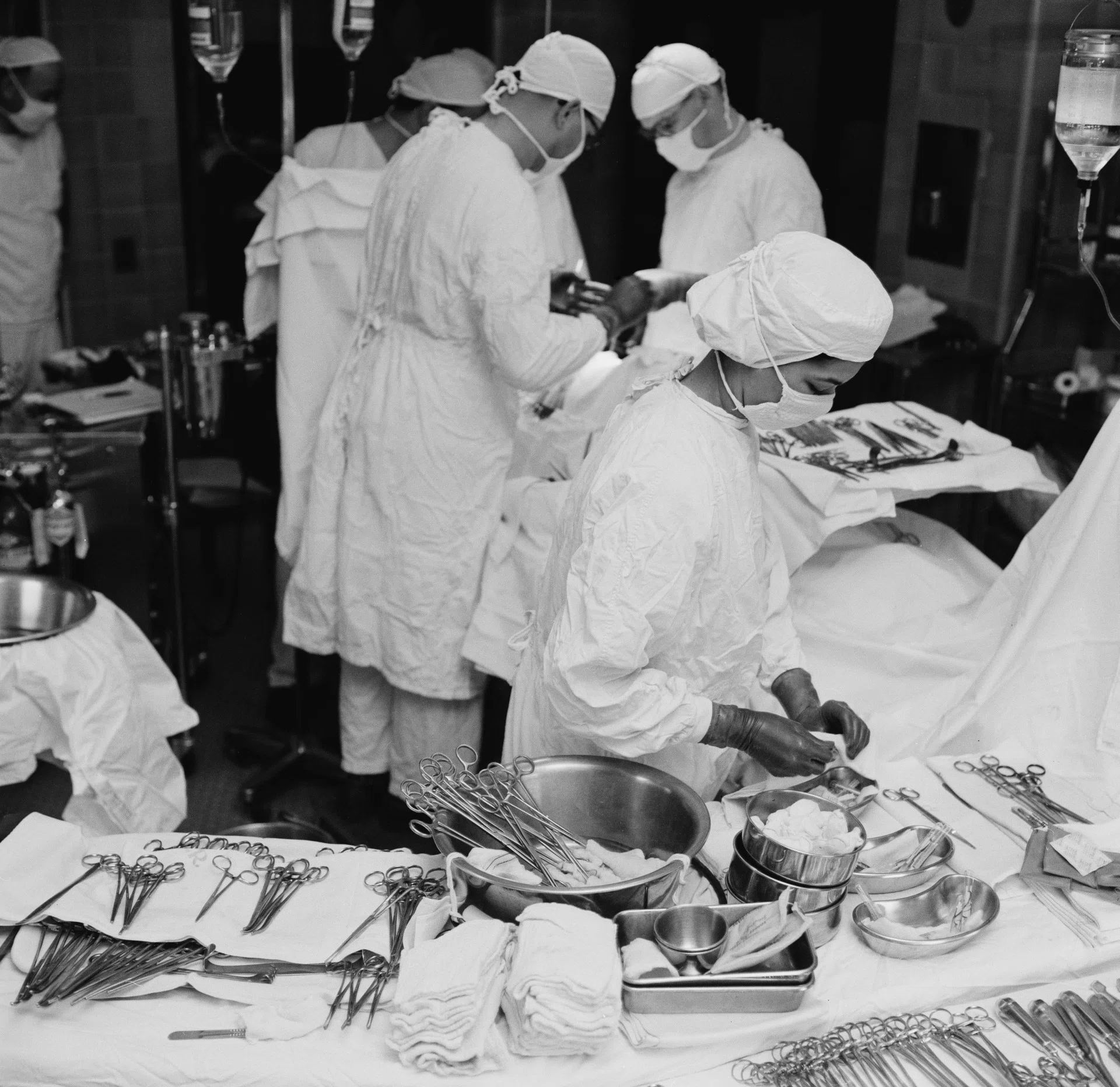
But in general, all this gave me a huge charge. I studied the coronary (Cleveland at night, because I was in the operating rooms during the day. And at night, for a bottle of vodka, they gave me a key to the archive, I took coronarography, magazines with their description, and for me it was a textbook. I watched films, read, compared, and it was a great school.
When I returned, there was a feeling that the surgery of the heart literally occurs, a breakthrough was needed. Academician Petrovsky allocated a coronary surgery department in our center and appointed me its leader. I had to forget the surgery of children's heart defects, mitral vices, because Boris Vasilievich said: do it, do new. And it seems that I began to succeed. Doctors from all over the country began to come to me to study. I do not think that it would be immodest to say that I managed to do something for them. When we started, in the Soviet Union nothing was really known about coronary surgery. We listened to the defects of the heart with a stethoscope - that is, with a ear. There were times when I came up with a regular fork to break out two middle cloves, and the two remaining the remaining myocardium so that it does not sway very much. Anyone happened. And now the aorto-coronary bypassing has become a mass, the most common cardiological operation. Diagnostics, resuscitation, medicines, tools have changed, everything has become completely different.
We have a lot of patients with coronary heart disease.
Once, a patient from the Far East reached Moscow for seven to eight days to make an operation.
It was a disgrace. During such a trip, he could have a heart attack, and the devil knows what else. Therefore, such surgery itself had to go to the sick home, and not he to her in the hospital. So in the end it turned out. And I stood at the origins of this, and I put a hand to this.
Most likely, I am a happy person. Not because I was lucky. Not because the doctor is a noble profession, although this is a noble profession. Just doctors generally work for happiness, for what else? And these are not high words. I must say, maybe rudely: the bastards cannot be real doctors at all. Real doctors really love and do everything for real. It seems to me that these are the highest creatures. The joy that they can bring can not compare with anything. Of course, I would like to do it as long as possible. You can even up to 90 years like me. "