
Translated material
Zemsky vowels
Why do municipal deputies of Russia hold a congress in Veliky Novgorod
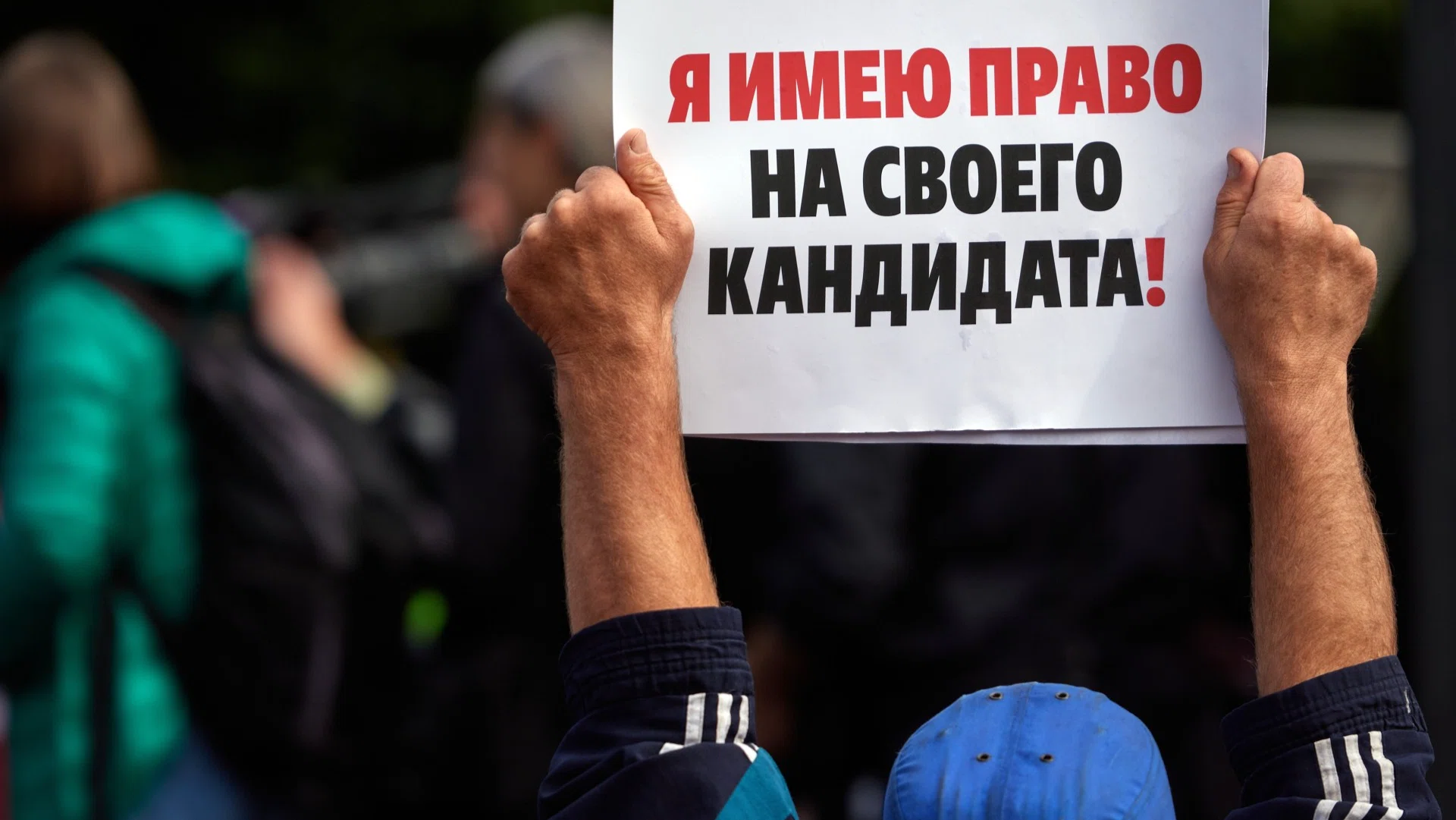
For today's Russian society, which has painfully looking for its identity for several decades, it is extremely important to find a support in the past, which could at the same time become a bridge to the image of the future. And this is not necessarily the image of a strong empire, territorial expansion and military victories that the current elites impose on us: partly sincerely, partly pragmatic. We must find alternative samples in history, which at the same time meet the democratic needs of the present time and new generations. Samples that could form the basis of Russian identity and fulfill the role that were not able to fulfill examples imported from abroad.
At the very beginning of the twentieth century, in Russia with democratic institutions, everything was about as bad as in Russia current. And the only people in the empires whom someone chose were zemstvo vowels (an analogue of the current municipal deputies). Today, the elections are held not only at the local level. But as life shows, in fact, only here society manages to choose real representatives of society, not imposed on top.
And modern zemstvo vowels begin to play about the same role that they played many years ago.
Firstly, independent municipal deputies create updated practices and new spaces of democracy around themselves. We know how quickly people begin to get involved in public and political life if independent mundites appear in their or even neighboring district, and even better if they acquire a majority in their advice. To get involved, thereby expanding the space of political participation and forming local communities, which were actually not in the Soviet (especially late Soviet) time. And in the history of the zemstvo, we see analogues when, due to the Zemstvo reform, the formation of a new class of the Zemstvo intelligentsia, Zemstvo artisans (small entrepreneurs, as we would say today), the new peasantry, which become the core of local communities.
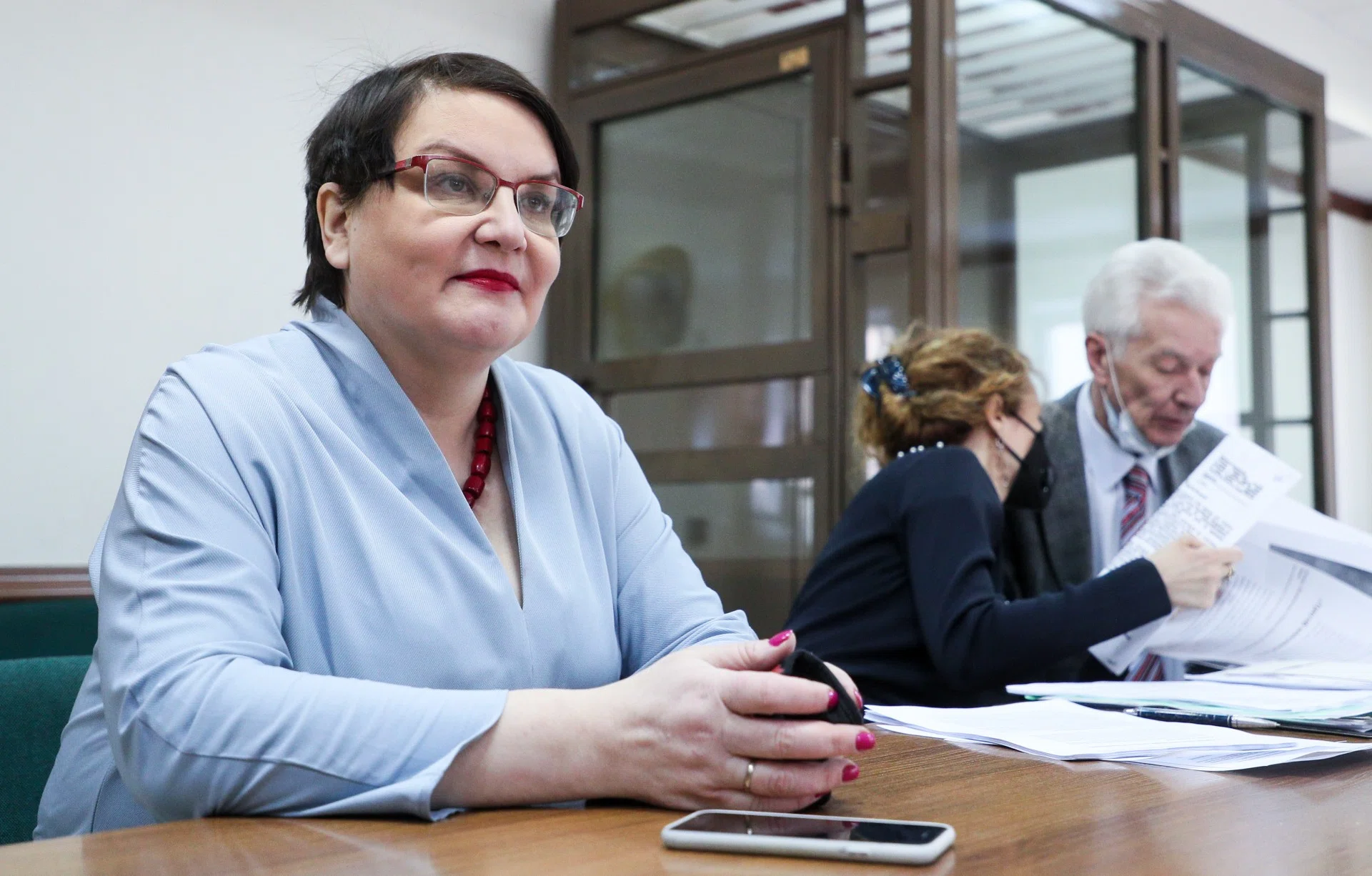
Secondly, municipal deputies create political ties within the country of fundamentally new quality: not vertically integrated and centralist, but democratic practices of horizontal supra-party relations. In the same way, our predecessors were received, who at the beginning of the twentieth century managed to organize the Bureau of Zemstvo Congresses, and then, in 1904, and the Zemstvo Congress itself in those conditions of long communications.
The creation of horizontal connections, on the one hand, allows you to look for a platform for the general requirements that I will write about just below, and on the other hand, they create alternative sustainability and institutions for preserving the unity of Russia, which at one time, when the current regime, will be able to play a key role.
Thirdly, as it was in the history of the Zemstvo Congress of 1904, the current municipal deputies do not remain only at the level of local problems (in those days the gathered zemstvo representatives demanded freedoms, parliament and the Constitution). Trying to resolve local issues, we deputies, just like our predecessors, were faced with the fact that an effective solution to local issues is impossible without a radical restructuring of the system of state institutions as a whole.
First of all, of course, the system of local self -government, which today is increasingly turning from an independent institution into an element of the vertical of power.
Municipal deputies require decentralization of powers and money, realizing that only the development of community independence can save the country from economic, humanitarian and political collapse (why - about this we must write a separate large article). But local deputies raise not only this topic! They become guides of ideas such as freedom of speech and freedom of assembly, honest court and honest elections and, of course, the reform of the political representation system that would allow different groups and communities to influence politics in the country.
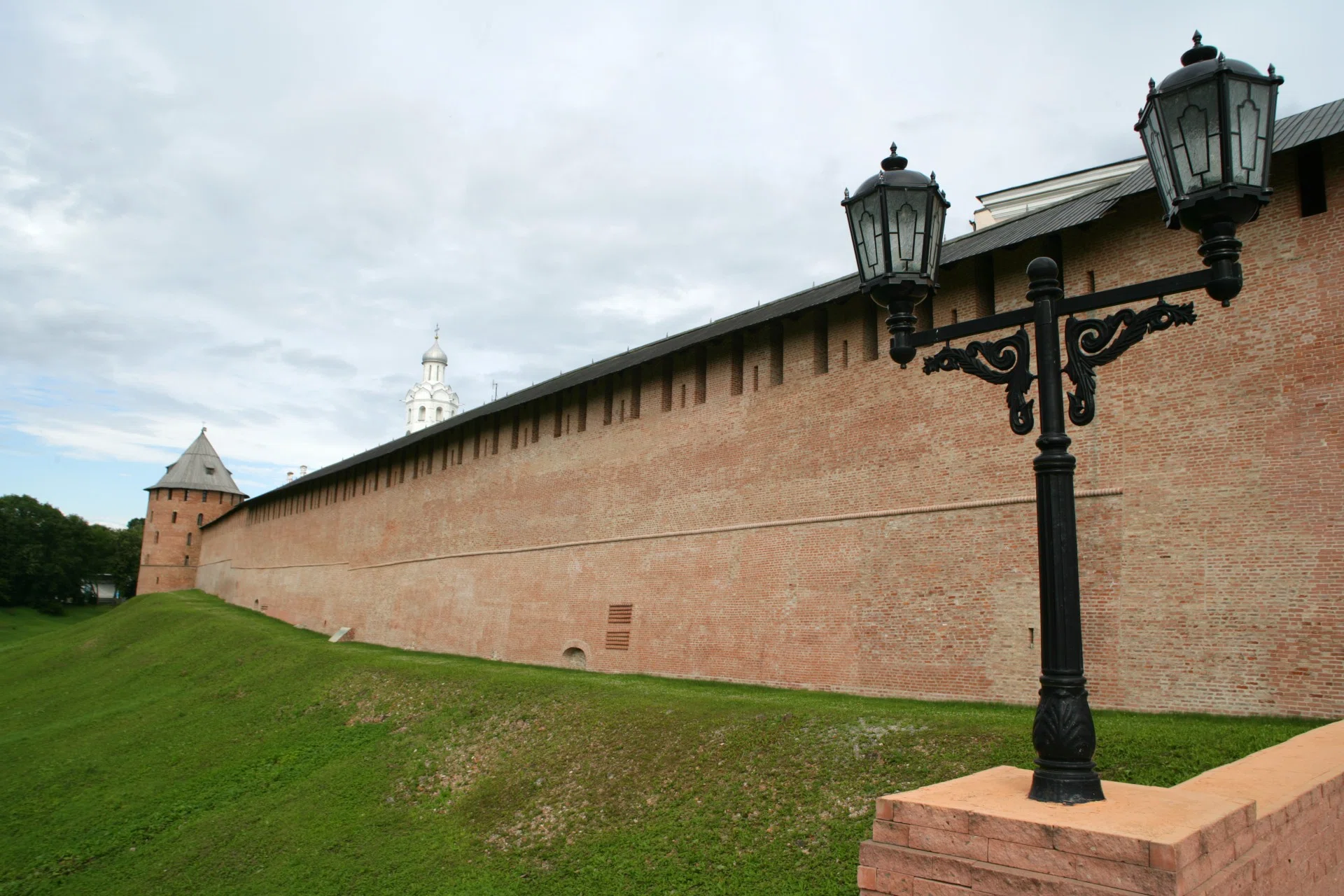
It is to create more stable horizontal connections, to develop the platform of general requirements, to exchange experience in the formation of local communities and communication within them, the current local deputies decided to gather at the modern Zemsky congress (congress of independent municipal deputies), which will be held on May 22–23 in Veliky Novgorod
More than once in difficult moments of Russian history, our country was saved by appeal to the land, to local people's leaders. Unfortunately, the transformation of the authoritarian regime, which will happen sooner or later (at least with a change in generations), will jeopardize the Russian identity and the very existence of our state. Another breakdown of the empire can turn into another tragedy. And only turning to the Earth, to people, seeing the meaning and goal in the development of the settlements where we live, turning our villages and cities into places for life, normal life, creating horizontal ties not through Moscow, but directly with each other, through local leaders, we can not only preserve our country, we can find the very idea that will give us national pride.