
Translated material
"I'm not very edible"
Vitaliy Nikitich Ignatenko, who was my editor -in -chief in the New Time weekly, notes the eighty year
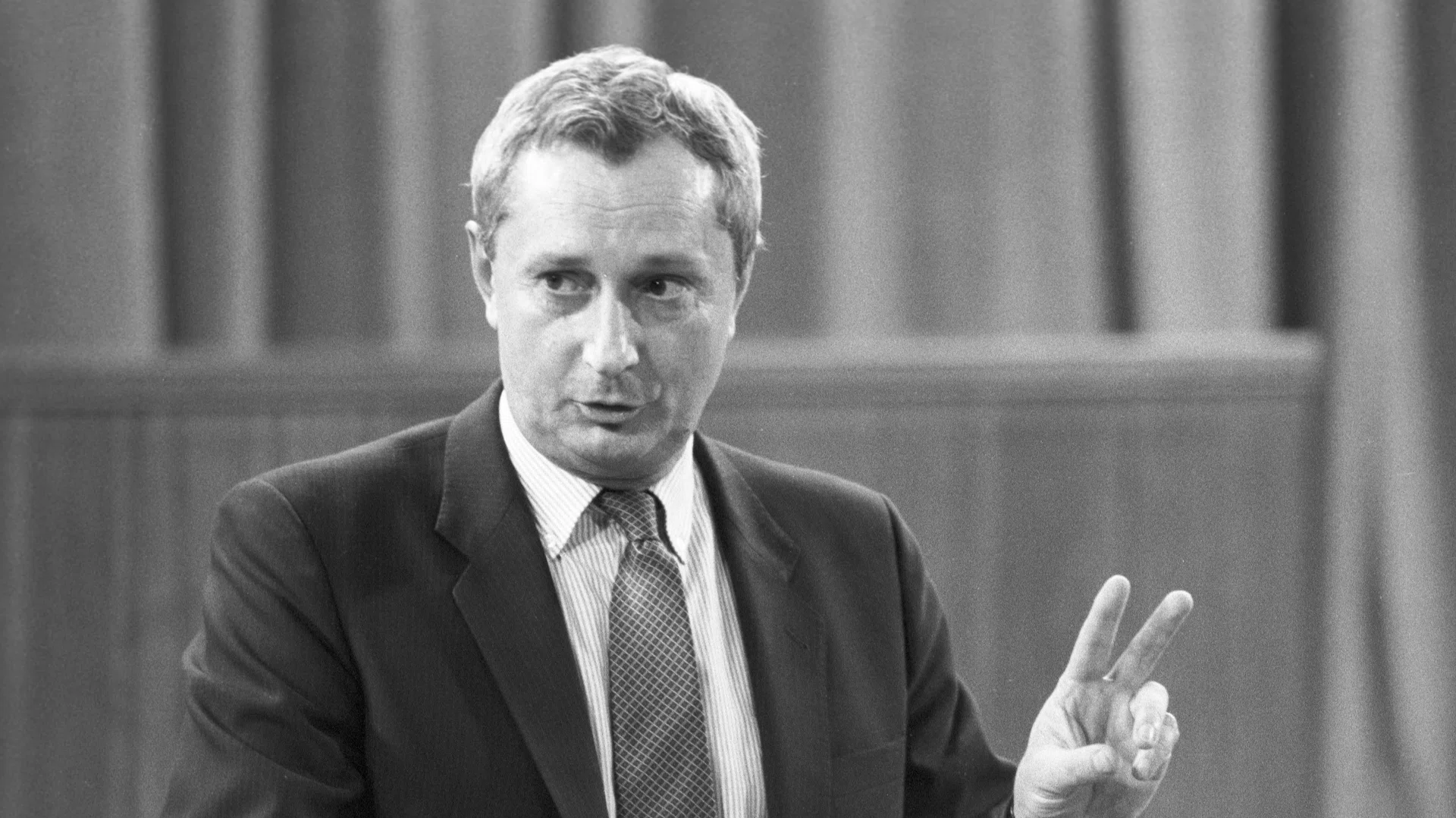
I well remember how the new main - tall, impregnable, in a leather coat appeared in the editorial office. The former editor picked up the tube of the turntable - a government connection apparatus - with a trembling hand, and in the other in advance squeezed a pencil to record the highest command. The new chief kept the phone almost disgusting and immediately stopping the invisible interlocutor who intended to pronounce the editorial office for some article in the newly released issue. We looked at each other then: new times came.
"Good business trip to Paris"
For the publication that scared the highest authorities, he called him to the old square of the Politburo at that time. He threatened with dismissal. Usually, in such cases, having returned, they trample the subordinates, taking out their troubles on them. The editor -in -chief did not share the troubles with us, printing seduced material. Shared amenities.
They handed over a heavily given number to the printing house. Outside the window, dark. Normal people have been sleeping for a long time. You are going home.
In internal communication - the main:
- When was the last time in France?
- I was not at all.
- So get together! There is a good business trip to Paris ...
Vitaliy Nikitich Ignatenko, who was my editor -in -chief in the New Time weekly, notes the eightieth anniversary.
I was immediately struck by his special art, necessary for the chief editor: under his care, subordinates feel confident.
He made a brilliant career: assistant to the president of the country, deputy chairman of the Council of Ministers, the head of the largest news agency, senator. The highest position did not change character and views. And incredible charm - heads of the state fall under it!
Ignatenko’s father is a front -line soldier, an orderly carrier. Mother is the school principal. Vitaliy Nikitich grew up in Sochi and has retained love for the native city for life.
After the Faculty of Journalism, he came to Komsomolskaya Pravda, a forge of personnel of the time, where he grew up to the first deputy editor. He was very young in a high position in the Party Central Committee. The apparatchiks looked at him in surprise: tall, fit, sports. This is now our bosses take care of themselves, and in Soviet times, leaders with difficulty squeezed through the door.
"I need you"
The Gorbachev era began unsuccessfully for him. The main party personnel officer Egor Ligachev removed those who did not pass through all nomenclature steps from the Central Committee, did not start in the district committee of the party. When Ignatenko left the apparatus of the Central Committee, the recent subordinates were soared by falcons, feeling his power over the recent boss.
And in the summer of 1990, he was unexpectedly called to the president of the country. Gorbachev said: “I suggest you become my assistant, to head the press service. I need you. "
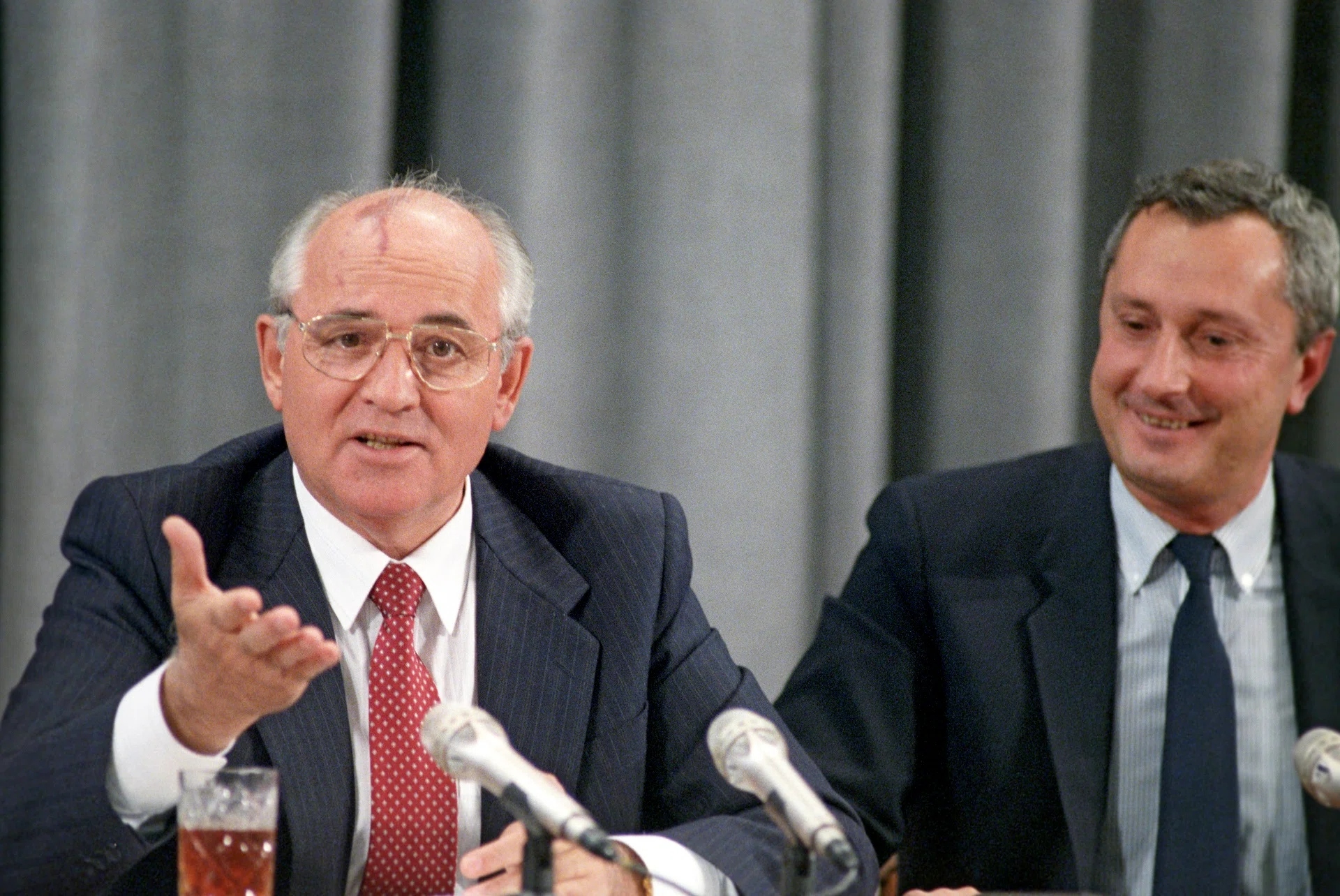
When he worked in the Kremlin, officials who had just taught his journalism again began to break a hat in front of him. Ignatenko is not vindictive. The evil does not remember. A lot of honor!
Without a free and independent press, the country cannot exist normally. It is necessary that someone explain the authorities of these capital truths. Gorbachev is a father of publicity, although he was also indignant when they wrote and said what he did not like at all. But nearby was a man who tirelessly repeated: freedom of print for the state is more important than personal grievances. Such a person was a spokesman for Gorbachev Vitaly Ignatenko.
He changed the style of press conferences.
None of the correspondents were handed out leaflets with pre -agreed issues. Journalists pulled their hands, and Ignatenko made it possible to ask a question.
“Especially oppressed me,” recalls Vitaly Nikitich, “that my colleagues, in the biography of which Gorbachev took the last place, arrogantly judged this great man, and he did so much for their professional growth and success. Gorbachev will forever go down in history by the fact that: the first - he introduced democracy in the country, and the second - he did not refuse it. "
In the turning point in 1991, Ignatenko became the Director General of TASS. In former times, TASS supplied the authorities and especially verified persons admitted to secret documents, real foreign information. Ignatenko canceled closed reports under the head of the OZP (especially closed letter). They were intended for leaders and contained information that had to be classified from other citizens, critical articles in the foreign press about the Soviet leaders - primarily about their state of health.
"Think about your health"
Ignatenko is a man of firm beliefs. In October 1993, the envoys of Rutsky and Khasbulatov burst into the TASS building with weapons in their hands. They demanded to convey to the whole world one phrase: "Yeltsin's regime is deposed."
“I told them that I would not cooperate,” said Ignatenko. “And they could not send this message.”
In those days, positions and state real estate were converted into a lot of money. Before skilled bosses, unprecedented opportunities opened up - to become rich and very rich people.
“The attack was on the attack on me,” Ignatenko recalls. - The first deputy appeared. He put his eyes on the new building of TASS. I said that only through my corpse. Then it turned out that this was not a problem for the new appointment ... The guys came with a sports-zekovskoy gas station, they said: “Well, think about their health. It happens that a man is going on, and his pipe on the head. " And they hit and killed ... something could happen to me. However, I'm not very edible. I grew up in a port city, I can stand up for myself. ”
In May 1995, in the Bocharov stream residence, Viktor Chernomyrdin persuaded him to accept the post of Deputy Head of Government for Mass Media, Culture, and Religion. Ignatenko was not flattered to the government office, he sat in the TASS building. He refused the salary of Deputy Prime Minister and the guard.
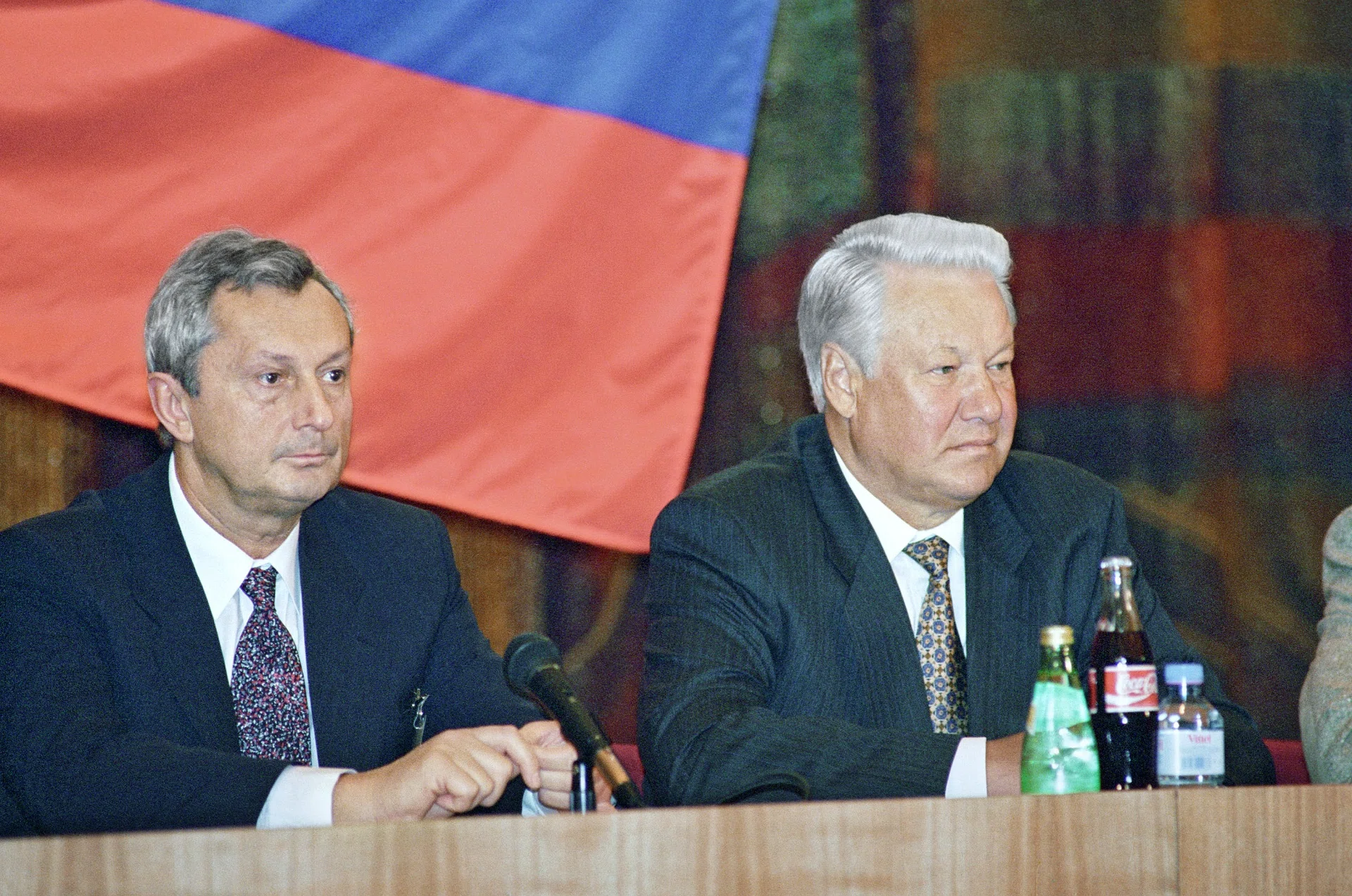
He saved regional journalism from the lack of money and the tyranny of local bosses. He played an important role in mediation between power and the media. And languished at the meetings.
“In any administration of the head of state,” writes Ignatenko, “there were always large mastaks to play on the weak strings of the authorities, to put on a colleague in vain, to push his foreheads. Normal yesterday a person could easily turn into vulgar bureaucrats, or even a primitive informer. There were decent, even talented people, but the proximity to the Komanders' fathers suddenly appeared to everyone around the arrogant Murlo, a dull posture and a ridiculous exaggeration of their role in history. ”
Ignatenko will encounter this more than once.
“In all troubles, Russia was blamed for the press,” Ignatenko recalls. - Yeltsin did not give her offense. The press did not always reciprocate him. But Yeltsin endured. "
"Politics kills friendship"
Ignatenko remembered how the 75th anniversary of Yeltsin was noted in the St. George Hall of the Kremlin: “The first president of Russia spoke very warmly about his comrade-in-arms Chernomyrdin. He called him a friend, an exceptionally decent person ... And suddenly, having paused, he said: “And I surrendered him ...” Silence reigned ... Boris Nikolaevich publicly repented of that long -standing decision. ”
“Politics kills friendship,” Ignatenko notes. “Big politics kills great friendship.” Vitaliy Nikitich himself preserves loyalty to friends. He falls in love with talented people and always appreciates them. As far as I know, nobody has never refused help. “A person’s life is a risky event,” says Ignatenko. “It is important not to be lonely in it.”
The general director of TASS Ignatenko worked for 22 years. “I learned about the fact that they are preparing a replacement,” he says. “I was ready: no problems.” In a difficult situation, most people experience stress and are not able to make the right decision. Ignatenko invariably preserves composure. It seems that he is given everything playfully: maybe because every day he plays tennis?
The fashion for tennis was introduced by Yeltsin. By imitating the president, officials took up rackets. But if we talk about big politics, then Ignatenko began to play long before Yeltsin.
He leads the Russian Public Public Public Council, the World Association of the Russian Press ... Vitaliy Nikitich is considered a ball of fate. But life is not simple and easy. It seems to me that his main happiness is a love for his wife stretched out for life.